


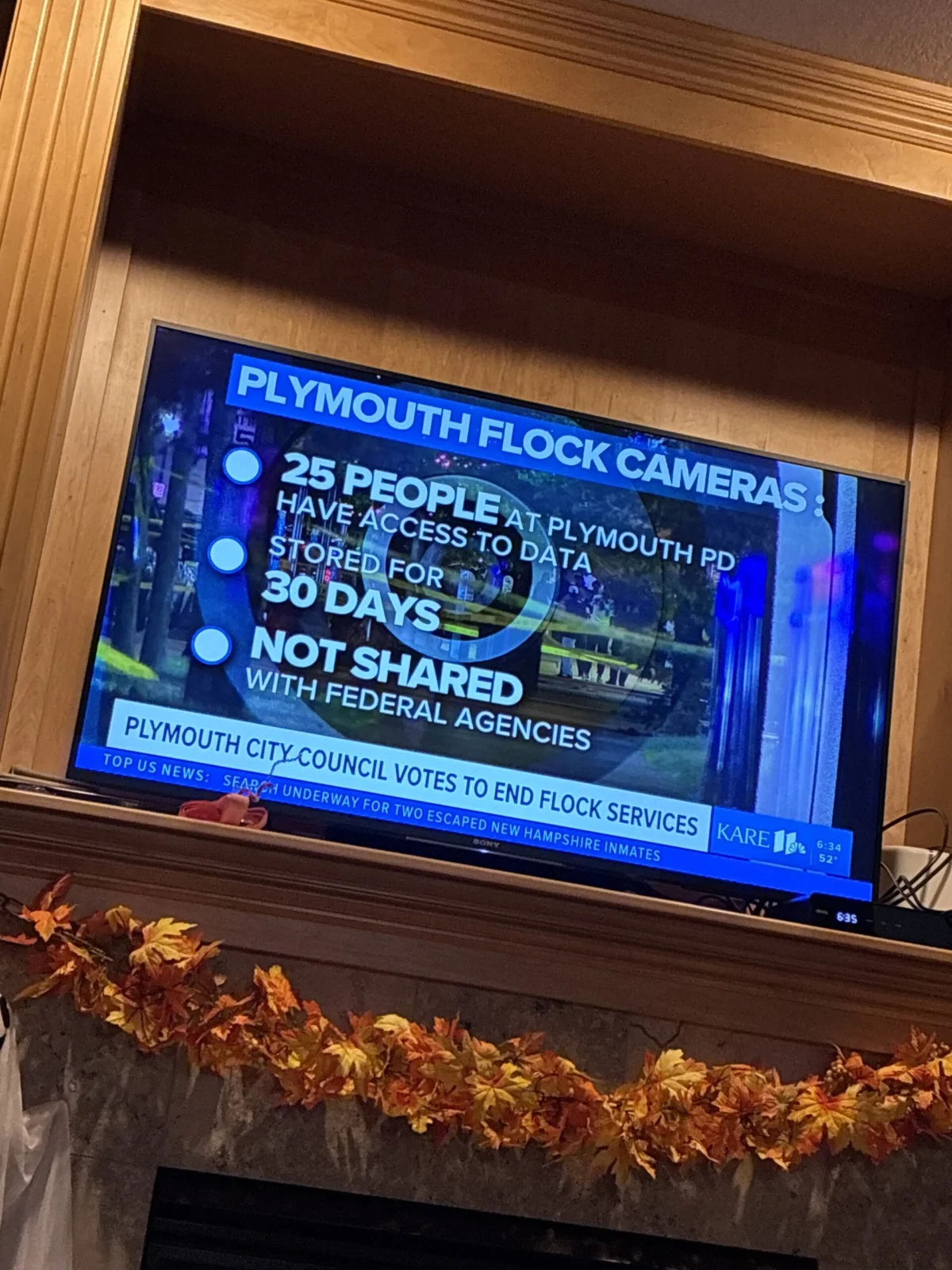
Three months after a harrowing, high-stakes police encounter triggered by faulty data, the city of Plymouth, Minnesota, has made a decisive move that could signal a turning point for surveillance technology in suburban America. In a nearly unanimous vote this past Tuesday, the Plymouth City Council moved to terminate its contract with Flock Safety, the manufacturer of the ubiquitous automated license plate reader (ALPR) cameras that have become a standard, yet controversial, fixture in modern law enforcement.
The decision arrives in the wake of significant public scrutiny, much of it catalyzed by the very citizen who was wrongly targeted by the system. For many, the vote represents a victory for privacy advocates and those concerned about the “mission creep” of AI-driven surveillance in local communities.
A Chronology of a Failed System
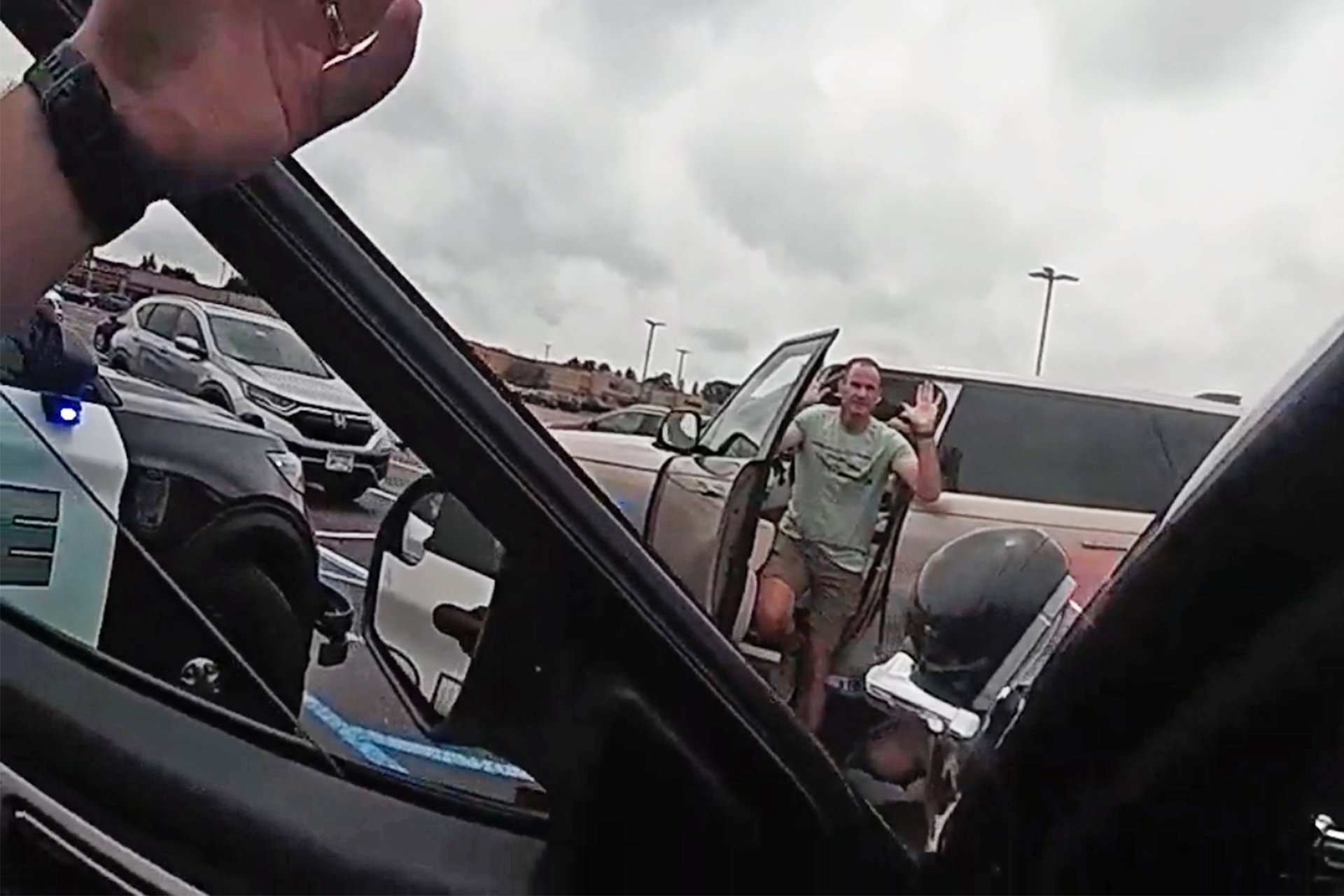
The catalyst for this legislative shift began on June 28, when the author of this report—a resident of Plymouth—was ambushed by four police squad cars. The stop was the culmination of days of relentless, automated tracking. The system had flagged the vehicle as having stolen license plates, a premise that proved entirely false.
This was not a singular glitch; it was the result of a systemic failure in how Flock’s algorithm processes and verifies data. The trauma of that day—being surrounded by armed officers based on a machine’s erroneous output—placed the city of Plymouth on the national stage.
The timeline of the fallout proceeded as follows:
- June 28: A routine drive turns into a high-stress police stop due to a false positive generated by Flock’s license plate recognition software.
- July–August: A series of investigative reports are published, detailing the vulnerabilities of the Flock ecosystem and the lack of human oversight in the "data-driven" policing model.
- Late August: Flock Safety CEO Garrett Langley publicly acknowledges the company’s failures, admitting that the system’s design had inadvertently put innocent people at risk. He promises a massive overhaul of police search protocols.
- September 23: Following a two-hour study session regarding the efficacy and ethical concerns of the program, the Plymouth City Council holds a decisive vote.
- September 24: The city officially confirms the termination of its contract, with the lone dissenting vote cast by Mayor Jeff Wosje.
The Council’s Decision: Security vs. Civil Liberties
The meeting, attended by concerned citizens including The Drive reader Doug Maltby, lasted three hours. The session was preceded by a two-hour deep dive into the police department’s use of the technology. Plymouth Police Chief Fadden led the presentation, attempting to justify the continued use of the cameras by demonstrating their role in solving property crimes and maintaining "public safety."
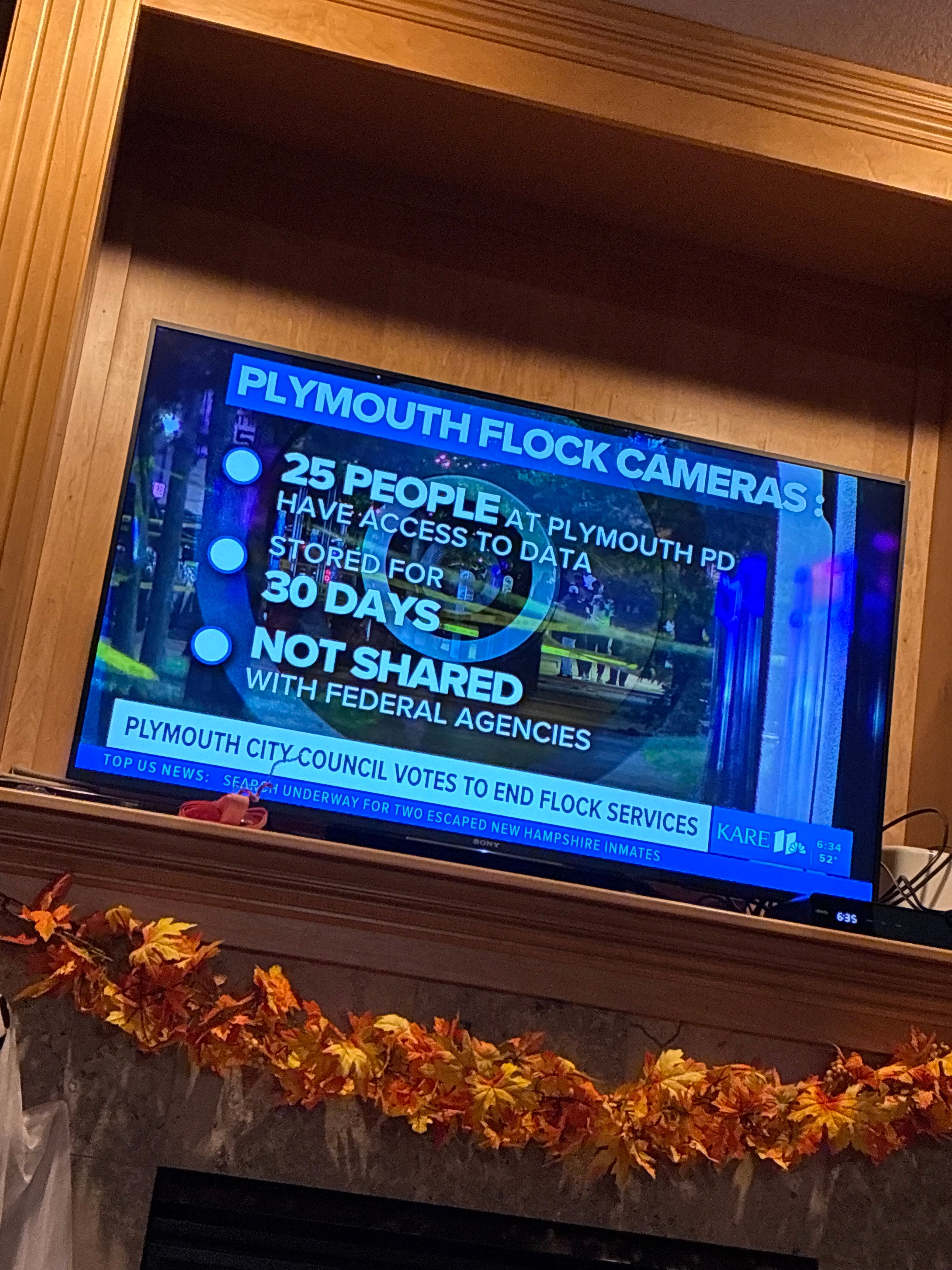
Chief Fadden even presented a specific slide addressing the June 28 wrongful stop, preempting questions about the incident. However, the presentation highlighted a growing unease within the department itself. Fadden noted that Plymouth had already ceased sharing its data with 36 other metropolitan police departments, citing concerns that other jurisdictions were using the shared data for immigration enforcement—an application of the tech that clearly sat outside the city’s comfort zone.
Ultimately, the council concluded that the risks—and the potential for state-sanctioned harassment of innocent residents—outweighed the utility of the hardware. The council’s decision stands as a rare example of a local government choosing to roll back surveillance infrastructure once it has been deployed.
Official Responses and Political Friction
The divide in the council chamber reflects the broader national debate regarding law enforcement tools. Mayor Jeff Wosje, the sole vote to retain the contract, framed the issue as a choice between effective policing and "bad PR."
"I know people have concerns, but I’m weighing this against what we all talked about—the ability to keep our residents safe and catch the bad guys—versus basically the bad PR that Flock has," Wosje stated, according to MPR News. He further defended the police department’s "toolbox," suggesting he was willing to weather the political fallout to ensure officers had access to the technology.
This stance has put Wosje at odds with his own Deputy Mayor, Clark Gregor, who voted in favor of the termination. With the municipal election fast approaching in November, the Flock contract has effectively become a central campaign issue. Voters are now faced with a choice between two distinct philosophies of governance: one that prioritizes the adoption of any available technological tool for law enforcement, and one that demands accountability and human rights protections before such tools are deployed.
The Broader Implications for Surveillance
The Plymouth case raises uncomfortable questions about the adoption of "smart city" technologies. Flock Safety has positioned itself as a necessary utility, but the incident in Plymouth demonstrates that these systems often lack the fail-safes required to protect citizens from the consequences of algorithmic errors.
The Problem of "Data Silos" and Sharing
The disclosure that Plymouth was sharing data with 36 other departments underscores the "dragnet" effect. When a city installs cameras, it isn’t just creating a local security perimeter; it is feeding a regional, and potentially national, network of surveillance data. As seen in the concerns regarding immigration enforcement, the potential for mission creep—where data collected for petty theft is suddenly used for federal immigration or political surveillance—is significant.
The Accountability Gap
While Flock’s CEO has promised overhauls, the incident in Minnesota proves that corporate apologies arrive far too late for the individuals caught in the crosshairs. The "move fast and break things" ethos, when applied to law enforcement and public safety, carries a human cost that cannot be mitigated by software patches or revised search rules.
The Future of License Plate Readers
It remains unclear if Plymouth will seek a replacement for the Flock system. Companies like Axon and Leonardo are waiting in the wings with their own ALPR solutions, often promising better integration and more robust privacy controls. However, the Plymouth experience suggests that the hurdle for these companies will be higher than it was even a year ago. Citizens are becoming increasingly aware that these cameras are not merely "traffic tools," but are instead persistent, pervasive tracking devices.
A Warning for Other Municipalities
The termination of the Flock contract in Plymouth is a warning to other cities currently engaged in similar "study sessions" or pilot programs. Public trust is a fragile commodity. Once a surveillance system is perceived as a threat to the innocent rather than a safeguard against the guilty, the political cost of maintaining that system may become unsustainable.
For the residents of Plymouth, the cameras may be coming down, but the conversation is far from over. The city has set a precedent: when technology fails, the community has the right to demand its removal. As we move further into the era of pervasive digital monitoring, the ability of local governments to hit the "off" switch may become the most important public safety tool of all.
Do you have information about how surveillance technology is being used in your city? Contact us at [email protected].
