


August 31, 2026
While the widespread, economy-altering displacement of workers due to artificial intelligence has yet to fully materialize, the quiet warning signs are already present. Economic experts and policymakers are increasingly sounding the alarm: the United States is dangerously unprepared for a potential surge in mass unemployment. As the labor market faces unprecedented technological shifts, the nation’s primary safety net—Unemployment Insurance (UI)—is not just frayed; it is fundamentally broken.
For decades, bipartisan commissions have recommended systemic overhauls to UI, yet these calls have largely been met with legislative inertia. As we stand on the precipice of an AI-driven industrial revolution, the consensus is clear: we must stop waiting for a crisis to act.
The Core Functions of a Broken Safety Net
The Unemployment Insurance system was designed with four primary objectives: to stabilize individual household income during transitions, to provide a financial lifeline that allows workers the time to find high-quality employment, to maintain worker attachment to the labor force, and to act as a countercyclical economic stabilizer.
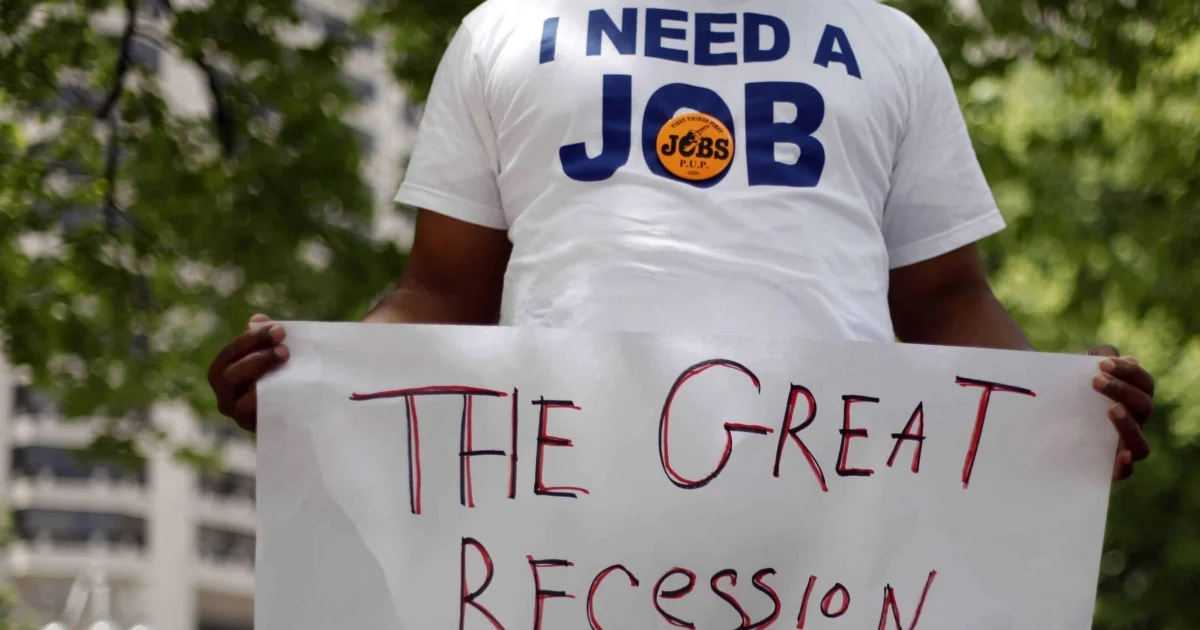
When functioning correctly, UI is a powerhouse of local economic resilience. Data indicates that every dollar distributed in unemployment benefits generates nearly two dollars in local economic activity. However, in many U.S. states, the system has been hollowed out. Since the Great Recession, a "race to the bottom" has characterized UI policy, with states aggressively reducing benefit amounts, restricting eligibility criteria, and shortening the duration of support. Consequently, for millions of American workers, the UI system is no longer a safety net—it is a failed promise.
A Chronology of Neglect
The current state of our unemployment infrastructure is not the result of a single administration or a recent economic shift; it is the culmination of fifty years of systematic disinvestment.
- 1980–1996: Bipartisan commissions formed during these decades identified clear, actionable pathways to strengthen the UI system. These recommendations focused on modernizing technology, standardizing benefits, and ensuring long-term funding. These reports gathered dust as political priorities shifted.
- 2008–2009: The Great Recession exposed initial cracks in the system, yet instead of structural reform, many states opted for austerity measures, further restricting access to benefits to keep state-level trust funds solvent.
- 2020–2021: The COVID-19 pandemic served as a brutal stress test. As record numbers of claims flooded state agencies, the reality of decades of neglect became undeniable. Agencies were operating on 50-year lows in funding, forced to rely on antiquated, COBOL-era technology and skeletal staffing.
- 2022–2024: As the pandemic waned, the focus on UI reform intensified. Congressional hearings highlighted that the delay in delivering aid allowed organized criminal enterprises to exploit the system’s lack of digital security, resulting in billions of dollars in fraudulent claims.
- 2025–2026: The rapid acceleration of AI integration into the workplace has brought the issue to a head. Policymakers are now realizing that the "fix-it-when-we-need-it" approach is no longer sustainable.
Supporting Data: The Reality of the Modern Job Hunt
The challenges facing today’s job seekers go far beyond the systemic failure of the UI office. The modern labor market is characterized by a "low-hire" environment that creates a psychological and financial toll on the unemployed.
Current research suggests that as many as one in three job postings online are "ghost jobs"—fake listings posted by companies that have no immediate intention of hiring. This creates a deceptive landscape where job seekers invest significant time and emotional capital into applications that lead to dead ends.
"People who have been unemployed for months are becoming increasingly discouraged," notes Michele Evermore, Senior Policy Fellow for Economic Security at the National Employment Law Project (NELP). This discouragement is reflected in historic lows for the labor force participation rate. When the process of finding a job becomes an exercise in futility, workers do not just stay unemployed; they exit the workforce entirely, creating long-term structural issues for the economy that are much harder to reverse.
Official Responses and Proposed Legislation
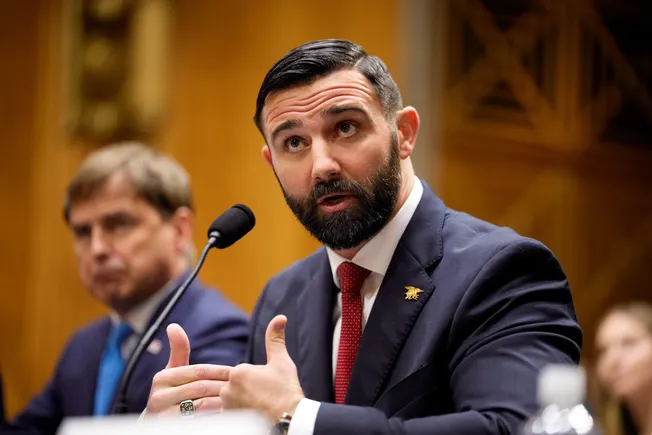
The failure of the UI system has finally spurred a legislative response. Recognizing that the status quo is a recipe for disaster, a group of federal lawmakers has introduced bicameral legislation aimed at finally implementing the reforms suggested by those bipartisan commissions of the 1980s and 90s.
Championed by Senator Ron Wyden, Senator Michael Bennet, and Congressman Don Beyer, this legislative package seeks to:
- Standardize Benefits: Ensure that states maintain a minimum level of income replacement to prevent the "race to the bottom."
- Modernize Infrastructure: Provide the funding necessary to upgrade the technological backbone of state UI agencies, ensuring they can handle volume and protect against fraud.
- Restore the Employment Service: Reinvigorate the federal Employment Service division at the U.S. Department of Labor.
The Employment Service was once the heartbeat of the labor market, connecting people directly to jobs and training programs. Over the years, it has been systematically dismantled. Proponents argue that bringing this service back to life—with physical, accessible local offices—is essential to providing the human support necessary to help workers transition into new, AI-integrated roles.
The Implications: Why AI Changes the Calculus
Why is the urgency different today than it was in 2010 or 2020? The answer lies in the nature of AI-driven displacement. Unlike previous industrial shifts, which generally phased out specific manual tasks over a decade, AI has the potential to impact both white-collar and blue-collar professions simultaneously and at a rapid pace.
If the workforce is not provided with a robust safety net and a clear path to retraining, the result could be a mass-scale withdrawal from the labor force. The economic implications are severe:
- Reduced Consumer Demand: Without the income stabilization provided by a functional UI system, a wave of job losses would cause an immediate contraction in local consumer spending.
- Increased Inequality: Without a system to bridge the gap between old jobs and new ones, the wealth gap will widen as the benefits of AI accrue to capital owners while labor is left to face the volatility of a transition period without support.
- Political Instability: Historical precedent shows that mass, prolonged unemployment is a primary driver of political polarization and civil unrest.
A Call to Break the Cycle
The cycle of waiting for a catastrophe to strike before upgrading our social infrastructure is a luxury the United States can no longer afford. We are currently observing a mismatch between the speed of technological evolution and the sluggishness of policy reform.
The solutions are not mysterious; they have been well-documented for decades. The recommendations provided by bipartisan commissions in 1980 and 1996 remain as relevant today as they were then. By enacting the legislation currently proposed by Senator Bennet and his colleagues, the United States has the opportunity to proactively build a resilient, modern system.
The goal is not to stop progress or to fight the integration of AI, but to ensure that the human element of our economy—the workers themselves—is not discarded in the process. Rebuilding the Employment Service and fortifying the UI system are the foundational steps to ensuring that the next chapter of the American economy is one of adaptation, not crisis. It is time to stop reacting and start preparing.
