



By Editorial Staff
August 28, 2026
As the American labor landscape navigates a period of profound transformation driven by rapid technological shifts, climate-conscious industrial policy, and a renewed national debate over the "Good Jobs" economy, the National Employment Law Project (NELP) has announced a significant expansion of its leadership team.
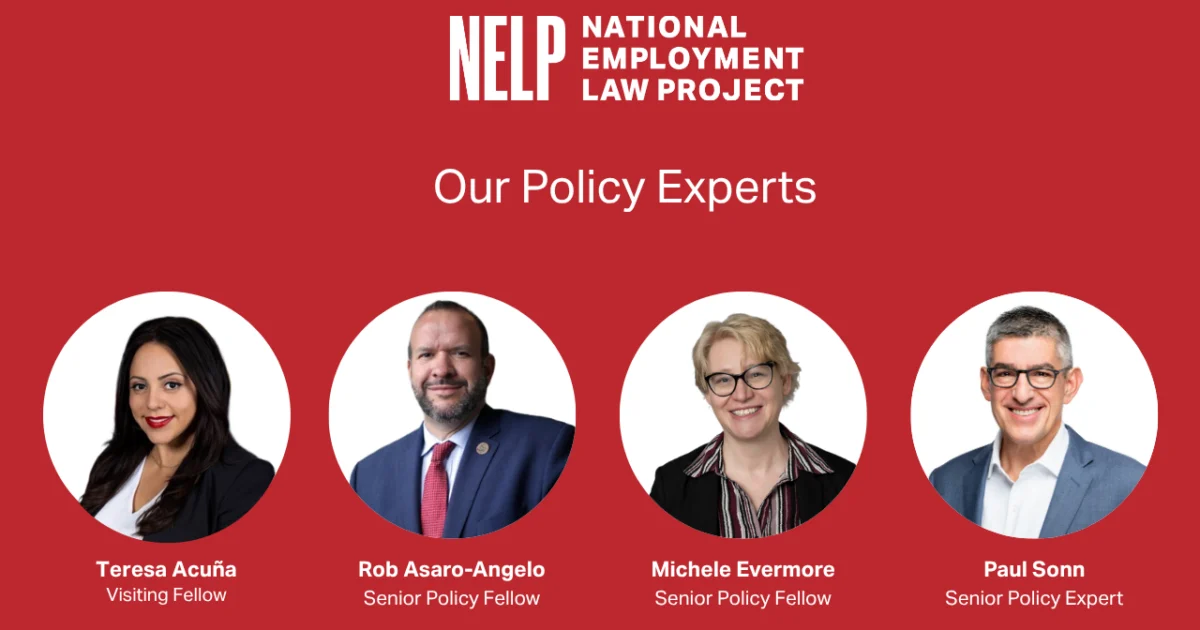
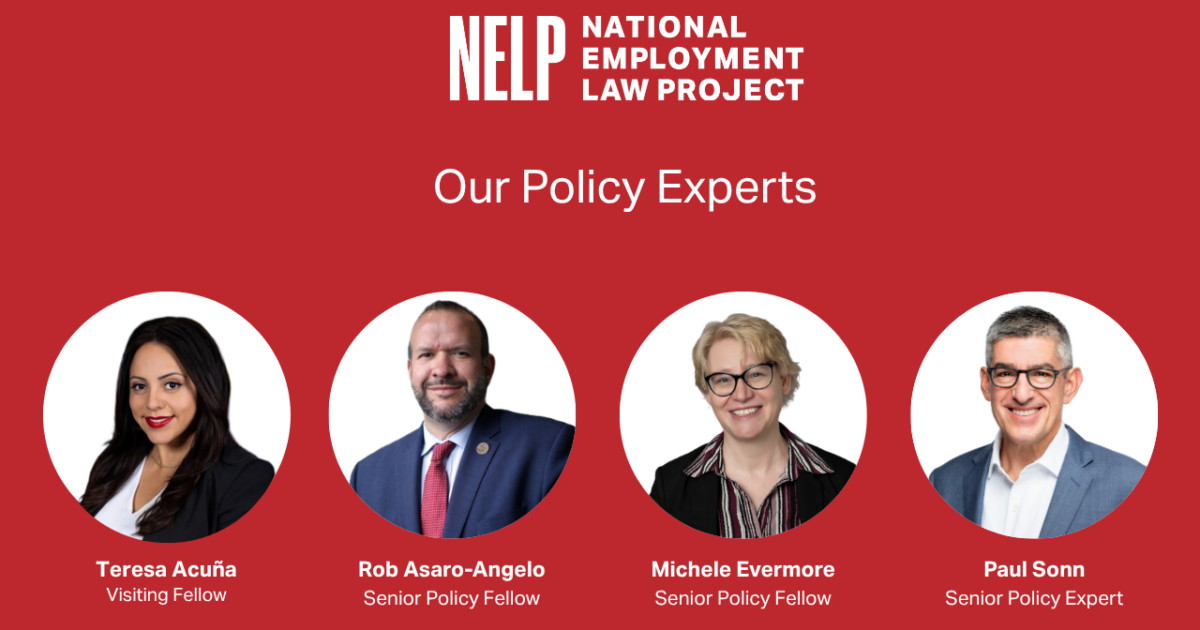
In a move aimed at consolidating seven decades of advocacy experience with modern policy innovation, NELP President and CEO Rebecca Dixon announced the addition of four nationally recognized labor experts to the organization’s ranks. These appointments are designed to serve as the "nucleus" of a revitalized strategic effort to ensure that the evolving U.S. economy prioritizes worker dignity, fair compensation, and robust protections.
The Strategic Shift: Building a "Good Jobs" Democracy
For over 70 years, NELP has stood at the vanguard of the workers’ rights movement, evolving from a legal aid-focused entity into a powerhouse of federal and state policy advocacy. The arrival of these four new leaders marks a pivot toward what Dixon describes as a "sharpened strategic focus." The goal is not merely to react to labor market fluctuations, but to proactively design the regulatory and economic frameworks that define what constitutes a "good job" in the 21st century.
The appointments come at a critical juncture. With federal investments in infrastructure, clean energy, and manufacturing reshaping the industrial base, the need for policy expertise that ensures these public funds translate into high-quality, sustainable employment has never been greater.
Meet the Architects of Change
The new leadership cohort brings a blend of federal administrative experience, state-level governance, and deep-rooted history within the labor movement.
Teresa Acuña: Visiting Fellow for Good Jobs Democracy
Acuña joins NELP following a pivotal tenure as the director of the Good Jobs Initiative at the U.S. Department of Labor (DOL). During her time in the Biden-Harris administration, she was instrumental in ensuring that the influx of federal capital—specifically via infrastructure and clean energy legislation—was tethered to requirements for high-quality job creation. Her expertise will be critical as NELP works to ensure that the transition to a green economy does not leave behind workers in rural or underserved urban communities.
Rob Asaro-Angelo: Senior Policy Fellow for Worker-First Protections
Bringing a wealth of executive experience from the state level, Asaro-Angelo served as Commissioner of the New Jersey Department of Labor and Workforce Development from 2018 to 2026. His leadership in New Jersey was marked by the management of complex workforce protections and the adaptation of labor systems during times of extreme volatility. His transition to NELP signals a commitment to scaling effective state-level protections to a national model.
Michele Evermore: Senior Policy Fellow for Economic Security and Worker Transitions
A returning veteran to the NELP fold, Evermore’s influence on the U.S. labor landscape is substantial. During the COVID-19 pandemic, her research and advocacy were foundational to the historic expansions of Unemployment Insurance (UI). Her subsequent role as Deputy Director for Policy in the DOL’s Office of Unemployment Insurance Modernization gives her a rare, dual-perspective on how to bridge the gap between academic policy design and bureaucratic implementation.
Paul Sonn: Senior Policy Expert for Wages and Affordability
A long-time anchor of NELP’s state policy programs, Sonn is a titan in the fight for living wages. Having played a central role in the birth of the "Fight for $15" and the design of the first municipal minimum wage ordinances in the U.S., Sonn’s new role will focus on the next generation of wage policy. His work will concentrate on strategies to decouple the cost of living from wage stagnation, ensuring that workers’ purchasing power remains resilient in the face of inflation and market shifts.
Chronology of Influence: From Legal Aid to National Policy
To understand the weight of these appointments, one must look at the trajectory of the organization itself.
- 1960s-1980s: NELP emerged as a key legal resource for workers, focusing on litigation and securing basic workplace rights during a period of industrial transition.
- 1990s-2010s: The organization pivoted toward state-level policy innovation. This era saw the rise of the living wage movement, where NELP acted as a critical advisor, helping craft the legal language that allowed local governments to bypass federal inaction on minimum wage.
- 2020-2024: The pandemic-era crisis necessitated a move toward federal policy intervention. NELP’s advocacy became central to the expansion of the social safety net, particularly regarding Unemployment Insurance and workplace safety.
- 2026 and Beyond: The current era represents the "Institutionalization of the Good Jobs Economy." By recruiting leaders with direct experience in the U.S. Department of Labor and state cabinets, NELP is positioning itself as a shadow department of labor, capable of providing the technical assistance necessary for legislative implementation.
Supporting Data: Why "Good Jobs" Matter Now
The economic context for these appointments is grounded in data that suggests the current labor market is at a crossroads. According to recent Bureau of Labor Statistics data, while employment numbers remain steady, the quality of jobs—measured by benefits, predictability, and wage growth—remains highly stratified.
- The Wage Gap: Despite nominal wage increases, real wages for low-to-middle-income workers have been pressured by the rising costs of housing and childcare.
- Industrial Transition: Projections indicate that the shift toward a clean-energy economy will require the creation of millions of new jobs. Without the policy guardrails that leaders like Acuña and Evermore specialize in, there is a risk that these jobs will replicate the low-wage, high-precarity models of the past.
- The UI Gap: The lessons from the COVID-19 pandemic revealed that state-level Unemployment Insurance systems were antiquated. The "modernization" initiatives led by experts like Evermore are essential to preventing future systemic failures in the labor safety net.
Official Responses and Strategic Vision
In her announcement, CEO Rebecca Dixon emphasized that these appointments are not merely a growth of staff, but a "sharpened strategic focus."
"Creating a Good Jobs Economy for all workers… requires leaders with deep policy expertise and a clear vision to achieve bold, lasting change," Dixon noted. She emphasized that the organization’s strength lies in its ability to synthesize academic research with grassroots advocacy. By bringing in leaders who have actually run government agencies, NELP is signaling that it intends to be a partner—or a constructive critic—in the implementation of labor law, rather than just an observer.
Industry observers suggest that this "expert-heavy" strategy is a direct response to the increasing complexity of labor law. As regulations become more granular—touching on everything from algorithmic management to gig-worker classification—the ability to provide high-level policy guidance has become the most valuable currency in the labor advocacy space.
Implications for the Future of Work
The implications of this leadership expansion are far-reaching.
First, it suggests that NELP will play a central role in the upcoming legislative cycles. Whether the goal is to codify new labor standards or to defend existing protections against erosion, the presence of former government officials on their team will allow NELP to draft legislation that is "implementation-ready."
Second, the focus on "Worker-First Protections" and "Economic Security" suggests a proactive stance on the future of AI in the workplace. As algorithmic management becomes more prevalent, the ability to define what constitutes a "fair" work environment will become a primary battleground. With these four new fellows, NELP is essentially building the intellectual infrastructure required to regulate the workplace of 2030 today.
Finally, for the average worker, these changes promise a more robust advocacy presence. By bridging the gap between state-level victories and federal policy frameworks, NELP is working to ensure that a worker’s rights are not dependent on their zip code.
As the labor movement continues to find its footing in a volatile global economy, the addition of Acuña, Asaro-Angelo, Evermore, and Sonn provides NELP with the technical depth and institutional memory to move from advocacy to actual, lasting policy architecture. As Dixon concluded in her statement: "Onward!" It is a sentiment that captures the urgency and the ambition of an organization that, even in its seventh decade, is just getting started.
