


Introduction: A Nation at the Epicenter of Global Interests
As Hungary approaches its parliamentary elections on April 12, 2026, the country finds itself at a critical geopolitical crossroads. While domestic policy typically dominates election cycles, the 2026 vote is framed by an unprecedented convergence of external pressures. Hungary’s energy infrastructure—a vital artery for its national security and economic stability—has transformed into a high-stakes chessboard where the competing interests of China, the United States, and Russia intersect.
To assist international correspondents in navigating this complex landscape, Clean Energy Wire (CLEW) is hosting a dedicated expert-led webinar on April 9, 2026, from 16:00 to 17:30 CEST. This briefing aims to provide journalists with the analytical framework necessary to dissect how global power dynamics are shaping Hungary’s climate and energy policies, and what these developments signify for the broader European Union.
Main Facts: The Triple-Pillar Conflict
The central narrative of the upcoming election centers on the "Energy Sovereignty" debate. Hungary’s current administration has maintained a policy of "Eastern Opening," seeking to balance its EU and NATO obligations with deep economic ties to non-Western energy providers.
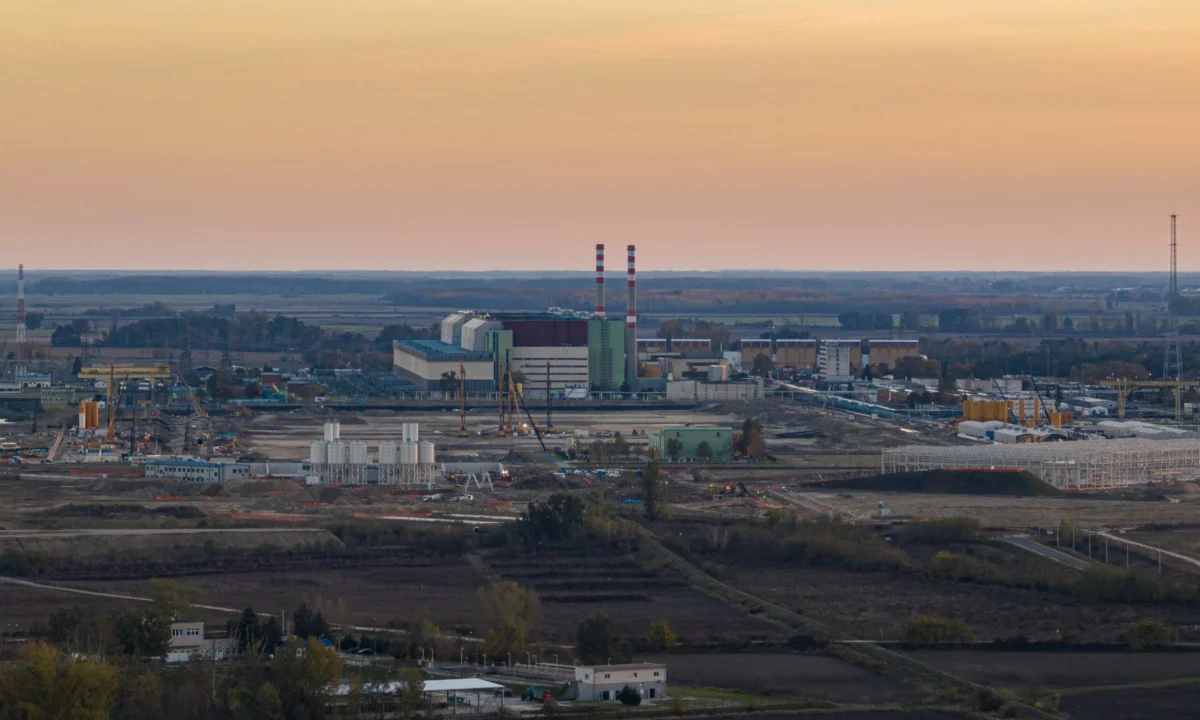
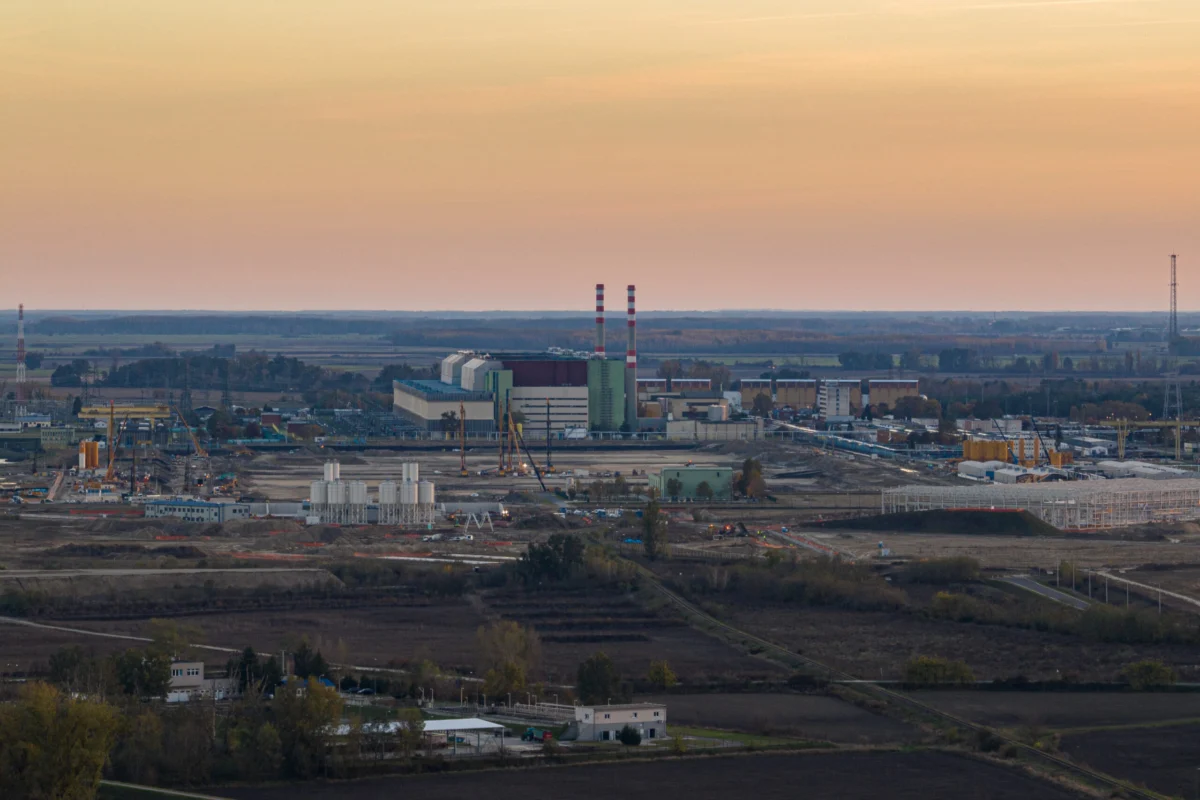
- The Russian Connection: Russia remains the primary supplier of fossil fuels to Hungary. The Paks II nuclear power plant expansion, financed and constructed largely through Russian state entities, remains the most controversial infrastructure project in the country. It serves as both a source of potential energy independence and a point of strategic vulnerability.
- The Chinese Investment Wave: China has pivoted toward Hungary as its European gateway for green energy manufacturing. With massive investments in electric vehicle (EV) battery production and renewable energy infrastructure, Beijing is effectively tethering parts of the Hungarian economy to Chinese supply chains.
- The U.S. and EU Pushback: Washington and Brussels have signaled increasing alarm regarding Hungary’s energy dependencies. The U.S. has utilized both diplomatic pressure and economic warnings to discourage reliance on authoritarian energy partners, while the EU seeks to curb outside influence to preserve the integrity of the European Single Market.
Chronology: A Timeline of Strategic Entrenchment
The path to the 2026 elections is paved with significant milestones that have redefined Hungary’s energy landscape:
- 2014: The Hungarian government signs the agreement with Russia’s Rosatom for the Paks II expansion, marking the beginning of a long-term strategic reliance on Russian nuclear technology.
- 2020-2022: Amidst the global pandemic and the onset of the war in Ukraine, Hungary secures special exemptions from certain EU-wide sanctions against Russian energy, citing national security concerns.
- 2023: The Paks II project reaches critical construction milestones, with high-level site inspections confirming the installation of foundational infrastructure. The project becomes a symbol of the "dual-track" energy policy.
- 2024-2025: A massive influx of Chinese Foreign Direct Investment (FDI) transforms the Hungarian landscape, particularly in the EV sector. Debrecen and other industrial hubs become central to China’s "Belt and Road" energy objectives in Europe.
- April 9, 2026: Pre-election expert briefing held by CLEW to synthesize these developments for the international press corps.
- April 12, 2026: Hungary’s parliamentary elections—a referendum on the country’s future alignment between East and West.
Supporting Data: Energy Dependency and Foreign Investment
The complexity of the situation is best illustrated by the data surrounding Hungary’s energy mix and investment inflows:
- Nuclear Reliance: Currently, the Paks nuclear facility provides roughly 50% of Hungary’s domestic electricity production. The Paks II project is designed to double this capacity, cementing nuclear power as the cornerstone of the national energy strategy.
- Trade Balances: Trade data indicates that Hungary has become one of the top recipients of Chinese green-tech investment in Central and Eastern Europe. This shift represents a deliberate pivot to accommodate the energy-intensive manufacturing needs of Chinese firms.
- Import Ratios: Despite EU-wide initiatives to diversify gas supplies, Hungary remains heavily reliant on the TurkStream pipeline, which delivers Russian gas through the Balkans. This reliance provides Moscow with significant leverage in regional energy pricing.
Official Responses and Diplomatic Friction
The View from Budapest
The Hungarian government maintains that its energy policy is one of "pragmatic neutrality." Officials argue that by engaging with Russia for nuclear power and China for green technology, they are insulating Hungary from the volatility of Western energy markets. They characterize these partnerships as purely economic, intended to lower utility costs for Hungarian citizens and attract high-tech industrial jobs.
The View from Brussels
European Commission officials have expressed consistent concern that Hungary’s energy infrastructure projects are not subject to the same level of transparency as projects funded by EU mechanisms. Brussels has warned that allowing non-EU state actors to control critical infrastructure poses a risk to the collective security of the bloc, potentially allowing external powers to influence the political decision-making process in Budapest.
The View from Washington
The United States has adopted a "containment-by-investment" approach. Washington has frequently warned of the "debt-trap" potential of Chinese infrastructure projects and has engaged in extensive lobbying to persuade the Hungarian government to consider U.S. nuclear technology and LNG (Liquefied Natural Gas) imports as alternatives to Eastern sources.
Implications: What to Expect Post-Election
The results of the 2026 election will dictate whether Hungary continues its current trajectory or seeks a pivot toward a more integrated European energy strategy.
Implications for the European Green Deal
If Hungary continues to prioritize Chinese-supplied energy infrastructure, it may create a "green-tech silo" that operates outside of the harmonized European standards. This could complicate the EU’s climate targets, as the bloc struggles to maintain a unified approach to supply chain security and carbon accounting.
Implications for Global Alliances
The election will serve as a litmus test for the durability of the "Eastern Opening" policy. A victory for the status quo will likely embolden other nations in the region to follow similar paths, potentially fracturing the EU’s foreign policy consensus. Conversely, a change in leadership could signal a return to more traditional Atlanticist energy policies, potentially straining Hungary’s economic ties with Beijing and Moscow.
Implications for Journalists
For the media, the challenge lies in separating energy rhetoric from geopolitical reality. Reporters must look beyond the official press releases to analyze the sub-surface financial dependencies that bind Hungary to its current partners. The upcoming CLEW webinar will provide the necessary analytical tools to cut through the political noise and address the substantive questions: Who truly controls Hungary’s energy grid? And what does this mean for the future of European security?
Join the Discussion: CLEW Webinar Details
As journalists prepare to cover the April 12 elections, understanding the nuance of Hungary’s energy infrastructure is non-negotiable.
- Date: 9 April 2026
- Time: 16:00 – 17:30 CEST
- Platform: Online (registration required via the Clean Energy Wire portal)
- Agenda: The session will feature a panel of experts specializing in energy policy, Eastern European geopolitics, and international investment law.
Attendees are encouraged to come prepared with questions regarding the Paks II project, the implications of Chinese EV manufacturing hubs, and the potential for a shift in EU-Hungary energy relations post-election. This event is proudly supported by Journalismfund Europe, ensuring that the highest standards of investigative reporting can be applied to this critical regional event.
The 2026 Hungarian elections are more than just a domestic contest; they are a bellwether for how the European continent will navigate the era of great-power competition. By participating in this briefing, journalists will be better equipped to document this historic juncture with the precision, depth, and impartiality it demands.
