




It is a scenario that haunts every vehicle owner: you hand over your keys to a professional mechanic, trusting them with your pride and joy for a routine service, only to have the vehicle returned to you as a mangled heap of scrap metal. For Alicia Good, an Audi Q5 owner in Hollywood, this nightmare transitioned from a routine errand to a legal quagmire that has left her questioning the very nature of trust, liability, and the boundaries of criminal law.
What began as a standard request for a fluids check at AE German Car Service in Los Angeles concluded with her 2013 Audi Q5 decimated in a high-speed collision nine miles away from the shop. The incident, which occurred on the night of September 4, has ignited a firestorm of controversy, raising urgent questions about the accountability of automotive repair facilities and the chillingly dismissive stance taken by local law enforcement.
The Chronology of a Disaster
The timeline of the incident paints a picture of professional negligence that goes far beyond a simple misjudgment. According to reports from Fox 11 Los Angeles, Alicia Good dropped off her vehicle at the AE German Car Service facility with the expectation of a standard maintenance check.
For nearly 18 hours, the car remained in the shop’s possession. It was only after this significant passage of time that Good received a phone call that would change everything. The shop informed her that her SUV had been involved in a single-vehicle collision, having struck a Jersey barrier.
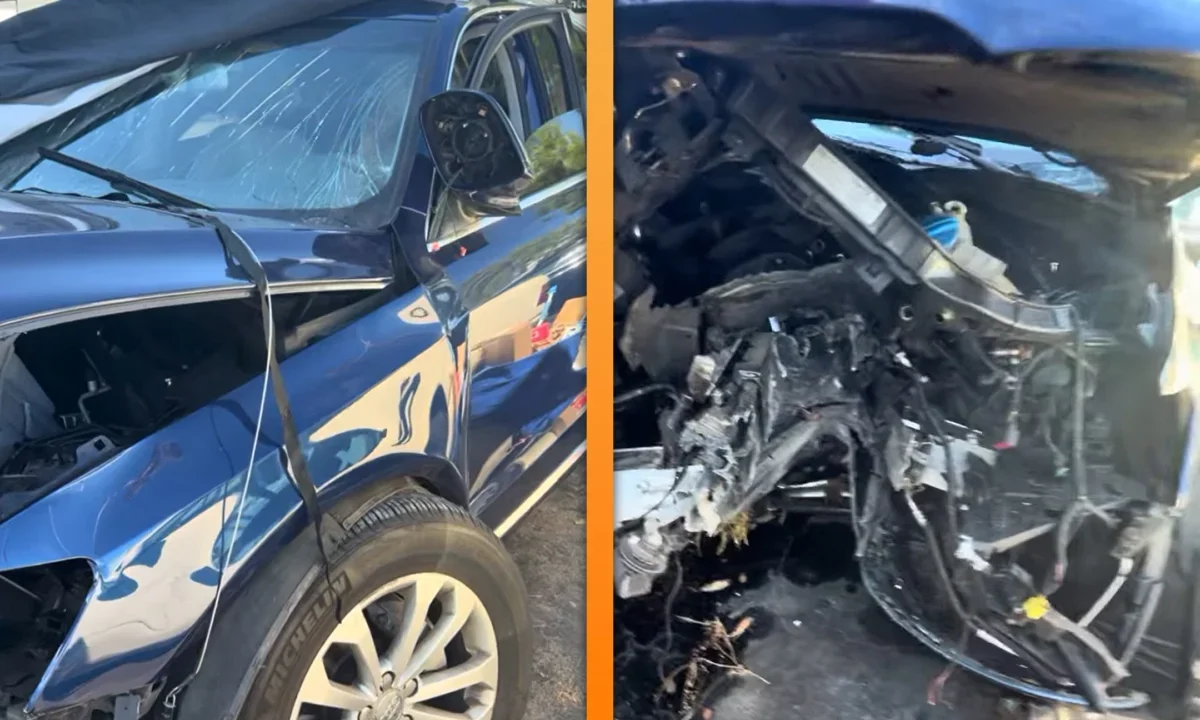
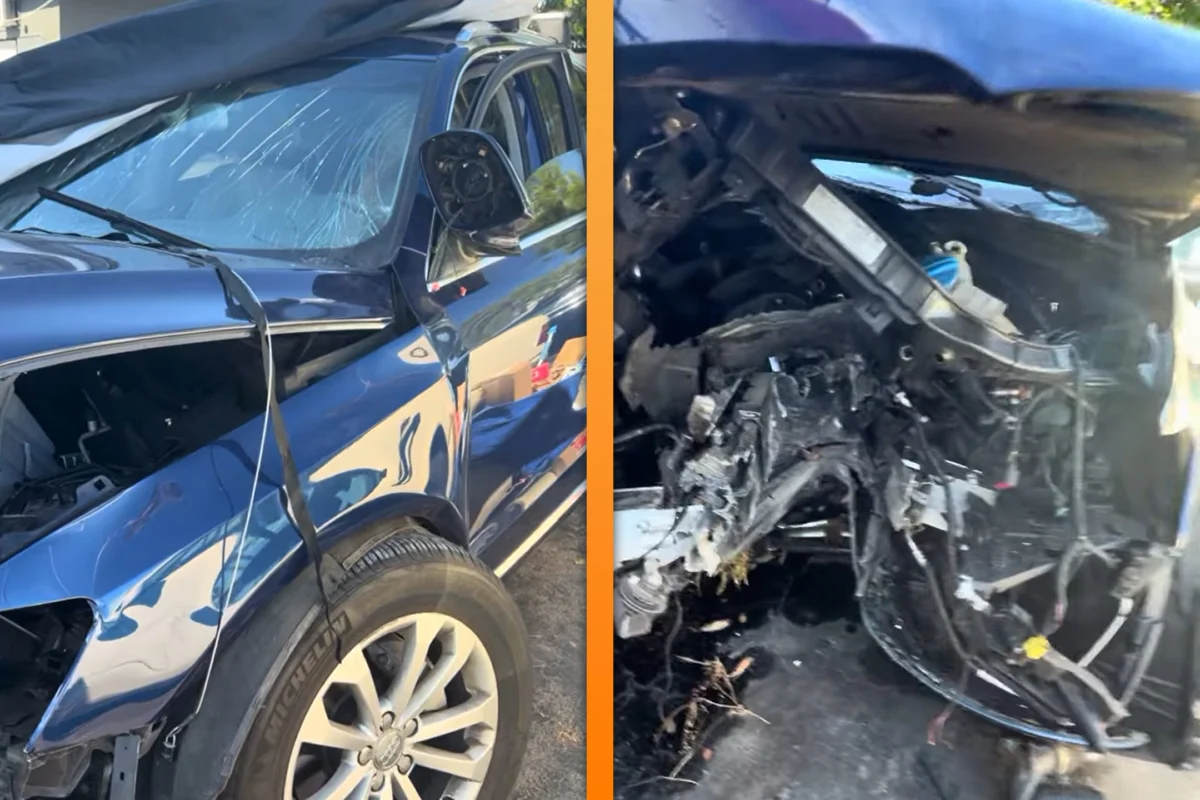
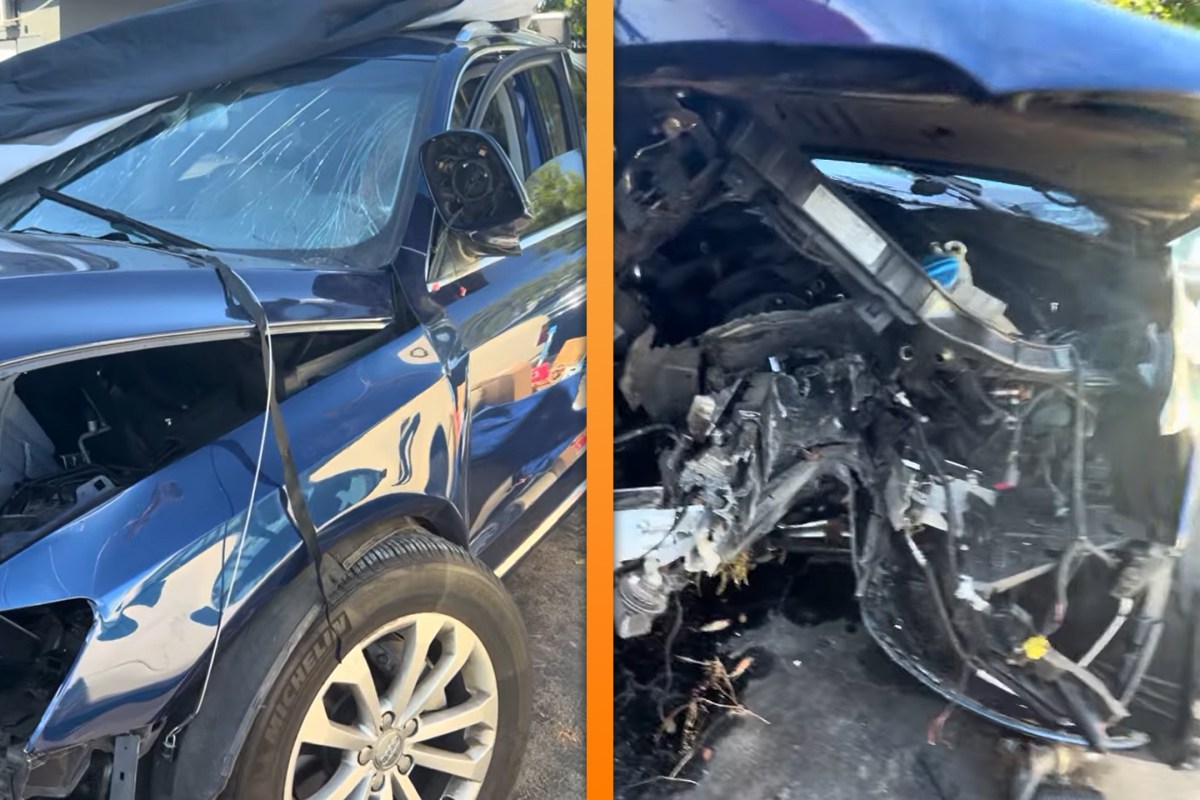
Crucially, the accident did not occur on a test route near the garage. The vehicle was located nine miles away from the service center. When pressed for an explanation, the shop allegedly admitted that a mechanic had taken the vehicle home, a practice that falls well outside the scope of "service-related testing." Upon having the vehicle towed back to the shop, the extent of the carnage was revealed. The front bumper was completely sheared off, exposing the engine bay all the way to the firewall; the hood had been buckled and forced upward in the impact, and the windshield was shattered. The vehicle, for all intents and purposes, was a total loss.
The Legal Gray Area: When "Service" Becomes Theft
Perhaps the most distressing aspect of Good’s experience is the response—or lack thereof—from the Los Angeles Police Department. When Good sought to file a report, she was reportedly told that the incident might not constitute a criminal matter. The rationale provided by authorities was that because Good had voluntarily handed over the keys to the shop for service, the subsequent unauthorized use of the vehicle by an employee did not necessarily meet the threshold for grand theft auto.
This interpretation of the law has sent shockwaves through the automotive community and legal circles alike. If a vehicle owner entrusts a shop with their property for a specific purpose—maintenance—does that consent extend to an employee using that property for personal errands, commuting, or high-speed "joyriding"?
The Definition of Scope
In the automotive repair industry, "test drives" are a standard and necessary component of vehicle service. A technician may need to drive a car for a few miles to verify that a repair has been successful or to diagnose a specific noise or vibration. However, the legal consensus generally dictates that this privilege is limited. A test drive must be:
- Necessary: Directly related to the service being performed.
- Proportional: Conducted over a reasonable distance and time.
- Professional: Adhering to all traffic laws and safety standards.
When a mechanic takes a customer’s vehicle nine miles away from the shop to their private residence, the "service" justification effectively evaporates. By using the vehicle for personal transportation, the employee is arguably converting the property to their own use, which, under many jurisdictions, satisfies the mens rea (guilty mind) required for theft or conversion.
Precedent: The Tennessee Case
Alicia Good is not alone in this frustration, and there is a growing body of legal precedent that suggests the "it was just a test drive" defense is becoming increasingly untenable in court.
Earlier this year, a landmark ruling in Tennessee provided a roadmap for victims of such negligence. In that case, a woman discovered that her Mercedes-Benz C300 had been taken on a joyride by a dealership employee. The owner, suspecting something was amiss, used vehicle tracking technology to locate her car in the parking lot of a local bar. Upon confronting the situation, she discovered the employee had been operating the vehicle while intoxicated.
When the dealership’s legal team attempted to characterize the incident as an "extended test drive" to avoid liability, the presiding judge rejected the argument entirely. The court ruled in favor of the plaintiff, awarding her over $20,000 in damages. Furthermore, the mechanic faced criminal charges for the unauthorized use and theft of the vehicle. This ruling serves as a vital reminder that the "keys-in-hand" defense is not a "get-out-of-jail-free" card for automotive shops.
The Industry Perspective and Official Responses
When approached by Fox 11 Los Angeles for comment, AE German Car Service maintained a stony silence. The shop representatives refused to offer an explanation for the mechanic’s actions, stating only that the matter was being handled by their insurance company.
This corporate-style avoidance is common in the industry but serves to alienate the consumer further. By shifting the focus to insurance, the shop attempts to frame the incident as a "civil matter"—a simple accident—rather than addressing the breach of trust and the potential criminal misconduct of their employee.
From an industry standards perspective, shops have a fiduciary duty to protect customer assets. Most reputable garages maintain "Garage Keepers Liability" insurance specifically to cover damages that occur while a vehicle is in their care. However, this coverage generally applies to accidents that occur during the scope of employment. If an employee is acting outside that scope, the shop’s liability becomes significantly more complex, often leaving the customer in a state of limbo between the shop’s insurance, the employee’s personal conduct, and the local authorities’ reluctance to prosecute.
Implications for Vehicle Owners
The plight of Alicia Good serves as a cautionary tale for all drivers. While we rely on mechanics to keep our vehicles safe, we must also remain vigilant about our rights as property owners.
Protecting Yourself Before You Drop Off the Keys:
- Document Mileage: Note the exact mileage on your odometer before leaving the car at the shop. Take a photo of the dashboard.
- Clarify the Scope: Ask the service advisor specifically if a test drive will be required and what the nature of that test will be.
- Use Vehicle Tracking: Modern vehicles often come with GPS tracking (e.g., Audi Connect, OnStar). Ensure these services are active.
- Ask for Documentation: Ensure that the service order explicitly states the work to be performed. If a test drive is needed, it should be documented as part of the technician’s diagnostic workflow.
If you find yourself in a situation where your car has been returned in a damaged state, do not be deterred by a shop’s attempt to dismiss the incident as an "accident." If there is evidence that the vehicle was driven for personal reasons, you have the right to demand a police report, regardless of whether the initial interaction was consensual.
The Road Ahead
As for Alicia Good, the path forward remains uncertain. While her vehicle is likely a total loss, the emotional toll and the logistical nightmare of dealing with insurance adjusters, a non-responsive shop, and a passive police department continue to mount.
The incident highlights a critical gap in consumer protection: the lack of clear, consistent protocols for handling "unauthorized use" of customer vehicles. When the law fails to distinguish between a technician performing a necessary road test and an employee taking a joyride at the expense of a customer’s property, it undermines the very foundation of the automotive service industry.
Whether or not the authorities eventually reclassify this as a criminal matter remains to be seen. However, the court of public opinion has already made its verdict clear: trust is the currency of the automotive industry, and when that trust is burned—much like the front end of that Audi Q5—the consequences for the shop should be as severe as the damage inflicted upon the customer.
For now, Good’s story serves as a stark reminder: when you leave your keys, you aren’t just leaving a machine; you are leaving a piece of your livelihood. And in an industry that occasionally forgets that, it is up to the consumer to hold them to account, one legal battle at a time.
