



In the fast-evolving landscape of global aviation, few success stories are as compelling as that of IndiGo. For nearly two decades, the Indian carrier has served as the archetype of the low-cost carrier (LCC) model, leveraging relentless operational efficiency, a standardized fleet, and razor-thin pricing to capture a staggering market share in one of the world’s most price-sensitive regions.
However, as the airline faces shifting macroeconomic headwinds—characterized by volatile fuel prices and rising operational complexities—a strategic pivot is underway. Under the guidance of newly appointed leadership, IndiGo is embarking on a delicate balancing act: maintaining the lean, cost-efficient DNA that made it India’s largest airline while aggressively pursuing higher yields through premiumization, ancillary services, and a revitalized loyalty ecosystem.
The Strategic Pivot: Beyond the Budget Model
The core of the current discourse surrounding IndiGo centers on how a legacy low-cost powerhouse adapts to a maturing market. During a recent earnings call, the airline’s leadership emphasized that while the fundamental structure of the business—defined by single-aisle aircraft and a focus on volume—will remain sacrosanct, the revenue generation engine requires an overhaul.
The primary objective is to increase the revenue earned per passenger. In the past, IndiGo’s model was built on "filling seats at any cost." Moving forward, the strategy is shifting toward "filling seats with higher-value passengers." This transition involves three distinct pillars:
- Premiumization: The introduction of premium cabin options on key domestic and international routes to capture the growing segment of business travelers who demand comfort but are not yet willing to switch to full-service carriers.
- Ancillary Revenue: Expanding the ecosystem of paid extras, ranging from priority boarding and seat selection to bespoke food and beverage offerings, effectively turning the flight experience into a modular service.
- Loyalty Integration: The long-term development of a robust loyalty program designed to lock in frequent flyers, a move that is expected to provide deeper data insights and increased lifetime value per customer.
A Chronology of Change: From Start-up to Strategic Evolution
To understand the weight of this shift, one must look at the timeline of IndiGo’s meteoric rise and the internal transitions that have brought it to this inflection point.
- 2006: IndiGo begins operations with a single aircraft. Its strategy is simple: operate a uniform fleet, maintain high aircraft utilization, and keep overheads at the absolute minimum.
- 2012: IndiGo overtakes legacy carriers to become the largest airline in India by market share, a position it has held steadfastly for over a decade.
- 2022: The departure of long-standing CEO Ronojoy Dutta marks a turning point. Pieter Elbers, the former CEO of KLM, takes the helm, bringing a global perspective on international expansion and premium service integration.
- 2024: Following the subsequent leadership transitions and the exit of key executives, the airline’s co-founder, Rahul Bhatia, reaffirms the carrier’s commitment to the low-cost core. However, he acknowledges that the "IndiGo 2.0" strategy must involve structural changes to combat rising input costs.
- Late 2024: The company announces its latest quarterly results, revealing a complex financial picture where revenue growth is being systematically outpaced by the rising costs of fuel and maintenance.
Supporting Data: The Financial Imperative
The urgency of this strategic pivot is grounded in hard, cold numbers. In the September quarter, IndiGo reported a revenue increase of 26%—a testament to the strength of Indian air travel demand. However, this growth was eclipsed by a 67% surge in fuel costs.
The airline reported a net loss of approximately INR 18.8 billion ($197 million). While this represents a narrowing of losses compared to the INR 25.8 billion ($271 million) loss recorded in the same period a year prior, it highlights the vulnerability of a pure-play LCC model in an era of global supply chain disruptions and volatile commodity prices.
Furthermore, the airline is grappling with the "maintenance of capacity" issue. With a significant portion of its fleet grounded due to Pratt & Whitney engine issues, the airline is forced to lease additional capacity at higher rates. This "cost-of-operation" inflation means that simply selling more tickets is no longer sufficient to ensure profitability. The math dictates that the margin per seat must increase.
Official Responses and Internal Vision
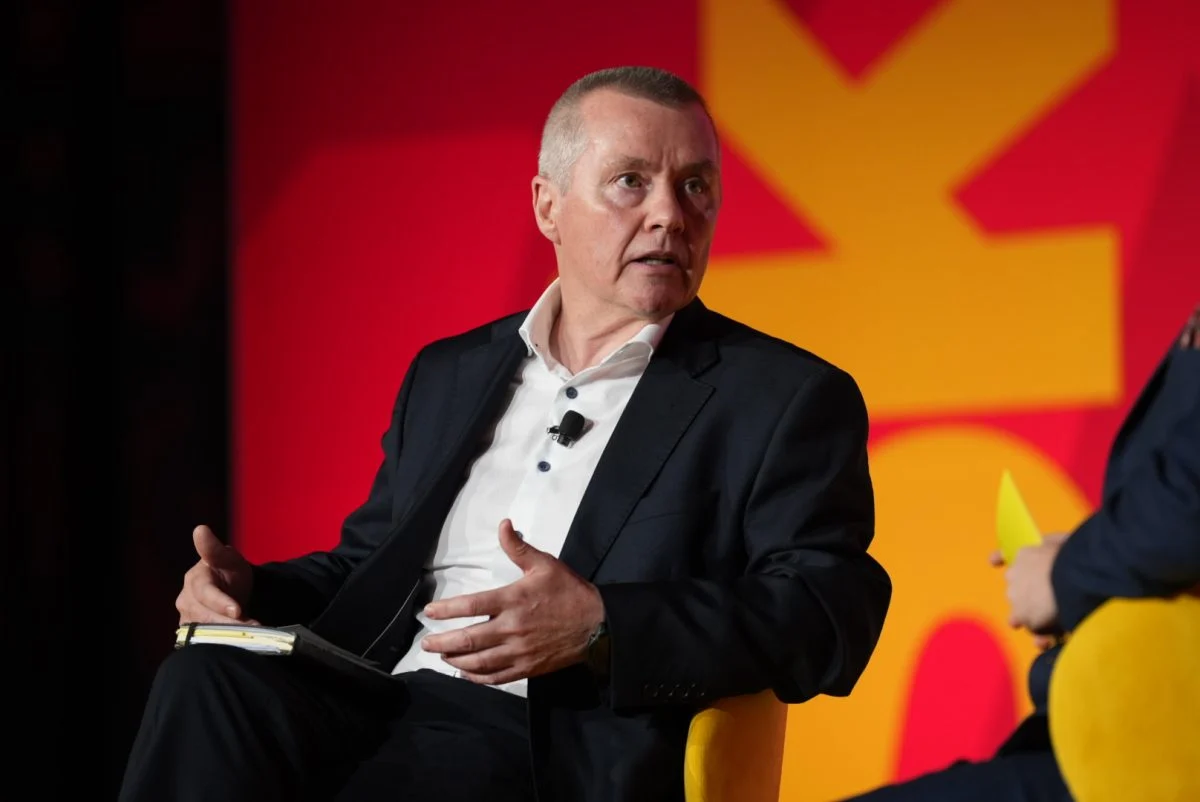
During the Skift Aviation Forum, the discourse was clear: the market is changing, and the airline must change with it. Industry leaders, including IATA Director General Willie Walsh, have noted that the "low-cost" label is increasingly becoming a misnomer for airlines that have effectively transitioned into high-yield, service-oriented entities.
Rahul Bhatia’s stance remains the guiding light for the organization. By stating that the "low-cost, single-aisle core will remain untouched," he is signaling to investors that the airline will not fall into the trap of "scope creep." The airline will not acquire wide-body aircraft to compete on ultra-long-haul routes, nor will it dilute its brand with overly complex service tiers. Instead, the premiumization will happen within the existing infrastructure.
"There is scope for growth in those three segments—premium, ancillary revenues per passenger and in the longer-term loyalty," leadership noted during the earnings call. This is not a deviation from the model; it is a maturation of the model.
Implications: The Road Ahead for the Indian Aviation Market
The implications of IndiGo’s strategy are profound, not just for the airline, but for the entire Indian aviation ecosystem.
Impact on Competition
By introducing premium features, IndiGo is effectively encroaching on the territory of full-service carriers like Air India. If a passenger can get a "premium-lite" experience on an IndiGo flight at a lower price point than a full-service legacy carrier, the value proposition of the latter is severely undermined.
The Consumer Experience
For the average Indian traveler, this shift signals the end of the "one-size-fits-all" era. Passengers will likely see a more tiered pricing structure. While the base fares may remain competitive, the "all-in" cost of flying will likely rise as travelers opt into the new suite of ancillary services.
Investor Sentiment
The stock market has responded with cautious optimism. Investors are eager to see if the airline can maintain its cost discipline while successfully executing a high-margin strategy. The ability to successfully implement a loyalty program will be the true litmus test; if IndiGo can turn its massive passenger database into a high-engagement loyalty platform, it could transform from a transport utility into a consumer-tech giant.
Conclusion: Balancing Efficiency and Innovation
IndiGo stands at a crossroads. The airline has mastered the art of low-cost operations, but the challenges of the current decade—fuel price volatility, supply chain constraints, and an increasingly sophisticated consumer base—require a more nuanced approach.
The transition to a model that emphasizes premiumization and loyalty is not an abandonment of the company’s roots; it is an evolution. By sweating its assets more effectively and extracting higher value from every seat sold, IndiGo is positioning itself to not only survive the current economic turbulence but to define the next era of aviation in the Global South. The challenge, as always, will be in the execution—ensuring that in its quest for higher yields, the airline does not lose the operational efficiency that has made it a household name. As it navigates this transition, the entire aviation industry will be watching closely, as IndiGo’s success could provide the blueprint for the next generation of low-cost carriers worldwide.
