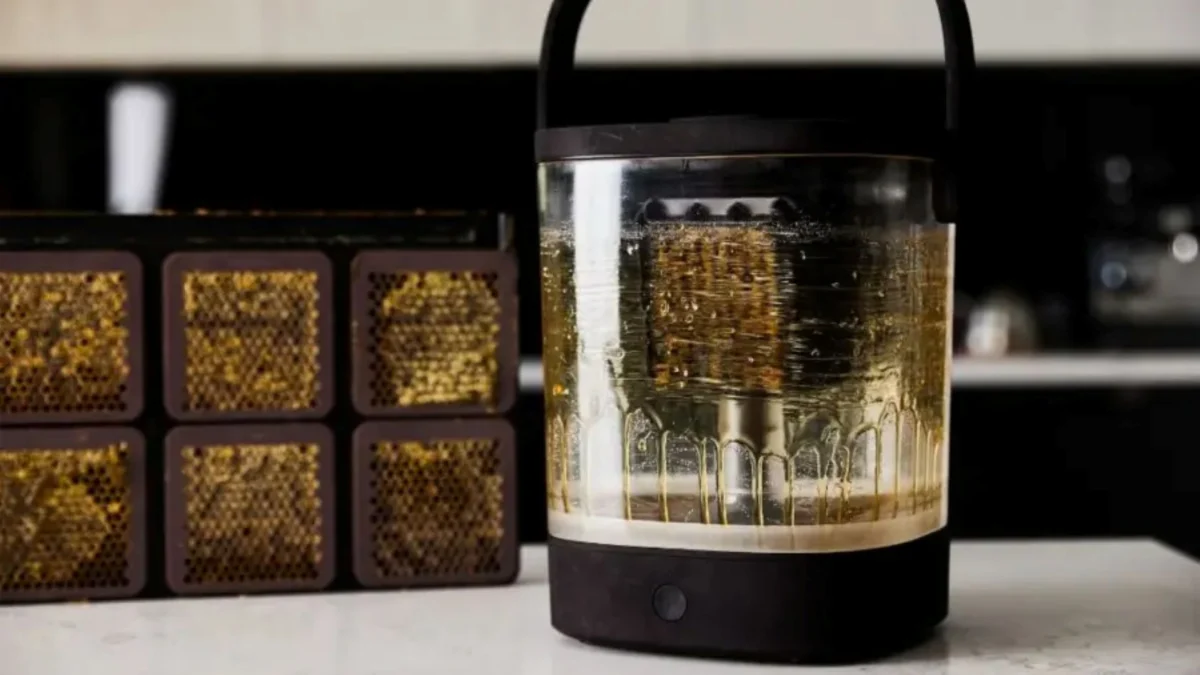





In the high-stakes world of global innovation, where multi-billion-dollar corporations often dominate the headlines, a modest Victorian startup has managed to capture the attention of the world’s most prestigious cultural barometer. HiveKeepers, an Australian-based agricultural technology company, has been officially named in TIME Magazine’s “Best Inventions of 2026” list. Their flagship product, the Micro Honey Harvester, is now counted among the most transformative developments of the year, rubbing shoulders with industry-defining breakthroughs from tech titans like Apple, Anthropic, and Fujifilm.
This recognition marks a significant milestone for the Australian startup ecosystem, proving that niche, sustainable, and consumer-centric hardware still holds massive potential for global disruption.
The Core Innovation: Redefining the Beekeeping Experience
The HiveKeepers Micro Honey Harvester represents a fundamental shift in how hobbyist and small-scale beekeepers interact with their hives. For centuries, the process of harvesting honey has been labor-intensive, often requiring heavy lifting, specialized centrifuges, and a significant amount of post-harvest cleanup that can be daunting for the casual enthusiast.
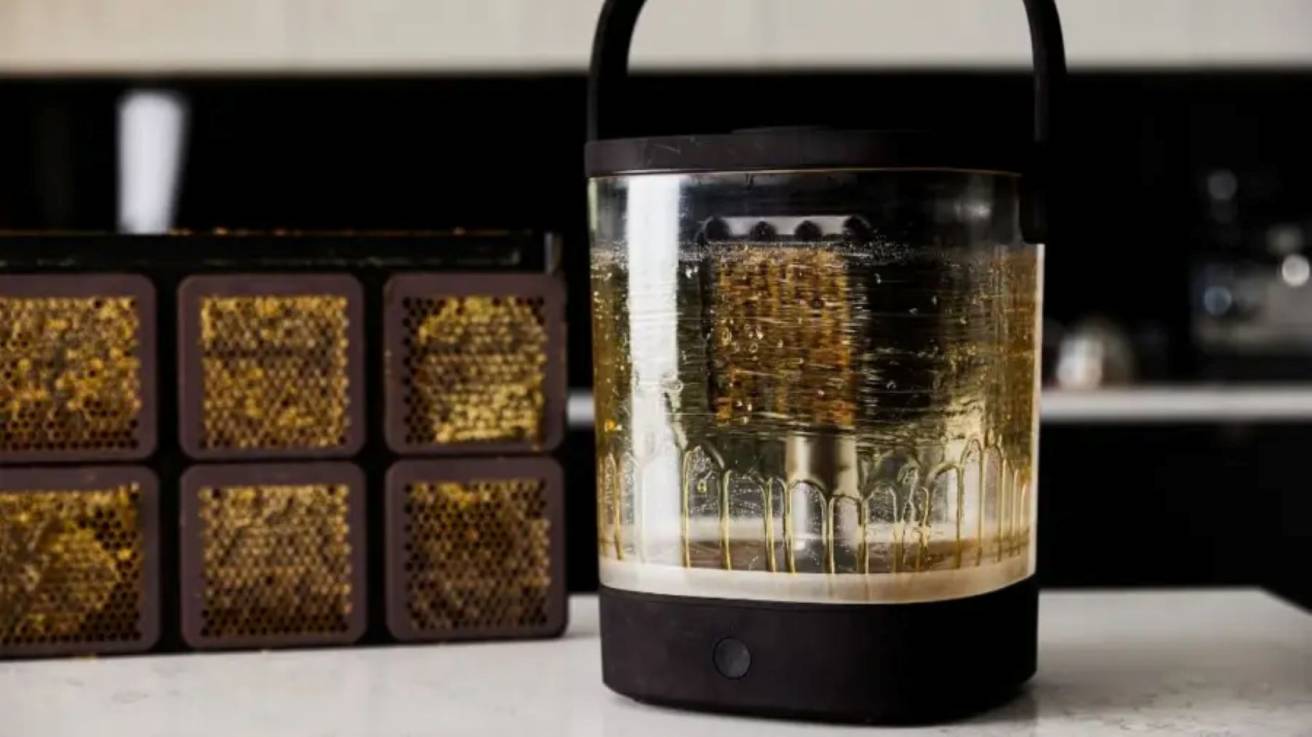
The Micro Honey Harvester replaces the traditional, cumbersome single-frame system with an elegant, modular alternative: small plastic cassettes. When the bees have finished their work, the beekeeper can simply remove these individual cassettes. This design eliminates the need for expensive extraction machinery and dramatically reduces the physical burden on the user. By streamlining the "farm-to-table" process, HiveKeepers has effectively lowered the barrier to entry for urban and backyard beekeepers, allowing for a cleaner, faster, and more accessible honey harvest.
Chronology: From Concept to Global Recognition
The journey to TIME’s prestigious list did not happen overnight. It is the result of years of iterative design, community testing, and a deep commitment to the "bee-first" philosophy.
- 2023: The Incubation Phase. The founding team at HiveKeepers identified a clear gap in the market. While large-scale commercial operations had access to automated machinery, the backyard beekeeping community was still relying on Victorian-era techniques that had barely evolved in a century.
- 2024: Prototyping and Local Trials. The startup began extensive testing across Victoria, working closely with local apiarists to ensure that the cassette system did not interfere with bee health or hive structural integrity. The focus was on "low-stress" interaction, ensuring that the harvesting process remained non-invasive.
- 2025: Market Launch and Early Adoption. Following a successful beta period, HiveKeepers rolled out its system to early adopters. The reception was overwhelmingly positive, with users praising the modularity of the design.
- October 2026: The Global Stage. TIME Magazine announces its 2026 Best Inventions list. HiveKeepers is selected as one of only 13 breakthroughs in the "Food & Drink" category, cementing its status as a global leader in apiculture technology.
Supporting Data: Why the Micro Harvester Matters
The success of the HiveKeepers system is not merely anecdotal; it aligns with broader trends in sustainable living and urban agriculture. Data from the 2026 industry review shows that the appetite for "home-grown" food production has surged by 15% year-over-year. However, the dropout rate for new beekeepers remains high, primarily due to the physical difficulty of the harvest.
Market Impact Metrics:
- Efficiency Gains: Users report a 60% reduction in time spent on the harvesting process compared to traditional methods.
- Physical Strain: The transition to the cassette system has removed the requirement to lift heavy, full-sized frames, making the hobby more inclusive for aging demographics and those with physical limitations.
- Hygiene Standards: Because the honey is captured directly into sealed, food-grade cassettes, the exposure to contaminants—a common issue in traditional, open-air extraction—is virtually eliminated.
These metrics highlight why TIME selected the device. It isn’t just a "better tool"; it is an enabler of a sustainable practice that has historically been too difficult for the average person to maintain.
Official Responses and Industry Sentiment
The announcement has sent shockwaves through the Australian startup community, serving as a reminder that regional innovators are capable of competing on the world stage.
"Being recognized by TIME is a validation of our core belief that the most complex problems often require the simplest solutions," said a spokesperson for HiveKeepers following the announcement. "Our mission was never to replace the honeybee, but to help the beekeeper support the bee with less friction. To see our design listed alongside companies that are changing the face of AI and medicine is an honor that belongs to our entire engineering and design team."
Industry analysts have been equally enthusiastic. Dr. Aris Thorne, a specialist in agricultural robotics, noted, "HiveKeepers has done something rare—they’ve successfully applied ‘product-led growth’ to a legacy agricultural sector. By focusing on the user experience of the hobbyist, they have built a moat around their brand that is difficult for mass-market competitors to replicate."
Implications: The Future of Urban Apiculture
The implications of this recognition extend far beyond the success of a single startup. As biodiversity concerns continue to dominate environmental discourse, the role of the humble backyard beekeeper has never been more critical. By making it easier for individuals to maintain healthy hives, HiveKeepers is indirectly contributing to the health of local ecosystems.
1. Scaling Sustainability
The accessibility of the Micro Honey Harvester could lead to a proliferation of backyard hives in urban environments. If more citizens can effectively manage bees without the "heavy lifting" of the past, we may see a measurable increase in urban pollination, which is vital for community gardens and local flora.
2. Setting a New Standard for Ag-Tech
HiveKeepers is now setting a new gold standard for agricultural design. Future startups in the space will likely look to the "cassette-based" modularity pioneered by this Victorian team as a blueprint. The focus is shifting from "how much can we produce" to "how efficiently and humanely can we interact with the process."
3. Strengthening the Victorian Tech Corridor
Victoria has long been an underdog in the Australian tech scene compared to Sydney’s financial focus. However, the success of HiveKeepers highlights the strength of the state’s hardware and manufacturing sector. This achievement will likely attract further investment, potentially creating a "hub-and-spoke" effect that encourages more ag-tech innovation in the region.
Conclusion: A Small Device with a Big Buzz
As we look toward the remainder of 2026, the HiveKeepers Micro Honey Harvester serves as a potent reminder that innovation is not always about digital disruption. Sometimes, it is about taking a task that has been performed the same way for generations and asking, "How can we do this better?"
By simplifying the honey harvesting process, HiveKeepers has not only earned a spot on TIME Magazine’s list but has also secured its place as a crucial player in the global movement toward sustainable, personal-scale food production. For the hobbyist in their backyard, the device offers a seamless connection to nature. For the tech industry, it serves as a masterclass in how to combine traditional knowledge with modern, thoughtful engineering.
As the company looks toward its next phase of growth, the question remains: what other legacy processes are ripe for this kind of "golden" disruption? If the Micro Honey Harvester is any indication, the future of innovation is looking increasingly sweet.
