



Main Facts: A Leadership Transition at a Critical Juncture
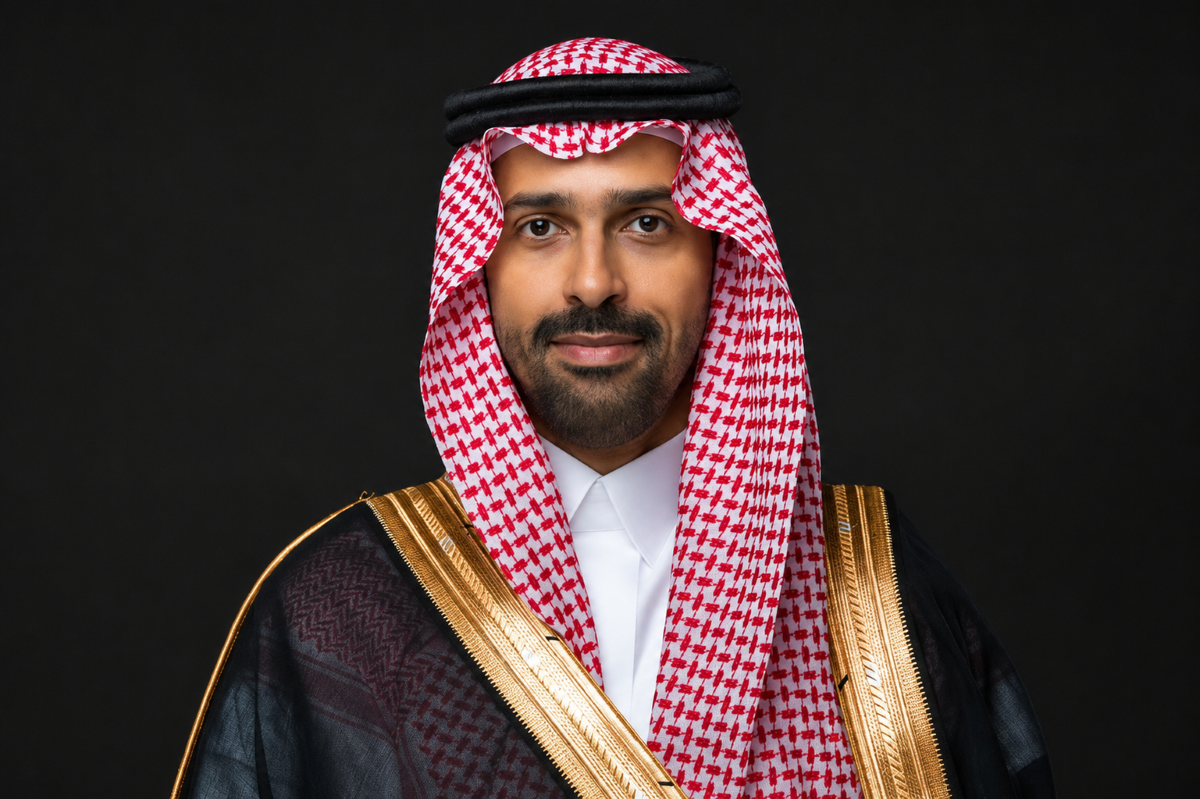
The Saudi Tourism Authority (STA) has officially announced the appointment of Ageel Alshaibani as its new Chief Executive Officer. The appointment, confirmed via a corporate announcement on LinkedIn this past Tuesday, marks the beginning of a significant transition period for the Kingdom’s tourism sector. Alshaibani steps into the role following the departure of Fahd Hamidaddin, who vacated the position in May after a foundational seven-year tenure that saw the Saudi tourism brand move from an experimental concept to a global focal point.
Alshaibani arrives with a robust pedigree in policy and strategy. Having previously served as the Saudi Deputy Minister of Tourism for Strategic Planning and Monitoring, he was instrumental in the architecture of the National Tourism Strategy. His resume includes high-level stints at global consultancy McKinsey & Company and the Mohammed bin Salman Foundation (Misk). Furthermore, his deep familiarity with the Saudi ecosystem is evidenced by his extensive board-level experience, having served on the boards of the STA, the Saudi Red Sea Authority, the Jeddah Airports Company, and the General Entertainment Authority.
This appointment comes at a moment of profound transformation. While Saudi Arabia has successfully opened its borders to international leisure travel, the logistical and financial framework underpinning its ambitious goals is currently undergoing a rigorous, reality-driven assessment.
Chronology: The Evolution of Saudi Tourism
The path to Alshaibani’s appointment is paved with a decade of aggressive policy shifts and rapid growth.
- 2016: Crown Prince Mohammed bin Salman unveils "Vision 2030," a comprehensive blueprint to diversify the Saudi economy away from oil dependency, with tourism identified as a primary pillar.
- 2019: The Kingdom launches its e-visa program, effectively opening its doors to international tourists for the first time in history.
- 2020: The Saudi Tourism Authority is established to promote the Kingdom globally, with Fahd Hamidaddin leading the organization through the pandemic and the subsequent post-COVID recovery.
- 2023: Saudi Arabia records a historic surge in tourist numbers, with the Ministry of Tourism announcing that the country reached its 100-million-visitor target seven years ahead of schedule (though this figure includes domestic and religious tourism).
- May 2024: Fahd Hamidaddin steps down as CEO, leaving the organization at a crossroads between aggressive expansion and budgetary scrutiny.
- October 2024: Ageel Alshaibani is appointed as the new CEO, tasked with steering the authority through a period of fiscal adjustment.
Supporting Data: The 150-Million-Visitor Mandate
The core challenge facing Alshaibani is the mandate to reach 150 million visitors by 2030. While the Kingdom previously claimed to have hit a 100-million-visitor milestone, analysts suggest that this figure is heavily weighted by domestic travel and religious pilgrimage (Umrah and Hajj). The true test for the new CEO will be the conversion of international leisure interest into high-spending, long-stay tourism.
According to data from the Saudi Ministry of Tourism and the Public Investment Fund (PIF), the tourism sector is expected to contribute 10% of the nation’s GDP by 2030. However, the economic volatility of the past year has introduced new variables:
- Investment Cooling: The PIF, which serves as the primary engine for "giga-projects" such as NEOM, the Red Sea Project, and Qiddiya, has signaled a strategic "rationalization." This involves delaying certain project timelines to ensure fiscal sustainability.
- Infrastructure Gaps: While the giga-projects are iconic, they are capital-intensive. The focus is now shifting toward sustaining the secondary infrastructure—hotels, airports, and human capital—required to host the volume of tourists envisioned in the 2030 roadmap.
- Market Competition: As the Kingdom scales up, it faces fierce competition from neighboring hubs like Dubai and Qatar, which have decades of experience in the luxury and MICE (Meetings, Incentives, Conferences, and Exhibitions) sectors.
Official Responses and Strategic Directives
Saudi Tourism Minister Ahmed Al Khateeb, who oversees the strategic direction of the authority, took to LinkedIn to welcome Alshaibani. In his remarks, Al Khateeb emphasized that Alshaibani’s mandate is not merely one of growth, but of "optimization and delivery."
"Ageel’s deep understanding of our strategic planning frameworks makes him the ideal leader to drive the next phase of our growth," Al Khateeb stated. "We are moving from a phase of ideation and infrastructure launch to a phase of sustained operational excellence and market penetration."
While the Minister’s tone is optimistic, industry insiders note that the silence regarding the budget cuts for giga-projects suggests a delicate balancing act. Alshaibani is expected to focus heavily on "quality over quantity," shifting the STA’s efforts toward attracting high-net-worth individuals and diversifying the tourism product beyond major urban centers.
Implications: A New Era of "Rationalized Growth"
The appointment of Alshaibani signals a pivot in Saudi Arabia’s approach to tourism. The era of "unlimited expansion" is being replaced by an era of "targeted efficiency."
The Challenge of the Giga-Projects
For years, the success of the tourism sector was inextricably linked to the rapid construction of massive, futuristic developments. With the PIF tightening the purse strings, the STA must now find ways to generate tourism demand for projects that may come online later than originally promised. Alshaibani’s background in strategic planning will be tested as he attempts to align the STA’s marketing campaigns with the revised delivery schedules of these infrastructure projects.
Human Capital Development
One of the most significant hurdles for the Saudi tourism sector is the shortage of skilled local talent. As the Kingdom moves toward a service-oriented economy, the reliance on expatriate labor remains high. Alshaibani, having worked closely with the Mohammed bin Salman Foundation, is well-positioned to integrate educational initiatives into the tourism strategy, ensuring that the next generation of Saudi youth is prepared to staff the luxury resorts and tourism offices currently under development.
Global Perception and Brand Positioning
The Kingdom continues to grapple with its international image. While its cultural reforms have been aggressive, the "brand" of Saudi Arabia as a tourist destination is still in its infancy. The STA must navigate complex geopolitical narratives while simultaneously trying to position the country as a modern, inclusive destination. Alshaibani will likely need to leverage his McKinsey background to apply data-driven branding strategies, moving away from generalized marketing toward hyper-targeted segments in Europe, East Asia, and the Americas.
Economic Sustainability
Ultimately, the success of Alshaibani’s tenure will be measured by the ROI of the tourism sector. The pressure to reduce the fiscal burden on the state is immense. If the STA can demonstrate that the sector is becoming self-sustaining—driven by private sector investment and high visitor spending—the government’s "rationalization" of the PIF will be viewed as a success. If the sector continues to rely heavily on state subsidies to maintain its growth trajectory, the 150-million-visitor goal may become a political liability rather than an economic triumph.
Conclusion: The Path Forward
Ageel Alshaibani inherits a massive, complex, and highly scrutinized machine. He enters the role at a moment where the initial excitement of Vision 2030 must give way to the hard work of operational sustainability. The goals remain unchanged—150 million visitors, 10% GDP contribution, and a transformed national identity—but the tools to achieve them are being recalibrated.
As Alshaibani settles into his office at the STA, the global tourism industry will be watching closely. His ability to bridge the gap between high-level ministerial strategy and on-the-ground execution will be the defining factor in whether Saudi Arabia successfully cements its place as a top-tier global travel destination or whether it must contend with the realities of an over-ambitious timeline. For now, the message from the leadership is clear: the vision remains, but the strategy is entering its most critical phase of maturity.
