




For decades, the design of our public infrastructure and emergency systems has operated under a singular, exclusionary premise: that the world is built for those who hear. For the Deaf and Hard-of-Hearing (DHH) community, navigating public spaces was once a precarious exercise, often requiring an intense reliance on environmental context, the observation of others’ body language, and, in high-stakes situations, a degree of intuition that no citizen should be forced to rely on for their physical safety.
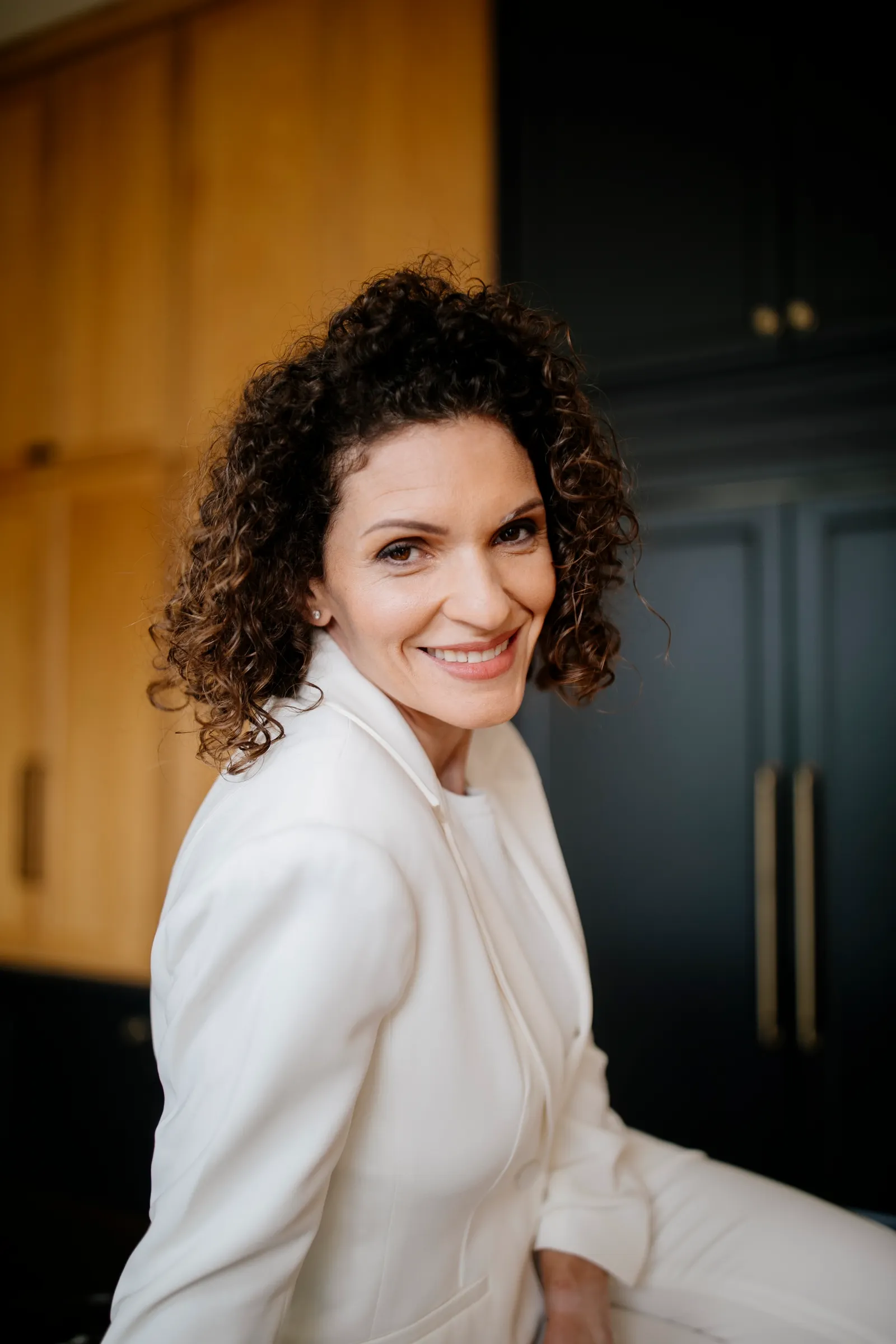
Jessica Aiello, founder and CEO of TCS Interpreting and a child of deaf adults (CODA), knows this reality intimately. As a native speaker of American Sign Language (ASL), Aiello has spent her life straddling the hearing and deaf worlds. Her advocacy, rooted in both professional expertise and personal history, challenges the long-standing status quo that views accessibility as a legal hurdle to be cleared rather than a fundamental pillar of civic design.
The Evolution of Emergency Access: From Sound to Sight
The history of accessibility in the United States is marked by a clear, albeit slow, trajectory toward inclusivity. Prior to 1990, fire alarms were almost exclusively auditory. If you could not hear the alarm, you were effectively left in the dark during an emergency, often waiting for physical cues from peers to realize that a building was being evacuated.
The turning point arrived with the passage of the Americans with Disabilities Act (ADA) in 1990. This landmark legislation mandated the integration of visual cues—such as flashing strobe lights—into emergency alarm systems. For the 37.5 million American adults who report some form of hearing difficulty, this was more than a technical upgrade; it was a life-saving standard.
However, as Aiello points out, the ADA provided a foundation, not a finished structure. "It’s been more than 35 years since the ADA," Aiello notes. "Lifesaving access can no longer be the end-all, be-all. If something as simple as a flashing light can offer life-saving cues to an entire community, what other forms of access are still missing?"
Chronology of Inclusivity: A Persistent Gap
To understand the current state of accessibility, one must look at the timeline of how information is disseminated during crises:
- Pre-1990: Accessibility for the DHH community was largely non-existent in building codes and emergency response planning.
- 1990: The ADA is enacted, mandating visual fire alarms and setting a precedent for universal design.
- 2013: A landmark study reveals the staggering consequences of the accessibility gap, noting that over 48 million DHH individuals in the U.S. face significantly higher risks of injury, death, and property loss due to information silos in emergency communications.
- 2020: The COVID-19 pandemic brings the crisis of communication to the forefront. As televised government briefings became the primary source of life-saving health information, the lack of ASL interpreters sparked national outrage and advocacy from organizations like the National Association of the Deaf (NAD), eventually forcing a shift in how officials communicate during public health crises.
- 2024 and Beyond: The focus is shifting from "retroactive accessibility"—fixing systems after they fail—to "proactive accessibility," where inclusivity is integrated into the earliest stages of urban planning and public policy.
Supporting Data: The High Cost of Exclusion
The argument for accessibility is often framed as a moral obligation, but the data suggests it is also a pragmatic economic and safety imperative. When information is distributed solely through auditory channels, the systemic failure to communicate with a significant portion of the population leads to:
- Increased Public Liability: Retrofitting systems after a crisis occurs is significantly more expensive than implementing inclusive designs from the outset.
- Resource Inefficiency: When the DHH community is not included in the planning phase of public services, public dollars are frequently wasted on ineffective or exclusionary communication strategies.
- Safety Disparities: Research consistently shows that in the absence of real-time captioning or ASL interpretation, the DHH community experiences higher rates of property loss and physical injury during natural disasters and public emergencies.
Reframing the Narrative: Ability vs. Communication
A central theme in Aiello’s advocacy is the fundamental misconception that hearing people often hold regarding the DHH community. Society frequently categorizes DHH individuals by their perceived "inability" to hear, effectively pathologizing a cultural and linguistic identity.
"The challenge is a communication problem, not an ability problem," Aiello explains. Much like a native speaker of Spanish, Mandarin, or French, the DHH community possesses a distinct culture, language, and set of lived experiences. When that community is excluded, society loses out on the contributions of millions of citizens who are perfectly capable of participating in civic life, provided they are granted equal access to the same information streams as their hearing counterparts.
The Path Forward: Four Pillars of Meaningful Accessibility
For local, state, and federal leaders, the transition from "compliance" to "meaningful accessibility" requires a shift in institutional mindset. Aiello proposes a framework for leaders to begin this integration:
1. Commitment Beyond the Legal Minimum
Accessibility should not be treated as a checklist item to avoid lawsuits. Leaders must allocate dedicated budgets and staffing—specifically, accessibility auditors—to ensure that every department, from public works to emergency services, includes DHH accessibility in their standard operating procedures.
2. Standardizing Primary Communication Tools
ASL interpretation and real-time, high-accuracy captioning must be considered standard utilities, not "special requests." If a meeting, press conference, or public event is held, it should be fully accessible as a default. "If the meeting is public, the information should be publicly accessible, too," says Aiello.
3. Embracing "Deaf Urbanism"
The concept of "Deaf Urbanism" suggests that cities should be designed to facilitate visual communication. This includes architectural choices—such as circular seating arrangements in parks, transparent barriers, and automatic doors—that allow for continuous communication. Beyond the built environment, it includes inclusive hiring practices that actively recruit and support DHH staff.
4. Direct Engagement and Partnership
"If you’ve spoken to one deaf person, you’ve spoken to one deaf person," Aiello reminds us. Diversity within the DHH community is vast. To bridge the gap, local governments should establish standing advisory groups or community liaisons. These entities can provide ongoing, actionable feedback on how policy changes will affect DHH constituents.
Implications for the Future of Governance
The implications of these changes are profound. When accessibility is treated as an afterthought, trust in government erodes. When a disaster strikes, the inability of a city to communicate with its DHH residents is a failure of leadership that carries life-or-death consequences.
Conversely, when accessibility is built into the foundation of public infrastructure, the benefits are universal. Clearer signage, more effective public announcements, and more inclusive hiring processes improve the quality of life for all residents, not just those who are deaf or hard-of-hearing.
As cities become more complex and the reliance on digital information grows, the cost of inaction will only rise. By moving beyond the minimum requirements of the ADA and embracing a design-first approach to accessibility, local leaders can create environments that are not only compliant but truly representative of the diverse communities they serve. The goal is a society where no resident is ever left waiting for a sign, and where every citizen is empowered to fully participate in the life of their city.
