





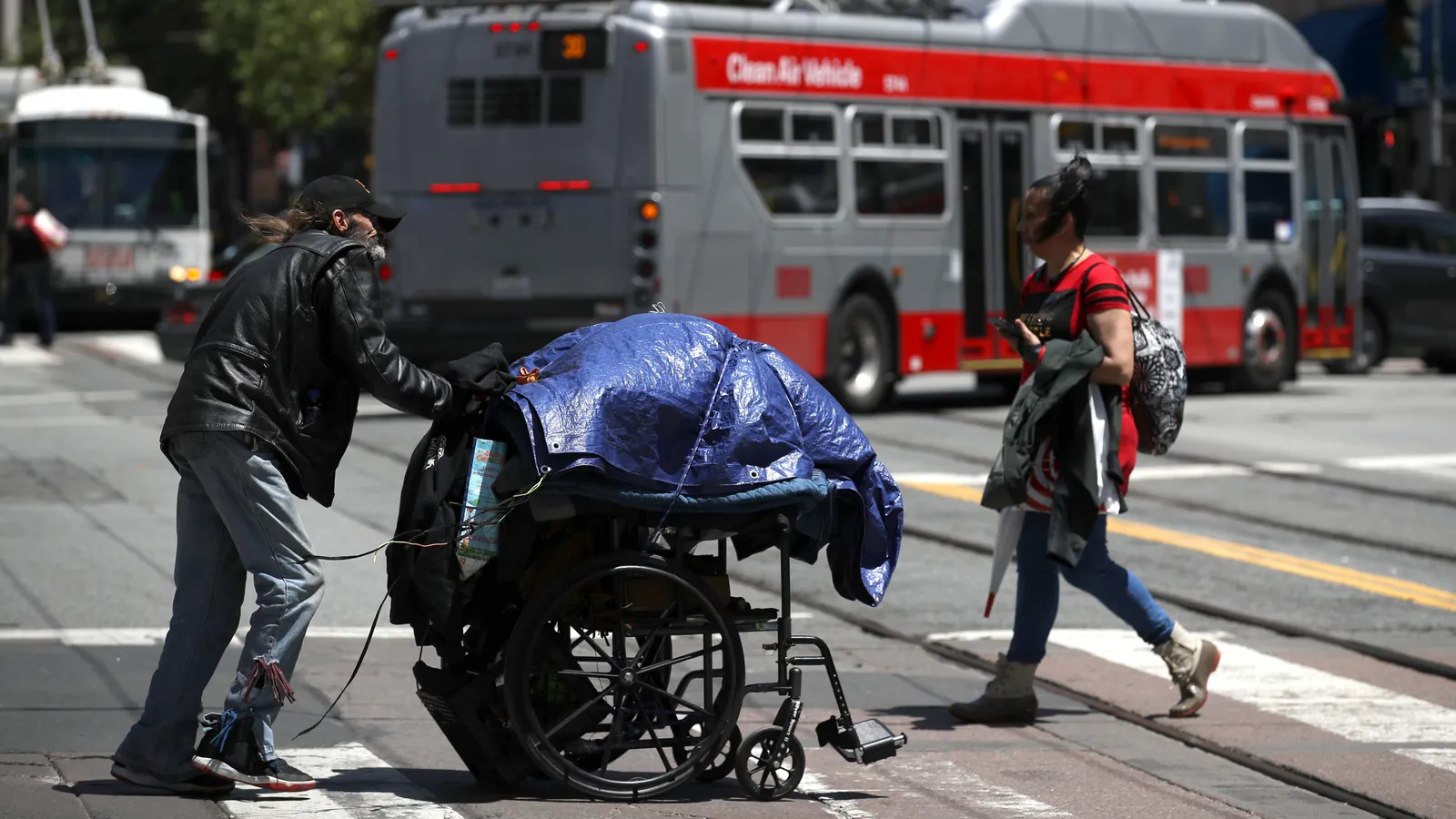
In a significant policy shift, the San Francisco Department of Homelessness and Supportive Housing (HSH) has announced a comprehensive restructuring of its service contracts. This move, framed as the cornerstone of Mayor Daniel Lurie’s "Breaking the Cycle" initiative, seeks to recalibrate how the city addresses one of its most persistent and visible challenges. By shifting the focus from funding inputs to measurable outcomes, city officials hope to reconcile a decade of ballooning budgets with stagnant results.
The Core Conflict: Budget Growth vs. Population Stability
The impetus for this administrative overhaul stems from a growing public and political consensus that current spending levels have failed to yield commensurate improvements in the city’s unhoused population.
Between 2019 and 2024, the budget for the Department of Homelessness and Supportive Housing surged from under $300 million to over $700 million. Despite this unprecedented infusion of capital—a more than 130% increase—the total number of unhoused individuals in San Francisco grew by approximately 3.5%. This statistical gap has become a lightning rod for criticism, fueling debates over fiscal responsibility, the efficacy of existing non-profit partnerships, and the systemic complexities of the homelessness crisis.
HSH Executive Director Mike Levine has characterized the new contracting framework as a “reset.” The goal is to move beyond the legacy structures that have governed the department for years, replacing them with a data-driven model that demands transparency and performance.
A Chronology of the Crisis and Response
The current situation is the culmination of years of escalating investments and incremental policy shifts. To understand the gravity of the new "Breaking the Cycle" initiative, one must look at the timeline of the city’s approach:
- 2016: The San Francisco Department of Homelessness and Supportive Housing (HSH) is formally established, centralizing various city programs under one roof to create a more cohesive response to homelessness.
- 2019–2020: As housing affordability reaches a crisis point, the city begins a series of aggressive budget increases, directing hundreds of millions of dollars into permanent supportive housing and emergency shelter expansion.
- 2020–2022: The COVID-19 pandemic complicates the landscape, necessitating emergency measures such as the "Shelter-in-Place" hotels. While these programs provided immediate safety, they also placed significant strain on the department’s administrative and financial resources.
- 2023: Following widespread public frustration regarding the efficacy of city spending, the Mayor’s office begins an internal audit of service providers and contract management.
- 2024: Mayor Daniel Lurie launches the "Breaking the Cycle" initiative, signaling a departure from previous administrative habits. The department announces the rollout of revised, outcome-based contracts, prioritizing accountability as the primary metric for future funding.
Supporting Data: The Fiscal Paradox
The dissonance between investment and outcome is best illustrated through the lens of municipal finance. Since 2019, the city has utilized a variety of revenue streams, including voter-approved tax measures, to fund the expansion of HSH.
Budgetary Trajectory
- 2019: <$300M (Baseline)
- 2021: ~$600M (Post-pandemic surge)
- 2024: >$700M (Current expenditure)
While the budget has more than doubled, the 3.5% rise in the homeless population—while arguably lower than it might have been without intervention—is viewed by taxpayers and policymakers as an unacceptable return on investment. The critical question for the HSH, as noted in their recent Medium post, is not merely how much is being spent, but how effectively that capital is moving individuals from the street into stable, long-term housing.
The data suggests that previous contracting models often prioritized "capacity"—the number of beds available—rather than "exits"—the number of individuals who successfully transitioned out of the system and remained housed.
Official Responses and Strategic Vision
The leadership at HSH is emphasizing a collaborative approach to this "reset," acknowledging that the previous system of contracting lacked the agility needed to respond to a dynamic crisis.
The Perspective of HSH Leadership
Mike Levine, the Executive Director of HSH, has been clear that the agency’s role is evolving. "We will build contracts with a clear purpose, stronger measures of success, and the resources and flexibility providers need to do their best work to move our clients out of homelessness," Levine stated in a recent press release. The administration is pushing for a departure from the "one-size-fits-all" approach, aiming to customize support based on the specific needs of the population being served, whether that involves mental health support, substance abuse recovery, or employment assistance.
Legislative Oversight
District 2 Supervisor Stephen Sherrill, reflecting on the necessity of these changes, emphasized the need for patience balanced with rigor. "Putting a dent in the homelessness crisis requires constant tweaking," Sherrill noted. "I don’t think anyone expects radical change overnight, but these new contracts will increase accountability for both the city and non-profits."
This sentiment highlights a critical shift in the relationship between the city and its network of non-profit providers. Historically, non-profits have operated under long-term agreements that were rarely subjected to rigorous performance reviews. Under the new directive, these entities will face more stringent oversight, requiring them to justify their operational costs against tangible outcomes like housing retention rates and successful exits from the shelter system.
Implications: What "Breaking the Cycle" Means for San Francisco
The transition to a performance-based contracting model carries significant implications for the city’s social services ecosystem.
1. Increased Accountability for Non-Profits
Non-profits that receive city funding will no longer be evaluated solely on their ability to deliver services, but on their effectiveness in achieving predefined goals. For many providers, this may require significant upgrades to their data management and reporting capabilities. While some may struggle with the increased administrative burden, the city argues that this is a necessary step to ensure that public funds are not being squandered on ineffective programming.
2. A Shift in Service Focus
The new process aims to reorient each program toward measurable results. This could lead to the consolidation of services. If a particular intervention is consistently shown to have poor outcomes, the city will likely move to reallocate that funding to programs with higher success rates. This "survival of the fittest" approach to public funding is designed to optimize the impact of every dollar spent.
3. Addressing the "At-Risk" Population
A significant portion of the new mandate focuses on preventative measures. By ensuring that services are directed toward residents who are at risk of homelessness—not just those already on the street—the city hopes to "break the cycle" before it begins. This upstream approach is often more cost-effective and socially beneficial, as it prevents the trauma and expense associated with long-term homelessness.
4. Political Repercussions
The success of this initiative is inextricably linked to the political capital of Mayor Lurie. If the data shows a downward trend in homelessness over the next few years, the administration will be viewed as having successfully corrected a systemic failure. However, if the population remains stagnant or continues to grow, the city may face even more aggressive calls for further fiscal contraction or, conversely, a complete overhaul of the department’s leadership.
Conclusion: The Long Road Ahead
San Francisco’s attempt to reform its homelessness response system is a microcosm of a national challenge. Cities across the United States are grappling with the same questions of how to balance compassionate care with fiscal accountability.
The HSH’s commitment to "constant tweaking" suggests that the city is moving away from the era of "set-it-and-forget-it" funding. By prioritizing performance and establishing clear expectations, San Francisco is attempting to transform its homelessness response into a more efficient, outcome-oriented machine.
While the 3.5% growth in the homeless population remains a sobering statistic, the move toward data-driven accountability provides a blueprint for potential progress. The coming months will be critical as the new contracts are finalized and implemented. For the thousands of individuals currently living on the streets of San Francisco, the hope is that this administrative "reset" translates into real-world results: a path off the street, access to reliable support, and the dignity of a stable place to call home.
