





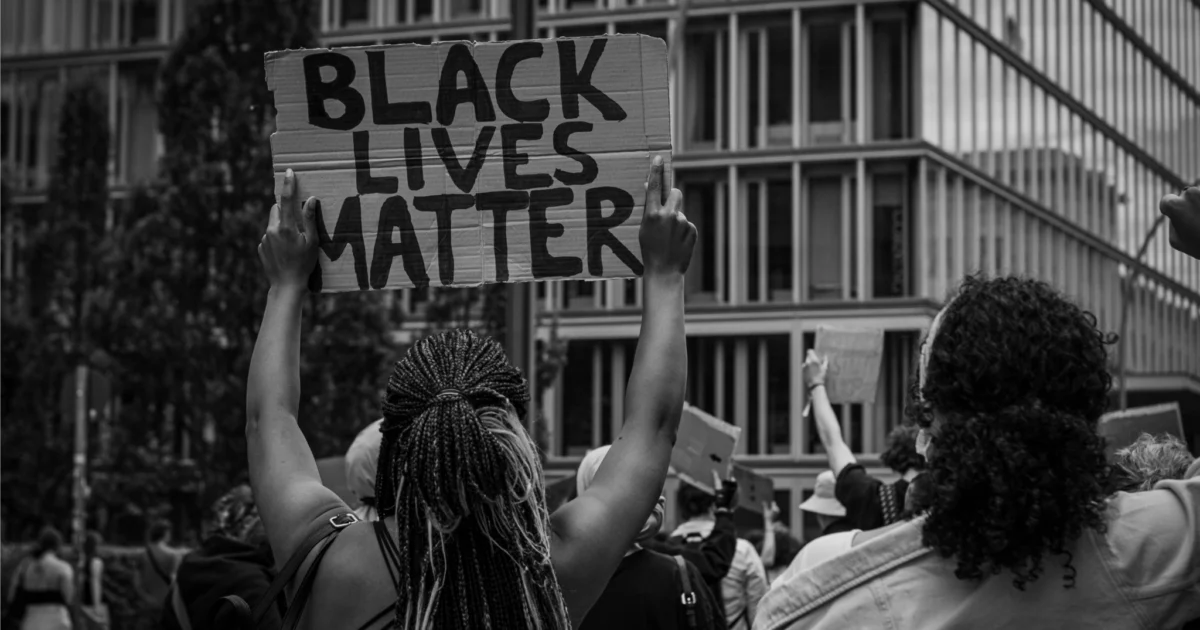
As the United States observes Juneteenth—the federal holiday commemorating the end of legal chattel slavery in 1865—the discourse has shifted beyond historical reflection toward a critical interrogation of modern economic structures. While June 19th serves as a foundational moment for the movement toward racial and economic justice, it also acts as a sobering reminder that the transition from legal slavery to systemic economic freedom remains unfinished.
Today, the promise of equitable opportunity is being tested by the rapid integration of artificial intelligence (AI) into the workplace. For Black Americans, who have historically navigated and dismantled systems designed to extract labor while denying security, the digital revolution presents a new, urgent frontier in the fight for economic dignity.
The Historical Context: From Reconstruction to the Modern Labor Market
A Chronology of Economic Disenfranchisement
To understand the current economic landscape, one must look at the arc of American labor history. The promise of the Reconstruction era was rapidly curtailed by the rise of Jim Crow laws, sharecropping, and the systematic exclusion of Black workers from the industrial gains of the early 20th century.
- 1865: Juneteenth marks the arrival of General Gordon Granger in Galveston, Texas, announcing the freedom of enslaved people.
- 1865–1900: The post-Civil War era saw the implementation of "Black Codes" and the collapse of the Freedmen’s Bureau, setting the stage for decades of systemic economic exploitation.
- Mid-20th Century: Despite the Civil Rights movement’s successes in legal desegregation, occupational segregation remained entrenched, with Black workers largely relegated to low-wage, high-risk, and under-protected industries.
- 2020–2025: The COVID-19 pandemic exacerbated existing wealth gaps, followed by the rapid, unchecked deployment of generative AI and automation tools in the workplace, disproportionately affecting the demographic groups already marginalized by historical policy decisions.
The historical trajectory is clear: whenever a significant shift in the American economy occurs, Black labor is often the first to be exploited and the last to be protected.
Supporting Data: The AI-Driven Threat to Black Women
The current economic data presents a stark reality. According to recent reports, the unemployment rate for Black women reached 7.3 percent by the end of 2025—a figure nearly double that of their white counterparts. This disparity is not accidental; it is the direct result of occupational segregation colliding with technological disruption.
The Vulnerability of Support Roles
Black women are heavily concentrated in sectors that are currently the primary targets for AI-driven automation. These include:
- Administrative Support: High exposure to automated scheduling and data processing tools.
- Human Resources: Subject to algorithmic screening that often mirrors historical hiring biases.
- Customer Service: Rapidly being replaced by chatbots and AI-driven predictive systems.
- Training and Education Support: Increasingly susceptible to displacement by automated learning modules.
Recent analysis by the National Partnership for Women & Families indicates that over 30 percent of workers in the most AI-vulnerable roles are women of color. This concentration has historically kept Black women in "essential but undervalued" positions. As AI tools are deployed to "streamline" these operations, the result is not just job displacement, but a systemic reduction in job quality, stability, and wage growth.
The Implications of Algorithmic Inequality
The threat posed by AI is twofold. First, there is the immediate risk of displacement—the literal loss of employment as machines replace human labor. Second, and perhaps more insidious, is the decline in job quality for the roles that remain.
The Erosion of Job Stability
When AI is introduced to "augment" a role, it often shifts the nature of the work toward high-surveillance, lower-autonomy tasks. For many Black workers, this means:
- Predictability: Schedules become erratic as algorithms dictate shift hours based on minute-by-minute demand.
- Advancement: The "ladder" to higher-paying roles is removed, as entry-level positions are automated away.
- Economic Security: With fewer benefits and less bargaining power, these jobs become incapable of supporting a family, effectively trapping workers in a cycle of poverty.
The paradox is that technological change, which theoretically should expand economic opportunity, is currently being implemented in a way that deepens inequality. Without guardrails, AI functions as a digital magnifier of existing racial and gender disparities.
Official Perspectives: The NELP Vision for a "Good-Jobs" Economy
The National Employment Law Project (NELP) and other labor advocates are calling for a fundamental shift in how policymakers approach the intersection of AI and civil rights. The current consensus among these groups is that the "laissez-faire" approach to AI adoption is a failure of public policy.
Policy Recommendations for a Fair Future
To ensure that the future of work promotes dignity rather than exploitation, experts recommend four critical pillars of reform:
- Strengthening Labor Standards: Policymakers must establish strict regulations on how AI can be used to monitor, evaluate, or terminate employees.
- Anti-Discrimination Frameworks: Legislation must ensure that AI tools undergo independent auditing for algorithmic bias before they are deployed in hiring or management processes.
- Investment in Worker Power: As technology shifts the balance of power, workers need stronger collective bargaining rights to ensure they have a seat at the table when new tools are introduced in their workplaces.
- Modernizing Unemployment Insurance: Current safety nets are ill-equipped for the "gig-ified" and AI-disrupted economy. Unemployment insurance must be expanded to provide support during periods of job transition, retraining, and skill-building.
The goal is to cultivate a "good-jobs economy"—a framework where every worker, regardless of race, gender, or background, has access to a job that pays a living wage, provides benefits, and offers a fair path to advancement.
Conclusion: Recommitting to the Long Struggle
This Juneteenth, the call to action is clear. As we honor the generations of Black workers whose labor built the foundations of the American economy, we must recognize that the struggle for freedom has evolved. It is no longer just a fight against the physical chains of the past, but against the digital, algorithmic barriers of the present.
We are at a crossroads. The path forward requires intentionality—a refusal to allow emerging technologies to recreate the inequities of the past in new, sophisticated forms. By centering the experiences of those most at risk—particularly Black women in the workforce—we can build an economic future that truly advances freedom, dignity, and opportunity for all.
The commemoration of Juneteenth is not merely a look back; it is a mandate to look forward. It is a commitment to ensuring that as we innovate, we do not leave behind the very workers who have consistently been the backbone of this nation’s prosperity. The future of work must be equitable, or it will be, by definition, a failure of the American promise.
