





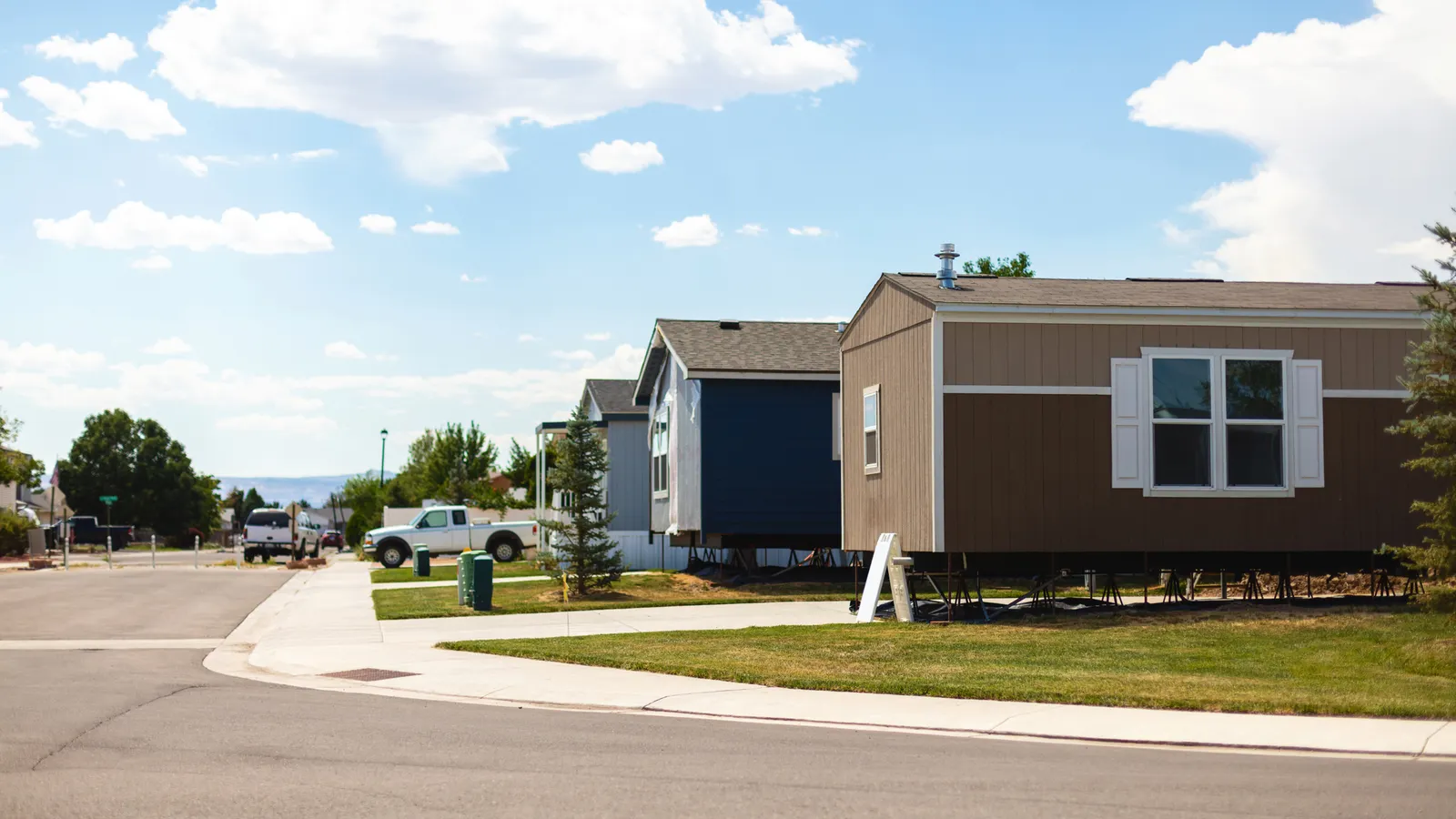
As the American housing market grapples with an unprecedented affordability crisis, the dream of homeownership is becoming increasingly elusive. With the cost of traditional starter homes hitting the $1 million mark in several major U.S. metropolitan areas, prospective buyers are being priced out of the market at record rates. In response, policymakers, developers, and housing advocates are turning their attention toward a long-overlooked solution: manufactured housing.
By streamlining regulations and curbing the restrictive zoning practices that have historically relegated these homes to the periphery, states like Texas are leading a legislative charge to reintegrate manufactured housing into the mainstream market. This shift represents more than just a policy adjustment; it is a fundamental rethinking of how the United States can provide high-quality, dignified, and attainable housing for the working and middle classes.
Main Facts: The Evolution of Modern Housing
Manufactured housing—structures built in a controlled factory environment and transported to a permanent site—has undergone a dramatic transformation. Far from the "mobile homes" of the mid-20th century, today’s units are constructed to rigorous federal standards established by the U.S. Department of Housing and Urban Development (HUD).
On average, a new manufactured home costs approximately $123,000, a fraction of the cost of a traditional site-built home. These dwellings offer a path to equity for families who might otherwise remain trapped in the rental market. Despite these clear advantages, the sector has faced significant headwinds. Decades of "Not In My Backyard" (NIMBY) sentiment, restrictive local zoning codes, and antiquated land-use policies have blocked manufactured housing from gaining a foothold in many suburban and urban communities.
The core of the current movement is to remove these barriers. By treating manufactured housing as an equivalent to site-built housing in the eyes of the law, proponents argue that cities can rapidly increase their housing supply, stabilize prices, and foster more diverse and inclusive neighborhoods.
Chronology: A Path Toward Reform
The momentum behind manufactured housing has been building for several years, punctuated by both federal and state-level interventions.
- Late 20th Century: The "heyday" of manufactured housing production, characterized by high output but inconsistent quality standards. This era ultimately led to the implementation of federal HUD standards, which helped stabilize the industry but also increased the regulatory burden on manufacturers.
- Early 2020s: As the pandemic-era housing shortage intensified, the gap between home prices and median household income widened to historic levels. Cities began to acknowledge that traditional construction methods could not keep pace with demand.
- 2023: Industry groups and housing advocates ramped up lobbying efforts to decouple manufactured homes from outdated zoning stigmas.
- 2024: The U.S. Congress passed the "21st Century ROAD to Housing Act." This landmark legislation aimed to modernize construction regulations and reduce the administrative costs associated with building and siting these homes.
- Mid-2024: Texas state legislation was enacted to mandate greater transparency in zoning. The new laws require cities to clearly identify on zoning maps where manufactured housing is permitted, eliminating the "hidden" or discretionary hurdles that developers previously faced.
Supporting Data: The Economics of Affordability
The necessity of this shift is underscored by stark economic data. According to recent reports from Zillow and other real estate analytics firms, starter homes in top-tier cities are no longer accessible to the average American earner.
Cost Comparison
| Housing Type | Average Cost (National) | Construction Time |
|---|---|---|
| Traditional Site-Built | $450,000+ | 8–12 Months |
| Manufactured Home | ~$123,000 | 2–4 Months |
The efficiency of manufactured housing stems from the assembly-line process, which reduces waste, minimizes weather-related delays, and allows for economies of scale that are impossible to replicate on a standard construction site.
However, production has lagged. After reaching peak levels in the late 1990s, annual production numbers dropped significantly, hovering around 100,000 units in recent years. This decline was not due to a lack of consumer interest, but rather a lack of available "pad sites" or zoned land. By unlocking land access through new legislation, analysts project that the market could see a 20–30% increase in production over the next five years.
Official Responses: Aligning Local and Federal Goals
The legislative push has garnered support from across the political spectrum, as both sides recognize the economic necessity of solving the housing supply crisis.
Texas State Sen. Pete Flores, the sponsor of the state’s recent legislation, has been a vocal proponent of the reform. "This legislation enhances predictability for developers and residents, aligns local regulations with federal housing standards, and supports greater access to affordable homeownership," Flores stated during the bill’s signing. His focus is on removing the bureaucratic "guesswork" that has historically deterred developers from proposing manufactured home communities.
At the federal level, HUD Secretary Scott Turner has signaled a strong shift in priorities. "America needs more housing, and manufactured housing is part of the solution," Turner noted in a press release earlier this year. The HUD strategy focuses on the "21st Century ROAD to Housing Act," which aims to nix outdated federal regulations that have served as bottlenecks for innovation. By lowering the cost of compliance, HUD hopes to encourage manufacturers to invest in new, aesthetically pleasing designs that can blend seamlessly into existing suburban environments.
Implications: The Future of Urban and Suburban Planning
The move to embrace manufactured housing has far-reaching implications for urban planning, social equity, and the broader real estate market.
1. The Death of the "Stigma"
For decades, manufactured homes have been unfairly stigmatized. Modern developments are now focusing on permanent foundations, higher-quality exterior finishes, and community-centric designs that mimic traditional suburban neighborhoods. As these homes become a more common sight, the social stigma is expected to fade, allowing for a broader acceptance by homeowners associations and municipal planning boards.
2. Zoning Transparency as a Tool for Equity
The Texas mandate for municipalities to explicitly map out where manufactured housing is permitted is a major victory for transparency. Previously, cities could use "discretionary review" processes to stall or reject manufactured housing projects without clear legal grounds. By requiring these zones to be clearly defined, the law limits the ability of local governments to engage in exclusionary zoning practices that disproportionately affect low-income families.
3. Supply-Side Stabilization
Economists suggest that the integration of manufactured housing could act as a "pressure relief valve" for the housing market. By providing a mid-tier housing option, cities can take the pressure off of the rental market and the entry-level site-built market. This is crucial for maintaining a healthy workforce; when essential workers—teachers, firefighters, and nurses—can afford to buy homes within the communities they serve, local economies thrive.
4. A New Era for Construction Technology
The "21st Century ROAD to Housing Act" does more than just cut red tape; it encourages innovation. As the industry scales, we are likely to see an influx of new construction technologies, including modular components that are more energy-efficient and resilient to extreme weather. This is particularly important for regions like the Gulf Coast, where climate resilience is a growing concern for all residential structures.
Conclusion: Bridging the Gap
The journey toward affordable homeownership in the United States is at a crossroads. While the challenges of rising interest rates and land costs remain formidable, the revitalization of the manufactured housing sector offers a pragmatic, scalable path forward.
By aligning local zoning maps with the federal standards championed by leaders like Senator Flores and Secretary Turner, the United States is finally acknowledging that there is no single solution to the housing crisis. Instead, it requires a diverse ecosystem of building types. Manufactured housing, once marginalized, is now positioned to be the cornerstone of a more inclusive, accessible, and sustainable future for the American housing market.
As cities across the country watch the results of these Texas reforms, the potential for a nationwide ripple effect is clear. If the current trajectory continues, the "starter home" of the future may well be a factory-built, high-quality manufactured residence—a home that represents not just a shelter, but a viable, long-term asset for millions of American families.
