





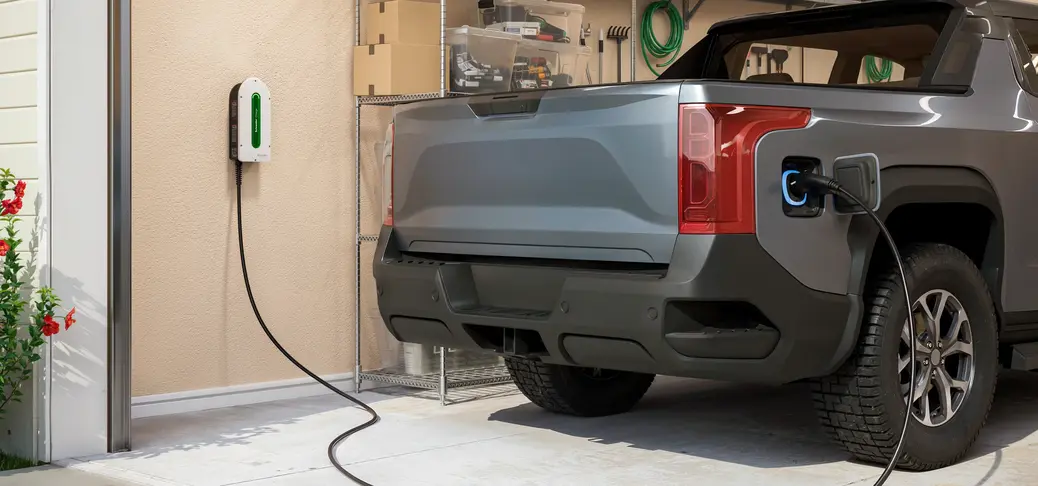
For many Canadian homeowners, the dream of transitioning to an electric vehicle (EV) hits a significant, often expensive, roadblock: the home electrical panel. As the EV market matures, the infrastructure required to support these vehicles has struggled to keep pace with the needs of older residential homes. Today, Schneider Electric, a global leader in energy management, is looking to dismantle that barrier with the official launch of "Schneider Charge," a Level 2 home charging solution designed to bypass the need for costly electrical service upgrades.
Main Facts: A Smarter Approach to Residential Charging
The Schneider Charge is a sophisticated Level 2 EV charger engineered to integrate seamlessly into a home’s existing electrical capacity. At the heart of this innovation is the "SmartAmp" load-management system. Unlike traditional "dumb" chargers that pull a static amount of current—often exceeding the limits of an older home’s 100-amp or 125-amp panel—SmartAmp acts as an intelligent gatekeeper.
By utilizing current transformers installed directly within the home’s electrical panel, the system monitors total household energy consumption in real time. When the household load spikes—such as when an oven, dryer, or air conditioner is running—the SmartAmp system automatically throttles the EV charger’s output to prevent a circuit breaker trip. As household demand decreases, the charger dynamically ramps back up to its maximum potential.
The device is capable of delivering up to 11.5 kW (48A), making it a robust solution for daily driving needs. It is built for the rugged Canadian climate, rated for operation in temperatures as low as -30°C, and is housed in a weather-resistant casing suitable for both indoor and outdoor installations. To accommodate the shifting landscape of charging standards, Schneider Electric is offering the unit with either the North American Charging Standard (NACS/J3400) or the traditional J1772 connector, backed by a comprehensive three-year warranty.
Chronology: From Concept to Consumer Availability
The evolution of Schneider Electric’s residential charging strategy has been a response to the steady climb of EV adoption in Canada, which has now surpassed one million plug-in vehicles on the road.
- Pre-2023: As EV penetration grew, Schneider Electric’s engineering teams identified that "service upgrade anxiety" was a primary deterrent for prospective EV buyers. In many regions, upgrading a residential panel from 100A to 200A can cost anywhere from $3,000 to over $9,000, depending on the age of the home and the complexity of the utility grid connection.
- Early 2024: The company finalized the development of the SmartAmp technology, focusing on a "hardware-first" approach that does not rely on Wi-Fi connectivity to function. This decision was critical for reliability, ensuring that the load-balancing feature remains active even during internet outages.
- Mid-2024: Schneider Electric forged a strategic partnership with the Qmerit installer network to provide homeowners with a vetted, professional installation process, mitigating the risks of DIY errors or substandard electrical work.
- Q3 2024: The official commercial launch of the Schneider Charge unit. The product is currently rolling out through electrical distribution channels and select online retail portals, with a broader in-store retail expansion slated for the final quarter of the year.
Supporting Data: The Economics of the Upgrade Gap
The necessity of the Schneider Charge is rooted in the current state of residential infrastructure. Data suggests that a significant percentage of the Canadian housing stock—particularly homes built before the year 2000—were designed with electrical panels that are inadequate for the high-draw requirements of a dedicated EV circuit.
For an average EV owner, a standard Level 2 charger requires a dedicated 50-amp or 60-amp circuit. If a home is already near its maximum capacity, adding that load triggers the National Electrical Code requirement for a service upgrade. The cost of such an upgrade is not merely the panel itself; it often involves replacing the service mast, the meter base, and potentially coordinating with the local utility provider to upgrade the street-level transformer.
By utilizing SmartAmp, Schneider Electric effectively eliminates this $9,000 "hidden cost" of EV ownership. The system allows the charger to "coexist" with other appliances. When the household is sleeping, the charger can access the full 48A; during peak evening hours, it may scale down to 16A or 20A. This ensures the vehicle receives a full charge overnight without requiring a single cent in electrical infrastructure upgrades.
Official Responses: Addressing the Human Element
The launch is being positioned as a democratization of green technology. David O’Reilly, Vice-President of Schneider Electric Canada, emphasized that the transition to sustainable transportation should not be a luxury reserved for those with brand-new, high-capacity homes.
"Canadians shouldn’t have to choose between charging at home and taking on an expensive electrical upgrade," O’Reilly stated during the launch event. "Our goal is to remove the friction. By making the home’s existing electrical system work smarter rather than harder, we are making EV ownership a realistic option for millions more households."
Industry analysts have noted that the emphasis on offline reliability is a key differentiator. Many "smart" home devices are plagued by connection issues, which can render them useless if a server goes down or a router fails. By ensuring the current transformers handle the load management locally, Schneider Electric has prioritized stability—a critical factor for a device that is essentially a utility.
Implications: The Future of Residential Energy Management
The implications of the Schneider Charge launch extend beyond just convenient car charging; it represents a fundamental shift toward the "Smart Home" ecosystem.
1. Grid Stability and Demand Response
As more households adopt EV chargers, the stress on local utility grids becomes a major concern. By using intelligent load management, Schneider Electric is helping to "flatten the curve" of residential energy demand. If this technology is adopted at scale, it could theoretically delay the need for massive utility-side investments in grid capacity, as the chargers automatically avoid peak-load hours.
2. Integration with Time-of-Use Rates
The Schneider Charge app is more than a simple monitoring tool. It allows users to schedule their charging sessions to coincide with off-peak electricity rates. In provinces like Ontario or British Columbia, where time-of-use pricing is standard, this can translate into hundreds of dollars in annual savings. The ability to track charging sessions also allows users to keep an accurate record of energy usage, which is essential for those who need to expense charging costs for corporate fleets or company-provided vehicles.
3. The Qmerit Partnership and Safety
A major hurdle in the EV market has been the proliferation of uncertified, "do-it-yourself" installations that pose fire risks. By bundling the product with the Qmerit network, Schneider Electric ensures that each installation is performed by a certified electrician who understands the specific nuances of the SmartAmp setup. This "end-to-end" approach—from the hardware to the digital interface to the professional labor—sets a new benchmark for how manufacturers should approach the consumer EV experience.
4. Market Competitiveness
The EV charger market is becoming increasingly crowded, with competitors ranging from budget-friendly options on Amazon to high-end, aesthetic-focused units. Schneider Electric is banking on the "trust" factor—leveraging its century-long reputation in electrical distribution to appeal to homeowners who may be wary of installing unverified technology in their electrical panels.
Conclusion: A Pivot Point for Canadian EV Adoption
The Schneider Charge is a response to the "real-world" conditions of residential living. By acknowledging that not every homeowner can or should invest thousands of dollars into their electrical service, Schneider Electric has created a bridge between legacy infrastructure and the future of transportation.
As the Canadian government continues to push for aggressive EV adoption targets, products like the Schneider Charge will be vital. It is a pragmatic solution that treats the electrical panel as a dynamic, intelligent system rather than a static constraint. For the prospective EV buyer, the choice is no longer between an expensive upgrade or a slow, inefficient "Level 1" wall-outlet charge. The middle path has finally been paved, and it is powered by the intelligence of modern energy management.
As the units begin to appear in electrical distributors across the country, the success of the Schneider Charge will likely be measured not just in sales, but in the number of homeowners who finally feel the "green light" to make the switch to an electric vehicle, confident that their home is ready for the change.
