




In a move intended to catalyze the long-stalled development of high-speed rail (HSR) in the United States, the Federal Railroad Administration (FRA) has introduced a transformative proposal to modernize noise-level regulations. By re-evaluating how aerodynamic noise is measured and regulated for trains traveling at speeds exceeding 160 mph, the agency aims to remove a significant regulatory hurdle that has historically disadvantaged modern, ultra-fast rail technology.
As the U.S. looks to compete with the sophisticated high-speed networks of Europe and Asia, this policy pivot—estimated to save developers roughly $100 million over the next three decades—marks a fundamental shift in how the federal government approaches the intersection of infrastructure innovation and environmental standards.
Main Facts: Redefining the Physics of Rail Noise
The core of the FRA’s proposed rulemaking lies in a shift from legacy noise-measurement standards to ones that reflect the realities of 220-mph travel. Currently, rail noise standards are largely calibrated for conventional trains, where the primary decibel output is generated by mechanical sources—specifically the friction of steel wheels on tracks and the vibration of locomotives.
However, the physics of rail transit changes significantly as speed increases. At lower speeds, such as those maintained by Amtrak’s Acela fleet in the Northeast Corridor (which tops out at 160 mph), mechanical and propulsion noise are indeed the dominant factors. Once a train exceeds 160 mph, however, the physics of fluid dynamics takes over. Aerodynamic or "wind" noise—caused by air displacement and turbulence around the train’s body, pantographs, and bogies—becomes the primary source of sound.
The current regulatory framework does not adequately differentiate between these noise sources. By applying uniform standards to mechanical-heavy and aerodynamic-heavy trains, the FRA has inadvertently forced engineers to over-engineer sound-dampening solutions that may not address the primary noise source of a 220-mph train. The proposed rule would establish a holistic approach, allowing developers to meet noise thresholds through methods that specifically target the aerodynamic noise profile of next-generation trains.
Chronology: A Turbulent History of U.S. High-Speed Rail
The trajectory of U.S. high-speed rail has been defined by a cycle of ambitious planning and abrupt political redirection. Understanding the context of the current regulatory change requires looking back at the last decade of federal rail policy:
- 2010s: The Obama Era Push: The U.S. Department of Transportation launched a robust grant program aimed at seeding high-speed rail corridors across the country, including the California High-Speed Rail (CAHSR) project and the proposed Dallas-to-Houston line.
- 2019: The Regulatory Freeze: Under the Trump administration, the federal government took a confrontational stance toward the California project, canceling $4 billion in federal grants and pulling support for the Texas Central venture. This era was characterized by "red tape" and fiscal tightening, which left major HSR projects in a state of financial and legal limbo.
- 2021–2023: The Re-engagement: As the current administration took office, the focus shifted toward infrastructure modernization. With the passage of the Bipartisan Infrastructure Law, significant funding was earmarked for rail, but developers continued to report that legacy regulations—such as the noise rules now being updated—remained a barrier to entry.
- 2024: The Proposed Rulemaking: The FRA’s announcement represents the latest step in a comprehensive effort to streamline the permitting and design process for HSR, effectively clearing the path for the private and public sector projects currently in the pipeline in California and Nevada.
Supporting Data: The Cost of Compliance
The economic implications of this rule change are substantial. For private firms and public authorities attempting to navigate the high-capital-expenditure world of HSR, the cost of meeting outdated noise regulations is not merely an inconvenience; it is a deterrent to investment.
- Projected Savings: The FRA estimates that by removing the requirement for unnecessary sound-dampening technologies that do little to mitigate aerodynamic wind noise at high speeds, the industry could save approximately $100 million over the next 30 years.
- Speed Thresholds: While the current Acela fleet serves the Northeast Corridor at 160 mph, the new standards are specifically tailored for the "true" high-speed rail threshold of 220 mph. This target speed is the stated goal for both the California High-Speed Rail Authority and private ventures in the Nevada region.
- Regulatory Efficiency: The FRA’s analysis suggests that the current rules effectively penalize innovation. By forcing developers to focus on mechanical noise abatement when the actual noise problem is aerodynamic, the agency is essentially requiring "wasted" investment.
Official Responses: Shifting the Narrative
The government’s rhetoric surrounding this rule change signals a clear departure from the obstructionist posture of previous years.
FRA Administrator David Fink emphasized the necessity of a holistic approach in his official statement: "One of the reasons we don’t have true high-speed rail in the United States is because current rules disadvantage trains that generate most of their noise from sources other than their engines and rolling stock. Updating this rule will remove a major obstacle railroads currently face when trying to operate high-speed trains."
This sentiment was echoed by Transportation Secretary Sean Duffy, who framed the regulatory update as a pro-business imperative: "This administration is cutting through the red tape that has stopped rail innovators from building in America before. We’re making it attractive to businesses and investors to partner with the USDOT and develop high-speed rail here in the U.S."
This shift in tone is designed to reassure global investors and domestic engineering firms that the U.S. is not only serious about building rail infrastructure but is also committed to harmonizing its regulatory environment with global standards.
Implications: What This Means for the Future of American Transit
The ripple effects of this regulatory change will likely be felt in several key areas of the transportation sector.
1. Market Confidence and Private Investment
Private-sector interest in high-speed rail has often been tempered by the "regulatory risk" of the United States. When developers cannot predict how the federal government will treat the technical specifications of their trains, financing becomes expensive and difficult to secure. By modernizing these standards, the FRA is reducing the risk profile for investors, making projects in Nevada, California, and elsewhere more "bankable."
2. Technological Standardization
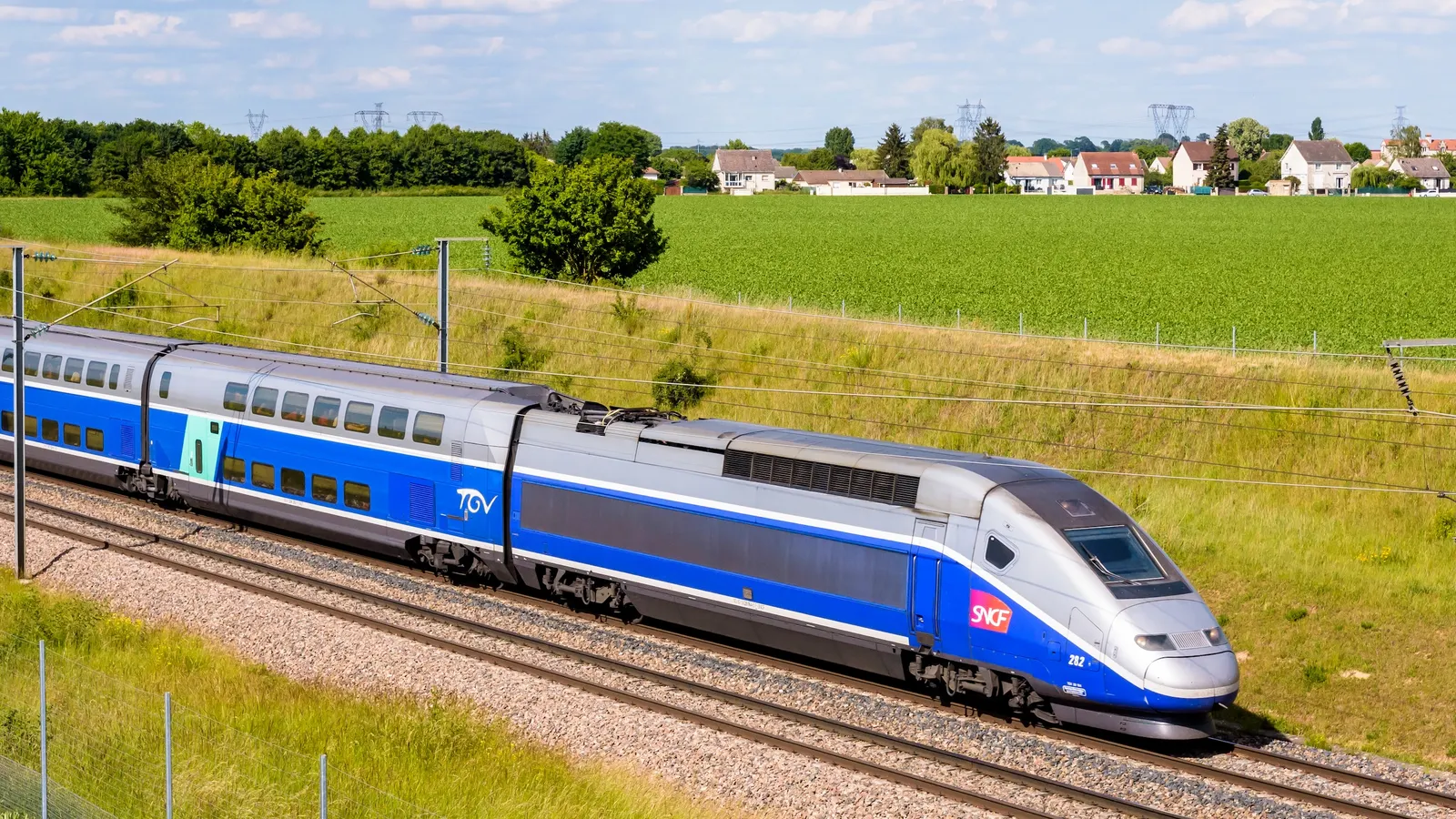
By acknowledging that aerodynamic noise is the defining characteristic of high-speed travel, the FRA is implicitly encouraging American developers to adopt the best-in-class technologies currently used in Japan, France, and Germany. These countries have already optimized their train designs for wind resistance and noise; having a U.S. regulation that matches these technical realities allows for a smoother transition for international partners looking to export their expertise to the U.S. market.
3. Environmental and Community Integration
Critics of high-speed rail often cite noise pollution as a primary reason to oppose transit projects near residential areas. By creating a more accurate and scientifically sound framework for noise, the FRA can actually improve public relations for HSR projects. When regulators can demonstrate that they have a modern, effective, and evidence-based plan for controlling noise, it becomes easier to secure local zoning approvals and public buy-in.
4. The Path Forward
While the rule is currently in a public comment period, the reception from the industry has been largely positive. Comments are due by October 2, though the FRA has indicated flexibility for submissions received shortly thereafter. Following the comment period, the agency will synthesize the feedback and move toward a final rule.
For proponents of a greener, faster, and more interconnected America, this announcement is a quiet but monumental win. It represents a transition from a rail policy dictated by the limitations of the 20th century to one that is finally ready to embrace the mechanical realities of the 21st. As the California High-Speed Rail Authority continues to lay track and private developers in Nevada eye the future of intercity travel, the removal of this "regulatory wall" may prove to be the most critical infrastructure achievement of the decade.
The U.S. has spent years watching the rest of the world accelerate into the high-speed rail era. With these new standards, the government is finally adjusting its own gauges to match the speed of the future.
