




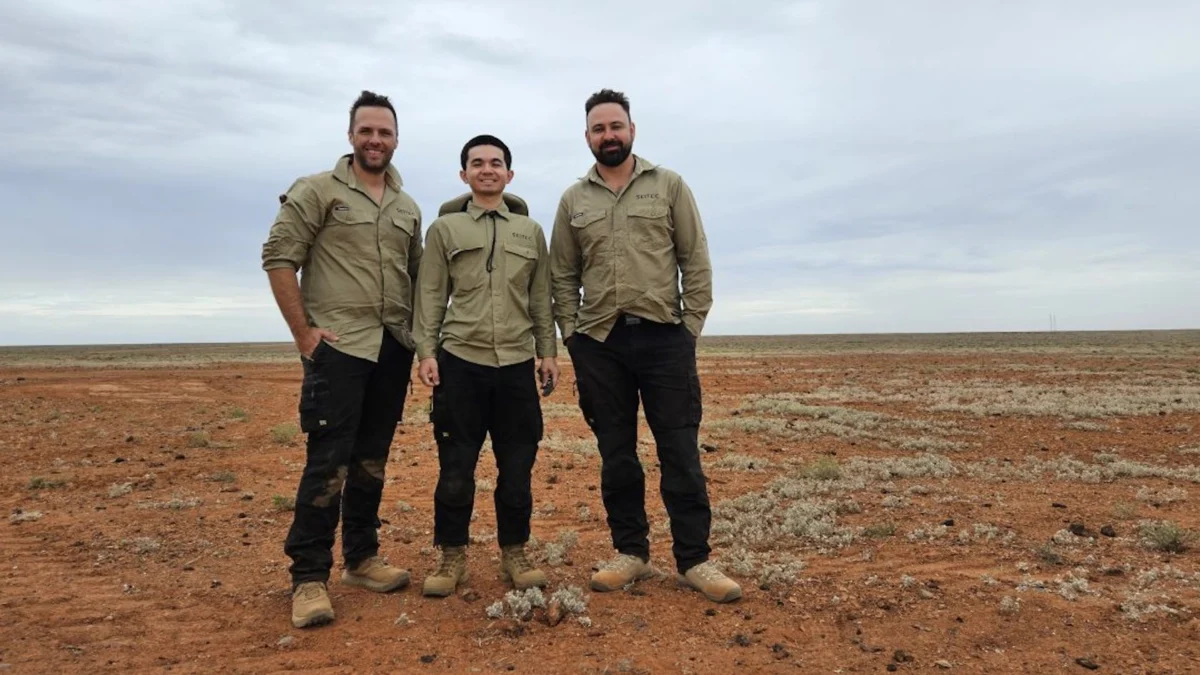
In an era defined by rapidly evolving geopolitical instability and the demand for sophisticated, low-signature surveillance, Canberra-based defense technology startup Seitec has emerged as a pivotal player. The company recently announced a successful $4 million capital injection, a move that positions the startup to scale its cutting-edge conflict-zone monitoring platform for deployment among global defense allies.
The funding round signals a maturing of Australia’s sovereign defense innovation ecosystem, bridging the gap between academic research and battlefield utility. As Western militaries scramble to acquire "tougher" detection technology capable of operating in contested, signal-denied, and high-threat environments, Seitec’s proprietary solutions have moved from the experimental phase to a critical commercial inflection point.
Main Facts: The $4 Million Leap
The $4 million funding round was spearheaded by ACTivate Capital, a Canberra-based venture capital firm that contributed $1.5 million. The round also saw strategic participation from Beaten Zone Venture Partners, a fund specialized in defense-sector investments, and the University of New South Wales (UNSW).
Seitec’s core offering is a specialized monitoring platform designed to provide situational awareness in conflict zones where traditional sensing equipment often fails. By leveraging advanced signal processing and stealth-oriented detection methodologies, the platform allows defense forces to track movements and environmental changes without alerting adversaries to the monitoring apparatus itself.
This capital influx will be primarily directed toward:
- Global Market Expansion: Translating domestic defense successes into exports for Five Eyes partners and other strategic allies.
- Research & Development: Accelerating the refinement of stealth sensing hardware to keep pace with evolving counter-surveillance technologies.
- Operational Scaling: Expanding the team, currently led by founder and CEO Daniel Stevens, to manage the complexities of international defense contracting.
Chronology: From Air Force Service to Defense Tech Startup
The trajectory of Seitec is deeply rooted in the practical, front-line experience of its leadership. The journey toward this $4 million milestone can be traced through the following key developmental stages:
2001–2021: The Genesis of Expertise
Founder and CEO Daniel Stevens spent two decades serving in the Royal Australian Air Force (RAAF) as an avionics technician. This 20-year tenure provided him with a granular understanding of the vulnerabilities inherent in modern military hardware. Throughout his service, Stevens observed the growing gap between the speed of sensor development and the tactical requirements of modern, distributed warfare.
2021: The Founding of Seitec
Recognizing that the private sector was better equipped to iterate on rapid-response hardware than traditional defense prime contractors, Stevens incorporated Seitec. The company was built on the premise that "stealth sensing" was not just a luxury, but a necessity for modern asymmetric warfare.
2023–2024: Proving the Concept
During this period, the startup focused on refining its core technology in collaboration with research institutions like UNSW. By moving through rigorous testing cycles, the company secured early validation for its platform, catching the eye of regional venture capital firms eager to capitalize on the Australian government’s increased defense spending.
2026: The Funding Milestone
The successful closure of the $4 million round marks the transition of Seitec from a research-intensive startup to a high-growth defense enterprise, ready to interface with international defense procurement channels.
Supporting Data: The Canberra Innovation Ecosystem
The investment by ACTivate Capital is a testament to the success of the Canberra-based "innovation corridor." ACTivate, which recently hit a $23 million first close on its $50 million fund, is specifically mandated to translate research out of Canberra’s academic and defense hubs into globally competitive companies.
The Financial Landscape
- Lead Investor: ACTivate Capital ($1.5M).
- Supporting Investors: Beaten Zone Venture Partners, UNSW.
- Strategic Focus: Transforming Canberra research into global exports.
- Sector Relevance: Defense technology, autonomous systems, and intelligence, surveillance, and reconnaissance (ISR).
The support from UNSW is particularly notable. It highlights a recurring theme in the Australian defense startup scene: the symbiotic relationship between tertiary institutions—which provide the foundational physics and engineering breakthroughs—and commercial entities that provide the agility to deploy those breakthroughs in high-stakes environments.
Official Responses and Strategic Vision
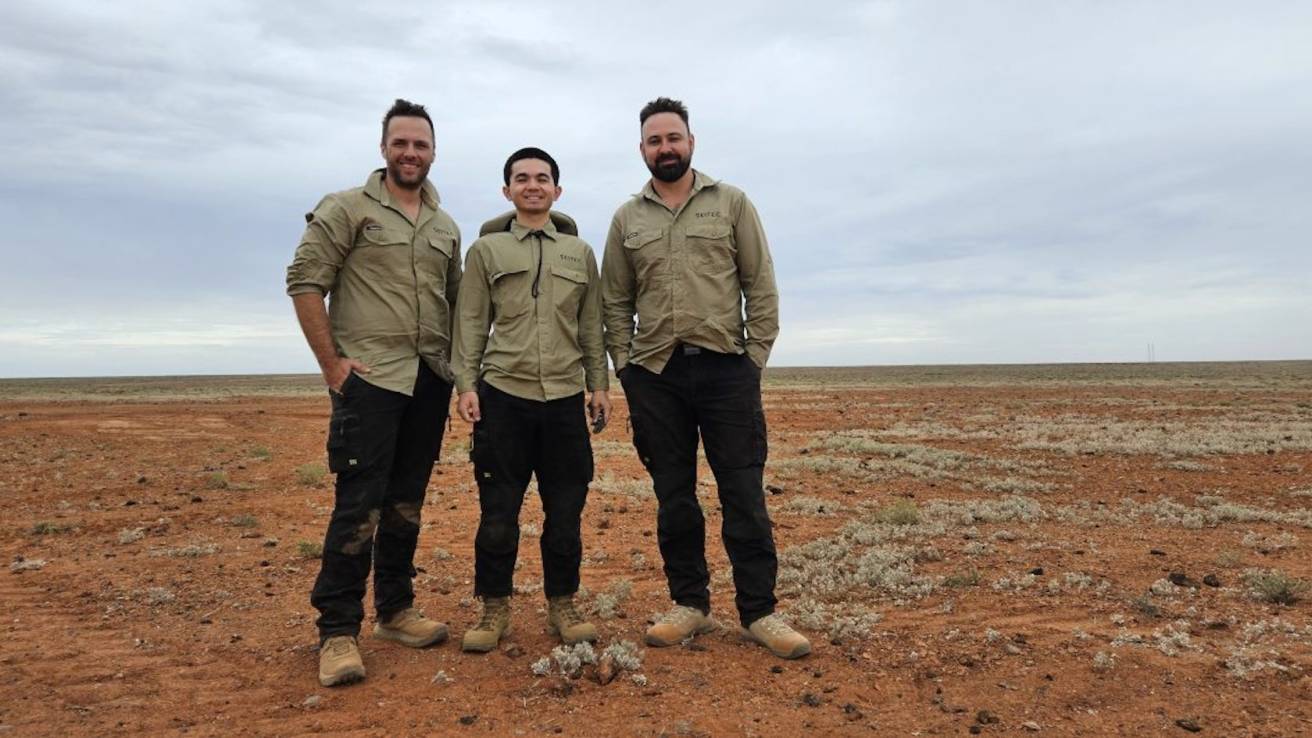
While the company has kept specific technical details under wraps due to the sensitive nature of its work, leadership has been clear regarding their mission. Daniel Stevens, alongside CTO Bevan Fairleigh and research engineer Yo Gaynor, has emphasized that Seitec is designed to meet the "tougher detection requirements" requested by modern military commands.
"We are building for a landscape that is increasingly difficult to monitor," says a source close to the company. "The goal is to provide our allies with a ‘silent eye’—a capability that persists in the environment without being compromised by the very technologies it is tracking."
The involvement of Beaten Zone Venture Partners suggests that Seitec is not merely building a niche software product, but is positioning itself as a hardware-enabled platform capable of meeting the stringent standards of defense procurement agencies, which often require robust, battle-hardened, and proprietary systems.
Implications: The Future of Conflict-Zone Sensing
The success of Seitec carries significant implications for the future of the Australian defense industry and global intelligence gathering.
1. The Rise of "Stealth Sensing"
As adversaries develop better electronic warfare capabilities, the ability to "see without being seen" has become the gold standard for intelligence, surveillance, and reconnaissance (ISR). Seitec’s entry into the market suggests that the future of sensing will not be about larger, more powerful radars, but about smarter, stealthier, and more distributed nodes.
2. Exporting Sovereignty
Australia has long struggled to turn its domestic defense research into scalable exports. Seitec represents a shift in this paradigm. By targeting global allies, the company is demonstrating that Australian startups can solve problems that are universal to the modern battlefield, potentially shifting Australia from a consumer of imported defense tech to an exporter of critical security infrastructure.
3. The "Canberra Advantage"
The concentration of defense research and policy-making in Canberra provides companies like Seitec with a unique proximity to both the regulators and the researchers. As ACTivate Capital continues to deploy its $50 million fund, we can expect more startups to emerge from the capital, utilizing this "Triple Helix" model of government, academia, and private industry.
4. Navigating the "Valley of Death"
For many defense startups, the "valley of death"—the period between initial prototype and full-scale procurement—is where they fail. By securing $4 million in private capital, Seitec has effectively bridged this gap, ensuring they have the runway to navigate the long sales cycles characteristic of the defense industry without compromising their technological edge.
Conclusion
Seitec’s $4 million raise is more than just a financial success; it is a signal of the increasing sophistication of the Australian defense tech sector. By focusing on the critical, high-stakes niche of conflict-zone sensing, the company has positioned itself as an essential partner for global military powers facing a complex and volatile geopolitical landscape.
As Daniel Stevens and his team transition into this next phase of growth, the global defense community will be watching closely. Whether through the integration of AI-driven signal analysis or the deployment of next-generation hardware, Seitec is clearly aiming to redefine the boundaries of what is possible in the theater of modern surveillance. For Canberra, and for the Australian defense industry at large, the startup represents a potent example of how specialized, high-tech innovation can be scaled to meet the most demanding requirements of the 21st-century battlefield.
