





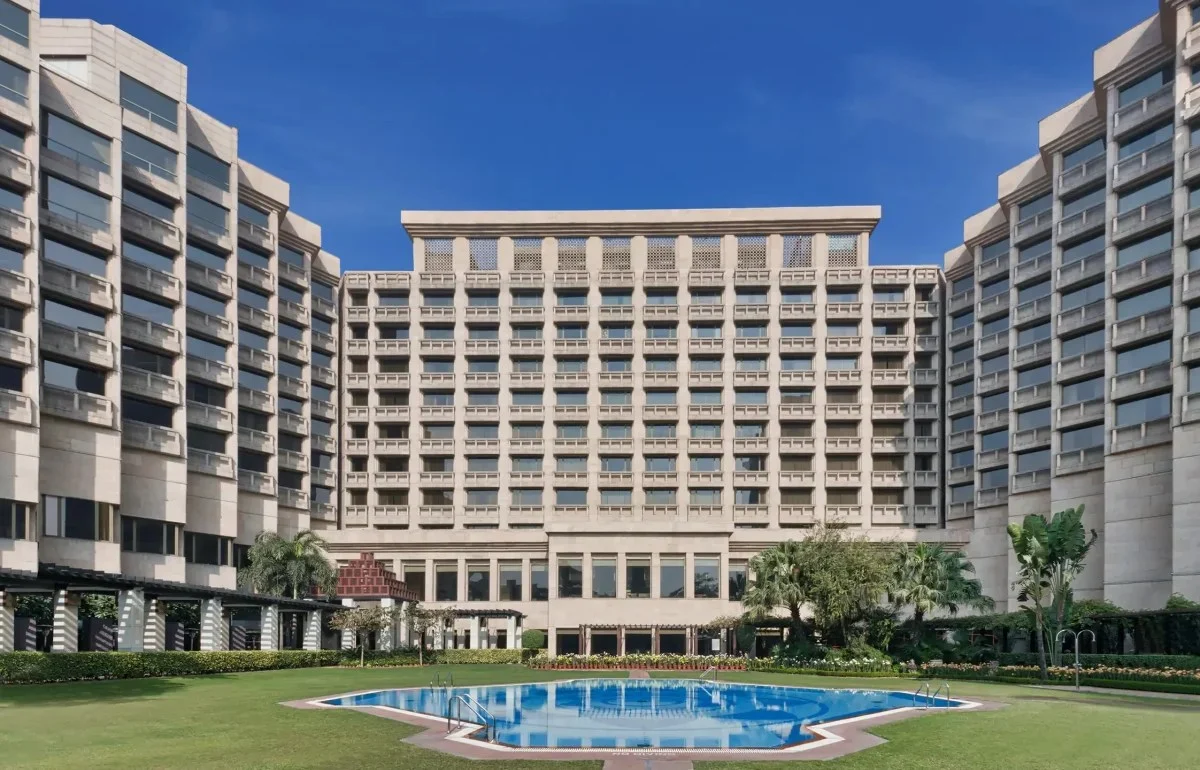
As the national capital prepares to host the prestigious BRICS Summit from September 12–13, New Delhi is witnessing an unprecedented surge in hotel room rates. The convergence of high-profile international delegations, global media, and security-conscious logistics has created a "perfect storm" in the hospitality sector, pushing room prices to levels that have left both corporate travelers and industry analysts stunned.
The Current Landscape: A Surge in Room Rates
The impending arrival of world leaders and their entourages has triggered a dramatic recalibration of hotel pricing across the city. According to data aggregated from leading travel platforms such as MakeMyTrip, hotel rates for the dates surrounding the summit (September 11–13) have spiked between 124% and 323% compared to the following weekend (September 18–20).
The impact is most acute in central Delhi, the nerve center of the city’s diplomatic activity and the site of the summit venue, the Bharat Mandapam. For luxury properties in this vicinity, "standard" pricing has been discarded in favor of premium, event-specific tariffs that reflect the scarcity of available inventory.
Case Study: The Hyatt Regency New Delhi
The volatility is perhaps best illustrated by the Hyatt Regency New Delhi. Analysis of booking platforms reveals that for the nights of September 11–13, the hotel is listing rooms at approximately INR 83,500 ($884) per night, excluding taxes. When compared to the weekend of September 18–20, where the same room category is priced at INR 19,500 ($206), the increase is a staggering 325%. When factoring in government taxes and service charges, the total cost for a single night during the summit nears $1,080, effectively pricing out the average business traveler.
Chronology of the Price Escalation
The climb in prices did not happen overnight; it followed a predictable, yet intensified, trajectory typical of mega-events in major metropolitan hubs.
- Initial Announcement (Three Months Out): Once the summit dates and the Bharat Mandapam venue were officially confirmed, luxury hotel chains began adjusting their revenue management algorithms. Early bird corporate contracts were honored, but flexible inventory was quickly pulled from public booking engines.
- The "Block-Booking" Phase (Two Months Out): Diplomatic missions and summit organizers began securing large "blocks" of rooms. These blocks are designed to house security details, press corps, and auxiliary staff. As these blocks were finalized, the available "retail" inventory for the general public plummeted.
- The Scarcity Spike (One Month Out): With major properties reaching near-full occupancy, the remaining rooms were subjected to dynamic pricing models that prioritize high-yield bookings. This is the phase the market is currently experiencing, characterized by the 300%+ spikes in rates.
- The Final Lockdown (Event Week): As the summit dates approach, the remaining inventory is being held for emergency requirements, with walk-in prices essentially becoming irrelevant as properties declare a "Sold Out" status.
Supporting Data and Inventory Analysis
The current market situation is driven by a fundamental imbalance between supply and demand. Gaurav Sharma, Managing Director (Hotels) at JLL India, notes that the luxury segment in central Delhi is effectively at capacity.
Key properties such as the Taj Palace, ITC Maurya, The Oberoi, The Imperial, and The Leela Palace are reporting near-total sell-outs. These hotels are not merely "full" in the traditional sense; they are operating under restricted access protocols mandated by security agencies.
Inventory Breakdown
| Property Category | Average Rate (Standard) | Summit Rate (Estimated) | % Increase |
|---|---|---|---|
| Ultra-Luxury (Central Delhi) | $200 – $300 | $850 – $1,200 | ~300% |
| Premium Business Hotels | $150 – $220 | $400 – $600 | ~170% |
| Upscale Boutique | $100 – $150 | $250 – $350 | ~150% |
The data confirms that the closer a property is to the Bharat Mandapam, the higher the rate premium. Hotels within a 5-kilometer radius of the venue have seen the steepest increases, while properties in the NCR (National Capital Region) periphery, such as Gurugram and Noida, are seeing a more moderate 30% to 50% increase as spillover demand seeks alternatives.
Official Responses and Industry Sentiment
While the hospitality industry is celebrating the revenue windfall, there is a palpable sense of caution regarding the reputational risks associated with such aggressive pricing.
The Industry Perspective
Industry insiders argue that the price surge is a function of "yield management" rather than "price gouging." As one hotelier noted, "During events of this magnitude, the operational costs for hotels skyrocket. We are required to hire additional security, upgrade technological infrastructure to meet diplomatic standards, and manage complex logistical requirements for food and beverage. The price reflects the premium nature of the service delivery."
The Regulatory Stance
While the government has not officially intervened in price capping, the Ministry of Tourism has held informal consultations with the Hotel Association of India. The primary concern is that extreme pricing could deter non-summit related business travel, potentially hurting Delhi’s broader economic activity during the second week of September. However, the prevailing sentiment is that the BRICS Summit is a "once-in-a-cycle" event that justifies the temporary market anomaly.
Implications for the Future
The current situation in Delhi serves as a case study for the challenges of hosting global mega-events in developing markets. Several key implications have emerged:
1. The Erosion of "Business-as-Usual"
The primary implication is the disruption of the corporate travel calendar. Companies that rely on New Delhi as a hub for meetings are being forced to reschedule, delay, or relocate their operations to other cities like Mumbai or Bengaluru. This "crowding out" effect is a common feature of mega-events, but the intensity in Delhi has been particularly pronounced.
2. Infrastructure Stress
The summit has highlighted the limitations of Delhi’s premium hotel inventory. While the city has added significant room stock over the last decade, the high security and luxury requirements of a BRICS-level summit push the current infrastructure to its absolute limit. This may spur a new wave of investment in "Diplomatic Suites" and high-security hotel wings in upcoming luxury developments.
3. Impact on Local Tourism
Leisure tourism, which often thrives in the shoulder seasons, will likely face a temporary decline. The combination of high prices, restricted movement, and heightened security presence makes Delhi a less attractive destination for casual travelers during the summit period. Local retailers and tourism-reliant businesses may see a decline in footfall as the city enters a "lockdown" mode.
4. Long-term Brand Positioning
For the luxury hotels involved, the summit is a high-stakes branding exercise. Successfully hosting a world leader and their delegation provides a "seal of approval" that can be used for years to come. The short-term financial gains from high room rates are, for these hotels, secondary to the prestige of being the preferred venue for global geopolitical leaders.
Conclusion: A Temporary Equilibrium
The spike in Delhi’s hotel rates ahead of the BRICS Summit is a stark reflection of the city’s emergence as a global diplomatic capital. While the 300%+ increase in room rates creates a challenging environment for the average traveler, it is a predictable outcome of the high-security, high-prestige requirements of an event involving the heads of the world’s most significant emerging economies.
As the city prepares to welcome the BRICS delegates, the hospitality sector remains the focal point of a unique economic phenomenon. Once the summit concludes on September 13 and the delegations depart, the market will likely see a rapid correction. Hotels will move from the "high-yield" diplomatic phase back to the competitive, rate-sensitive environment of the standard business quarter. Until then, Delhi remains a city where the price of a room is measured not just in currency, but in the scarcity and significance of the event it facilitates.
