





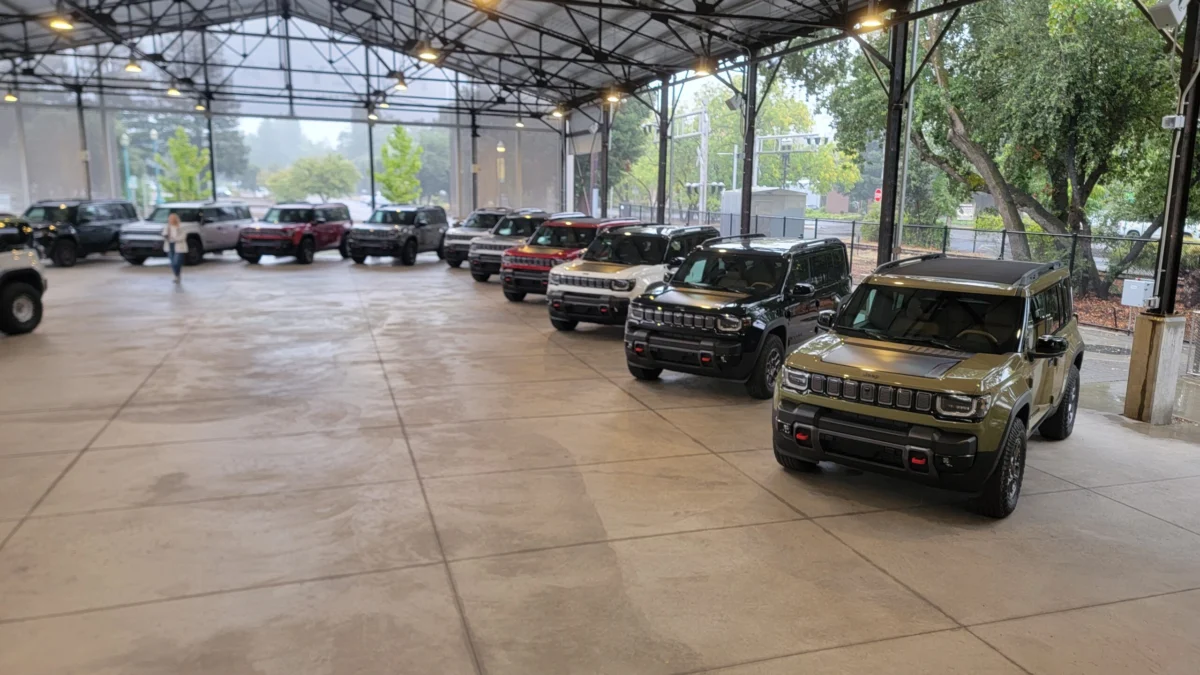
The automotive landscape is littered with ambitious projects, but few have navigated as turbulent a path as the 2026 Jeep Recon. After a prolonged gestation period that saw its original 2024 launch date abandoned, the Recon has finally arrived. As the first “Trail-Rated” electric vehicle from the brand, it carries the weight of Jeep’s storied heritage into the battery-electric era. Yet, with a starting price of $66,995 and a performance profile that feels simultaneously cutting-edge and unrefined, the Recon presents a complex value proposition for the off-road enthusiast.
The Core Specs: High Voltage, High Expectations
At the heart of the 2026 Jeep Recon Moab lies a dual-motor powertrain capable of producing 670 horsepower and 620 lb-ft of torque. It is a staggering amount of power for a vehicle that tips the scales at a hefty 6,112 pounds. Built on the STLA Large platform—a chassis that Jeep insiders have jokingly begun referring to as "STLA One" due to its ubiquity across the Stellantis lineup—the Recon is designed to be the electric equivalent of a Swiss Army knife.
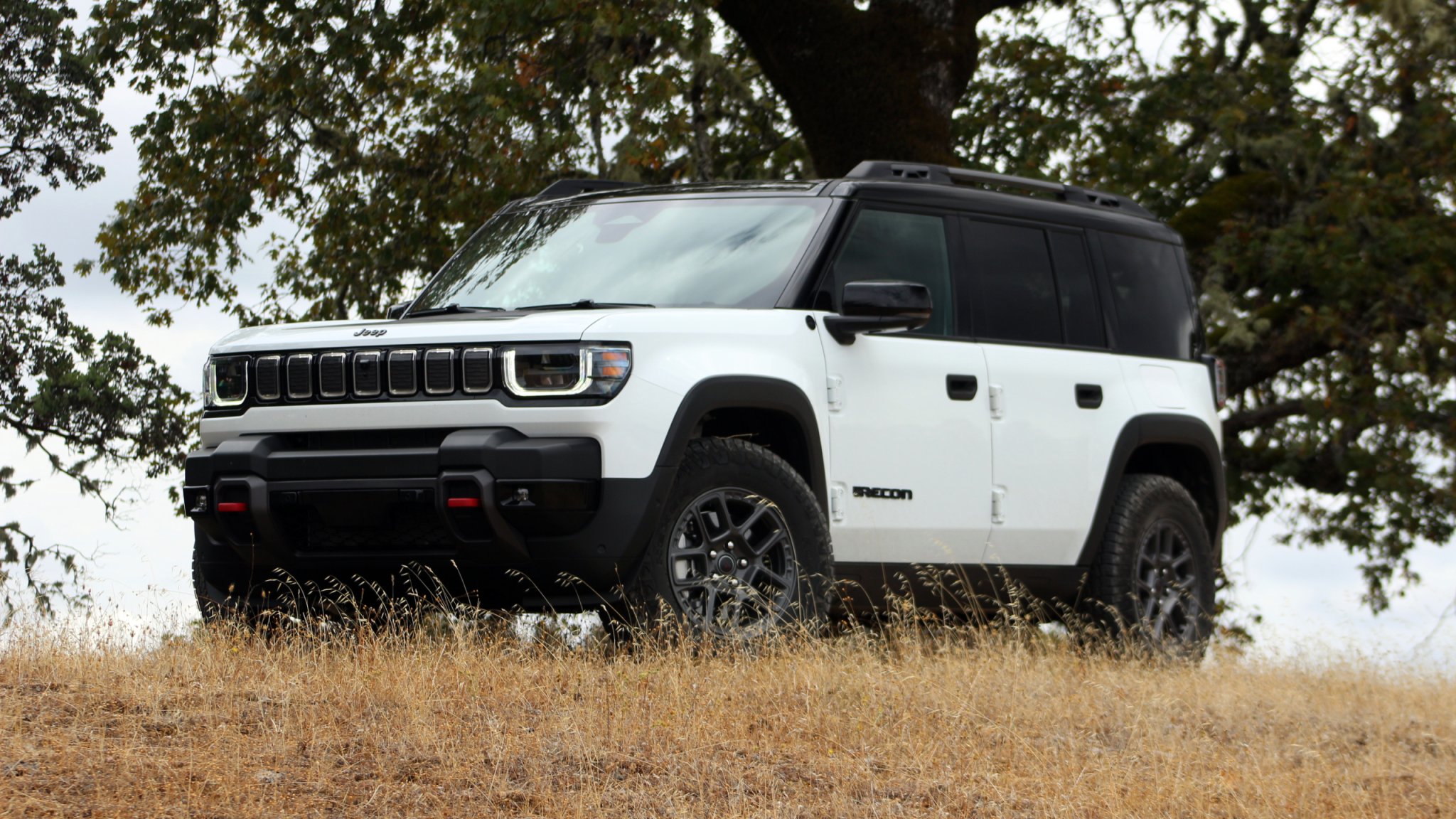
The vehicle is powered by a 100.5-kWh lithium-ion (NMC) battery pack utilizing a 400-volt architecture. In its most aggressive "Moab" trim, the range is estimated at 222 miles. While Jeep promises a 5% to 80% charge in as little as 28 minutes at a DC fast charger, the real-world efficiency of this massive, boxy SUV remains a point of contention for those looking to traverse long distances between trailheads.
A Troubled Chronology: The Road to Production
The journey of the Recon is a case study in the challenges of rapid electrification. Originally teased in 2022 as a 2024 model, the vehicle became a casualty of shifting corporate priorities, supply chain bottlenecks, and the complex engineering required to make an EV handle the "Trail-Rated" abuse Jeep customers demand.
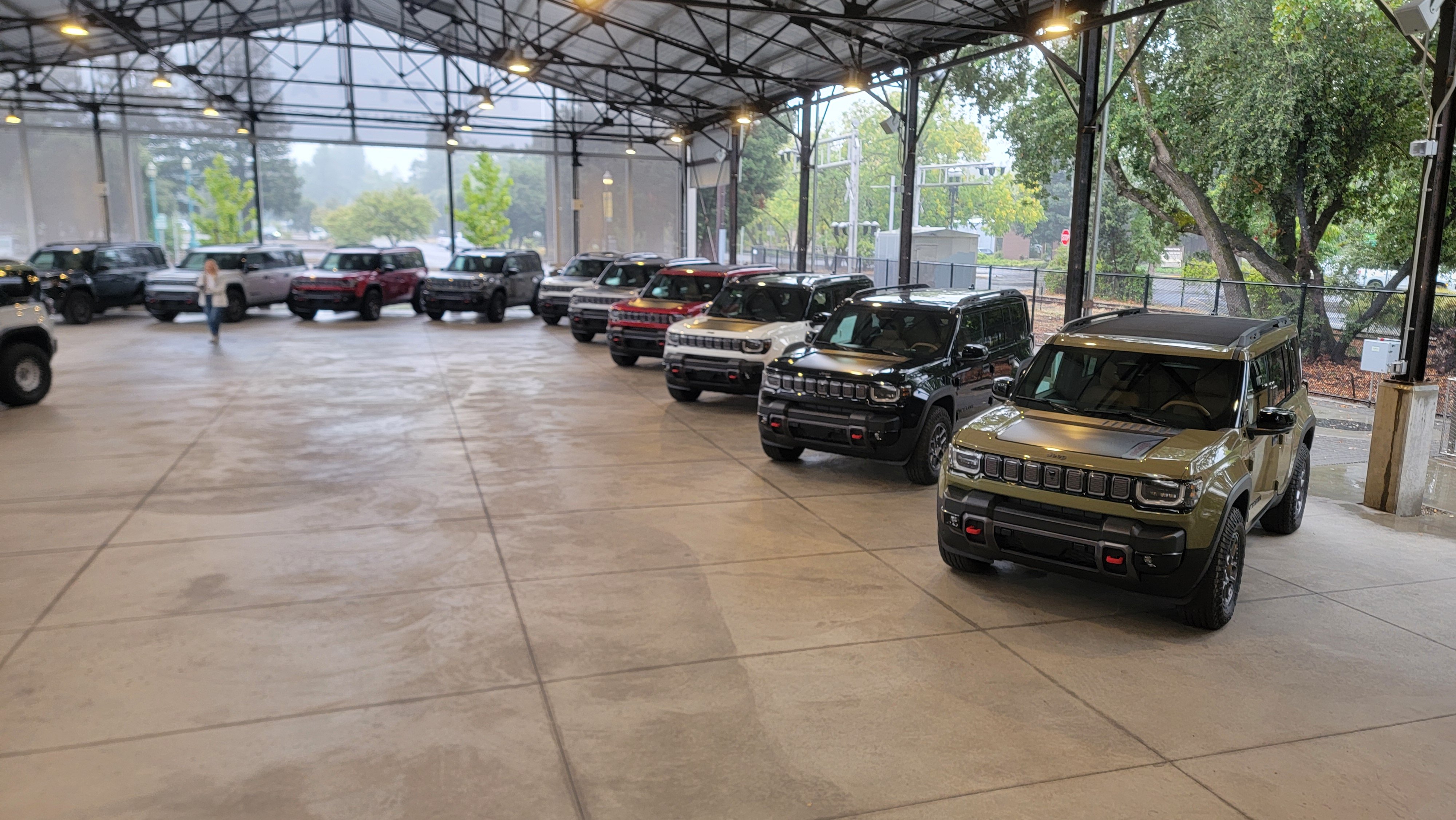
Following at least two major delays, the vehicle finally entered production in late 2026. This two-year lag was intended to allow Jeep engineers to refine the, at times, clunky powertrain software and address the compromises inherent in converting a unibody EV platform into a legitimate rock-crawler. However, as recent testing indicates, those extra two years may have been spent playing catch-up rather than perfecting the platform.
Engineering the "Trail-Rated" EV
The Recon’s identity is defined by its hardware. To earn the Trail-Rated badge, Jeep implemented several critical features:
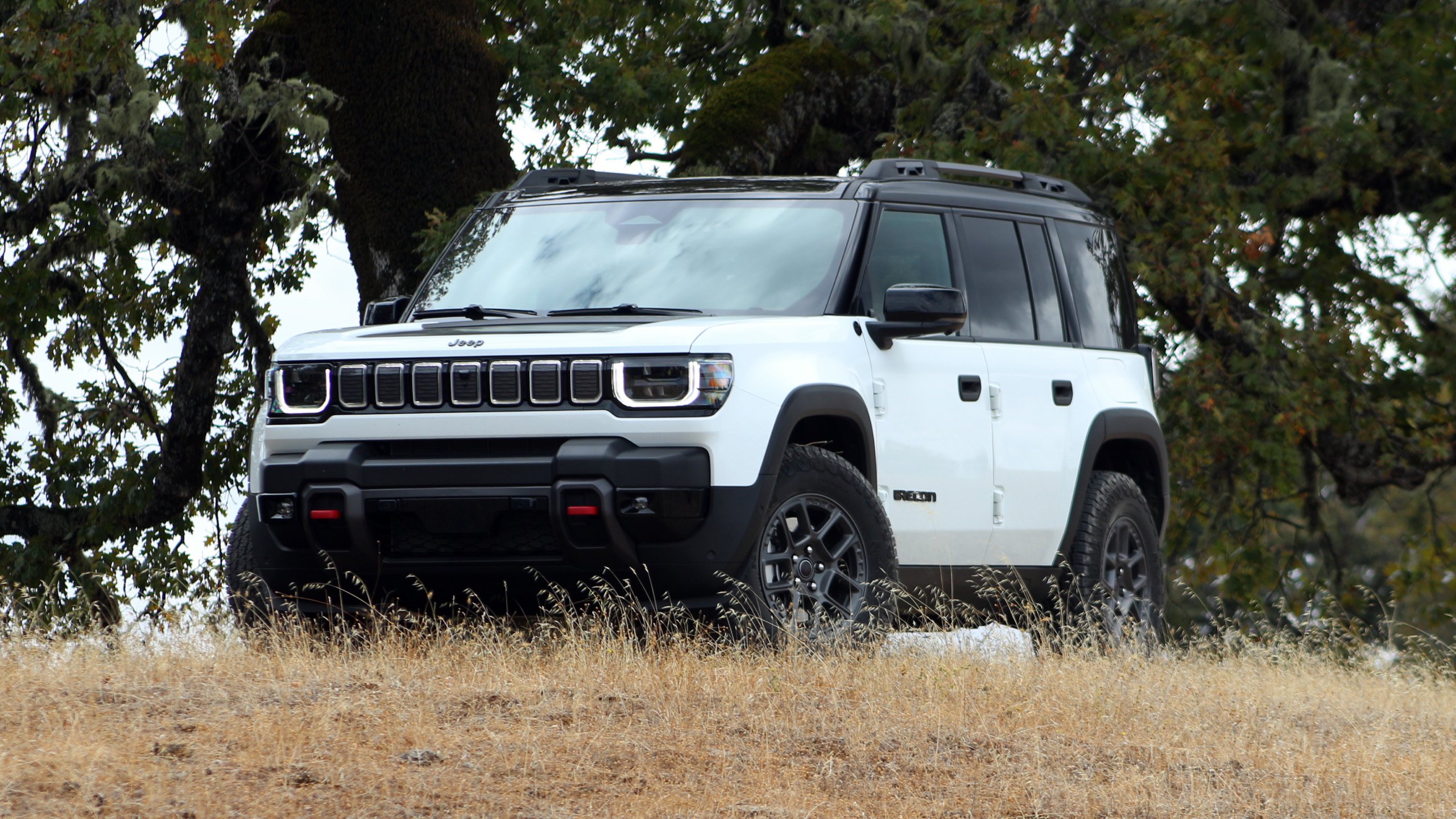
- Full Underbody Armor: Designed to protect the battery and drivetrain from jagged terrain.
- Waterproofing: The electrical systems are sealed to allow for a fording depth of up to two feet.
- Locking Differentials: A push-button electronic locking rear differential provides the traction needed for technical climbs.
- Geometry: With 33-inch all-terrain tires, the Recon boasts a 33.8-degree approach angle, 23.3-degree breakover, and 33.1-degree departure angle.
While these numbers are respectable, they pale in comparison to the dedicated, specialized off-roaders like the Wrangler Rubicon. Where the Recon shines, however, is in its electronic aids. The inclusion of a dedicated "Rock" mode, which enables sophisticated left-foot braking and a hill-holder function, attempts to replicate the mechanical crawl ratio of a traditional combustion-engine Jeep.
Performance: On-Road Vague, Off-Road Capable
Driving the Recon on pavement is an exercise in duality. In a straight line, the 3.6-second 0-60 mph sprint is exhilarating. However, once the road turns, the weight and the all-terrain tires make their presence known. The steering feels floaty and disconnected, lacking the precision found in competitors like the Rivian R2 or even the more luxury-oriented Wagoneer S.
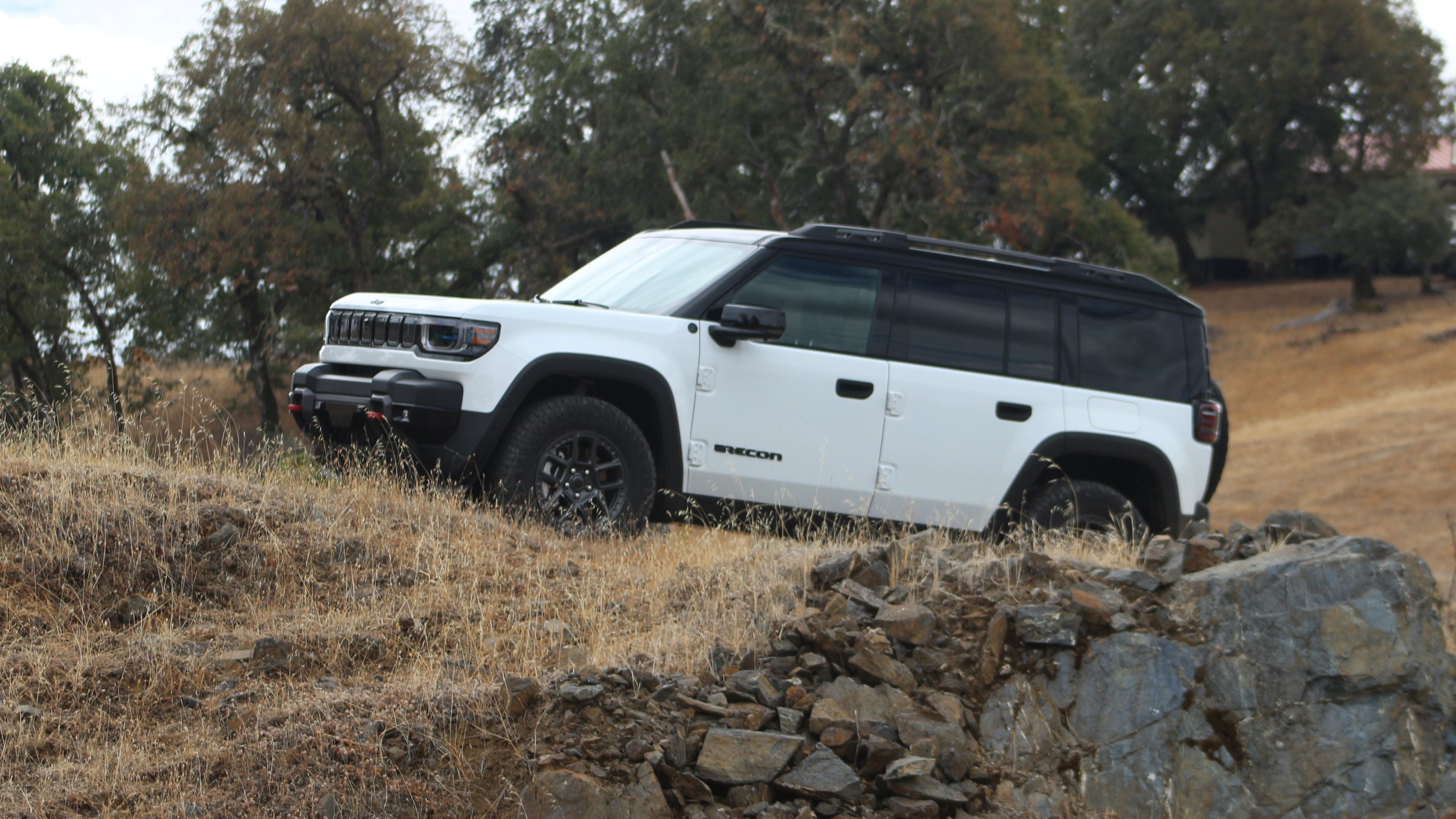
In the twisty sections of California’s backroads, the prototype vehicles exhibited signs of "driveline bucking." This occurs during the transition from regenerative braking to mechanical braking—a subtle, jerky sensation that feels like a poorly timed manual transmission downshift. It is a software-tuning issue that detracts from the premium price tag.
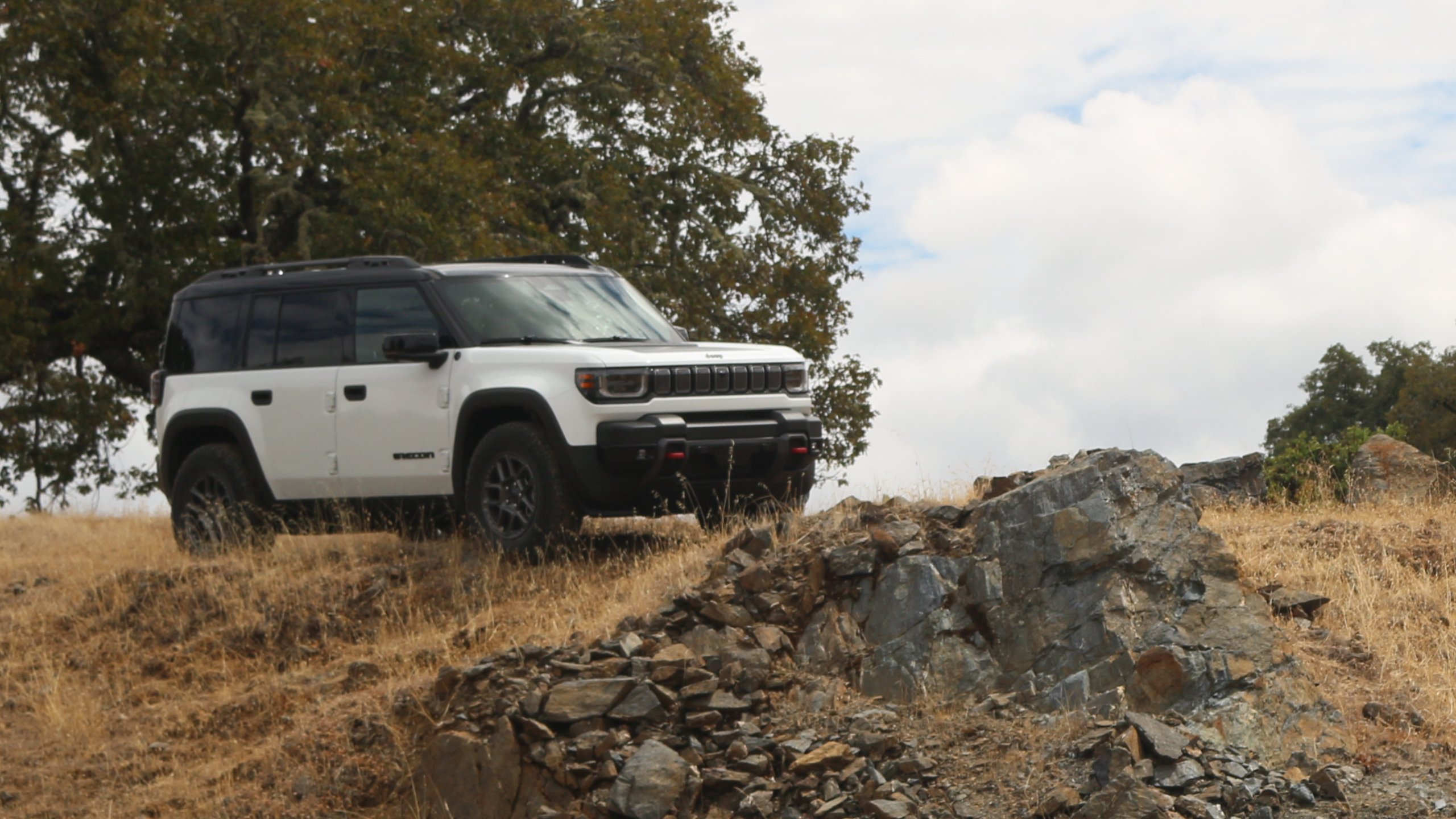
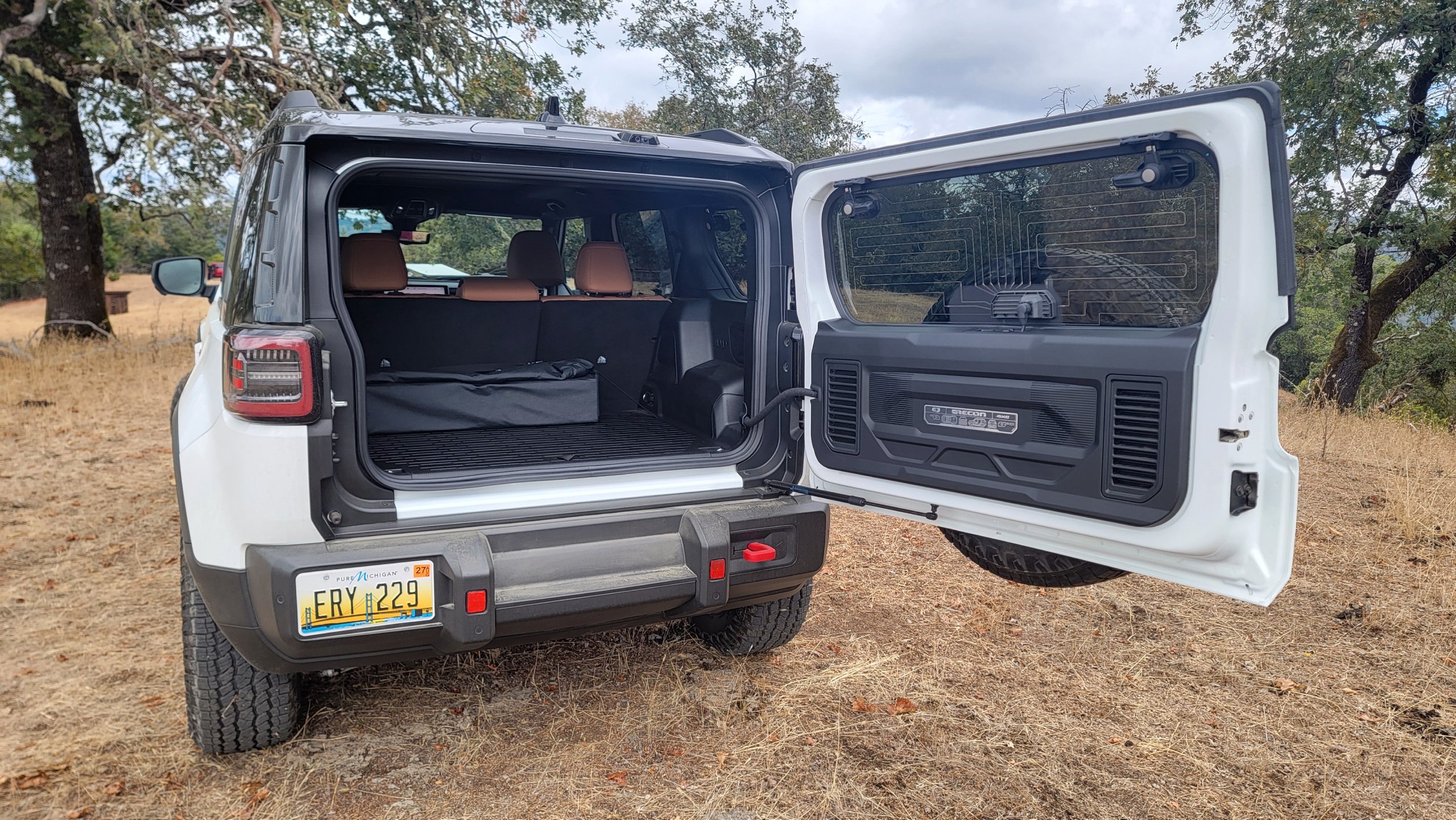
Off-road, the story changes. On wooded hillsides and custom-built obstacles, the Recon is remarkably competent. The low center of gravity provided by the battery pack makes it incredibly stable on steep side-slopes, and the camera systems are class-leading, providing the driver with a crystal-clear view of potential hazards. The ability to remove the doors and rear windows also retains that essential "Jeep-ness" that enthusiasts demand, even if the vehicle itself is a high-tech EV.
Official Responses and Strategic Positioning
Jeep’s messaging has been consistent: the Recon is intended to be a serious tool, not just an eco-friendly fashion statement. When asked about the range concerns and the premium pricing, representatives point to the vehicle’s unique combination of features—the removable doors, the extreme off-road capability, and the high-output dual-motor system.
However, the lack of an entry-level, lower-cost trim at launch suggests that Jeep is targeting a specific, high-income demographic that values the brand name over the efficiency metrics often prized by EV buyers. The strategy appears to be a "halo" approach: use the Recon to prove that electric propulsion can survive the trail, even if it isn’t yet the most efficient or polished vehicle in the segment.
The Implications: Where Does the Recon Stand?
The 2026 Jeep Recon is a vehicle at a crossroads. It represents the brand’s commitment to the future, but it is currently hampered by the weight of its own development history. For the brand to succeed, it must reconcile the $67,000 price tag with the current reality of its performance.
Market Challenges
The competitive landscape has shifted rapidly since the Recon was first announced. Brands like Rivian have established a high bar for off-road EVs, while traditional players like Hyundai and Chevrolet have mastered the art of efficient, usable range. For the Recon to survive, it must stop competing on raw horsepower and start competing on refinement.
The "Enthusiast" Factor
Jeep enthusiasts are notoriously loyal, but they are also notoriously critical. They will tolerate an "objectively awful" form of transportation if it offers a unique, visceral experience. The Recon has the "special" bits—the lockers, the doors, the ground clearance—but it lacks the cohesive soul that makes a Wrangler a legend.
Future Outlook
The question remains: will a "Rubicon" trim level be the saving grace for the Recon? Jeep has a long history of taking a base vehicle and transforming it into a masterpiece through suspension, tire, and gear ratio tweaks. If the company applies that same "Rubicon" rigor to the software and chassis tuning of the Recon, it could potentially evolve from a 5/10 prototype into a market-leading off-roader.
Conclusion
The 2026 Jeep Recon is, in its current iteration, a half-baked effort that arrived two years late to a party that has already moved on. It offers flashes of brilliance—specifically on the trail, where its electronic systems and low center of gravity make for a surprisingly capable machine. However, the on-road behavior, the lack of range efficiency, and the significant software-tuning gaps suggest that the Recon is still in its infancy.
For the Jeep faithful, the Recon is an interesting, albeit expensive, experiment. For the broader EV market, it serves as a warning that badge recognition and historical prestige are not enough to guarantee success in the electric age. Jeep has successfully built a "Trail-Rated" electric vehicle; now, they must build a good one.
