





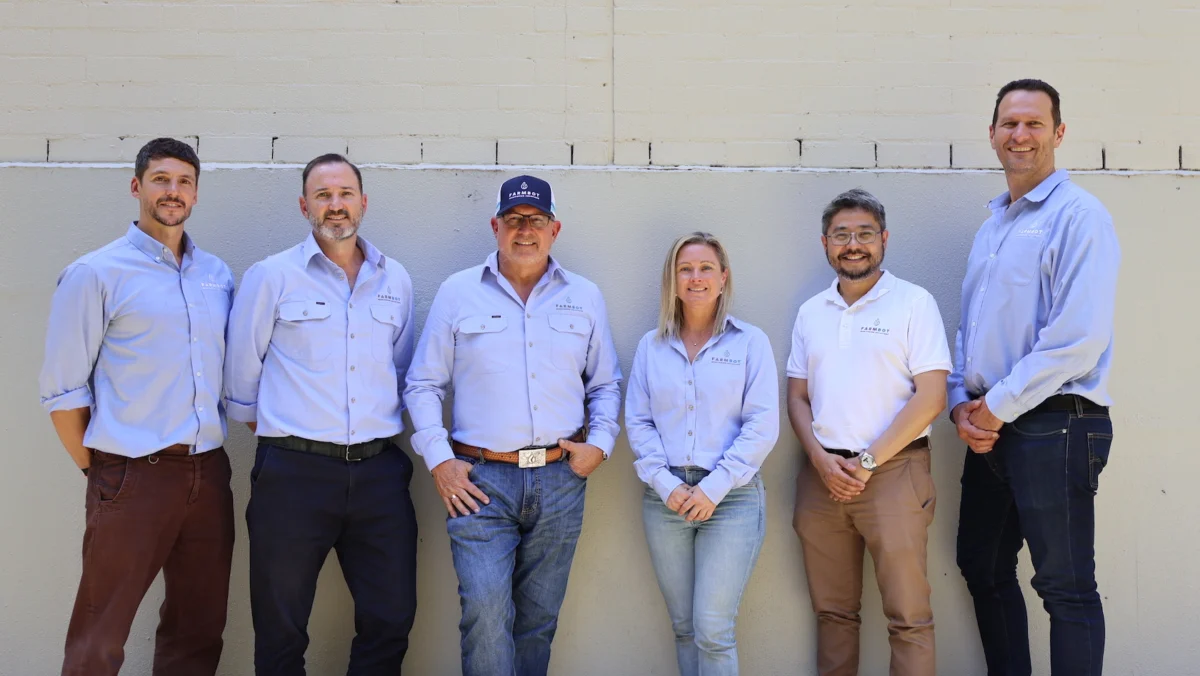
In a significant milestone for the Australian agtech sector, Sydney-born Farmbot has successfully closed a $22 million (US$15 million) Series B funding round. The capital injection is set to act as a catalyst for the company’s aggressive international expansion, specifically targeting the vast, untapped potential of the North American livestock market, where it operates under the brand "Ranchbot."
The funding round was led by Lewis & Clark Partners, a firm known for its focus on innovation-driven growth. They were joined by a cohort of strategic investors, including Fulcrum Global Capital, Builders VC, Level VC, the Meat & Livestock Australia (MLA) Cultiv8 Livestock Technology Fund, and long-time backer Macdoch Ventures. This diverse investor base signals strong confidence in Farmbot’s ability to transition from a successful domestic player to a dominant global force in precision agriculture.
The "Stone Age" Problem: Why Water Monitoring Matters
For generations, the management of water infrastructure on large-scale livestock operations has been a labor-intensive, "Stone Age" endeavor. Farmers and station managers have historically relied on manual inspections—driving hundreds of kilometers across rugged, isolated terrain simply to check if water tanks are full, pumps are functioning, or troughs have been damaged by wildlife.
This manual process is not merely inefficient; it is economically detrimental. In the harsh climates of the Australian outback or the expansive plains of the American Midwest, a single pump failure can lead to catastrophic livestock losses, environmental degradation, and significant financial strain. Farmbot’s core value proposition is the elimination of this "windscreen time." By deploying a network of sensors and satellite-connected IoT devices, Farmbot provides real-time, remote visibility into water levels, pump status, and flow rates.
Chronology: From Sydney Startup to Texas Headquarters
Farmbot’s journey began in 2014, founded on the premise that data-driven agriculture could solve one of the industry’s most persistent pain points.
- 2014: Farmbot is established in Sydney, Australia, with a focus on developing robust, weather-proof hardware capable of surviving the harshest agricultural environments.
- 2015–2018: The company focuses on product-market fit, iterating on sensor technology to ensure seamless connectivity in areas with zero cellular reception, leveraging satellite networks like LoRaWAN and Iridium.
- 2019–2021: Rapid domestic adoption sees Farmbot become a household name among Australian pastoralists. The platform begins aggregating massive datasets regarding livestock water consumption patterns.
- 2022: Recognising the massive scale of the North American cattle industry, the company initiates its "Ranchbot" push, establishing a foothold in the United States.
- 2024: The company makes the strategic decision to move its global headquarters to Fort Worth, Texas—the heart of the American cattle industry—to be closer to its expanding customer base and talent pool.
- 2026: The successful closure of the $22 million Series B round solidifies the company’s trajectory, providing the resources necessary to scale manufacturing and software development for global markets.
Supporting Data: The Scale of Impact
The numbers underpinning Farmbot’s growth are substantial. With over 12,000 customers currently utilizing the platform, the reach of the technology is impressive. The company is now actively monitoring the welfare and water security of approximately 10 million cattle and 15 million sheep.
This data density is not just about counting heads; it is about resource optimization. For every 1,000 head of cattle, the reduction in manual inspection trips equates to hundreds of hours of labor and thousands of dollars in fuel costs annually. Furthermore, the environmental impact is significant. Early detection of leaks prevents the wastage of precious groundwater and surface water, a critical factor in climate-resilient farming.
Official Perspectives and Strategic Rationale
The involvement of the MLA’s Cultiv8 Livestock Technology Fund is particularly notable. As the peak body for Australia’s red meat industry, the MLA’s support validates Farmbot’s technology as a "must-have" tool for modern livestock producers.
Investors have highlighted the "stickiness" of the Farmbot ecosystem. Once a rancher integrates water monitoring into their daily operations, the transition to other smart-farming tools—such as animal tracking, virtual fencing, and pasture management—becomes a natural evolution. By owning the "water infrastructure" layer of the farm, Farmbot positions itself as the central nervous system of the modern ranch.
"The move to Fort Worth was more than just a change of address," says an internal spokesperson. "It was a strategic alignment with the world’s largest livestock market. By embedding ourselves in Texas, we are not just selling a sensor; we are becoming an essential partner in the daily operation of American ranches."
Implications: The Future of Remote Agriculture
The implications of this $22 million injection are twofold: technological advancement and market saturation.
1. Technological Advancement
With the new funding, Farmbot is expected to pour resources into its AI-driven predictive analytics. Moving beyond real-time alerts, the platform is evolving to predict potential failures before they occur. By analyzing pump vibration patterns and historical water consumption data, Farmbot’s software can warn a rancher that a motor is likely to fail in the next 48 hours, allowing for proactive maintenance rather than reactive crisis management.
2. Market Consolidation
The "Ranchbot" brand is currently in a high-growth phase. The U.S. market, characterized by different regulatory environments and operational scales compared to Australia, presents unique challenges and opportunities. The capital will allow Farmbot to scale its distribution channels, build out a local support team in the U.S., and integrate with other major American agricultural software platforms.
3. Sustainability and ESG Goals
As global agriculture faces increasing scrutiny regarding its environmental footprint, Farmbot provides a clear, measurable metric for sustainability. Water efficiency is at the top of the agenda for modern agri-businesses, and the ability to demonstrate precise, efficient water management is becoming a requirement for supply chain certifications and sustainable financing.
Conclusion: A New Era for Ranches
The transition from manual, error-prone monitoring to automated, data-centric systems represents the most significant shift in livestock management since the invention of the tractor. Farmbot’s successful Series B round is a testament to the fact that the "digital ranch" is no longer a futuristic concept—it is a current, profitable, and necessary reality.
As Farmbot expands its presence from the outback of Australia to the vast rangelands of North America, it carries with it the potential to fundamentally redefine the role of the rancher. By removing the burden of manual, repetitive tasks, Farmbot allows producers to focus on what matters most: animal health, land stewardship, and the long-term viability of their enterprises.
With $22 million in the bank and a proven track record, the company is well-positioned to ensure that for thousands of ranches worldwide, the "Stone Age" of water management is officially a thing of the past. As the agtech landscape continues to consolidate, Farmbot’s focus on the critical intersection of water, data, and livestock welfare makes it one of the most watchable companies in the sector for the remainder of the decade.
