




NEW YORK — In a landmark ruling that strikes at the heart of executive authority over immigration policy, a U.S. District Court judge has invalidated a sweeping State Department directive that effectively barred immigrant visa applicants from 75 countries. The decision, handed down on Friday by Judge Jeannette Vargas of the Southern District of New York, represents a significant check on the Trump Administration’s recent efforts to restrict legal immigration through the aggressive expansion of “public charge” regulations.
Judge Vargas’s order vacates all visa denials issued under the directive and mandates that the Department of State immediately resume the practice of individualized adjudication for all applicants, regardless of their nation of origin.
Main Facts: The Scope and Basis of the Ruling
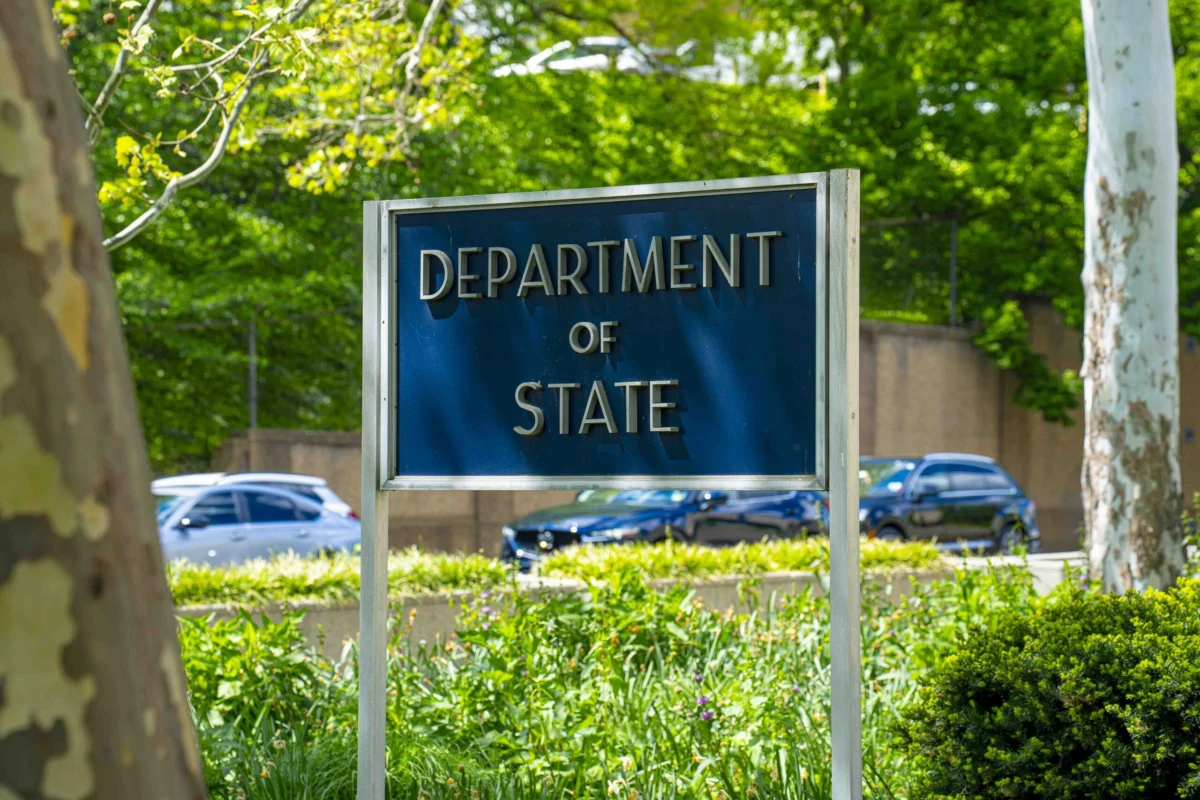
At the center of the legal firestorm was a directive issued in January by Secretary of State Marco Rubio. The order instructed consular officers stationed worldwide to deny immigrant visas to residents of 75 countries, spanning Latin America, Africa, Southeast Asia, the Middle East, and the Caribbean. This action effectively impacted approximately 40% of the world’s sovereign nations, creating a blanket prohibition that operated independently of individual merit or personal circumstances.
The administration defended the policy by citing the “public charge” rule—a provision of U.S. immigration law intended to ensure that those entering the country will be self-sufficient and not dependent on government subsistence. However, Judge Vargas found that the Secretary of State had fundamentally overstepped his statutory authority.
In her stinging 40-page opinion, Judge Vargas characterized the order as “patently unlawful.” She cited the Immigration and Nationality Act (INA), noting that the statute explicitly strips the Secretary of State of the authority to dictate the outcomes of consular adjudications in such a categorical manner. The judge emphasized that the INA requires a granular, case-by-case analysis of each applicant’s financial stability, job skills, and social support network.
“The Policy, which categorically prohibits the issuance of immigrant visas based upon the nationality of the applicant, represents a direct abrogation of this statutory scheme,” Vargas wrote. “Rubio’s order mandates the refusal of visas to eligible applicants without any basis in law… whatever determinations consular officers make as to eligibility for the applicants are ultimately irrelevant. The outcome is predetermined. The visa will be refused.”
Chronology: From Directive to Judicial Intervention
The path to this week’s ruling began earlier this year, marked by a series of escalations between the administration and immigrant advocacy groups.
- January 2026: Secretary of State Marco Rubio issues a confidential directive to consular posts, instructing officers to treat all applicants from a curated list of 75 countries as “high risk” for becoming public charges.
- July 2026: The Trump Administration formally announces an expansion of the public charge rule, declaring that any immigrant who has utilized public benefits—or is deemed likely to do so—will be denied a green card. This announcement provided the public framework for the earlier, narrower directive.
- August 2026: The Catholic Legal Immigration Network and African Communities Together file a lawsuit in the Southern District of New York, challenging the legality of the blanket ban.
- August 21, 2026: Judge Jeannette Vargas issues her ruling, declaring the State Department’s policy void and ordering an immediate halt to the practice of mass denials based on nationality.
Supporting Data: Understanding the Public Charge Rule
The “public charge” doctrine is not a new concept in American immigration law, but its application has become a primary lever for executive-branch immigration control. Under the INA, consular officers are mandated to weigh several factors—including age, health, family status, assets, resources, financial status, education, and skills—to determine whether an individual is likely to rely on the government for survival.
The administration’s argument relied on the premise that citizens from the 75 listed countries represented an inherent, statistical risk of dependency. However, legal scholars have long argued that the administration’s interpretation of “public charge” is overly broad. By applying a blanket ban, the State Department effectively bypassed the statutory requirement to conduct “individualized assessments.”
Data from the Department of State suggests that the affected countries were selected based on internal metrics regarding visa overstay rates and socio-economic profiles. Yet, as the plaintiffs successfully argued in court, the INA does not grant the Secretary of State the power to bypass the law based on broad geographic generalizations. The legislative intent behind the INA, as noted by Judge Vargas, is to create a pathway for legal immigration that rewards individual merit rather than punishing individuals for the economic conditions of their home nations.
Official Responses: A Clash of Legal Philosophies
The ruling has triggered a swift and polarized response from government officials and advocacy organizations.
The Administration’s Stance
The State Department, through a spokesperson, maintained that the directive was a necessary exercise of executive discretion aimed at protecting the American taxpayer. Officials argued that because the applicants were deemed a “high risk for becoming a public charge,” the government was acting within its duty to prioritize the fiscal stability of the United States. While the Department has not yet announced an appeal, legal analysts expect the government to seek a stay of the order as it evaluates its next steps.
Advocacy and Legal Perspectives
For the National Immigration Law Center (NILC), which supported the plaintiffs, the decision is a resounding vindication of the rule of law. “This is a major victory for families, fairness, and the rule of law,” said a representative for the NILC. “The administration attempted to bypass the democratic process by using a bureaucratic mechanism to achieve a discriminatory outcome. Judge Vargas has reminded the executive branch that they are not above the statutes passed by Congress.”
The Catholic Legal Immigration Network expressed relief, noting that the ruling protects thousands of families who were caught in a legal limbo, having been denied visas despite meeting all legal requirements for entry.
Implications: The Future of Immigration Adjudication
The fallout from this decision extends far beyond the immediate restoration of visa processing.
1. Limits on Executive Power
This ruling serves as a significant check on the “regulatory state.” By affirming that the Secretary of State cannot unilaterally alter the adjudicatory standards set by Congress, the court has signaled that the administration’s use of administrative rules to circumvent legislative intent will face high levels of scrutiny.
2. Operational Impact on Consular Posts
For consular officers, the ruling provides clarity—and a significant logistical burden. Posts around the world must now re-evaluate pending applications that were previously denied under the blanket ban. This is expected to cause temporary delays as the State Department updates its internal systems and guidance to align with the court’s order.
3. A New Legal Precedent
The use of “national origin” as a proxy for financial risk has now been soundly rejected by the federal court. This precedent will likely be cited in future litigation regarding immigration restrictions, making it more difficult for the administration to justify broad bans that lack an individualized evidentiary basis.
4. Broader Political Consequences
The ruling adds a new dimension to the ongoing debate over the Trump Administration’s immigration agenda. As the country approaches future election cycles, the judiciary’s willingness to strike down these policies will likely galvanize both sides of the political aisle. Proponents of the administration argue that the court is engaging in “judicial activism,” while opponents view the decision as a critical defense of the separation of powers.
Conclusion
Judge Jeannette Vargas’s decision marks a pivotal moment in the 2026 immigration landscape. By reaffirming that the law—not executive whim—governs the visa process, the Southern District of New York has reinforced the principle that every immigrant’s application deserves a fair, individual, and lawful assessment. Whether this ruling will survive an inevitable appeal remains to be seen, but for now, the blanket ban on citizens from 75 nations has been dismantled, opening the door for thousands to have their cases heard on their own merits.
