

Executive Summary: A Nation in Freefall
Five years after the Taliban’s return to power in August 2021, Afghanistan stands at a harrowing crossroads. A new report from Human Rights Watch (HRW) has painted a stark picture of a nation dismantled, where systemic human rights abuses, gender-based persecution, and a crumbling socio-economic infrastructure have created one of the most severe humanitarian crises in the modern era.
The international community, once deeply invested in the nation’s reconstruction, has largely retreated into a posture of passive concern. However, advocacy groups and international observers argue that mere statements of condemnation are no longer sufficient. As the country marks this grim five-year anniversary, the call for decisive, multilateral action has never been more urgent. With the Taliban codifying oppression into law and the withdrawal of critical foreign aid, the Afghan population—particularly its women and children—faces an existential threat that demands a robust, unified global response.
A Chronology of Decline: From Transition to Totalitarianism
The trajectory of Afghanistan since August 2021 is characterized by a rapid and deliberate dismantling of civil society.
- August 2021: The Taliban completes its takeover of Kabul, signaling the end of the previous republican government and the beginning of a rapid transition to fundamentalist rule.
- 2022-2023: Initial restrictive policies on secondary education for girls evolve into a total ban on female access to secondary and higher education. Public space restrictions for women begin to tighten.
- 2024: The Taliban formalizes its "virtue and vice" administrative framework, effectively institutionalizing gender apartheid. Relations with neighboring Pakistan deteriorate into open hostility, straining regional security.
- 2025: A pivotal year marked by a seismic shift in global policy. The United States, formerly the largest donor of humanitarian aid, shifts its foreign policy stance, effectively shuttering its foreign aid programs to the country. This withdrawal coincides with the UN’s adoption of a resolution to establish an independent accountability body for human rights crimes.
- August 2026: The five-year marker. HRW reports that the environment for human rights in Afghanistan has reached a nadir, with the International Criminal Court (ICC) issuing the first high-level arrest warrants for senior Taliban officials.
Supporting Data: The Anatomy of a Crisis
The humanitarian landscape in Afghanistan is defined by statistical indicators that place it at the absolute bottom of global rankings.
Gender Apartheid and Legalized Oppression
According to the Georgetown Institute for Women, Peace, and Security, Afghanistan consistently ranks last in their index regarding women’s inclusion, justice, and security. The Taliban has moved beyond social prohibitions, embedding their ideology into a rigid legal framework:
- Education: Women and girls are legally barred from education beyond the elementary level, effectively creating a generation without formal skills or social mobility.
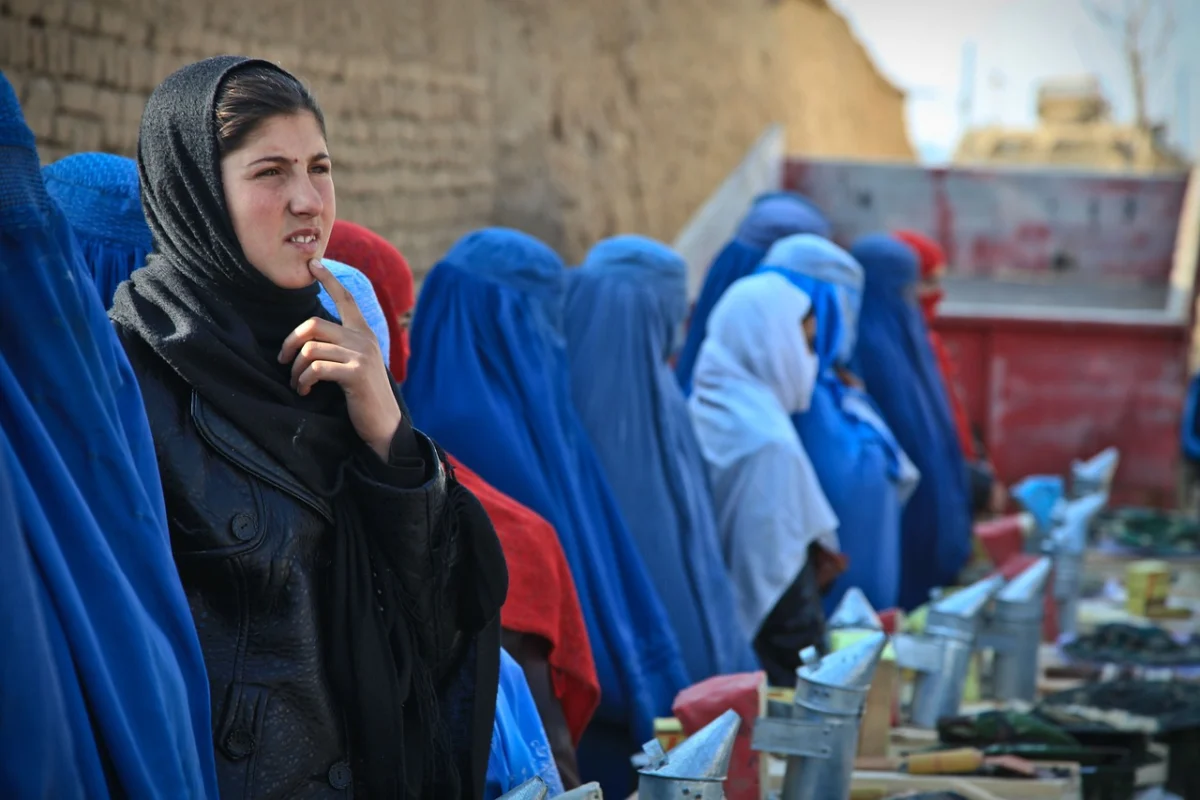
- Healthcare: Systemic restrictions have made it nearly impossible for women to access independent healthcare. UN Women estimates that over 10 million Afghan women and girls are currently in dire need of humanitarian assistance to survive.
- Domestic Rights: The dissolution of the minimum age for legal marriage and the removal of protections against domestic violence have left women and girls vulnerable to extreme exploitation within the home.
Economic and Food Insecurity
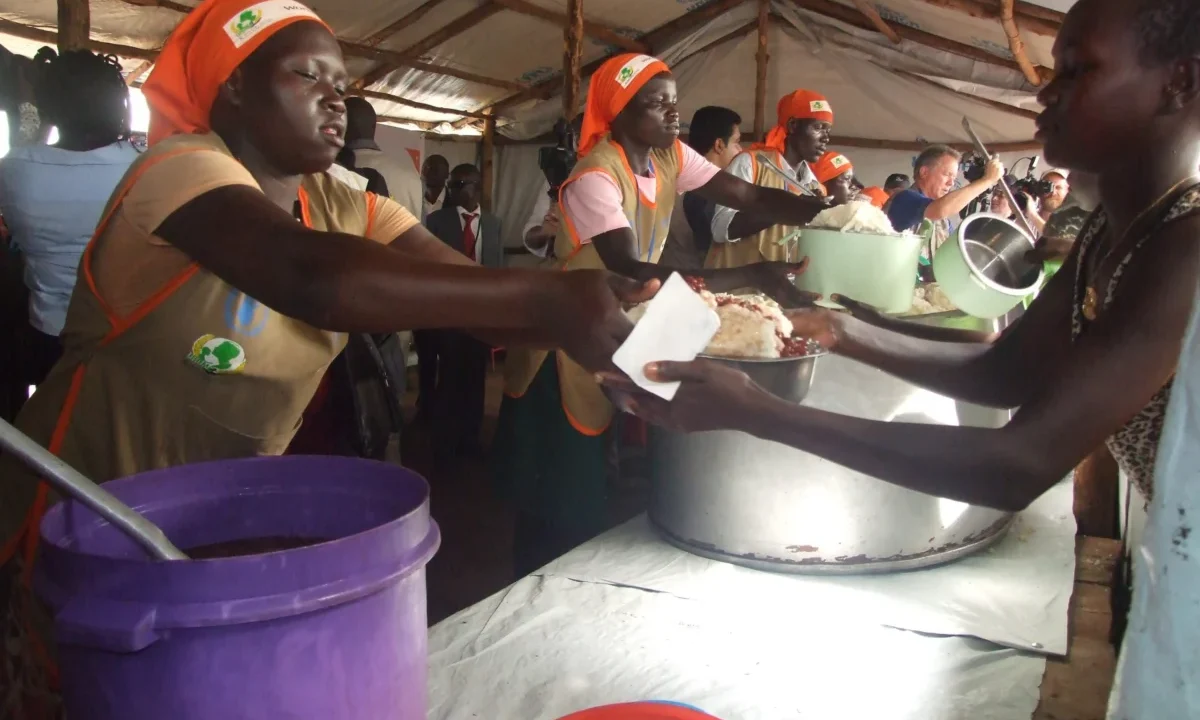
The economic collapse is not merely a byproduct of political transition but a result of failed state management. Nearly one-third of the population is facing acute food insecurity. The convergence of blocked supply routes, persistent crop failures due to an intensifying climate crisis, and a mass influx of returning refugees from neighboring countries has pushed the nation to the brink of famine.
The Withdrawal of International Support
The humanitarian crisis has been significantly exacerbated by a sharp decline in foreign aid. Historically, the United States was responsible for approximately 40 percent of the total humanitarian assistance entering Afghanistan. The shift in US policy during 2025, which saw the cessation of the majority of its aid programs, created a vacuum that no other nation or coalition has been able to fill.
This retreat by major Western donors, including the UK, has left aid organizations struggling to provide even the most basic necessities, such as food, clean water, and medical supplies. Critics argue that while the intent of such policies may be to punish the Taliban regime, the practical result is the collective punishment of the Afghan people.
Official Responses and the Pursuit of Justice
In the face of systemic impunity, the international community is attempting to pivot toward accountability.
The UN Accountability Body
In late 2025, the United Nations adopted a landmark resolution creating an independent body specifically tasked with investigating human rights abuses in Afghanistan. This body is designed to document international crimes, including the crime against humanity of gender persecution.
Fereshta Abbasi, an Afghanistan researcher at HRW, emphasized that this is a critical moment for the global community:
"The fifth anniversary of the Taliban takeover is a grim marker of the devastating costs of impunity. Governments should move beyond statements of concern and press for justice for serious crimes in Afghanistan, including the crime against humanity of gender persecution."
The ICC’s Role
The International Criminal Court has become the primary venue for legal recourse. Following years of investigation, the court has begun issuing arrest warrants for senior Taliban leaders. While these actions represent a significant legal milestone, their efficacy remains tethered to the cooperation of international governments in enforcing these warrants and supporting the court’s investigative capacity.
The path to justice remains fraught. The ICC’s inquiry into war crimes—which began in 2020—has faced consistent political pushback, including from previous US administrations. However, the current momentum toward documenting the "Taliban normalization of gender apartheid" suggests that the legal net is tightening.
Implications: The Risk of Long-term Regional Destabilization
The implications of the Afghanistan crisis extend far beyond its borders. The humanitarian catastrophe is a primary driver of mass displacement, which threatens to destabilize neighboring states and create a persistent refugee crisis that the international community is currently ill-equipped to handle.
Furthermore, the "normalization" of gender-based rights violations in Afghanistan sets a dangerous global precedent. If the international community fails to hold the Taliban accountable, it signals to other regimes that the systematic erasure of women’s rights can be carried out with impunity.
The Road Ahead
To prevent a total state failure, experts suggest a three-pronged approach:
- Refunding Humanitarian Channels: The international community must decouple humanitarian aid from political negotiations to ensure that food and medical supplies reach the most vulnerable, regardless of the political climate.
- Bolstering Accountability: Countries must provide the UN accountability body with the funding and intelligence access required to build airtight cases for the ICC.
- Regional Engagement: A unified approach among Afghanistan’s neighbors is required to manage borders, refugee movements, and the mitigation of the looming food security collapse.
The five-year anniversary of the Taliban takeover is not merely a date on the calendar; it is a testament to the consequences of global inaction. As the humanitarian, social, and legal situation continues to deteriorate, the question remains whether the world will finally provide the "overwhelming international support" required to avert a full-scale tragedy, or whether the people of Afghanistan will be left to face their darkest chapter alone.
