



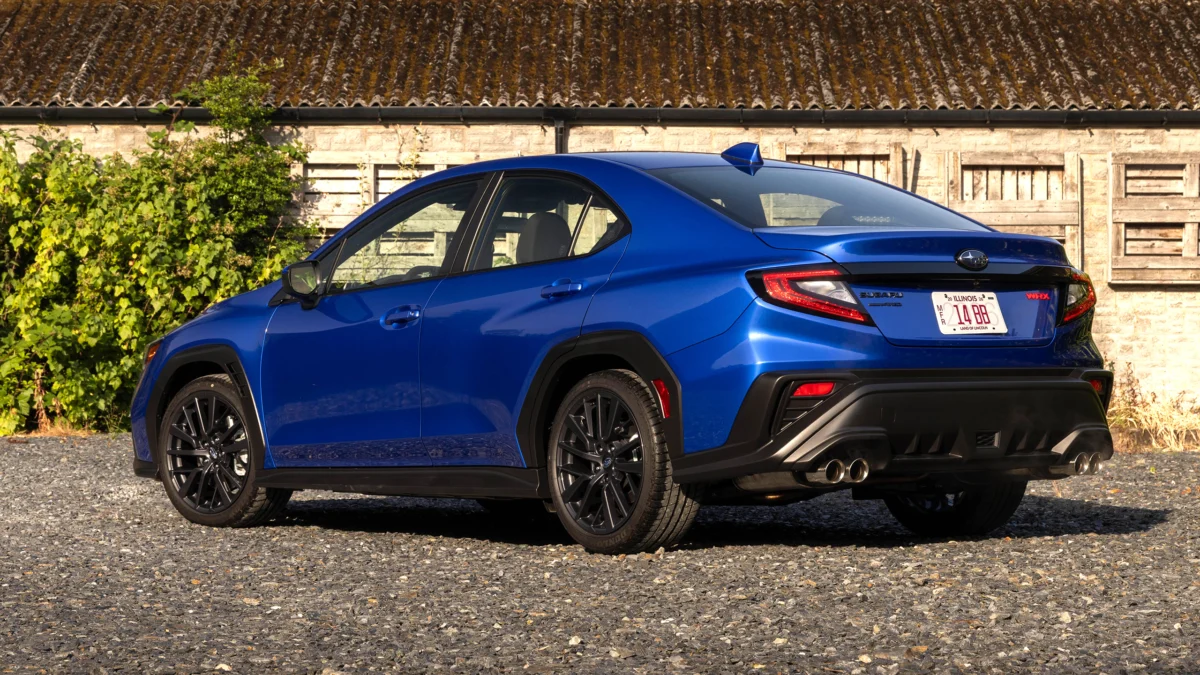
For automotive enthusiasts, few nameplates carry the weight of history quite like the Subaru WRX. Born from the crucible of World Rally Championship (WRC) dominance in the 1990s, the "World Rally eXperimental" has long served as the accessible icon for those who prioritize all-wheel-drive traction and turbocharged agility over traditional luxury. Yet, 2025 was a year of profound uncertainty for the badge. Plagued by supply chain prioritization and shifting corporate mandates, the WRX hit a historic low, leading many industry analysts to whisper that the rally-bred sedan was quietly being phased out.
However, as the dust settles on the summer of 2026, the narrative has shifted dramatically. With a 191% year-over-year sales surge in August alone, the WRX is not just surviving—it is staging one of the most compelling turnarounds in the modern performance segment.
The Manufacturing Musical Chairs: Why 2025 Failed
To understand the current triumph, one must acknowledge the lean times. Throughout 2025, Subaru of America faced a high-stakes dilemma. The automaker’s manufacturing capacity, while robust, was under immense pressure to keep up with the insatiable demand for the Forester—the brand’s bread-and-butter SUV.
In the corporate boardrooms of Gunma, Japan, and Camden, New Jersey, the math was cold but logical: prioritize the high-volume family hauler or keep the niche enthusiast sedan in production? The WRX became a casualty of this "manufacturing musical chairs." By deprioritizing the assembly lines dedicated to the sedan, Subaru effectively throttled the vehicle’s availability.
This scarcity was compounded by a marketing strategy that pushed the WRX further upmarket, temporarily abandoning the entry-level enthusiast demographic. By the time 2025 closed, the sales figures were arguably the lowest in the model’s storied history. It wasn’t a lack of interest from the public, but a lack of product on the dealer lots.
A Chronology of the Rally-Sedan’s Recovery
The path to recovery began with a fundamental shift in strategy during the winter of 2025. Recognizing that they risked alienating a core segment of their customer base, Subaru executives initiated a course correction.
- January 2026: Subaru announces the return of the base model WRX. Priced at $32,495, this move slashed the barrier to entry by approximately $5,000 compared to the previously "entry-level" Premium trim.
- Spring 2026: As supply chain constraints eased, dealer lots began to see a steady influx of inventory. Unlike the previous year, the production priority shift favored the return of the performance sedan to showrooms.
- Mid-Summer 2026: Aggressive marketing campaigns coupled with the wider availability of the base model began to convert "wait-and-see" buyers into owners.
- August 2026: The definitive turning point. Subaru reported 1,778 units sold for the month, compared to a mere 611 in August 2025—a 191% increase.
Analyzing the Data: A Statistical Comeback
The numbers behind the WRX’s 2026 performance offer a masterclass in how inventory and pricing elasticity affect niche performance cars. As of the end of August 2026, Subaru has moved 10,324 units year-to-date. This represents a 37.7% increase compared to the same period in 2025.
Perhaps most telling is the proximity to the 2025 annual total. With just over 10,000 units sold by the end of August, the WRX is currently only about 600 units shy of matching the entirety of the previous year’s output. By the time the fourth quarter concludes, it is almost certain that the model will have surpassed its 2025 figures by a significant margin, potentially reaching levels of volume not seen since the height of the previous generation’s popularity.
The return of the base model served as the primary catalyst. By offering a more accessible entry point, Subaru allowed a younger generation of buyers—often the lifeblood of the WRX community—to engage with the brand without the financial strain of the higher-tier trims.
The Product Paradox: Stagnation vs. Stability
While the sales figures are cause for celebration, the product itself remains a point of intense debate within the automotive press. Despite the financial recovery of the model, the WRX is currently fighting a perception of stagnation.
The current platform, while solid, has remained largely unchanged in its core performance parameters. Every WRX currently on the road utilizes the 2.4-liter turbocharged boxer-four, producing 271 horsepower. For a car that once defined the "horsepower wars" of the early 2000s, the current output feels modest compared to the escalating performance figures of modern hot hatches and sedans.
Furthermore, the absence of a mechanical limited-slip differential across the board remains a glaring omission for enthusiasts. While higher-end trims like the TR and the tS have introduced marginal improvements in braking and chassis rigidity, they have failed to provide the "quantum leap" in performance that the community has clamored for since the discontinuation of the STI badge.
Official Stance and Market Implications
Subaru has remained tight-lipped regarding the long-term future of the STI moniker, despite consistent teasing of special, high-performance variants in the Japanese domestic market. For now, the strategy appears to be one of "managed stability." By focusing on the WRX as a versatile, all-weather daily driver rather than a track-focused weapon, Subaru is successfully insulating the brand from the volatility of the hardcore enthusiast market.
However, this approach carries risks. The competition is not standing still. With the rise of electrified performance vehicles and the continued evolution of competitors like the Toyota GR Corolla, Subaru must eventually address the "long-in-the-tooth" feeling of the current WRX.
The Implications for Enthusiasts
The recent sales success suggests that there is still a robust appetite for a manual-transmission, all-wheel-drive sedan. However, if Subaru continues to lean on current specs, they risk being relegated to the status of a "legacy choice" rather than an industry leader.
The successful reintroduction of the base model provides a blueprint for how Subaru can sustain the WRX through the end of this platform’s life cycle. By keeping the price point competitive and ensuring steady availability, they have effectively bought themselves time. But the question remains: what happens when that time runs out?
Will Subaru finally answer the prayers of the loyalist base with a true successor to the STI, or will they continue to refine the current recipe until it no longer satisfies the hunger of the performance market?
Conclusion
The 2026 turnaround of the Subaru WRX is a testament to the enduring appeal of the brand. By correcting the inventory mismanagement of 2025 and re-establishing an accessible price floor, Subaru has successfully brought the WRX back from the brink. The sedan remains a vital component of the Subaru identity, acting as the halo for a brand that prides itself on capability and rally heritage.
As we look toward the remainder of the year and into 2027, the focus will undoubtedly shift from "survival" to "evolution." For now, the rally-bred sedan has proven that reports of its death were, at the very least, premature. Whether it can maintain this momentum without significant mechanical innovation is the next great question for the engineers in Gunma. For now, the fans are buying, the cars are moving, and the rumble of the boxer-four remains a staple of the automotive landscape.
