




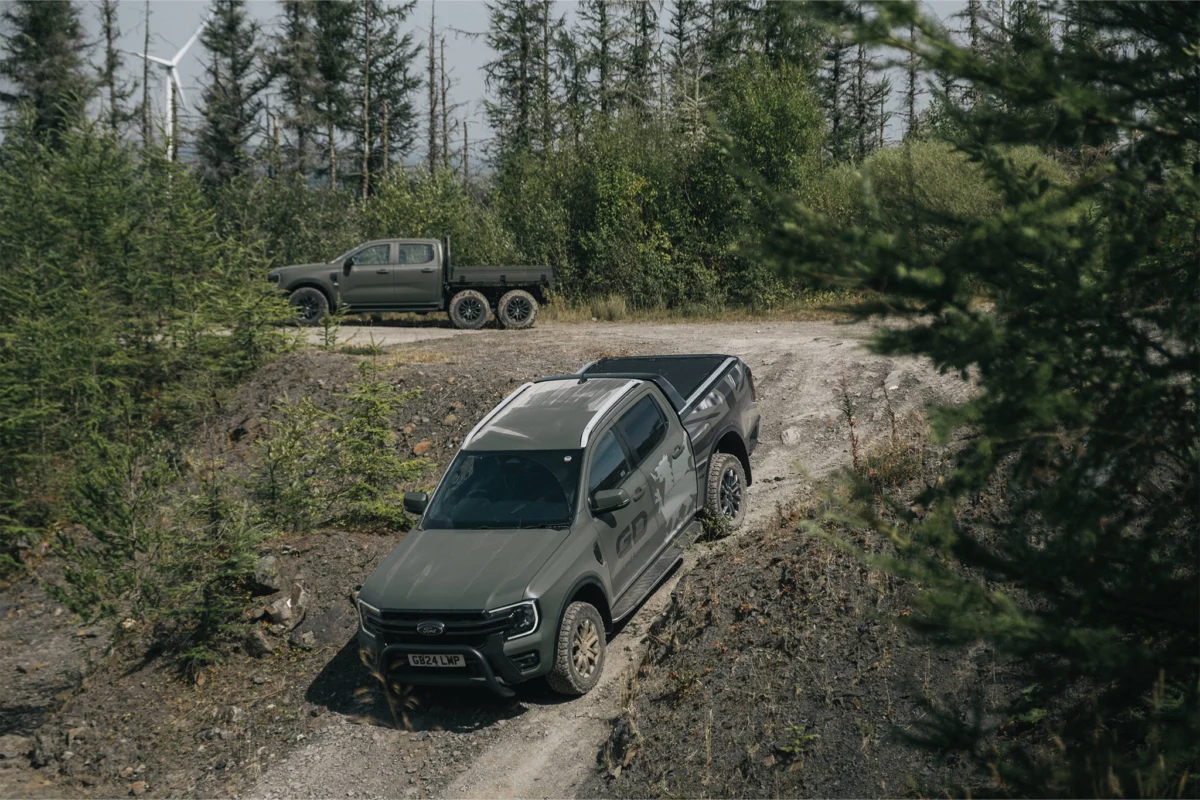
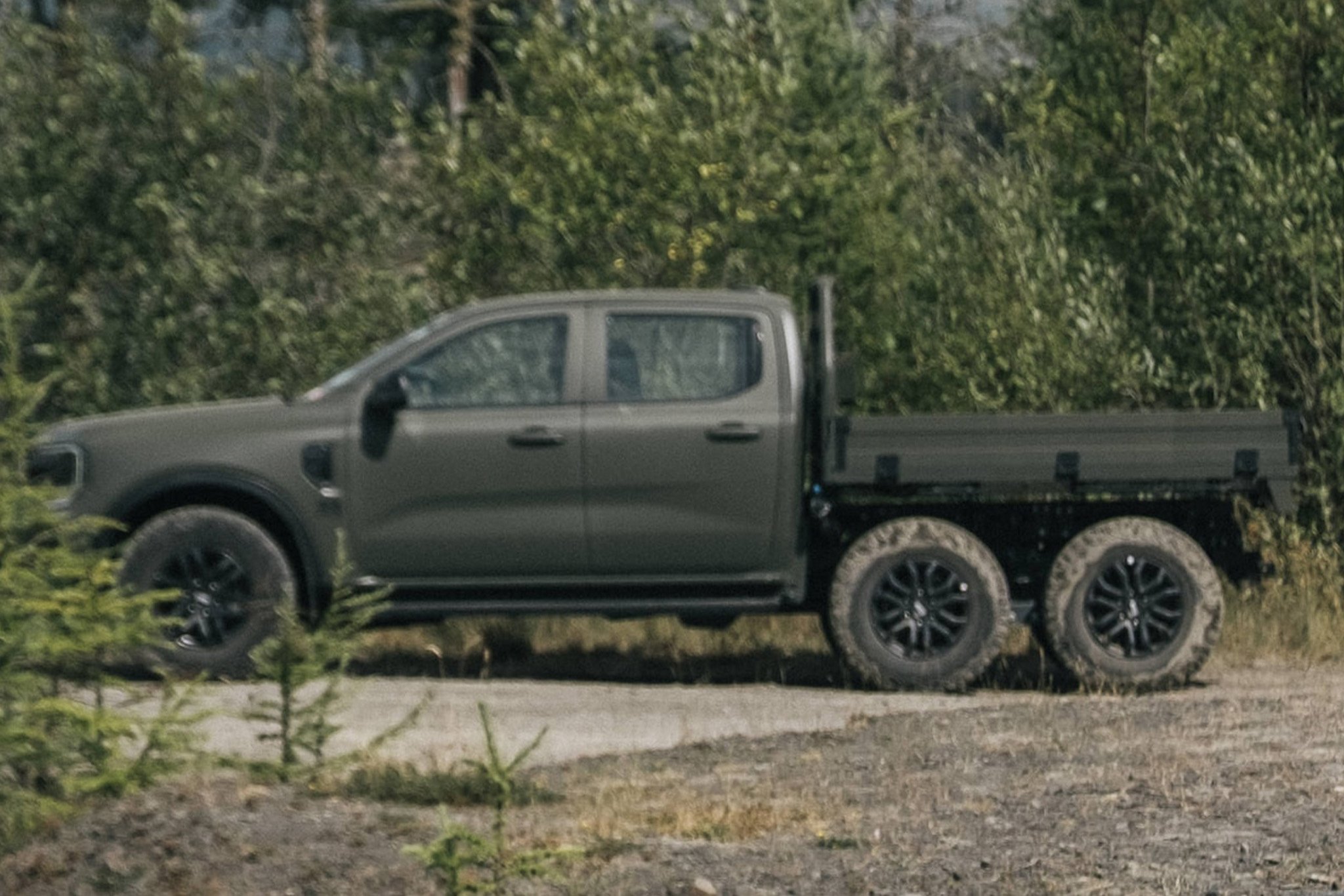
While the American automotive market remains arguably the most spoiled in the world—boasting high-performance icons like the F-150 Raptor R, the Ram 1500 TRX, and the trail-conquering Chevrolet Silverado ZR2—there is a glaring void in the domestic lineup. Enthusiasts and utility operators alike have long cast envious eyes toward international markets, specifically those enjoying the Ford Ranger Super Duty. Now, Ford has raised the stakes, unveiling a 6×6 configuration that pushes the midsize platform into a realm of capability previously reserved for heavy-duty military hardware.
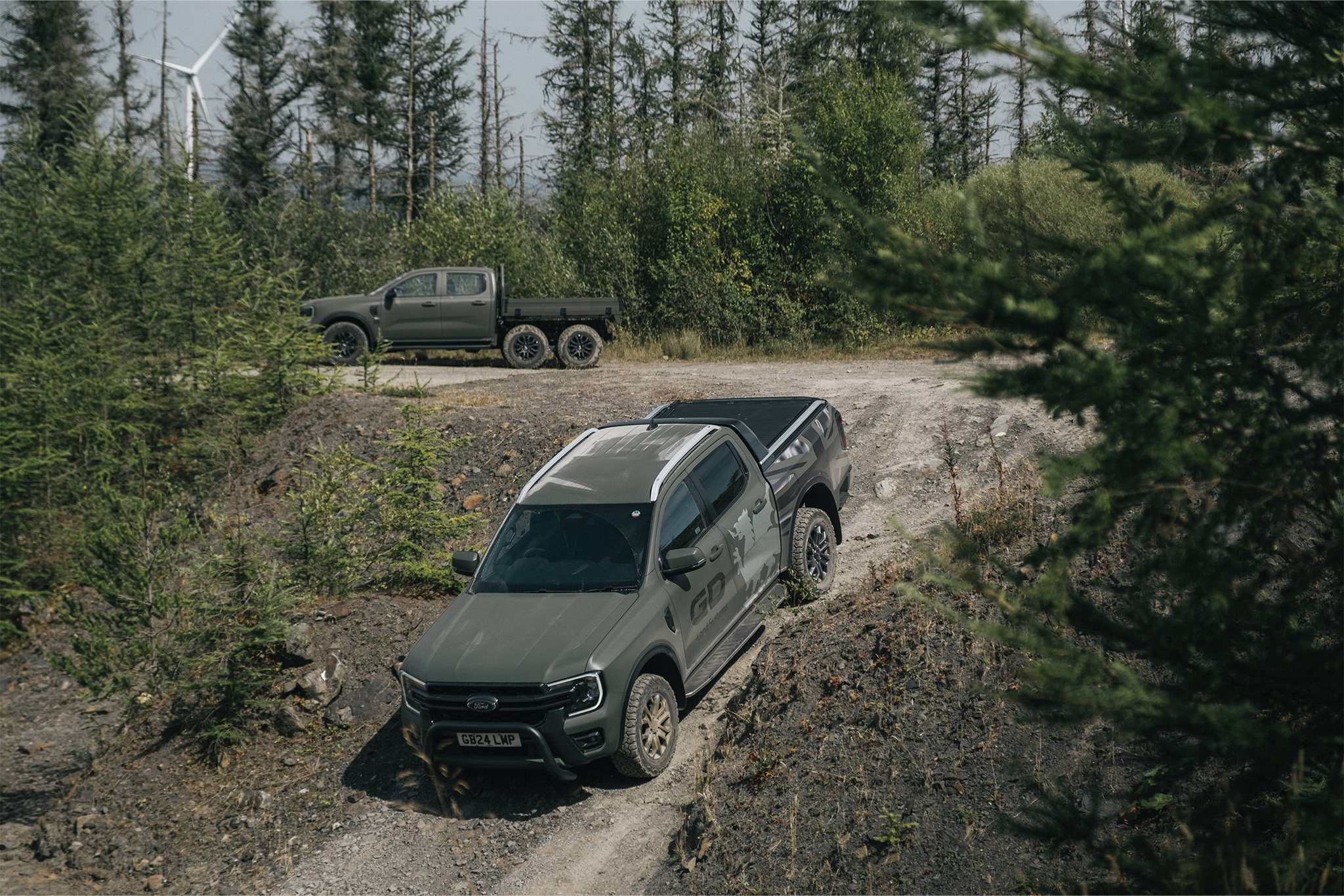
Developed with a singular focus on the United Kingdom Ministry of Defence’s (MoD) Light Mobility Vehicle (LMV) program, this six-wheeled variant is not just a marketing exercise; it is a specialized tool engineered for the most demanding environments on Earth.
The Genesis of the Ranger Super Duty 6×6
The standard Ford Ranger Super Duty, already a formidable workhorse in markets like Australia, was designed to bridge the gap between the standard midsize pickup and the heavy-duty F-Series. With a towing capacity of 9,920 pounds and a payload rating of 4,370 pounds, it is already over-engineered for the average consumer. However, the move to a 6×6 configuration signifies a strategic pivot by Ford to capture the government and defense contract sector.
"We engineered the Ranger for conversion from day one," noted Jim Baumbick, President of Ford Europe. This design philosophy—centered on a modular, high-strength chassis—allowed Ford’s engineering teams to integrate the third axle without compromising the structural integrity of the frame. By leveraging the existing 3.0-liter turbodiesel V6 powertrain, Ford has created a vehicle that maintains the agility of a midsize truck while providing the traction and load-bearing capacity of a much larger vehicle.
Chronology of Development: From Concept to Battlefield Candidate
The development of the 6×6 variant follows a rigorous timeline aimed at meeting the stringent requirements of the British military’s LMV initiative:
- Foundation Phase: Ford’s European engineering arm focused on the “Super Duty” chassis, reinforcing the frame to handle increased GVWR (Gross Vehicle Weight Rating) and the addition of a secondary rear axle.
- Tactical Integration: Throughout early 2026, the vehicle underwent testing for specialized roles. Engineers prioritized modularity, ensuring the chassis could support both a troop-transport rear bench configuration and a high-clearance battlefield ambulance module.
- Military Specification Testing: The vehicle was optimized for military-grade communication systems. Unlike consumer trucks, the LMV candidate required secure integration points for tactical mission software, moving the 12-inch center display from a media hub to a command-and-control interface.
- Public Unveiling: The 6×6 prototype was revealed to the public in September 2026, signaling Ford’s intent to compete directly against traditional military vehicle manufacturers for the UK’s LMV contract.
Engineering and Tactical Specifications
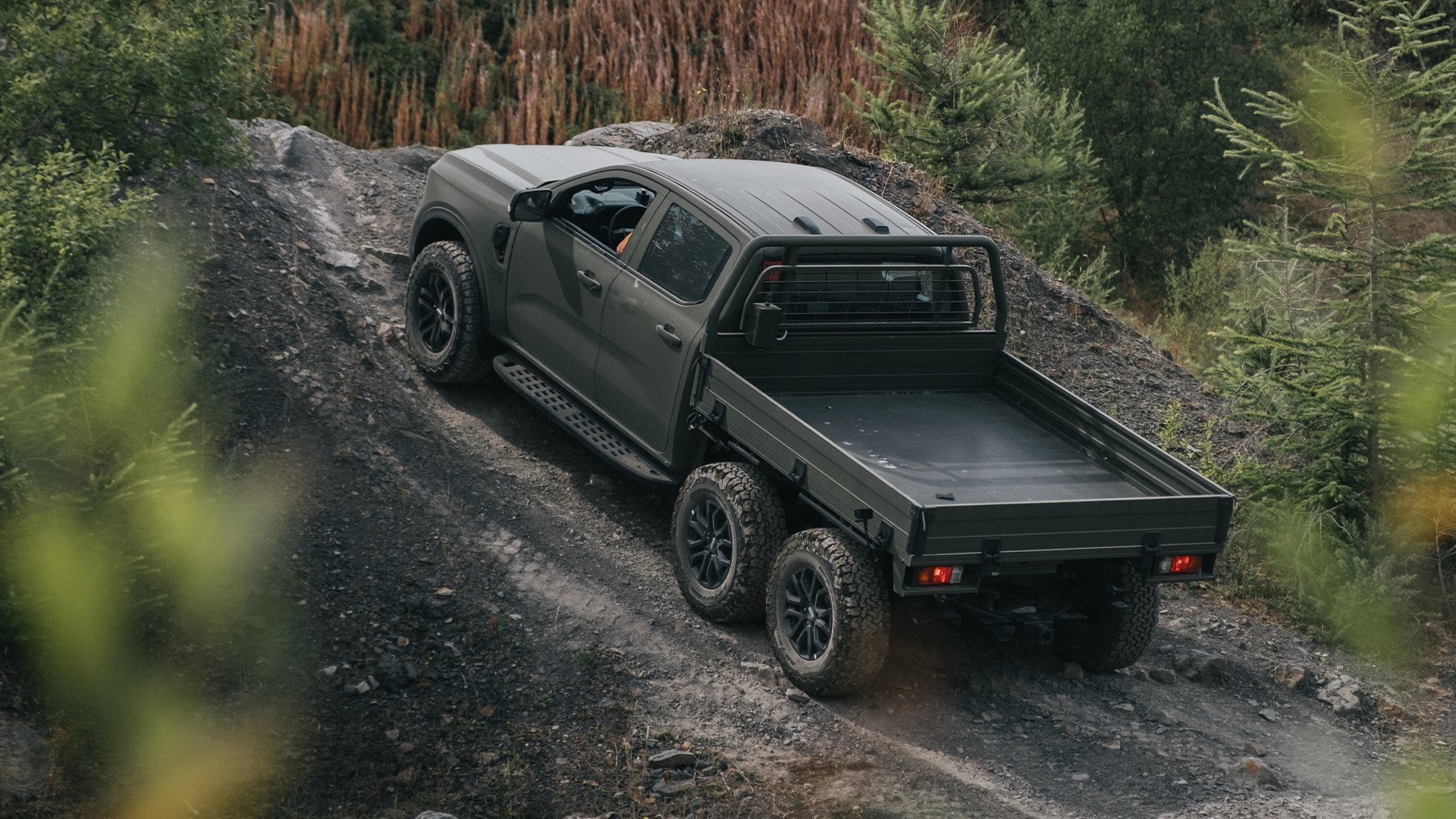
The technical nuances of the Ranger Super Duty 6×6 set it apart from aftermarket “six-wheel” conversions often found in the custom truck scene.
The Drivetrain and Chassis
One of the most intriguing observations from the prototype reveals a shift in wheel architecture. While the standard Ranger Super Duty utilizes an eight-lug wheel configuration to handle its heavy-duty workload, the 6×6 prototype features a six-lug setup. This design choice suggests a specialized axle design optimized for weight distribution rather than just raw towing torque. By splitting the load across four rear wheels, the vehicle significantly reduces ground pressure, allowing it to traverse soft terrain—such as sand or mud—where a standard 4×4 would inevitably sink.
The Digital Command Center
Inside the cabin, the vehicle retains the sophisticated 12-inch touchscreen found in the consumer Ranger, but the software suite is fundamentally different. Ford has integrated pre-wired auxiliary switches directly into the vehicle’s electrical architecture. These are not merely for light bars; they are designed to support emergency lighting, radio communications arrays, and encrypted tactical hardware. The ability to run “third-party tactical mission software” directly through the factory infotainment system allows operators to monitor terrain, track assets, and manage logistical data without needing bulky, secondary electronic installations.
Implications for the Global Defense Market
If Ford secures the UK Ministry of Defence contract, it would represent a massive shift in how military fleets are procured. Historically, militaries have relied on bespoke, purpose-built tactical vehicles that are notoriously difficult to repair and expensive to maintain.
By using a mass-produced, modular platform like the Ranger, the UK MoD would benefit from:
- Logistical Commonality: Parts availability for the Ranger is global. Should a vehicle break down in a remote region, the logistics of sourcing components for a modified Ford are significantly easier than finding parts for a proprietary armored personnel carrier.
- Cost Efficiency: Economies of scale allow Ford to offer these vehicles at a fraction of the price of dedicated military-spec platforms.
- Versatility: The modular tray-bed design allows the same base chassis to be swapped between roles—from a mobile command post to a field hospital or a supply hauler—in a matter of hours.
Why the US Market Needs a Domestic Equivalent
The absence of the Ranger Super Duty—and especially this 6×6 variant—in the United States is a point of contention for many automotive enthusiasts and commercial operators. While the US market is dominated by the F-150 and the Super Duty F-250/350, there is a clear "midsize plus" niche that remains empty.
The "Right-Size" Workhorse
Many small-to-medium business owners in the United States require a vehicle that can carry more than a standard Tacoma or Ranger but doesn’t require the massive footprint of an F-350. The Ranger Super Duty, particularly in its 6×6 form, provides the ultimate solution for utility companies, forestry services, and even specialized law enforcement agencies who need to navigate tight urban spaces or narrow forest trails while carrying substantial gear.
A Call for Commercial Availability
Ford’s hesitation to bring the Super Duty Ranger to the US likely stems from a desire to protect the market share of the F-150. However, the 6×6 configuration creates a "halo" effect that could drive significant brand interest. If Ford were to produce a consumer-grade, civilian 6×6—perhaps as an "Ranger Raptor 6×6"—it would immediately become the most coveted vehicle in the off-road community.
Conclusion: The Future of the Tactical Truck
Whether the Ford Ranger Super Duty 6×6 is officially adopted by the UK Ministry of Defence remains to be seen. As of now, it is a contender in a highly competitive field. However, the implications of this vehicle are clear: Ford is no longer content with simply selling recreational trucks. They are aggressively moving into the space of "Mission Ready" engineering.
For the average consumer, this vehicle represents the pinnacle of what a midsize truck can become when the constraints of mass-market luxury are stripped away in favor of pure, utilitarian capability. It is a reminder that while the US market has plenty of power, there is still something to be said for the refined, high-capability engineering coming out of Ford’s global divisions. If Ford ever decides to offer this beast to the public, the waiting list would likely stretch for years. Until then, we can only look at the photos and wonder just how many obstacles that extra axle could conquer.
Disclaimer: This report is based on current industry developments as of September 2026. For inquiries regarding Ford’s military contract status or future commercial availability, please contact the author at [email protected].
