




By Editorial Staff
The humanitarian situation in the Gaza Strip has reached a harrowing inflection point. According to the latest assessments from the United Nations Office for the Coordination of Humanitarian Affairs (OCHA), approximately 2.1 million Palestinian civilians are currently in desperate need of adequate shelter, life-saving household items, and protection from the persistent threat of airstrikes and ground-level gunfire.
Ten months removed from a ceasefire that many hoped would signal the beginning of reconstruction, the reality on the ground remains one of profound instability. Families who have spent over a year displaced are now living in precarious, makeshift conditions that fail to meet even the most basic standards of human dignity, let alone the requirements for long-term survival.
The Current Landscape: A Crisis of Survival
The latest joint report by the Norwegian Refugee Council (NRC) and OCHA paints a grim portrait of life in Gaza. The findings are staggering: 94 percent of households in the territory are currently deprived of basic necessities, including fuel, energy, and clean water. More significantly, an estimated 1.98 million Palestinians are living without adequate shelter, forced to endure the elements in a landscape littered with the rubble of their former lives.
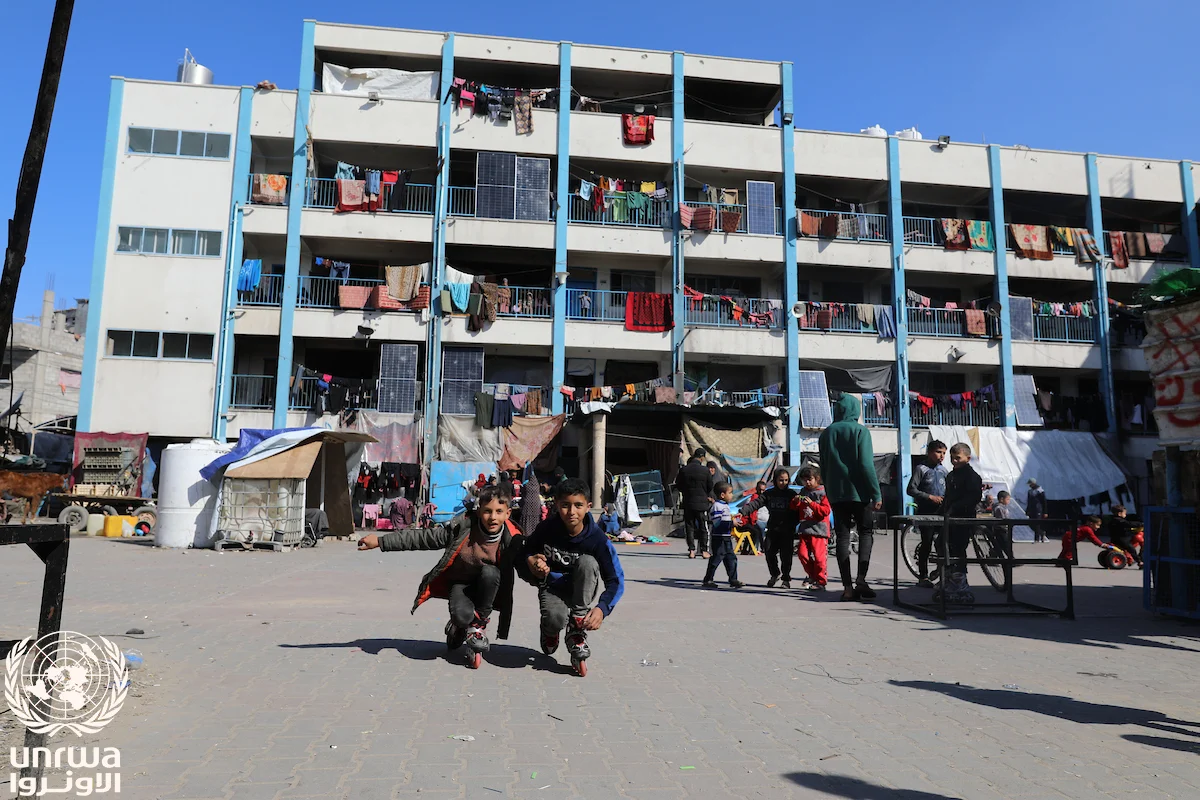
The physical environment in which these families are forced to survive has become a secondary threat to their health. The proliferation of makeshift tents, often clustered in areas devoid of sanitation, has invited a cascade of environmental hazards. Rodent infestations, the presence of stray dogs, and the accumulation of solid waste and untreated sewage have turned displacement camps into epicenters of potential disease outbreaks.
"A shelter is not adequate simply because it has four walls or a roof," says Jehan Salim, the Shelter Cluster coordinator. "Families need to be able to sleep, cook, wash, and keep their children safe inside it. Most families have lived more than a year in shelters that were never designed for long-term accommodation."
Chronology of Displacement and Deterioration
To understand the current crisis, one must view it as the culmination of over a year of sustained bombardment and systemic displacement.
- Initial Phase (Early-Mid 2025): The conflict triggered mass evacuations as airstrikes rendered entire neighborhoods uninhabitable. Thousands of homes were reduced to dust, forcing families to move toward the southern and central zones of Gaza.
- The "Makeshift" Era: As infrastructure collapsed, civilians began utilizing schools, public buildings, and eventually open land to erect tents. These areas, initially meant for temporary stays, became permanent residences for the majority of the population.
- The Post-Ceasefire Stagnation: Despite the cessation of major combat operations ten months ago, the expected influx of construction materials has not materialized. Bureaucratic hurdles, security restrictions, and a massive funding gap have prevented the transition from emergency tents to durable, safe housing.
- Present Day (August 2026): The cycle of violence continues despite the formal ceasefire. Recent reports confirm that airstrikes and sporadic gunfire continue to target civilian areas, leading to ongoing casualties, including the death of a 13-year-old girl reported just this past Wednesday.
Supporting Data: The Quantitative Reality
The sheer scale of the humanitarian need is reflected in the financial and material requirements identified by the UN. To begin addressing the shelter crisis in a meaningful way, OCHA has estimated that an injection of USD $562 million is required immediately.
Current levels of assistance remain drastically below the threshold of necessity. This shortfall is largely attributed to two factors:
- Material Restrictions: The blockade or strict regulation of cement, steel, and other essential construction materials has paralyzed any attempt at large-scale reconstruction.
- Inadequate Funding: The global humanitarian response, while active, is significantly under-resourced compared to the magnitude of the displacement.
The NRC report highlights that nearly two-thirds of all households in Gaza are now living in tents or structures that are not designed to withstand seasonal weather patterns or provide security. The degradation of these shelters—often made of salvaged plastic, cloth, and scrap wood—means that civilians are exposed to extreme heat and, in the coming months, the vulnerabilities associated with colder weather.
Official Responses and the Protection Mandate
The UN has expressed deep alarm regarding the ongoing reports of airstrikes hitting civilian-populated areas. The international body has reiterated its stance that civilians and civilian infrastructure must be protected under all circumstances and should never be utilized for military purposes.
The Legal Framework: International Humanitarian Law
The situation in Gaza has triggered renewed scrutiny of the Fourth Geneva Convention of 1949. The Convention is explicit in its protection of civilians during wartime, mandating that occupying powers—or those in control of territory—ensure the safety and welfare of the population.
Furthermore, Article 8 of the Rome Statute classifies grave breaches of the Geneva Convention, including the deliberate targeting of civilians and protected property, as war crimes. Legal experts observing the crisis note that the inability to provide safe, neutral zones for civilians—a core requirement of the Geneva Convention—represents a systemic failure to uphold international law.
"The protection of civilian life is not a suggestion; it is a fundamental requirement of international legal norms," stated an OCHA spokesperson during Thursday’s briefing. The organization is calling for the immediate establishment of protected, neutral zones where displaced persons can receive humanitarian aid without the constant fear of fire or structural collapse.
Implications: A Generation at Risk
The implications of this prolonged shelter crisis extend far beyond the immediate lack of a roof.
Public Health and Sanitation
The lack of basic utilities—specifically water and energy—means that the hygiene of nearly two million people is severely compromised. In the heat of a Gazan summer, the risk of waterborne illnesses and skin infections is escalating. Without the materials to repair sanitation infrastructure, the risk of a widespread health crisis remains high.
Psychological Impact
The psychological toll on children who have lived for more than a year in tents cannot be overstated. The lack of privacy, the constant exposure to environmental hazards, and the lingering threat of violence from ongoing skirmishes create an environment of perpetual trauma. This "institutionalized" homelessness is stripping a generation of their right to education, stability, and childhood.
The Enforcement Gap
Perhaps the most significant implication is the perceived "enforcement gap" at the heart of international law. Despite clear legal frameworks intended to protect non-combatants, the reality in Gaza suggests that these laws are being routinely circumvented or ignored. The failure to facilitate the entry of construction materials, despite the absence of active major combat, raises questions about the political will of the international community to enforce the basic human rights of those in Gaza.
Moving Forward: What is Required?
The road to recovery for Gaza’s displaced population requires more than just goodwill; it requires a structural shift in how aid is delivered and how territory is managed. The following priorities have been identified by humanitarian agencies:
- Immediate Lifting of Material Blocks: The international community must pressure relevant authorities to allow the unimpeded flow of construction materials, including cement and steel, to facilitate the building of safe, long-term shelters.
- Increased Financial Commitment: The $562 million funding goal is not a wish list; it is the minimum requirement to prevent further loss of life. Member states must accelerate their funding disbursements to allow OCHA and the NRC to procure necessary supplies.
- Strict Adherence to Neutrality: All parties involved in the ongoing violence must respect the neutrality of civilian shelters. Schools and hospitals currently serving as shelters must be afforded absolute protection.
- Long-Term Planning: The humanitarian community must shift from "emergency response" mode to "recovery and reconstruction" mode. This involves not only tents and food, but the rebuilding of water treatment plants, power grids, and residential housing units.
As the UN continues to sound the alarm, the people of Gaza remain in a state of suspended animation—waiting for a resolution that balances their basic human right to safety with the complex, often intractable, political realities of the region. Without immediate, coordinated action, the shelter crisis threatens to evolve from a humanitarian emergency into a permanent state of deprivation that will scar the region for decades to come.
