





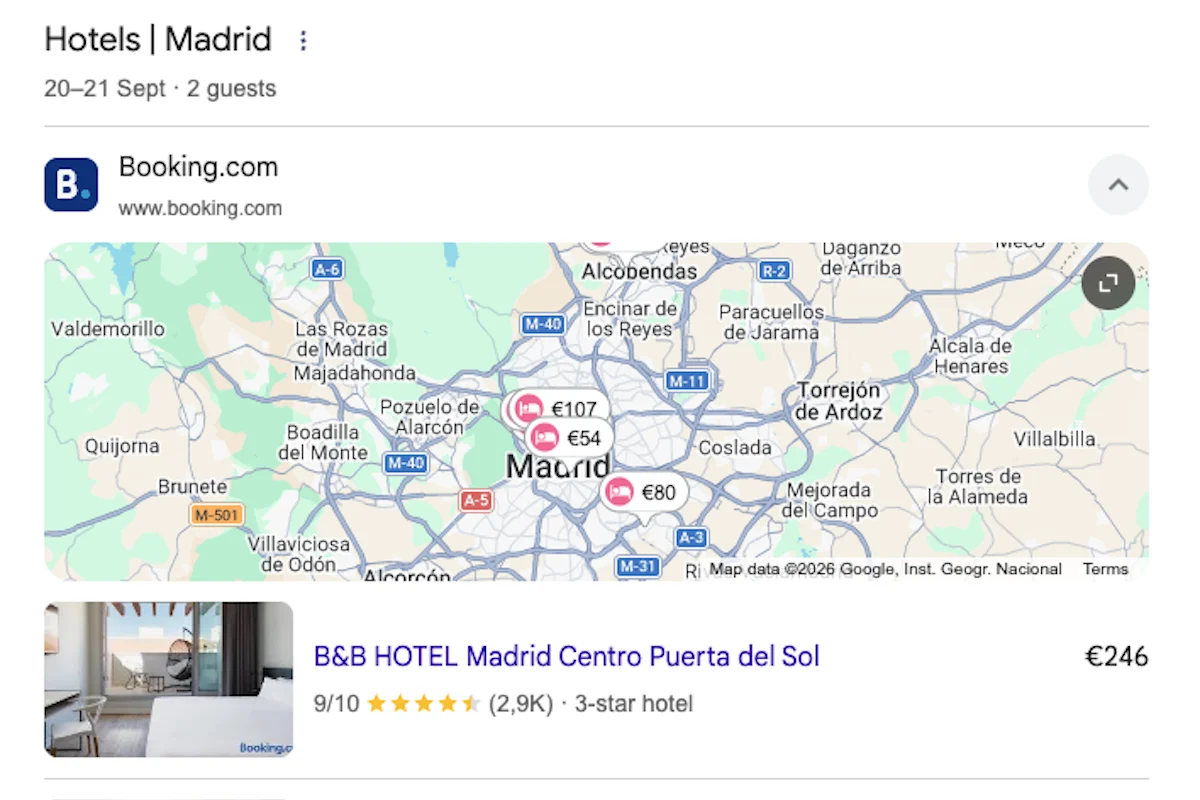
In a move that marks a significant shift in how European consumers discover travel services, Google has officially rolled out a redesigned interface for its flight and hotel search engines across the European Union. This overhaul, introduced this week, is the direct consequence of rigorous regulatory pressure from the European Commission, which has spent years scrutinizing the tech giant’s dominance in vertical search markets.
The revamped interface is designed to dismantle the previous "one-size-fits-all" approach, replacing it with a bifurcated display system. By segregating results into "aggregator" and "supplier" units, Google is attempting to comply with the Digital Markets Act (DMA) and prior antitrust rulings that sought to ensure a more level playing field for third-party travel platforms and direct service providers alike.
The Mechanics of the Change: A New User Interface
For users located within the EU, a search for travel services—such as hotels in Madrid or flights to Paris—now presents a distinct visual hierarchy. The updated results page is categorized into two primary segments:
- The Aggregator Unit: This section features a stack of third-party platforms, such as Booking.com, Agoda, and Expedia. In this view, the top-ranked provider’s results are expanded by default, allowing users to see comparative pricing and availability without leaving the Google ecosystem.
- The Supplier Unit: This section provides direct listings from primary service providers, such as individual hotel chains, boutique inns, and airline operators. By separating these from the intermediaries, Google is effectively highlighting the primary source of the service, a long-standing demand of the airline and hospitality industry.
This structural change represents a fundamental departure from the previous "Google Flights" and "Google Hotels" modules, which critics argued disproportionately funneled traffic toward Google’s own integrated tools or the highest-bidding aggregators, often burying the direct booking options that many travelers prefer for customer service and loyalty benefits.
Chronology: The Road to Compliance
The journey toward this week’s interface update has been characterized by a decade of litigation, fines, and regulatory negotiation.
- 2010–2016: Initial Antitrust Complaints: Competitors and travel associations began filing formal complaints with the European Commission, alleging that Google used its search dominance to prioritize its own travel products, effectively engaging in "self-preferencing."
- 2017–2019: The Shopping Ruling: The European Commission slapped Google with a record-breaking €2.42 billion fine for abusing its market dominance in the comparison shopping sector. This set a legal precedent that Google could not unfairly favor its own vertical search products over competitors.
- 2022: The Digital Markets Act (DMA) Passage: The EU enacted the Digital Markets Act, a landmark piece of legislation aimed at curbing the power of "gatekeeper" platforms. The DMA specifically targets how these companies display results and prohibits the preferential treatment of their own services.
- 2023: Formal Investigations: Under the threat of further fines—which could reach up to 10% of global annual turnover—Google began drafting "remedy proposals" for its travel search products.
- 2024: Implementation: Following months of consultations with European regulators, Google began the rollout of the current split-view interface across all 27 EU member states.
Supporting Data: The Scale of the Impact
The implications of these changes are massive, given the sheer volume of travel bookings that originate through search engines. According to industry data from Skift and Phocuswire, Google currently handles roughly 60% to 70% of all online travel inspiration searches.
- Market Share Shifts: Prior to this update, aggregators (OTAs) captured a significant percentage of traffic from Google search results. By introducing the "Supplier Unit," industry analysts expect a potential shift of 5% to 15% of traffic back to direct airline and hotel websites.
- Click-Through Rates (CTR): Initial internal metrics from travel brands suggest that the "aggregator unit" still commands a higher CTR due to brand recognition, but the "supplier unit" is seeing a surge in engagement as consumers increasingly prefer direct booking to avoid hidden fees or complex cancellation policies common with third-party sites.
- Ad Spend Reallocation: Travel brands are currently adjusting their "Meta-Search" budgets. With the new layout, the cost-per-click (CPC) for placements within the aggregator stack is becoming more volatile, forcing travel companies to re-evaluate their digital marketing strategies for the European market.
Official Responses and Stakeholder Perspectives
The industry’s reaction to the change has been cautiously optimistic, though many remain skeptical about whether this is enough to curb Google’s influence.
Google’s Official Stance:
In a statement accompanying the update, a Google spokesperson noted: "We are committed to complying with the Digital Markets Act and the recent guidance from the European Commission. These changes are designed to provide European users with greater choice and transparency, ensuring that they can easily compare offers from both aggregators and direct suppliers."
The Aggregator Perspective:
Representatives from major Online Travel Agencies (OTAs) have expressed relief that their listings remain prominent. "The aggregator stack remains a vital tool for consumers who want to compare prices across hundreds of properties in seconds," said an executive from a leading European OTA. "While we acknowledge the need for competition, we believe the value we add in customer service and inventory aggregation remains unmatched."
The Supplier Perspective:
The hotel and airline lobby has been the most vocal proponent of these changes. A spokesperson for a major international hotel association stated: "For years, our members have been forced to compete with massive aggregators on a playing field that was heavily tilted against us. By creating a dedicated ‘Supplier Unit,’ Google is finally acknowledging that the direct provider is the essential component of the travel ecosystem."
Implications for the Future of Travel Tech
The broader implications of these changes extend far beyond a simple UI update. They signal a new era of "Regulatory Design," where the architecture of the internet is increasingly dictated by legislative bodies rather than private innovation alone.
1. The Death of "Google-as-a-Destiny"
For years, the goal of many travel brands was to ensure their data appeared within the "Google bubble." With the introduction of the new interface, the focus is shifting back to brand equity. If a consumer sees a hotel chain listed in the "Supplier Unit," they are more likely to click through to that brand’s own booking engine. This forces travel companies to invest more in their own direct-channel user experience (UX) to convert that traffic.
2. A Precedent for Global Markets
While these changes are currently limited to the European Union, there is significant speculation regarding whether similar mandates will follow in the United States and the United Kingdom. With the U.S. Department of Justice currently pursuing its own antitrust case against Google, the European model is likely to serve as a blueprint for domestic regulators.
3. The Rise of "Vertical Fragmentation"
As Google is forced to segment its search results, we may see a fragmentation of the travel search experience. Rather than a singular, unified "Google Travel" product, we may see a future where Google acts more as a neutral directory—a "search engine of search engines"—rather than a destination for booking.
4. Technical Hurdles and SEO Adjustments
For travel brands, the update necessitates a complete overhaul of their SEO strategies. The "Supplier Unit" relies on structured data (Schema.org) that allows Google to pull accurate, real-time pricing directly from a brand’s backend. Companies that have not optimized their technical infrastructure for this data-sharing are finding themselves at a disadvantage in the new rankings.
Conclusion
The transformation of Google’s travel search in Europe is a watershed moment for the digital economy. It represents a significant victory for those who have long argued that the concentration of power in a single search interface stifles competition and innovation. However, the ultimate efficacy of these changes remains to be seen.
As the European Commission continues to monitor the rollout, the digital travel industry finds itself in a state of flux. The transition from a "one-click" Google-dominated experience to a multi-tiered, choice-driven interface will require consumers to adjust their browsing habits, brands to refine their technical strategies, and regulators to remain vigilant.
Whether this move will truly foster a more competitive market or simply lead to a new set of complex workarounds remains the defining question of the next decade in travel technology. One thing, however, is certain: the era of unchecked dominance in vertical search is coming to a close, and the landscape of online travel is being rewritten in real-time.
