




In a significant evolution of its mobile user experience, Google has begun testing a new feature within its Discover feed titled "Dive deeper." This interactive tool aims to transform how users engage with trending topics by providing a streamlined, AI-curated bridge between a single piece of content—initially focusing on video—and a broader ecosystem of related reporting, community reactions, and contextual analysis.
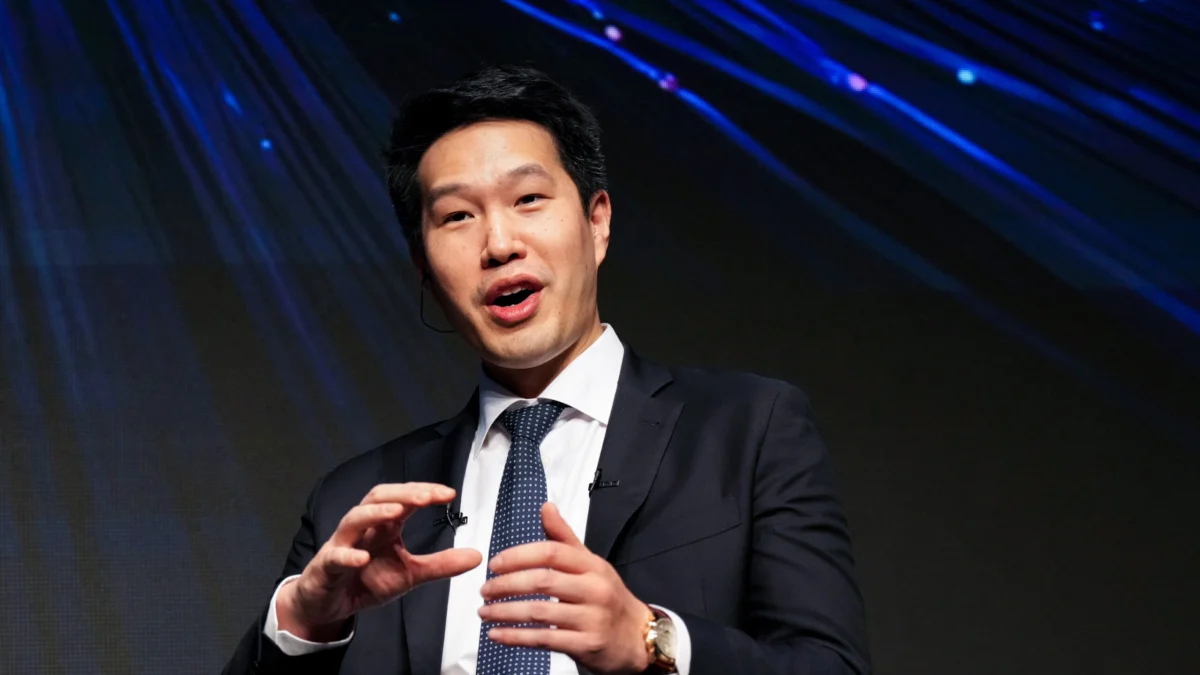
The announcement, made by Robby Stein, Google’s VP of Product for Google Search, marks another milestone in the company’s aggressive integration of generative AI into its discovery platforms. As users navigate an increasingly fragmented information landscape, Google is positioning "Dive deeper" as a way to synthesize complex news cycles into digestible, interconnected overviews.
The Mechanics of the "Dive Deeper" Experience
The "Dive deeper" feature functions as an interactive gateway. When a user encounters a piece of content in their Discover feed—such as a news video—they are presented with a button that, when engaged, launches a dedicated interface. This interface serves three primary purposes: providing a concise AI-generated summary of the topic, surfacing prominent links to original reporting, and showcasing diverse community reactions.
Chronology of the Development
The rollout of this experiment follows a steady cadence of AI-driven updates from Mountain View.
- October 2025: Google introduced AI-powered previews for trending topics within Discover in key markets, including the United States, South Korea, and India. This laid the groundwork for the current test.
- August 31, 2026: Google expanded its Search Console reporting, enabling web publishers to track impressions originating from "generative AI features" within the Discover feed.
- Late 2026/Early 2027: The current test of the "Dive deeper" button was unveiled, signaling a shift from simple previews to multi-dimensional content exploration.
User Interface and Design
According to the preliminary visual examples shared by Stein, the user journey is designed to be seamless. The interface begins with a standard Discover card—in this case, a weather report video. Below this, a brief, AI-generated summary appears, accompanied by a standard disclaimer: "Generated with AI, which can make mistakes."
Upon tapping "Dive deeper," the user is transitioned to a secondary screen. This screen features:
- Contextual Expansion: A more robust, multi-paragraph summary of the subject matter.
- Source Aggregation: A curated row of source cards, linking directly to authoritative publishers (e.g., local news outlets like KCRA 3).
- The "Explore More" Hub: A tertiary view that categorizes information under sub-topic headlines, allowing users to move from the primary video content to deep-dive articles and secondary reporting without ever leaving the Google ecosystem.
Supporting Data and Technical Infrastructure
Understanding the impact of "Dive deeper" requires a look at how Google manages data for its AI features. The company has been gradually opening up the "black box" of its AI performance metrics to publishers through Google Search Console.
The Search Console Connection
Since the global rollout of generative AI reporting in Search Console, publishers have gained visibility into how their content is surfaced within these AI-augmented environments. However, data remains somewhat opaque. As of late 2026, the performance report groups "generative AI features" into a single bucket.
While the report tracks impressions—defined as the number of times a link was displayed to a user—it does not currently provide a granular breakdown of which specific AI feature generated those impressions. Whether a user clicked through from an AI preview or a "Dive deeper" module, the data is currently aggregated. This lack of specificity presents a challenge for SEO professionals and content strategists attempting to calculate the ROI of AI-summarized content.
The AI Disclaimer
A constant in these experiments is the "Generated with AI" label. This serves two functions: legal compliance regarding content transparency and user expectation management. By proactively warning users that AI may hallucinate or provide inaccurate information, Google creates a buffer against the risks inherent in generative summarization, a critical component of their current product philosophy.
Official Responses and Strategic Rationale
Robby Stein’s commentary on the experiment highlights Google’s intent to move beyond static consumption. "Today we’re experimenting with a new way to make exploring a topic and discovering related web content easier in Discover," Stein stated. He emphasized that the goal is to provide a comprehensive look at a story by highlighting "original reporting" alongside community reactions, ensuring that the AI tool acts as a funnel to journalism rather than a total replacement.
The Pivot Toward Video
By initiating this test with video content, Google is addressing a specific user pain point: the difficulty of finding written context for viral or trending video clips. Video content often lacks the metadata or deep-text explanations required for a comprehensive understanding of a news event. "Dive deeper" effectively bridges the gap between the "snackable" video format and the "deep-read" journalism that provides context.
Google has confirmed that it will be iterating on multiple design variations in the coming weeks. This iterative approach suggests that the company is currently in the data-gathering phase, measuring metrics such as "time-to-click," "dwell time," and "user sentiment" before deciding whether to roll out the feature to a wider audience or across different content types.
Implications for the Digital Ecosystem
The introduction of "Dive deeper" carries significant weight for the broader digital publishing industry.
1. The Traffic Paradox
For news publishers, this feature is a double-edged sword. On one hand, it increases the visibility of original reporting by surfacing it in a prominent "Explore more" interface. On the other hand, it encourages users to consume summaries rather than visiting the publisher’s website directly. If the AI-generated summary is sufficiently detailed, the incentive to click through to the source article decreases.
2. SEO and Search Console Evolution
As Google continues to integrate these features, the industry must prepare for a future where traditional blue-link traffic is increasingly supplemented—or cannibalized—by AI-driven discovery. The current Search Console reports, which exclude experiments run in "Search Labs," suggest that Google is keeping a firewall between its experimental R&D and the production-level data provided to webmasters. Publishers will need to monitor if "Dive deeper" impressions eventually become a distinct metric in the Search Console dashboard.
3. The Future of Content Discovery
"Dive deeper" is a clear signal that Google views the Discover feed as a dynamic news platform rather than just a passive news aggregator. By curating topics rather than just individual articles, Google is attempting to solve the problem of "information silos." If successful, this feature could redefine the mobile browsing experience, turning Google Discover into a personalized, AI-driven news dashboard that rivals traditional news apps.
Looking Ahead: Challenges and Opportunities
The long-term viability of "Dive deeper" will likely hinge on two factors: the accuracy of the underlying models and the reaction of content creators.
Accuracy Concerns: As with all generative AI products, the potential for inaccuracies remains the biggest hurdle. If the "Dive deeper" summaries misrepresent the content of the linked articles, both Google and the original publishers face reputational risks. The prominent "Generated with AI" label is an acknowledgment of this volatility.
Publisher Relations: The success of this initiative depends heavily on the cooperation of the news industry. If publishers feel that "Dive deeper" is siphoning away too much traffic, the tension between Big Tech and the journalism sector will likely intensify. Google’s emphasis on "original reporting" in their promotional material is a strategic nod to this, signaling a desire to frame the feature as a discovery tool for journalists rather than a replacement.
As Google moves forward with its multi-design testing phase, the industry will be watching closely. Whether "Dive deeper" becomes a permanent fixture of the Google Discover experience or remains a fleeting experiment will depend on how effectively it can balance user convenience with the sustainability of the open web. For now, it stands as a testament to Google’s commitment to winning the "generative search" war, one tap at a time.
