



As Hungary heads to the polls on April 12, 2026, the nation’s energy landscape has morphed into a high-stakes geopolitical chessboard. With China, Russia, and the United States vying for influence, journalists are invited to a specialized webinar to unpack the implications for European climate policy.
Introduction: The Energy Frontier
In the lead-up to the Hungarian parliamentary elections scheduled for April 12, 2026, the discourse has shifted from purely domestic concerns to a complex interplay of international energy diplomacy. Hungary, a landlocked nation heavily reliant on external energy supplies, has become a focal point for global powers seeking to solidify their influence within the European Union.
Clean Energy Wire (CLEW), in collaboration with Journalismfund Europe, is hosting a dedicated webinar on April 9, 2026, from 16:00 to 17:30 CEST. This expert-led session is designed to equip journalists with the analytical framework necessary to cover the intersection of Hungarian energy policy and the broader European strategy to curb external interference in critical infrastructure.
Main Facts: The Strategic Landscape
Hungary’s energy profile is defined by a paradoxical effort to maintain deep ties with Eastern suppliers while navigating the stringent regulatory and political framework of the European Union.
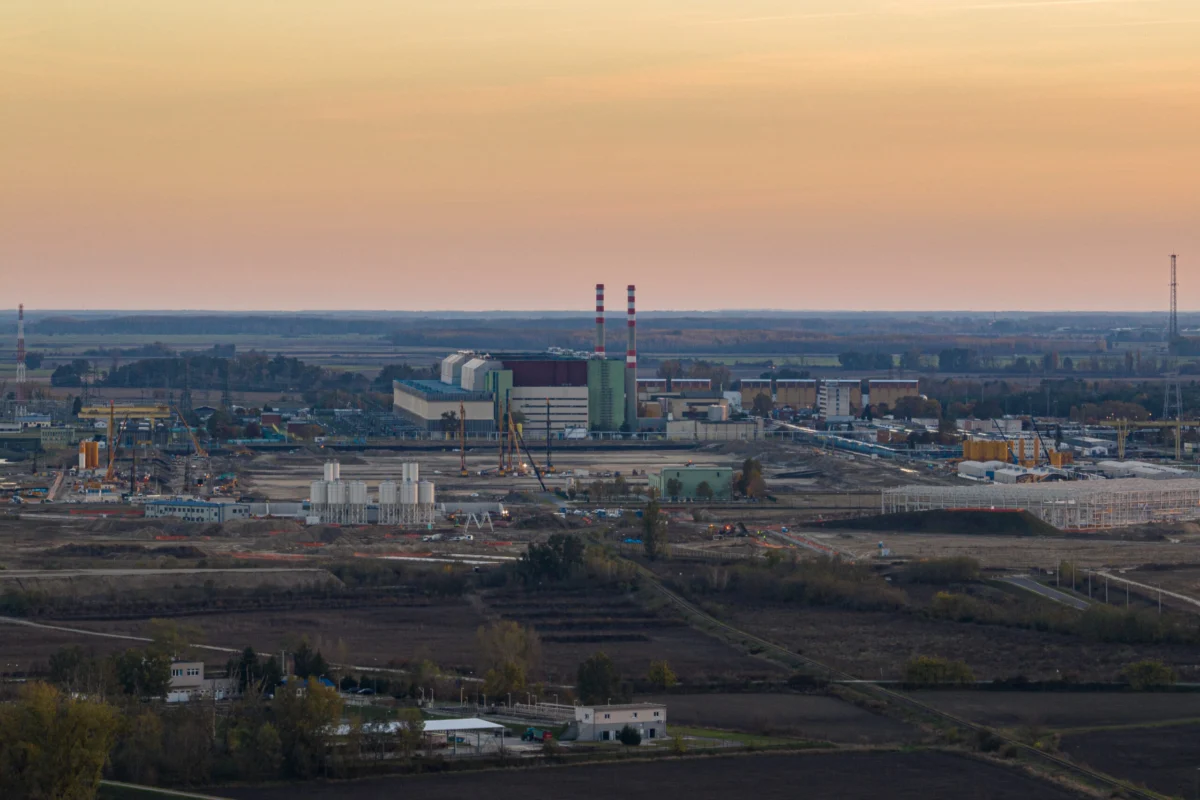
- The Paks II Nuclear Project: The cornerstone of Hungary’s energy future is the expansion of the Paks nuclear power plant. Financed and built largely with Russian technology and capital, the project has faced repeated delays and intense scrutiny from Brussels.
- China’s Industrial Pivot: China has increasingly viewed Hungary as a primary entry point for its green transition technology into the EU, particularly through investments in battery production and electric vehicle (EV) infrastructure.
- The U.S. Influence: Washington has utilized diplomatic and economic pressure to nudge Budapest away from Russian reliance, framing energy independence as a matter of national security for the entire NATO alliance.
- The EU Context: As the European Union pursues its "Green Deal" and attempts to diversify energy sources, Hungary’s independent stance on energy imports poses a significant challenge to regional cohesion.
Chronology: A Decade of Entanglement
To understand the current climate, one must look back at the trajectory of Hungary’s energy policy over the last decade:
- 2014: The Hungarian government signs the intergovernmental agreement with Russia for the Paks II expansion, setting the stage for long-term dependence on Rosatom.
- 2019-2021: As the EU accelerates its decarbonization agenda, Hungary attempts to reconcile its coal-phaseout goals with its reliance on nuclear and gas, sparking tensions over the "taxonomy" of sustainable investments.
- 2022: The outbreak of the war in Ukraine forces a European energy crisis. Hungary negotiates exemptions from various EU oil and gas sanctions, further isolating it from the mainstream European energy consensus.
- 2023-2024: Massive Chinese investments in battery gigafactories are announced in Hungary, signaling a shift in economic alignment toward Beijing, even as the country remains part of the Western political structure.
- 2026 (Present): With the election looming, energy policy is no longer a peripheral issue but a central pillar of the campaign, with the government framing its energy alliances as "pragmatic sovereignty."
Supporting Data: Infrastructure and Investment
The complexity of the situation is best illustrated by the data surrounding key energy assets.
The Nuclear Dependency
The Paks II project, currently under construction, represents a multi-billion euro investment that ties Hungary’s grid stability to Russian technology for the next sixty years. Independent analysts suggest that the project’s delays have forced Hungary to rely more heavily on imported electricity and gas, ironically increasing its short-term vulnerability to price shocks.
The Battery Boom
Data from the Ministry of Economic Development suggests that Hungary is on track to become one of the world’s top five battery producers by 2030. This growth is almost exclusively driven by Chinese Foreign Direct Investment (FDI). While this creates thousands of jobs, it raises questions about the "energy-for-industry" trade-off: to power these factories, Hungary must source vast amounts of electricity, much of which is currently fossil-fuel-dependent.
EU Regulatory Pressure
The European Commission has repeatedly signaled that national energy plans must align with the "REPowerEU" initiative. Hungary’s adherence to this is currently monitored under a microscope, with billions of euros in cohesion funds tied to compliance with democratic and market-competition standards.
Official Responses: Navigating the Tensions
The official narrative from Budapest is one of "connectivity." Government spokespersons argue that in a fragmented global economy, Hungary cannot afford to pick sides and must instead maintain "energy neutrality." They argue that the Paks II project is not a political choice but a technical necessity to keep energy prices low for Hungarian households.
Conversely, the European Commission has maintained a stance of "strategic autonomy." EU officials frequently emphasize that critical infrastructure projects must undergo rigorous security screening. They warn that "outside interference"—a euphemism for the influence of Moscow and Beijing—threatens the integrity of the European internal energy market.
From the U.S. perspective, diplomatic cables and official statements underscore the risk of "technological lock-in." Washington has expressed concerns that by integrating Chinese and Russian systems into its grid, Hungary may be creating vulnerabilities that could affect the security of the broader NATO eastern flank.
Implications for Europe and Beyond
The stakes of the 2026 election extend far beyond the borders of Hungary. The results will signal to the rest of the bloc whether a member state can successfully play the "middle power" game in an era of great power competition.
1. The Future of the European Grid
If Hungary continues its current trajectory, it could act as a "spoiler" in the EU’s collective energy bargaining. This might lead to further fragmentation, where the EU is forced to create "multi-speed" energy policies, potentially isolating Hungary from regional interconnection projects.
2. The Green Transition vs. Geopolitical Alignment
The irony of the current situation is that while Hungary is pursuing a "green" transition through battery manufacturing, the energy used to fuel this production remains a subject of intense geopolitical debate. The environmental impact of these massive industrial zones, combined with the origin of the energy powering them, will be a key point of contention for NGOs and climate activists leading up to the election.
3. The Test for European Journalism
For the international press, the Hungarian case serves as a masterclass in covering "hybrid" threats. The challenge for journalists is to distinguish between legitimate national economic strategy and the influence of foreign actors who may have interests contrary to those of the European collective.
Conclusion: Join the Conversation
As the April 9th webinar approaches, it is clear that the Hungarian election will serve as a bellwether for European energy sovereignty. Journalists interested in the nuances of this complex issue—ranging from the technical details of the Paks II construction to the subtle levers of diplomatic pressure from Beijing and Washington—are invited to participate in the upcoming discussion.
Webinar Details:
- Topic: Hungary’s Energy Infrastructure and the 2026 Parliamentary Elections
- Date: 9 April 2026
- Time: 16:00-17:30 CEST
- Format: Online / Interactive Q&A
- Audience: International Journalists
This event is supported by Journalismfund Europe, an organization dedicated to fostering cross-border investigative journalism.
By attending this session, reporters will gain the tools to look beyond the headlines and understand the deep, structural changes occurring at the heart of Europe’s energy frontier. As the global powers align their interests in the Pannonian Basin, the reporting done in the coming weeks will be essential in shaping the public’s understanding of a continent in flux.
Frequently Asked Questions for Attendees
Q: Who should attend this webinar?
A: This session is tailored for journalists, editors, and energy analysts covering European politics, climate policy, and international relations.
Q: Will the session cover the environmental impact of the battery factories?
A: Yes. The expert panel will address the nexus between industrial development, local environmental concerns, and the geopolitical alliances that underpin these investments.
Q: How can I register?
A: Please visit the Clean Energy Wire (CLEW) website to secure your spot. Early registration is recommended, as the session includes a dedicated, deep-dive Q&A portion with policy experts.
Q: What is the primary focus of the discussion?
A: The focus is on the "three-way pull" of China, the US, and Russia, and how these external forces manifest in the specific regulatory and economic choices made by the Hungarian government.
The upcoming election is not just a domestic contest; it is a critical juncture for the European Union. As the world watches, the quality of coverage will depend on a firm grasp of the invisible wires—energy, finance, and diplomacy—that connect Budapest to the wider world.
