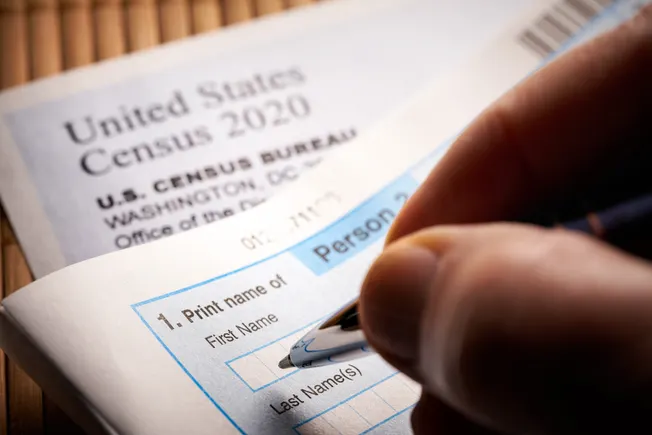




As the United States approaches the 2030 decennial census, a series of radical regulatory proposals introduced by the U.S. Census Bureau has ignited a firestorm of controversy among city planners, demographic experts, and municipal leaders. Published in the Federal Register on September 10, 2026, the proposed amendments threaten to fundamentally alter the methodology of the nation’s most significant data-gathering exercise.
The National League of Cities (NLC) and various policy advocacy groups are sounding the alarm, warning that if these measures are adopted, they could trigger widespread population undercounts, compromise the integrity of federal funding distribution, and fundamentally reshape congressional apportionment for the coming decade.
The Core Proposals: A Shift in Enumeration Philosophy
At the heart of the controversy are two primary regulatory changes that seek to redefine who is counted and what information is collected.
Redefining "Usual Residence"
The first, and perhaps most contentious, proposal seeks to replace the long-standing principle of "usual residence"—which counts everyone living in a community—with a citizenship-based criteria. Under the proposed rule, the Census Bureau would shift its focus to counting only American citizens and lawful permanent residents.
The rationale provided by the Bureau argues that individuals without legal status lack the "sufficient tie and allegiance" to the United States to be considered "true inhabitants" or members of the "body politic." Furthermore, the proposal includes the potential addition of a question regarding legal status on the short-form decennial questionnaire, a move that critics argue will inevitably lead to fear-based non-participation among immigrant communities.
The Removal of Demographic Data
The second proposal involves the elimination of questions regarding race, ethnicity, and sexual orientation. The Bureau justifies this by citing the need to protect sensitive data from potential exposure and reducing the "undue burden" on respondents. This shift marks a historical departure from the established norm; the census has included questions regarding race and ethnicity since its inaugural count in 1790.
A Chronology of the 2026 Proposals
The path to these proposed changes has been marked by intensive internal debate within the federal government.
- June 2026: Preliminary discussions within the Census Bureau regarding the modernization of administrative data usage began to circulate in policy circles.
- September 10, 2026: The Census Bureau formally publishes the proposed changes in the Federal Register (Document 2026-18481), triggering a 60-day public comment period.
- Late September 2026: The National League of Cities publishes an analytical report, authored by legislative manager Dante Moreno, highlighting the potential negative impacts on local municipalities.
- October 2026: Academic and civil rights groups begin mobilizing to challenge the proposals, citing potential violations of Constitutional mandates regarding the "actual enumeration" of all persons.
- November 2, 2026: The deadline for public comment. Following this date, the Bureau will move toward final rule-making, potentially setting the stage for litigation.
The Implications for Municipalities and Growth
The NLC, through the voice of Dante Moreno, has been unequivocal: "We don’t see any of these [changes] as benefits to the census." The ripple effects of these changes are expected to be felt most acutely at the local level.
Impact on University and Transient Populations
The exclusion of non-citizens will have a disproportionate effect on university towns and cities with significant international student populations. While these individuals may be on temporary visas, they are active consumers of municipal services. They utilize public roads, rely on municipal water infrastructure, and frequently require emergency services and public safety resources. By excluding them, the census would create a "ghost population"—individuals who reside in a city but are not recognized by the federal government for the purposes of resource allocation.
The "Administrative Data" Gap
The Bureau’s plan to "fill information gaps" using tax returns and other administrative records is intended to reduce costs and respondent burden. However, analysts warn that this methodology is inherently flawed for fast-growing communities. Cities experiencing rapid development or high mobility may lack the longitudinal administrative data required to verify residence, leading to an inaccurate snapshot of their population growth.
The "Snowbird" Problem
The proposed definition of the "census enumeration period"—slated for January 3 to April 1—creates significant logistical challenges for northern states. Residents who move to warmer climates for the winter, or those who travel internationally, risk being missed entirely. If a resident is not physically present in their primary home during this window, and administrative records are incomplete, they may not be counted in either their home or their winter residence.
Socio-Economic and Political Consequences
The census is more than a headcount; it is the bedrock of American democracy and social policy. An undercount of this magnitude carries profound consequences.
Distorting Political Representation
The U.S. House of Representatives uses census data to apportion seats among the states. By shifting to a citizenship-based count, the Bureau risks diluting the political power of areas with higher concentrations of non-citizens. This could lead to a permanent shift in the balance of power, favoring regions with lower immigrant populations and potentially disenfranchising millions of residents who contribute to the local economy and society.
Impact on Federal Funding
Federal funding for essential services—ranging from Medicaid and CHIP (Children’s Health Insurance Program) to Community Development Block Grants—is tied directly to census-derived population numbers. If a city’s population is undercounted by even a small percentage, the resulting loss in funding could total millions of dollars over the next decade.
"It’s important for leaders to know who is in your community," Moreno noted. "If you don’t have that data, there is no other dataset out there that fulfills that need. Whatever you get in the census is the number, and it just means that cities will have to deal with any of the ramifications for the next 10 years."
The Expert Consensus: Data Integrity at Risk
Demographers are particularly concerned about the removal of race and ethnicity questions. Beyond the loss of historical continuity, the absence of this data will hamper efforts to address systemic inequalities. Without precise demographic information, local governments cannot adequately tailor public health initiatives, educational programs, or infrastructure projects to the specific needs of diverse populations.
For instance, the needs of a neighborhood with a high density of preschoolers differ vastly from a community with an aging, senior-heavy demographic. Removing the tools to identify these groups effectively blinds local officials, making it impossible to perform evidence-based urban planning.
The Road Ahead: Public Participation
As the November 2 deadline for public comment approaches, the Bureau is faced with a growing chorus of dissent. The NLC and other organizations are urging municipal leaders to document their concerns through the official portal.
The debate over the 2030 Census is a fundamental disagreement over the role of the government in defining "the people." While the Bureau posits that these changes enhance administrative efficiency and honor the principle of citizenship, the reality, according to city officials, is a move toward a less transparent and less inclusive society.
For many, the census is the one time every decade that the government is forced to see every resident. If the 2030 count narrows that vision, the consequences for local governance, political equity, and social planning will be felt long before the next census cycle begins in 2040. The question remains: is the efficiency of the Bureau worth the cost of an inaccurate, and perhaps exclusionary, national portrait?
How to Engage:
The U.S. Census Bureau is currently accepting public comments on the proposed regulations. Interested parties, local government officials, and concerned citizens can submit their input via the official federal portal at regulations.gov/commenton/USBC-2026-0628-0001 until the November 2 deadline. Experts recommend including specific examples of how these changes would impact your local community’s ability to plan, fund, and serve its residents.
