



As Hungary heads to the polls on April 12, 2026, the nation’s energy landscape has morphed into a high-stakes arena of global power projection. With China, the United States, and Russia vying for influence, journalists are invited to a specialized webinar to decode the implications for Europe’s climate goals.
Introduction: A Nation at the Epicenter of Energy Diplomacy
On April 9, 2026, just three days before Hungary’s pivotal parliamentary elections, Clean Energy Wire (CLEW) will host an expert-led webinar designed to equip the international press with the nuance required to cover the country’s volatile energy sector. The timing is deliberate: Hungary is currently serving as a primary battleground where the competing interests of global superpowers intersect with the European Union’s ambitious green transition.
As the EU attempts to fortify its energy sovereignty and minimize dependency on autocratic regimes, Hungary’s trajectory remains an outlier. From the expansion of nuclear capacity to the massive influx of Chinese battery manufacturing investments, the decisions made in Budapest carry profound weight for the stability and decarbonization strategy of the entire European bloc.
Main Facts: The Triple-Pillar Influence
The Hungarian energy landscape is defined by a complex "triangular" pressure from external powers. To understand the stakes of the upcoming election, one must analyze how each player exerts influence:
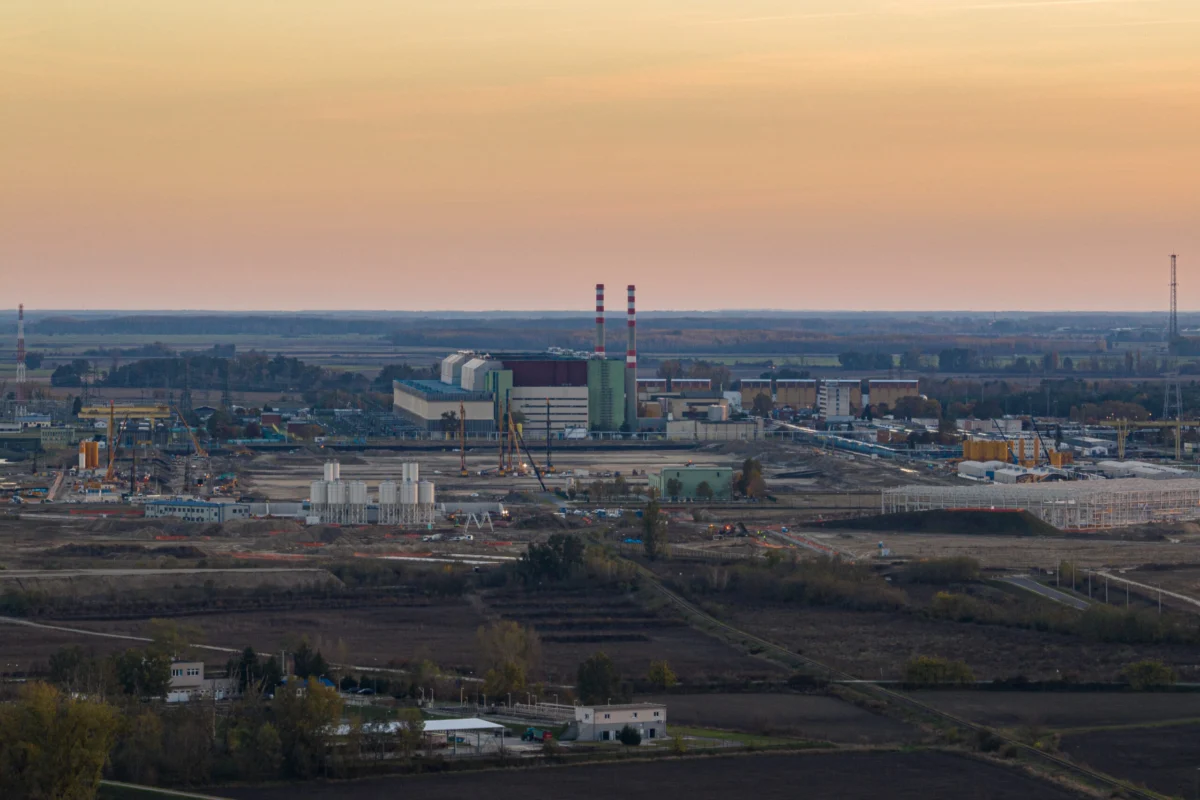
- Russia’s Nuclear Monopoly: The Paks II nuclear power plant project remains the cornerstone of Russia-Hungary energy ties. Financed largely by Russian loans and built by Rosatom, the project represents a deep, long-term technological and financial dependency that contradicts the broader EU trend of "de-risking" from Russian energy infrastructure.
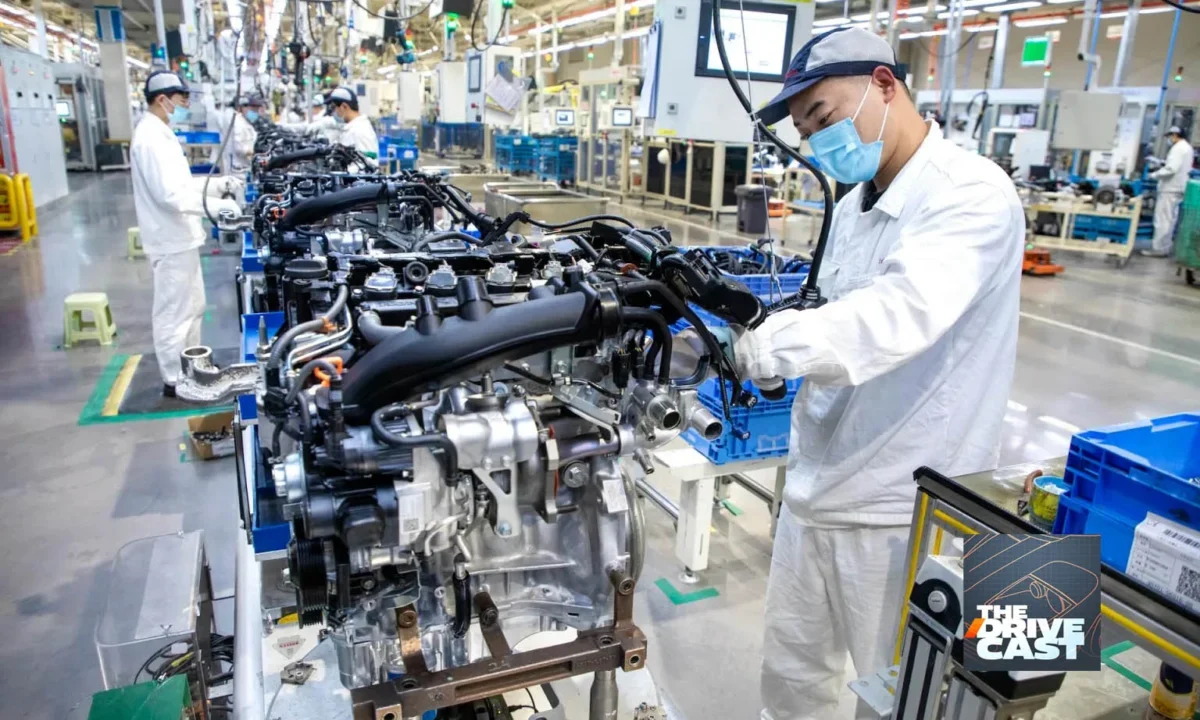
- China’s Industrial Pivot: Hungary has positioned itself as the premier European hub for China’s electric vehicle (EV) supply chain. With massive investments in battery gigafactories (such as CATL’s project in Debrecen), Beijing is effectively embedding itself into the heart of Europe’s green mobility shift, raising concerns in Brussels about industrial reliance.
- The U.S. Diplomatic Counterweight: The United States has aggressively sought to provide an alternative to Russian energy and Chinese supply chains. Through diplomatic pressure and potential investment in renewable technology, Washington is pushing for a Hungary that aligns more closely with the transatlantic energy security consensus.
Chronology: A Decade of Divergence
To contextualize the current state of play, it is essential to trace the strategic shifts in Hungarian energy policy over the last ten years:
- 2014: The Hungarian government signs an intergovernmental agreement with Russia for the Paks II expansion, setting the stage for decades of dependency on Russian nuclear expertise.
- 2018–2020: Hungary begins to pivot its industrial strategy, courting East Asian manufacturers to offset the decline of traditional combustion-engine automotive manufacturing.
- 2022: The Russian invasion of Ukraine forces an EU-wide scramble to reduce energy imports from Moscow. Hungary, however, continues to negotiate exemptions for fossil fuel imports, highlighting its unique diplomatic stance.
- 2023: Significant progress is reported at the Paks II site, while concurrent news breaks regarding the construction of massive Chinese-funded battery plants.
- 2025: The EU introduces stricter "anti-coercion" instruments, aimed at curbing external interference in the internal energy markets of member states.
- April 9, 2026: CLEW webinar for journalists to analyze these threads ahead of the vote.
- April 12, 2026: Parliamentary elections.
Supporting Data: The Cost of Energy Sovereignty
The data regarding Hungary’s energy mix reveals a stark contrast between its stated green goals and its actual geopolitical positioning.
- Nuclear Dependency: Nuclear energy currently accounts for roughly 50% of Hungary’s domestic electricity production. The expansion plans at Paks II are projected to maintain this high reliance for the next 60 years.
- Foreign Direct Investment (FDI) Shifts: In 2024 alone, over 60% of new greenfield investments in Hungary’s energy and mobility sectors originated from non-EU sources, primarily China.
- Climate Targets vs. Reality: While Hungary has committed to the EU’s "Fit for 55" package, its reliance on imported Russian gas and the slow rollout of wind energy infrastructure present a significant hurdle to meeting 2030 emissions reduction targets.
The economic reality is that Hungary is attempting to play both sides: utilizing cheap fossil fuels to keep consumer prices low while simultaneously pivoting toward a high-tech, battery-driven industrial future.
Official Responses: Tensions Between Budapest and Brussels
The Hungarian government, led by Prime Minister Viktor Orbán, has consistently defended its energy policy as a matter of "pragmatic sovereignty." Officials argue that Hungary cannot afford to disconnect from reliable, established partners—whether Russian nuclear technology or Chinese capital—simply to satisfy the ideological preferences of Brussels.
Conversely, the European Commission has viewed these moves with increasing skepticism. High-ranking EU officials have repeatedly warned that allowing external powers to gain a foothold in critical energy infrastructure poses a "systemic risk" to the union. The EU’s recent legislative efforts to tighten oversight on foreign investment into critical infrastructure are widely seen as a direct response to the situation in Budapest.
From the U.S. perspective, the discourse remains focused on "security of supply." Washington has expressed concern that Hungary’s energy choices could inadvertently create "backdoors" for the influence of geopolitical rivals within the EU’s single market.
Implications: What to Watch for After the Election
The outcome of the April 12 election will likely determine whether Hungary continues its current path or attempts a recalibration toward the EU mainstream.
1. The Future of the Green Transition
If the current policy trajectory holds, Hungary will become the primary "battery warehouse" of Europe. This brings high employment but also significant environmental concerns regarding water usage and waste management. Journalists covering the aftermath should look for whether the new administration prioritizes local environmental standards over rapid industrial growth.
2. EU Energy Solidarity
Regardless of the election result, the tension between Hungary and the European Commission is unlikely to vanish. The next government will have to navigate a tightening EU regulatory environment that will force a choice: harmonize energy policy with Brussels or face escalating legal and financial sanctions.
3. The Geopolitical "Triple Lock"
The biggest question remains whether Hungary can continue to balance the competing interests of Washington, Beijing, and Moscow. As global tensions rise, the room for "pragmatic neutrality" is shrinking. The next Hungarian administration will face a world where energy policy is no longer just about light and heat—it is about national security and ideological alignment.
Webinar Details: Preparing for Coverage
For journalists tasked with reporting on these elections, the upcoming webinar hosted by Clean Energy Wire is an indispensable resource.
- Date: 9 April 2026
- Time: 16.00-17.30 CEST
- Format: Online
- Target Audience: International journalists, energy correspondents, and policy analysts.
The webinar will provide a deep dive into the technical aspects of the Paks II project, the economics of Chinese battery manufacturing, and the legal complexities of EU-Hungary energy disputes. Participants will have the opportunity to engage directly with leading experts, ensuring they have the background necessary to cut through campaign rhetoric and report on the hard realities of the Hungarian energy market.
How to Register
Journalists interested in joining this session are encouraged to visit the Clean Energy Wire website. This webinar is supported by Journalismfund Europe, reflecting the importance of independent, well-informed reporting on one of the most critical energy policy landscapes in the modern world.
As we look toward the April 12 vote, the stakes could not be higher. For the people of Hungary, the election is a decision about their future standard of living and their place in the global order. For the rest of Europe, it is a litmus test for the durability of the union’s energy union project.
This article is based on the event announcement provided by Clean Energy Wire. For more information on the specific implications of the Hungarian election on the European Green Deal, stay tuned to the expert insights provided during the April 9 session.
