



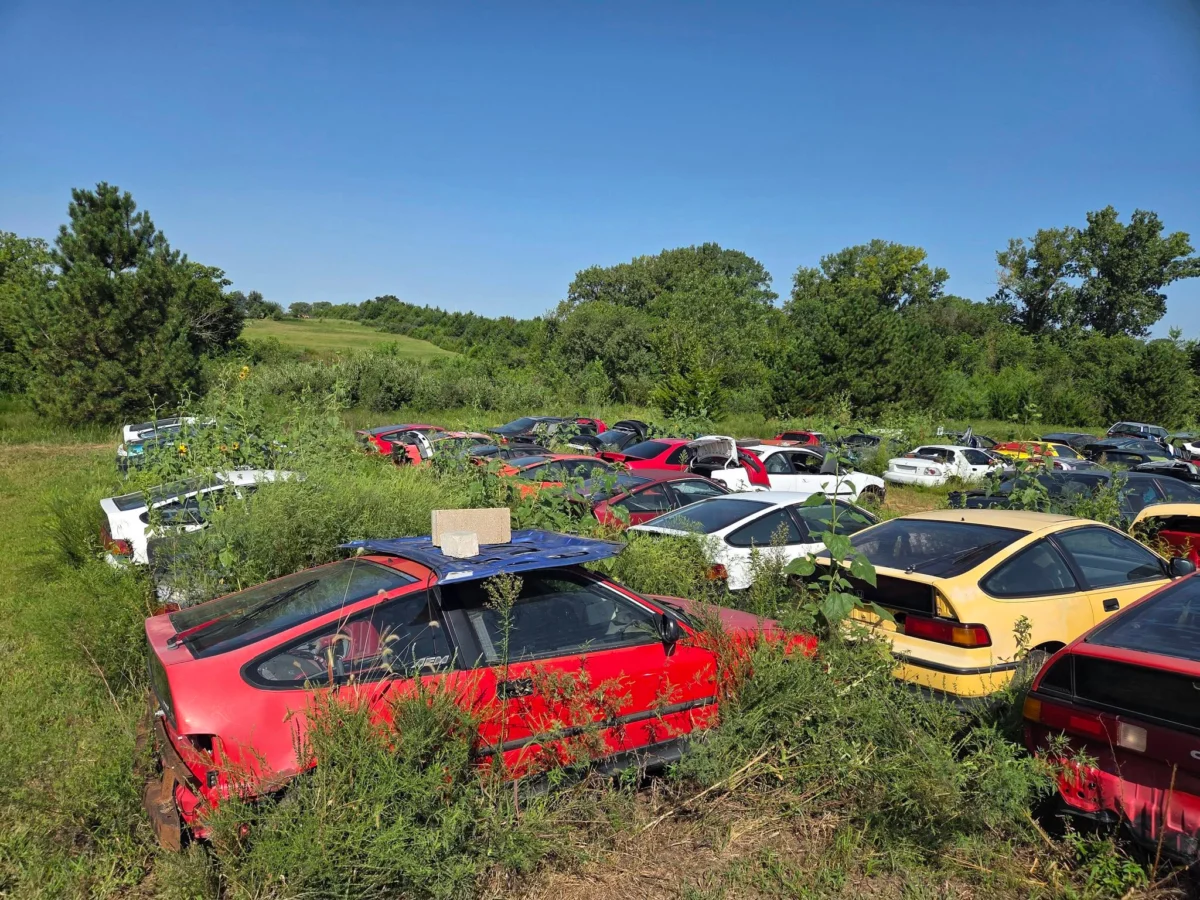
For the automotive enthusiast, few sights are as evocative—or as bittersweet—as a sprawling field filled with the skeletal remains of a once-great fleet. While the internet is rife with stories of forgotten barns and hidden caches of muscle cars, there exists a unique, high-octane corner of the heartland that serves a very specific purpose. Tucked away in the quiet landscape of Rossville, Kansas, lies an operation known affectionately as "CRX Farm." Owned by Jeremiah Freeman, this unlikely facility has become the last line of defense for the iconic, high-revving Hondas that defined the 1980s and 90s.
In an age where the "Golden Era" of Japanese performance is being rapidly erased by rust, neglect, and the crushing weight of time, Freeman’s operation is more than a salvage yard; it is a vital, living archive.
The Genesis of an Unintentional Empire
The story of CRX Farm does not begin with a grand vision of automotive preservation. Instead, it was born out of the practical necessity of a commuter. Over a decade ago, Jeremiah Freeman, a registered nurse by trade, faced a daunting reality: a new job required him to traverse 500 miles of highway every single week.
Seeking fuel economy without sacrificing the visceral connection to the road, Freeman stumbled upon the Honda CRX HF. Renowned for its ability to deliver upwards of 55 miles per gallon, the CRX was a masterclass in efficiency and lightweight engineering. Freeman bought one, drove it until the wheels were effectively falling off, and then sought out parts to keep the dream alive.
"I’m not very mechanical, and I couldn’t build a car to save my life," Freeman admits. Yet, his journey into the world of automotive salvage began with a simple epiphany. After purchasing a donor vehicle for his own repairs, he found himself with a surplus of components. He listed the excess parts on Craigslist, and the response was immediate. "After a few months of selling parts locally… I did some quick math and realized that I had made more money in parts than I had paid for the car initially."
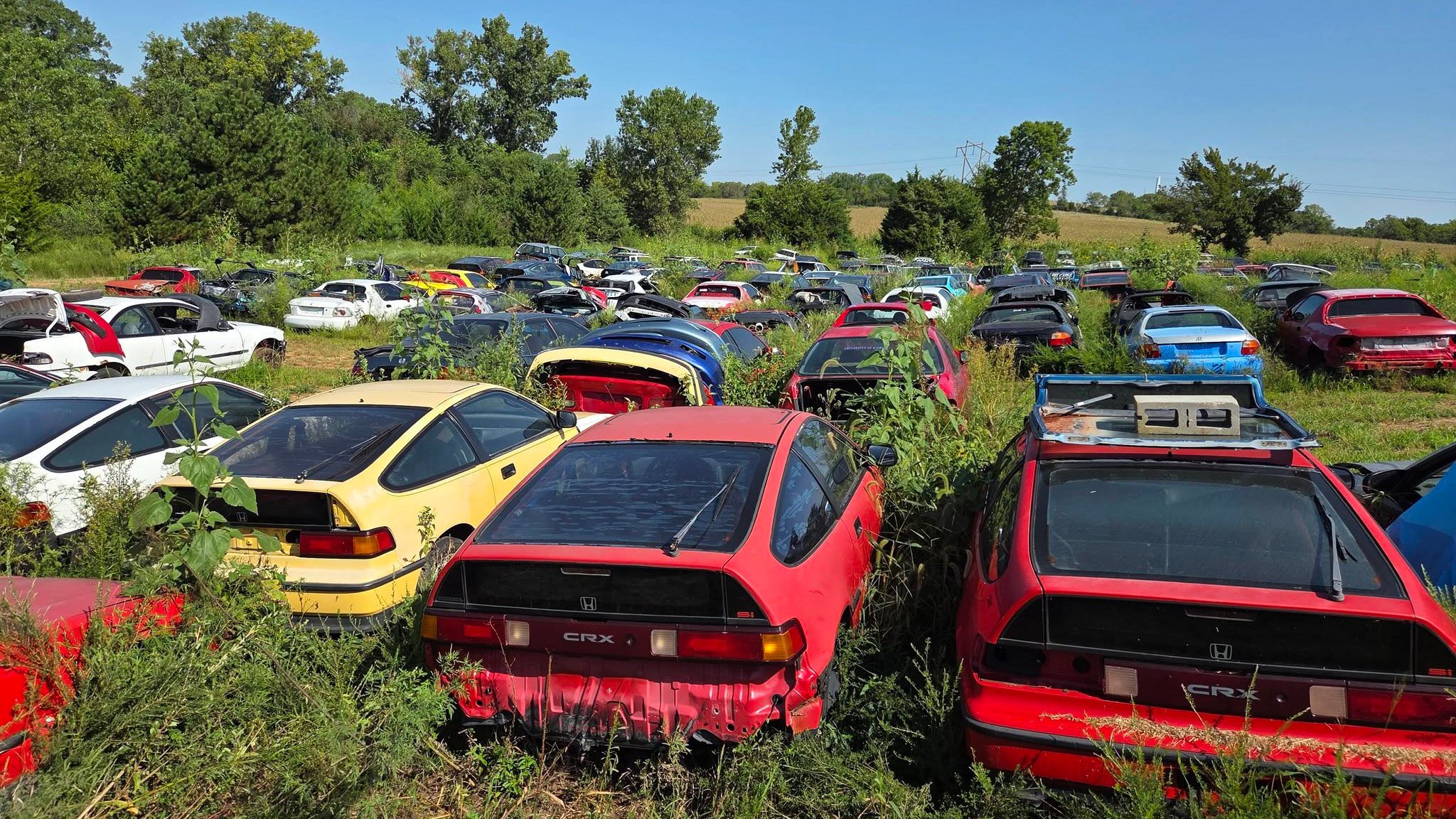
What started as a side hustle for a busy nurse quickly spiraled into a full-blown mission. Today, his collection stands at an astonishing 275 vehicles, each one representing a piece of automotive history that the factory long ago stopped supporting.
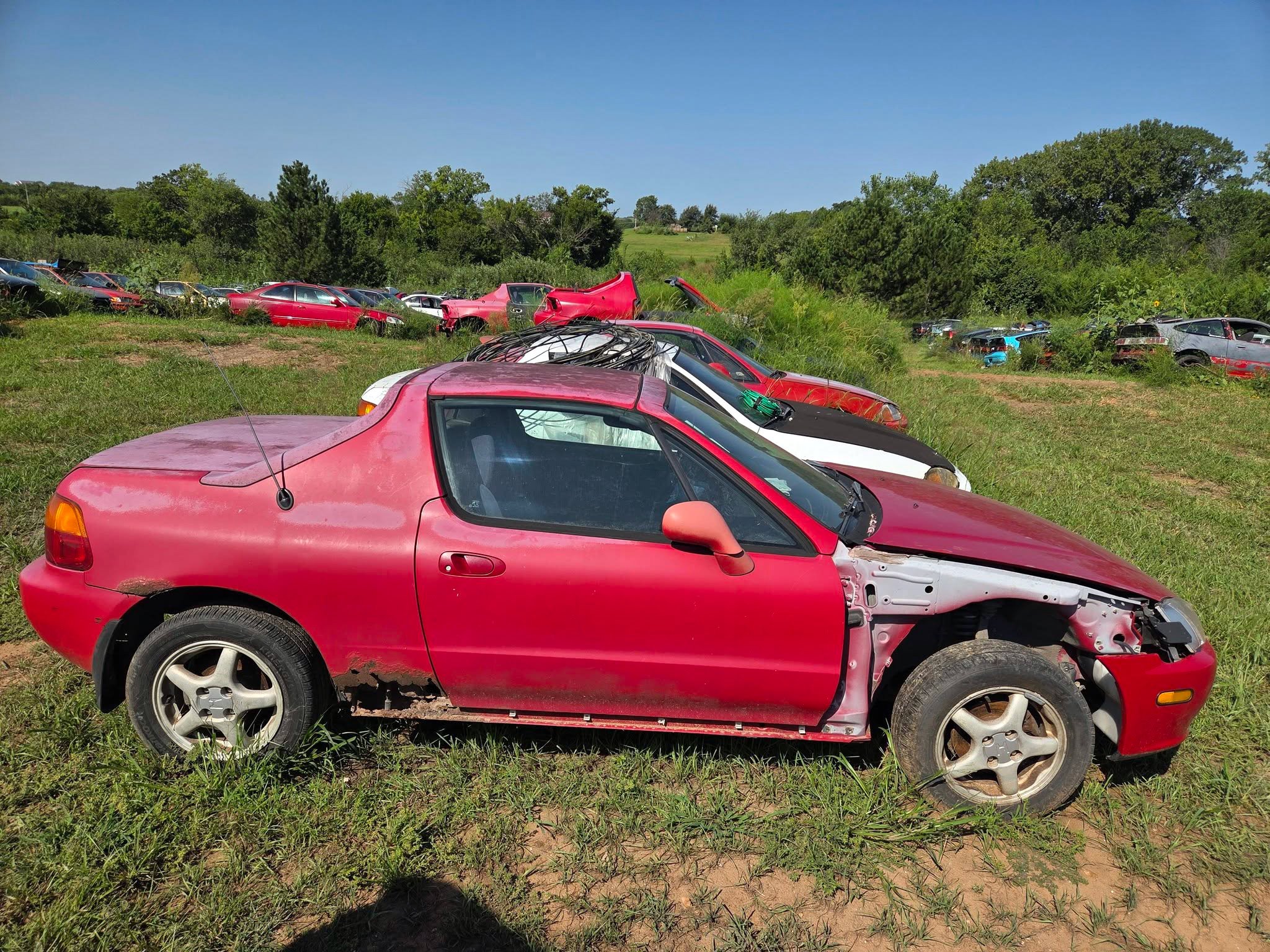
A Chronology of the Collection: From Daily Driver to "CRX Heaven"
The inventory at the farm is a testament to the sheer variety of Honda’s mid-to-late 20th-century output. While the name "CRX Farm" suggests a singular focus, the reality is far more expansive. Freeman’s current tally includes:
- 67 Second-Generation Honda CRXs
- 20 First-Generation CRXs
- 29 Honda Del Sols
- A massive inventory of Civics, Accords, Integras, and Preludes
- Select Acura RSX models
- A utilitarian fleet including CR-Vs, Elements, Odysseys, and a Pilot
The transformation of these vehicles from road-going machines to parts donors is a process governed by the condition of the metal. Freeman is a realist; he understands that for many of these cars, the time for restoration has passed. However, he maintains a strict internal policy: if a vehicle is complete, features a clean title, and is capable of running, it is spared from the "parts" designation.
The shift from a casual collection to an industry-standard resource was solidified when creators like Caseys Customs visited the farm to source rare hardware for a custom, V8-swapped RWD CRX build. That exposure brought the farm to the attention of the global Honda community, proving that even in the age of 3D printing and modern manufacturing, nothing beats an OEM-spec component pulled from a donor car.
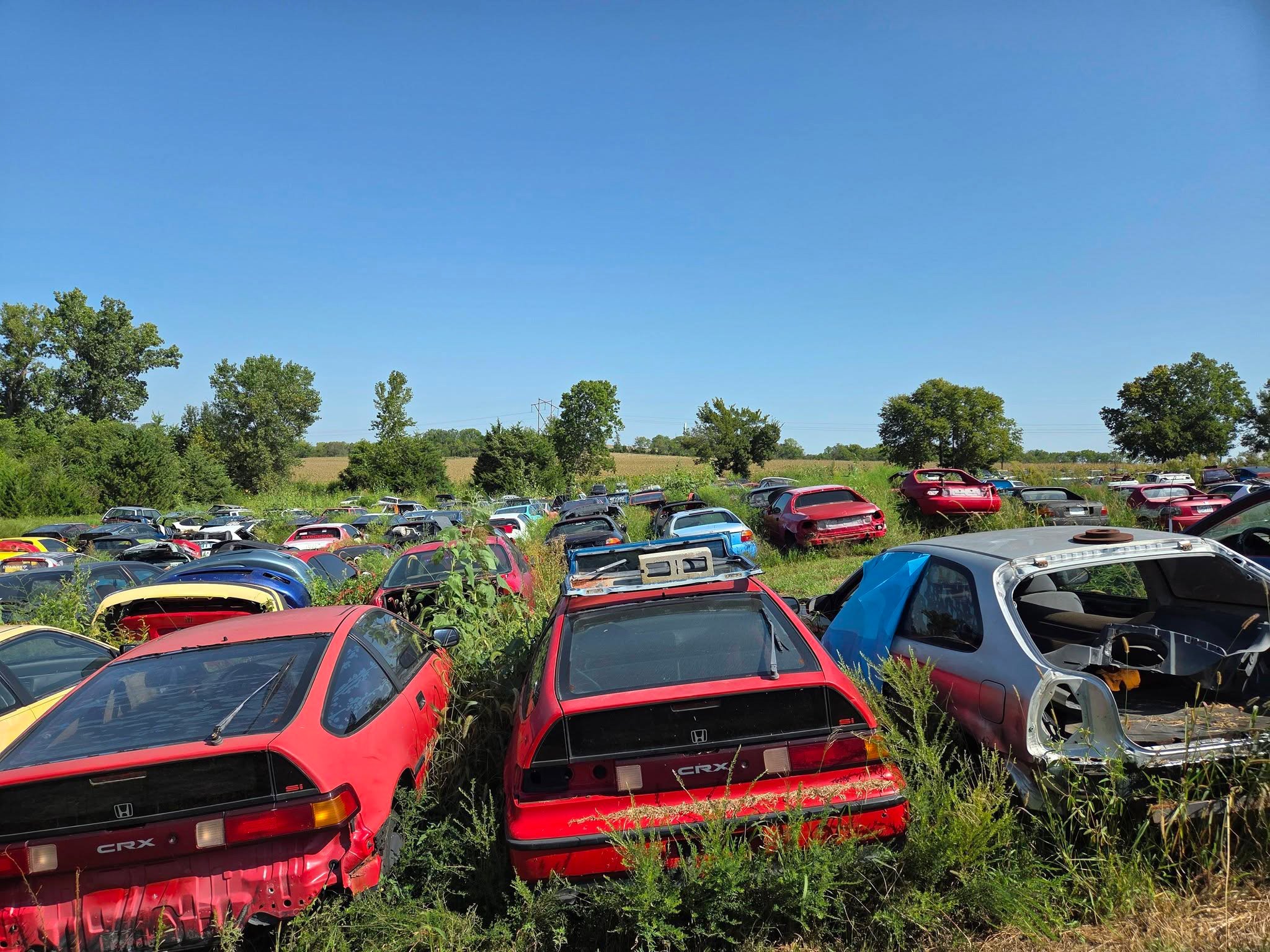
The Anatomy of the Inventory: Why These Parts Matter
To understand the importance of CRX Farm, one must understand the fragility of the "Golden Era" Honda. These vehicles, many of which are now approaching 40 years of age, are suffering from the "disappearing act." Hundreds of thousands of these units have been scrapped or recycled into modern commodities.
For the dedicated enthusiast, finding a specific trim piece, a rare interior molding, or a specific bracket for an EF Civic Wagon is a Herculean task. These parts are no longer available at dealerships, and aftermarket reproductions often lack the fit and finish of the originals.
Freeman’s inventory acts as a hedge against the extinction of these models. By curating a massive, organized, and accessible supply of components, he allows builders to keep their cars on the road rather than relegating them to garage art. It is a form of automotive archeology. When someone restores a 1989 Civic Si, they aren’t just repairing a car; they are preserving a cultural artifact of the "import tuner" movement that revolutionized the American automotive landscape.
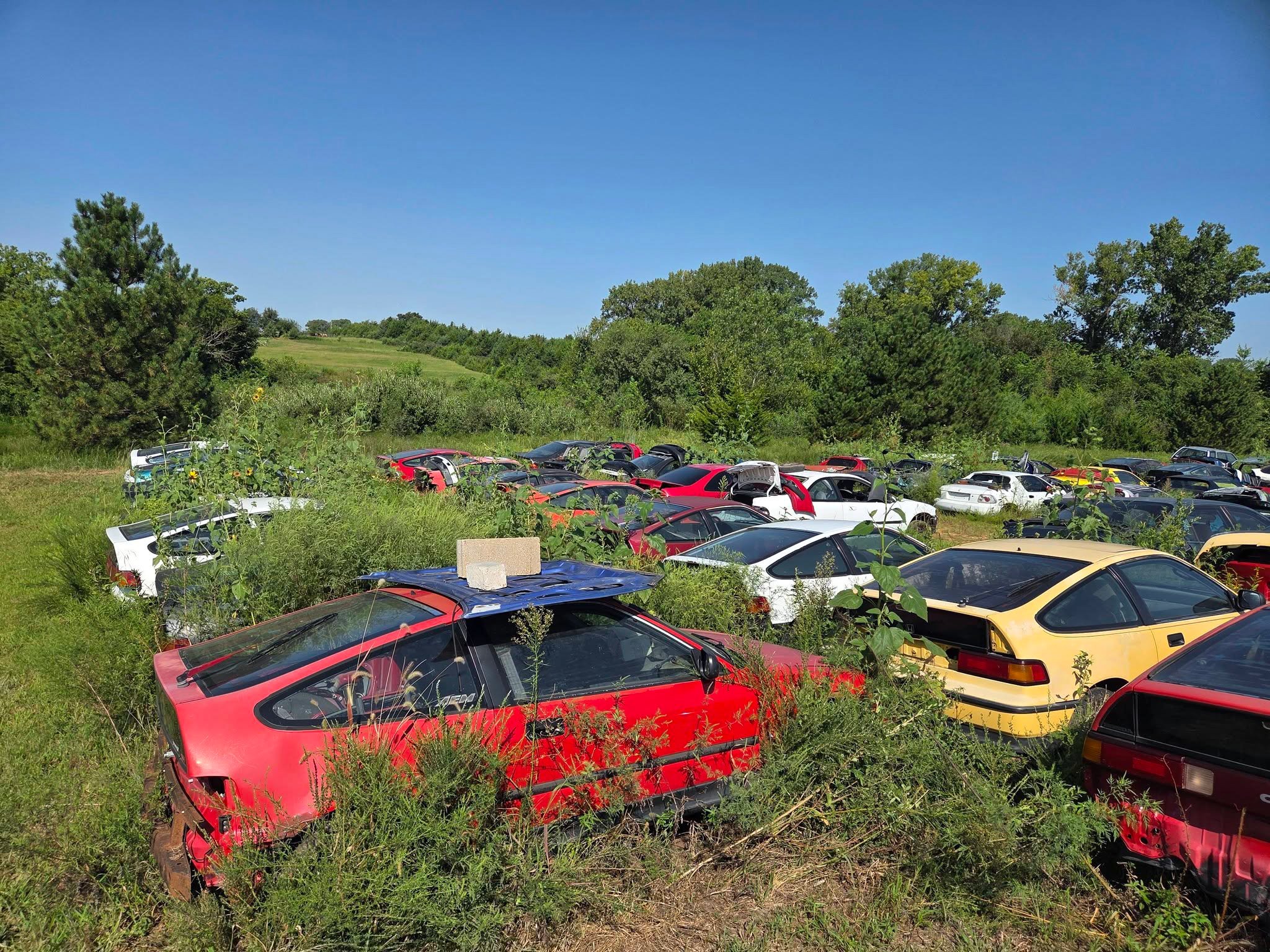
The Business of Preservation: Rules of Engagement
Operating a salvage yard of this magnitude is not without its challenges. Freeman describes his business model as lean, efficient, and—above all—principled. Managing 275 vehicles and thousands of individual parts requires a level of discipline that is rare in the salvage industry.
"I have a couple of rules for doing business," Freeman states. "Don’t be an asshole. Don’t waste my time."
It is a blunt philosophy, but it is one that has allowed him to sustain the operation for years. He notes that roughly 60% of potential inquiries fall by the wayside because they cannot adhere to these simple, professional standards. For Freeman, the farm is not just a source of revenue; it is a community service. By filtering out "time-wasters," he ensures that his energy is directed toward enthusiasts who are genuinely committed to the preservation of their machines.
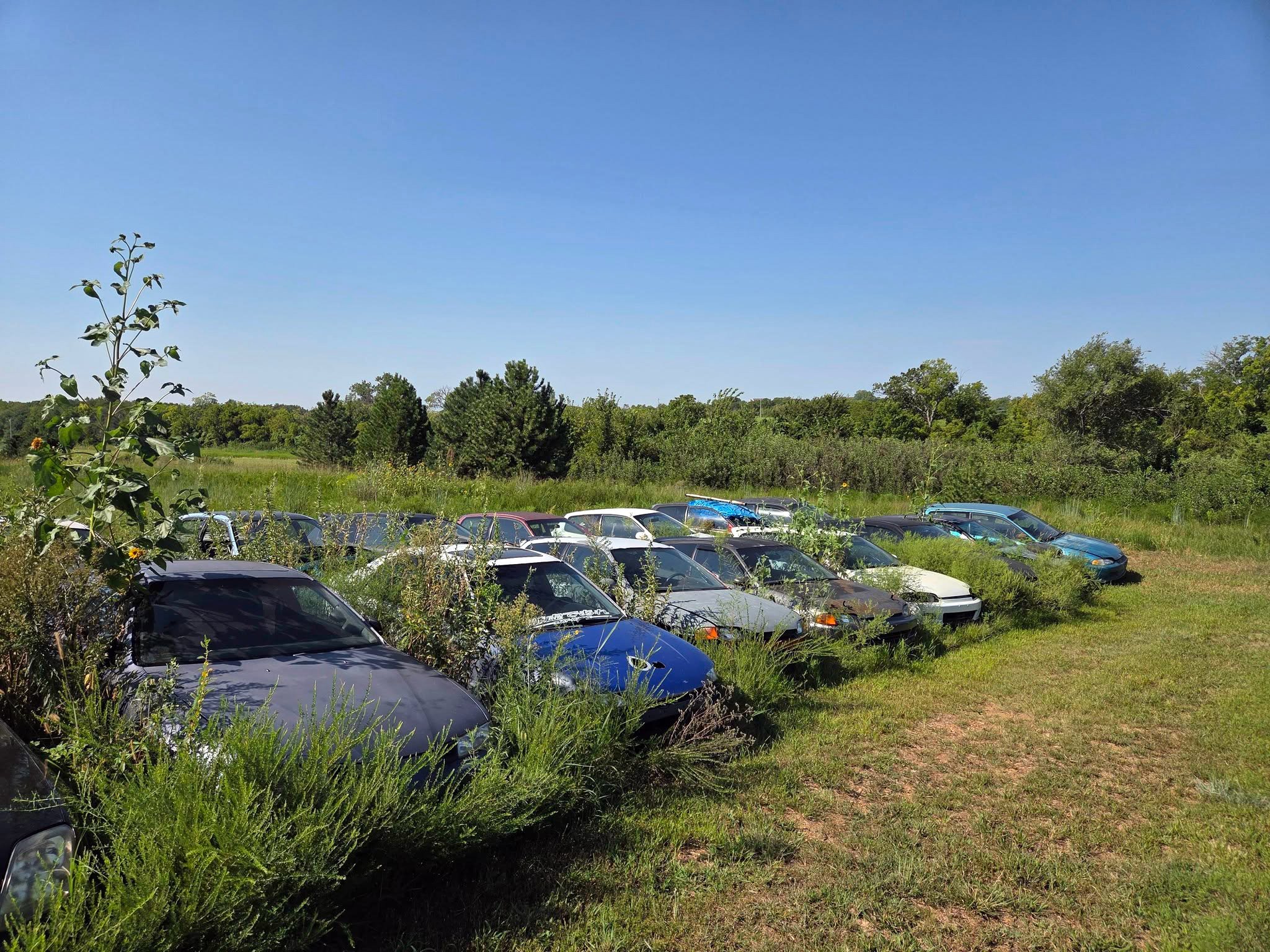
Furthermore, his reach has grown far beyond the borders of Kansas. Through his Facebook seller page, Freeman ships components to enthusiasts across the globe. Whether a builder is in California or on another continent, the logistical chain from a field in Rossville to a garage elsewhere is a testament to the enduring global passion for the Honda brand.
Implications for the Future of Automotive Heritage
The existence of CRX Farm raises an important question about the future of car culture: Who is responsible for saving the "common" car?
Most preservation efforts are focused on high-dollar exotics or limited-production muscle cars. However, the true history of the American road is written in the affordable, reliable, and fun vehicles that the working class drove every day. When we lose the Civic, the Accord, and the CRX, we lose the baseline of the automotive experience for millions of people.
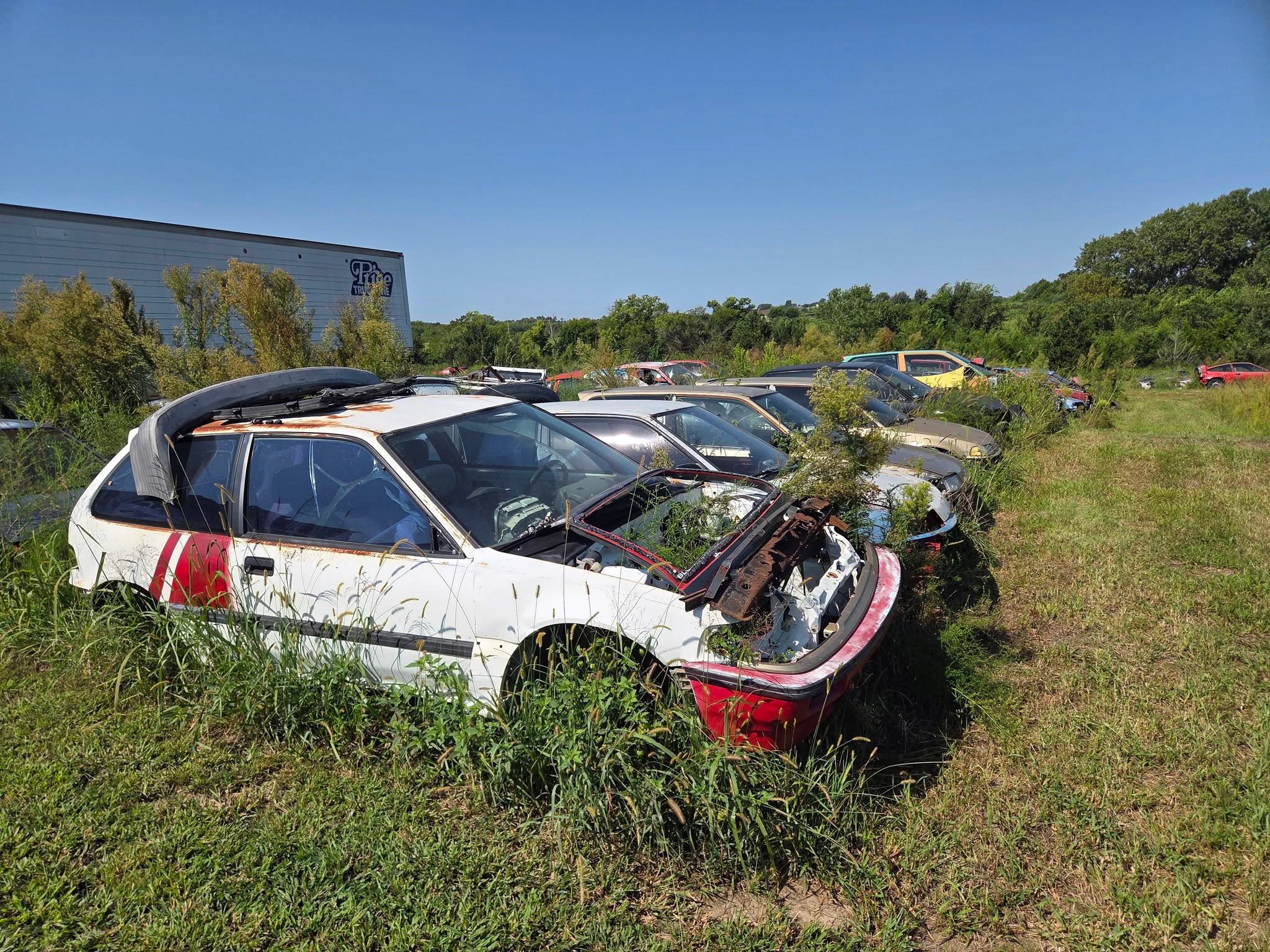
Jeremiah Freeman’s work highlights a growing trend in the car hobby: the "private archivist." These individuals, acting outside of corporate or museum oversight, are the ones doing the heavy lifting to ensure that the icons of our youth remain functional.
As we look toward an increasingly electrified and autonomous automotive future, the demand for parts for internal combustion, analog-era vehicles is likely to spike. The cars currently sitting in the Kansas sun are not just scrap; they are the future components for a generation of enthusiasts who will value the mechanical, tactile experience of driving above all else.
Conclusion
The "CRX Farm" is more than a curiosity; it is a vital node in the network of automotive restoration. Through a decade of consistent work, Jeremiah Freeman has transformed a necessity-driven side project into a cornerstone for Honda enthusiasts worldwide. While the sight of hundreds of Hondas sitting in a field might strike some as a graveyard, to the true believer, it is a sanctuary.

As long as there are enthusiasts willing to turn a wrench, and as long as there is a farm in Kansas holding the pieces to the puzzle, the golden era of Honda will remain firmly in the present tense, rather than fading into the past. For those in need of that impossible-to-find part, or simply those who appreciate the sheer scale of this dedication, the gates of the CRX Farm remain a beacon of hope.
If you have a lead on a unique automotive collection, feel free to reach out and share your story with the enthusiast community.
