



For years, the world of sim racing has been defined by high-fidelity steering wheels, load-cell pedals, and motion-platform rigs designed to mimic the tactile experience of a GT3 racer or an F1 car. While the four-wheeled simulation market has reached a level of maturity where enthusiasts can replicate the exact resistance of a Porsche 911 GT3 R steering rack in their living rooms, the motorcycle simulation community has been left largely in the cold.
Typically, virtual motorcyclists have been forced to choose between standard gamepad controllers or overly simplistic plastic peripherals that feel more like toys than precision instruments. However, at Gamescom 2026, Moza Racing—a company that has rapidly evolved from a niche newcomer to a titan of the sim-racing hardware space—changed the narrative. With the unveiling of their officially licensed MotoGP handlebar controller, Moza is not just dipping a toe into the two-wheeled market; they are attempting to define it.
The Core Innovation: Engineering a True MotoGP Experience
The skepticism surrounding the announcement was palpable among industry observers. Given the history of "novelty" controllers in gaming—ranging from the clunky Tony Hawk: Ride skateboard to the plastic guitars that defined the Guitar Hero era—many feared this would be a high-priced gimmick. Instead, Moza has delivered a piece of hardware that leans heavily into modularity and professional-grade materials.
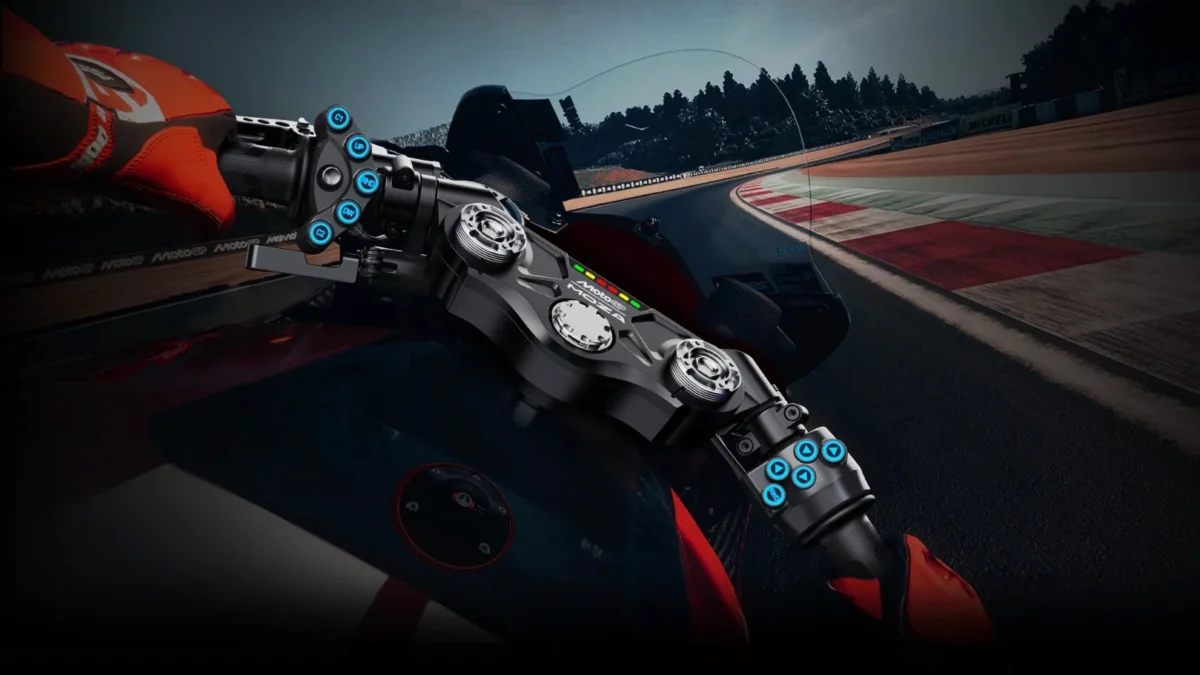
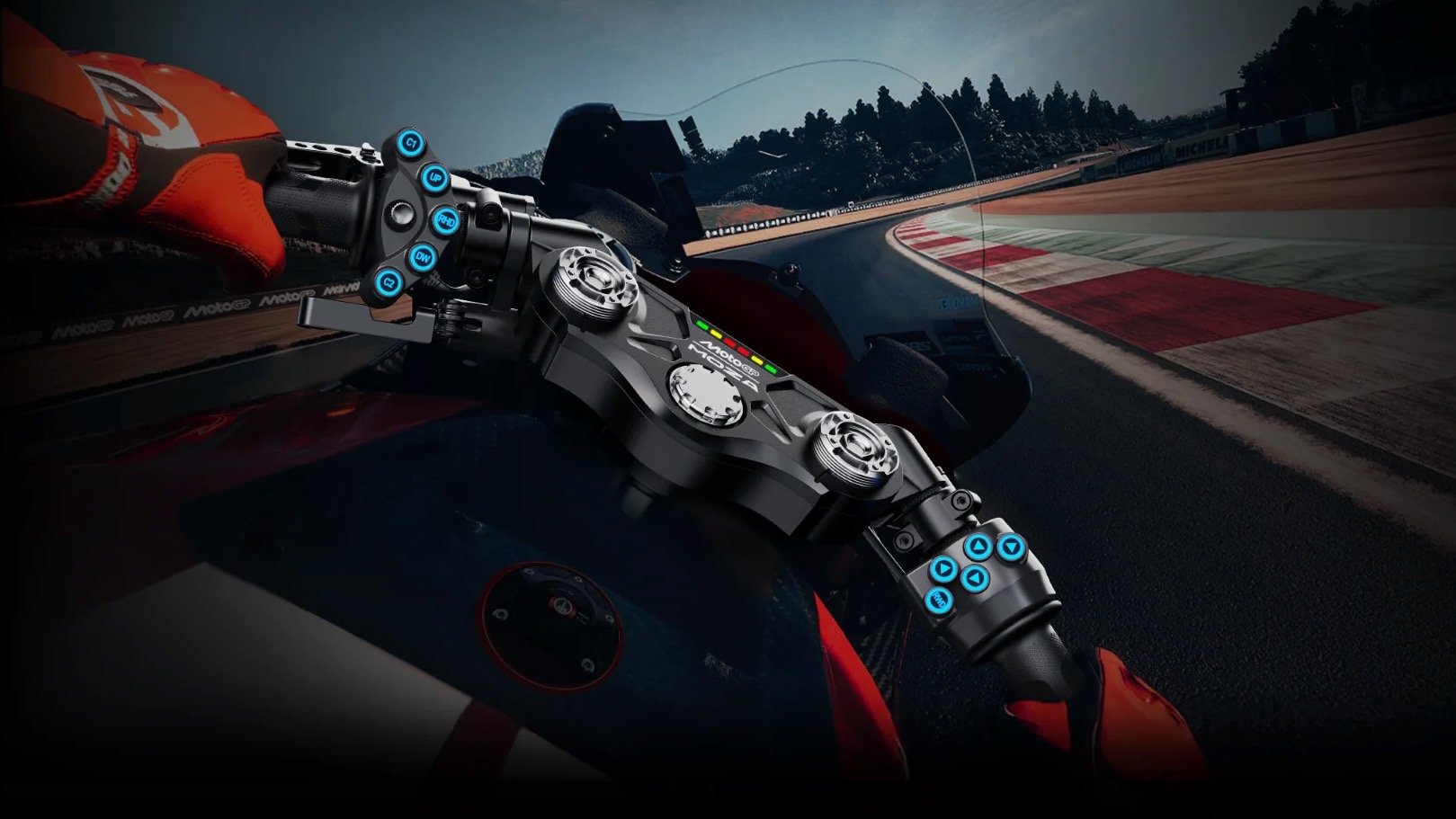
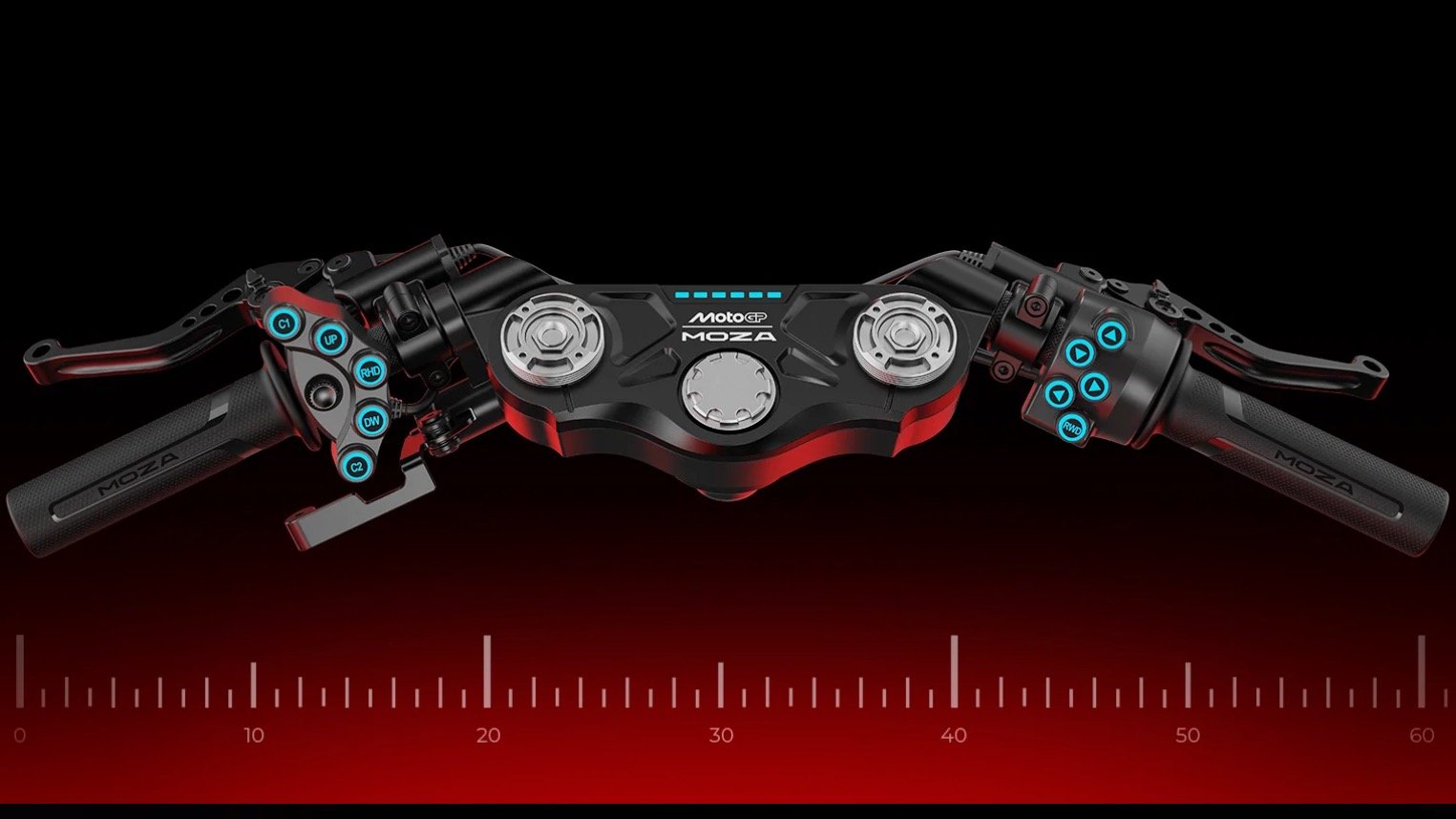
The controller is constructed from a lightweight magnesium alloy, providing a balance of structural rigidity and maneuverability. According to Moza’s engineering team, the device was developed with direct input from professional MotoGP riders to ensure that the "feel" of the input matches the visceral reality of a prototype racing bike.
Perhaps most impressive is the level of customization available. Moza claims that the brake lever and grips are not proprietary, molded plastic components; rather, they are designed to be swappable with parts from actual motorcycles. This allows enthusiasts to tailor the friction, resistance, and ergonomics of their controller to match their personal preferences or even their own real-world track bikes.
A Chronology of the Development
The path to this announcement was not overnight. Moza’s rise in the sim-racing industry has been characterized by aggressive R&D cycles and a keen eye for licensing opportunities.
- Early 2025: Rumors began circulating regarding Moza’s interest in the motorcycle segment following their successful expansion into high-end direct-drive wheelbases.
- Late 2025: Internal prototypes were reportedly circulated among a select group of esports competitors in the MotoGP eSport Championship to refine the ergonomics.
- Q2 2026: Teasers began appearing on social media, showcasing a mysterious, specialized rig that appeared to prioritize the physics of leaning and weight transfer.
- August 2026 (Gamescom): The official unveiling occurred in Cologne, Germany, accompanied by a dynamic demonstration of the hardware paired with a specialized motorcycle sim rig.
Technical Specifications and Ergonomic Precision
The Moza MotoGP controller is more than just a set of bars; it is an integrated input system. The device features 10 buttons total—split equally between the left and right grips—providing ample mapping space for advanced game functions like traction control adjustments, engine mapping, and pit limiter toggles.
Crucially, the unit features a five-way switch on the left side and a centrally located D-pad, ensuring that the user can navigate complex menus without ever needing to touch a keyboard or mouse. The inclusion of Hall-effect sensors for the brake and clutch levers is a major selling point. Unlike traditional potentiometers, which can wear out and lose accuracy over time, Hall-effect sensors use magnetic fields to track movement, offering a high-resolution, contactless input that is both durable and incredibly precise.
The adjustability of the bars themselves is a standout feature. Users can modify both the width and the angle of the handlebars, allowing the setup to mimic different bike geometries—from the aggressive, narrow clip-ons of a MotoGP prototype to the slightly more upright stance of a street-legal sportbike. Furthermore, the ability to integrate with Moza’s existing ecosystem, including the CM2 digital dashboard, provides a seamless, professional cockpit environment.
The Role of Force Feedback and Physics
One of the biggest hurdles in motorcycle simulation has always been the translation of "lean" into an input that feels natural to a gamer sitting in a chair. While steering input is straightforward, the lean angle is the soul of motorcycling.
Moza’s solution is a native force-feedback system that operates in tandem with MotoGP 26. When paired with a dedicated motorcycle sim rig—which includes a chassis designed to tilt and simulate the centrifugal forces of a corner—the handlebar controller provides haptic feedback that simulates the "washout" sensation of the front tire or the "squat" of the rear suspension under acceleration. This integration is designed to move beyond simple vibration, aiming instead for "telemetry-based" feedback that tells the rider exactly how much grip is available at the contact patch.
Official Responses and Industry Outlook
"We wanted to build something that didn’t just play the game, but represented the sport," a Moza spokesperson noted during the Gamescom press event. "When you are dealing with machines that push 300 horsepower, the interface between the rider and the bike is the most critical component. We didn’t want to make a controller; we wanted to make a tool."
The industry reception has been cautiously optimistic. By securing an official license from MotoGP, Moza has bypassed the "unofficial accessory" stigma that plagues many gaming peripherals. By aligning with the premier motorcycle racing organization in the world, they have effectively positioned this device as the "gold standard" for the next generation of digital motorcycle racing.
Implications for the Sim-Racing Market
The entry of this hardware into the market signals a broader shift in the simulation industry. We are moving away from the "steering wheel for everything" era. As sim-racing rigs become more specialized, we are likely to see a bifurcation in the market:
- The Modular Enthusiast: Players who own a universal rig base and swap out wheels, yokes, or handlebars depending on the vehicle class.
- The Specialist: Dedicated sim-racers who invest in specific rigs for specific disciplines, such as the dedicated motorcycle sim setup showcased by Moza.
If this controller proves successful, it will likely trigger a competitive response from other major players like Fanatec or Simucube, potentially leading to a new "arms race" in motorcycle peripheral technology. For the consumer, this means that the barrier to entry for high-end, realistic motorcycle simulation is finally beginning to crumble.
Pricing and Availability: The Final Frontier
While Moza has not released an official price tag, the market provides some clues. Their current high-end offerings, such as the Essenza SCV12-styled steering wheel, retail for approximately $1,299. Given the complexity of the MotoGP controller—which includes intricate electronics, Hall-effect sensors, and complex adjustable mounting hardware—it is safe to assume this will be a premium product.
For those who have invested thousands into their current four-wheeled rigs, the prospect of adding a secondary motorcycle-specific station is a significant commitment. However, for the dedicated MotoGP fan, the ability to finally experience the sport with equipment that honors the engineering of the actual bikes is an opportunity that few will pass up.
As we look toward the remainder of 2026, the success of the Moza MotoGP handlebar controller will likely serve as a litmus test for the viability of the motorcycle sim market. If the hardware can deliver on its promise of precision, durability, and immersion, it will not just be a win for Moza—it will be a win for every motorcycle enthusiast who has ever wanted to push their limits on the virtual asphalt of the world’s greatest tracks.
