





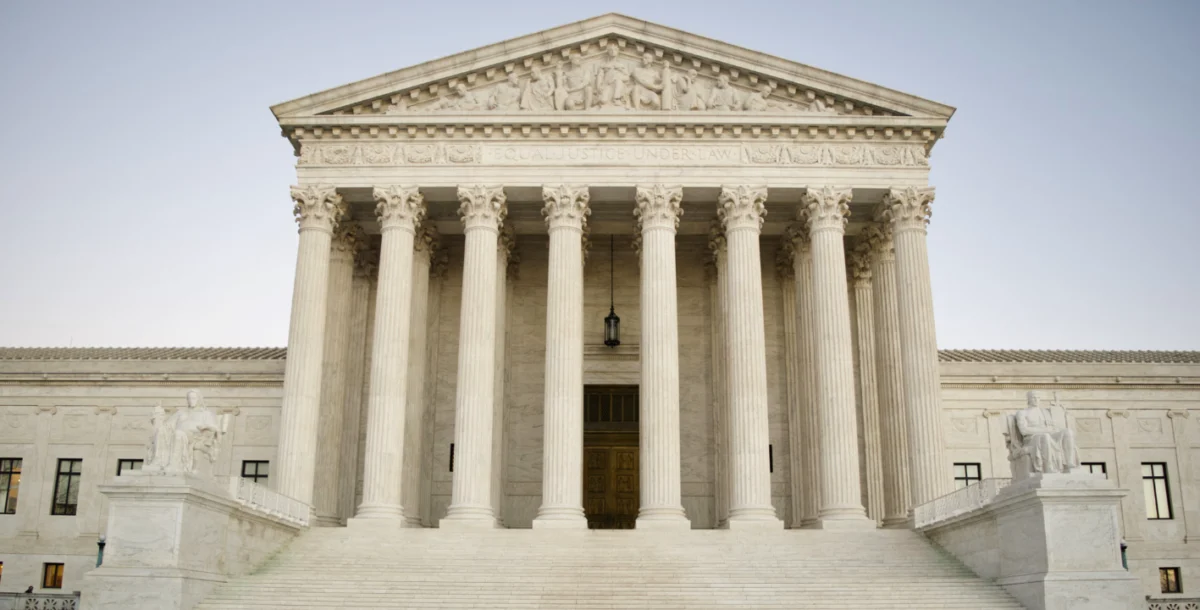
In a high-stakes legal maneuver that underscores the deepening tension between federal immigration policy and judicial oversight, the Trump administration filed an emergency application with the U.S. Supreme Court on Thursday. The filing seeks to bypass a recent appellate court decision that curtails the government’s ability to conduct expedited "third-country" deportations—a policy that has become a cornerstone of the administration’s strategy for managing removal operations.
The administration is requesting that the High Court stay a February judgment, upheld by the First Circuit Court of Appeals on September 18, which requires the Department of Homeland Security (DHS) to provide immigrants with "meaningful notice" and an opportunity to challenge their removal if they face potential persecution or torture in the destination country.
The Core Legal Dispute
At the center of this litigation is the scope of executive authority under the Administrative Procedure Act (APA). The Trump administration argues that the judiciary has overstepped its bounds by imposing procedural requirements that hinder national security and immigration enforcement. Solicitor General D. John Sauer, in his filing to the Supreme Court, asserted that the lower court’s requirements would cause "irreparable harm" to the government’s ability to execute final removal orders.
Conversely, civil rights advocates and legal scholars argue that the administration’s policy fails to meet basic due process standards. The policy, which involves sending individuals to countries where they may have no prior ties, has been scrutinized for potentially violating the principle of non-refoulement—the international law principle that forbids a country from returning asylum seekers to a territory where they would be at risk of persecution.
Chronology of the Legal Battle
The legal conflict has unfolded rapidly over the course of 2026, marking a significant chapter in the administration’s aggressive enforcement agenda.
- February 2026: U.S. District Judge Brian Murphy issued a landmark ruling declaring the administration’s third-country removal policy "unlawful." Judge Murphy concluded that the DHS could not unilaterally deport individuals to third countries without first providing them with adequate notice and an opportunity to object.
- Spring 2026: Despite the district court ruling, the administration continued its deportation efforts, citing the necessity of these removals for individuals who cannot be returned to their countries of origin. By May 2026, reports indicated that over 17,400 individuals had been transferred to more than 30 countries under these deals.
- September 18, 2026: The U.S. Court of Appeals for the First Circuit delivered a major blow to the administration, largely upholding Judge Murphy’s February decision. The appellate panel agreed that the existing DHS guidance lacked the procedural safeguards mandated by the APA.
- September 23, 2026: The First Circuit dissolved its stay of the district court’s judgment. This action had an immediate, tangible impact on immigration operations, forcing the government to ground deportation flights.
- September 24, 2026: The Trump administration filed an emergency appeal with the U.S. Supreme Court, seeking an administrative stay and a long-term suspension of the lower court’s requirements while the case is under further review.
Supporting Data and Policy Context
The scale of the "third-country" removal policy is immense. According to recent federal filings, the administration has utilized these arrangements to bypass the bureaucratic gridlock that often prevents repatriation to home countries. By negotiating deals with intermediary nations, the government has been able to maintain a high tempo of removals.
However, the policy has drawn intense criticism from humanitarian groups. A report by the Senate Foreign Relations Committee, titled "At What Cost: Inside the Trump Administration’s Secret Deportation Deals," highlighted concerns regarding the lack of transparency in these agreements. Critics argue that these deals, which are often finalized without congressional oversight, place vulnerable individuals in legal and physical limbo.
Furthermore, the government’s reliance on "credible assurances" from receiving nations—the claim that a third country has promised not to subject deportees to torture—is a point of contention. Amnesty International and other human rights monitors have questioned the validity of these assurances, noting that in several instances, the destination countries lack the infrastructure or legal framework to protect the fundamental rights of those being deported.
Official Responses and Administrative Impact
The administration’s filing on Thursday provided a glimpse into the operational chaos the court-mandated changes have caused. The DHS reported that it was forced to cancel a flight carrying 70 individuals with criminal convictions to three different countries. Beyond the immediate cancellation, the government noted that it must now initiate a time-consuming process of re-negotiating diplomatic terms with those nations to ensure the removals can proceed under the new, more rigorous procedural requirements.
Solicitor General Sauer emphasized that the lower court’s ruling essentially creates a "new, extra-statutory requirement" that federal law does not support. The administration maintains that when a receiving country provides assurance against persecution, the need for further procedural hurdles is nullified. The government argues that these judicial interventions disrupt the executive branch’s constitutional prerogative to manage border security and enforce immigration law.
On the other side of the aisle, the American Immigration Council has consistently pointed to the human cost of these policies. They argue that without a formal, transparent mechanism for individuals to raise fears of persecution, the risk of violating both U.S. and international law is unacceptably high. They maintain that "meaningful notice" is not a bureaucratic delay, but a fundamental protection against the potential return of individuals to life-threatening conditions.
Broader Implications for Immigration Law
The Supreme Court’s decision on this emergency stay will have far-reaching consequences for the future of U.S. immigration policy.
1. Executive Power vs. Judicial Review
If the Supreme Court sides with the administration, it could set a precedent that significantly limits the ability of the judiciary to interfere with executive-led immigration operations. It would effectively grant the DHS greater autonomy to conduct removals without the burden of extensive administrative hearings, potentially accelerating the pace of deportations.
2. The Future of Third-Country Deals
Should the Court uphold the First Circuit’s ruling, the administration will be forced to overhaul its entire framework for third-country removals. This would involve creating formal, standardized procedures for notice and objection, which could lead to a backlog in the immigration system and potentially strain diplomatic relations with nations currently acting as third-country hosts.
3. Human Rights and International Standing
The outcome will also influence how the U.S. is viewed in the international community regarding its commitment to human rights. If the Court allows the current, less-regulated policy to continue, the U.S. may face increased pressure from international bodies to adopt more transparent and protective standards for those subject to removal.
Conclusion: A High-Stakes Wait
As the nation watches the Supreme Court, the immediate future of thousands of individuals currently held in the immigration system remains uncertain. The Court must now decide if the government’s interest in rapid, efficient removal outweighs the individual’s right to challenge the destination of their deportation.
For the Trump administration, this is a battle for the integrity of its enforcement strategy. For the individuals caught in the crossfire, it is a battle for the fundamental right to safety and due process. The Court’s response—whether it grants an immediate administrative stay or declines the request—will define the legal boundaries of American immigration policy for the remainder of the year and likely beyond.
