




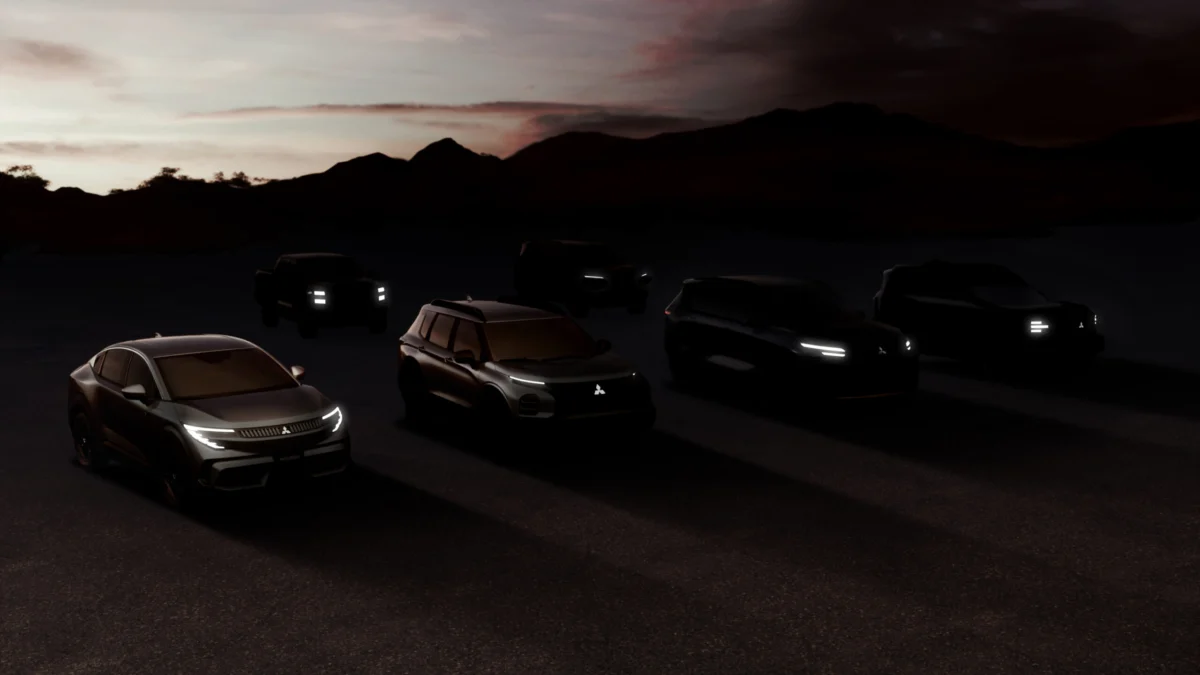
Mitsubishi Motors is officially staging a comeback in one of the most competitive segments in the American automotive industry: the pickup truck. As part of its ambitious "Momentum 2030" initiative, the Japanese automaker has confirmed that it will re-enter the North American truck market, leveraging its long-standing corporate alliance with Nissan to bridge a product gap that has existed for over 15 years.
For Mitsubishi, this is more than just a new model launch; it is a fundamental repositioning of the brand in the United States, signaling a departure from its current lean lineup and a renewed focus on utility and market relevance.
The Core Facts: What We Know
The announcement, made alongside the broader "Momentum 2030" roadmap, marks the first time Mitsubishi has explicitly committed to a pickup truck for the U.S. market since the discontinuation of the Dodge Dakota-based Mitsubishi Raider in 2009.
While specific technical specifications, pricing, and naming conventions remain under wraps, industry analysts and the company’s own signals point toward a vehicle underpinned by the proven Nissan Frontier platform. By utilizing a shared, body-on-frame architecture already manufactured in the United States, Mitsubishi can bypass the massive R&D costs associated with developing a truck from scratch while ensuring the vehicle is built to American consumer standards.
The teaser silhouette released by the company reveals a rugged, high-riding profile that aligns with the aesthetic language of modern midsize trucks. This suggests a vehicle designed to compete directly with the likes of the Toyota Tacoma, Chevrolet Colorado, and, of course, the Nissan Frontier.
A Chronology of a Long-Awaited Return
The path to this announcement has been paved with years of speculation, internal shifting, and strategic realignment.
- 2009: Mitsubishi officially exits the North American pickup market following the cancellation of the Raider, a badge-engineered truck that failed to gain significant market traction.
- 2016–2020: As the alliance between Renault, Nissan, and Mitsubishi (RNM) stabilizes, discussions regarding platform sharing begin to prioritize cross-regional synergies.
- 2023: Early rumors emerge suggesting Mitsubishi is exploring a compact, unibody pickup—a move that would have positioned them as a direct challenger to the Ford Maverick.
- 2024: Following internal financial assessments and shifting consumer demands toward larger, more capable midsize platforms, the strategy pivots toward the body-on-frame Frontier architecture.
- August 2026: Mitsubishi officially unveils the "Momentum 2030" plan, formally confirming that a pickup truck will be a pillar of their U.S. growth strategy.
- September 2026: The global reveal of the revived Montero (Pajero) is scheduled, further signaling a return to the brand’s rugged, off-road roots.
Supporting Data: Why Now?
The North American pickup segment is currently the most profitable and high-volume sector in the automotive industry. For a brand like Mitsubishi, which has relied heavily on the Outlander and a handful of crossovers, the addition of a truck provides a massive "halo" effect.
Data from the last three years shows that while sedan sales have stagnated, the midsize and compact truck segments have seen consistent growth. Consumers are increasingly viewing trucks as dual-purpose vehicles—capable of heavy-duty work during the week and family-oriented adventure on the weekends.
Furthermore, the "Momentum 2030" plan aims to address the brand’s lack of a full-line identity. By integrating a Nissan-based truck, Mitsubishi gains immediate access to a proven powertrain—likely Nissan’s 3.8-liter V6—and a chassis that has already cleared U.S. safety and emissions regulations. This partnership minimizes risk for Mitsubishi while allowing Nissan to scale production of its own platforms, creating a win-win scenario for the alliance.
Official Responses and Corporate Vision
The messaging from Mitsubishi’s leadership has been one of disciplined optimism. Mark Chaffin, president and CEO of Mitsubishi Motors North America, emphasized that the decision was not made lightly.
"When we launched Momentum 2030, many questioned whether such an ambitious vision could be achieved," Chaffin stated during the press conference. "Today, that vision is taking shape. Mitsubishi Motors is fully committed, and the path forward for the U.S. market is clear. This is the most comprehensive growth plan we have ever undertaken in the region, built around delivering greater value to customers, creating new opportunities for our dealer partners, and strengthening the long-term future of the brand."
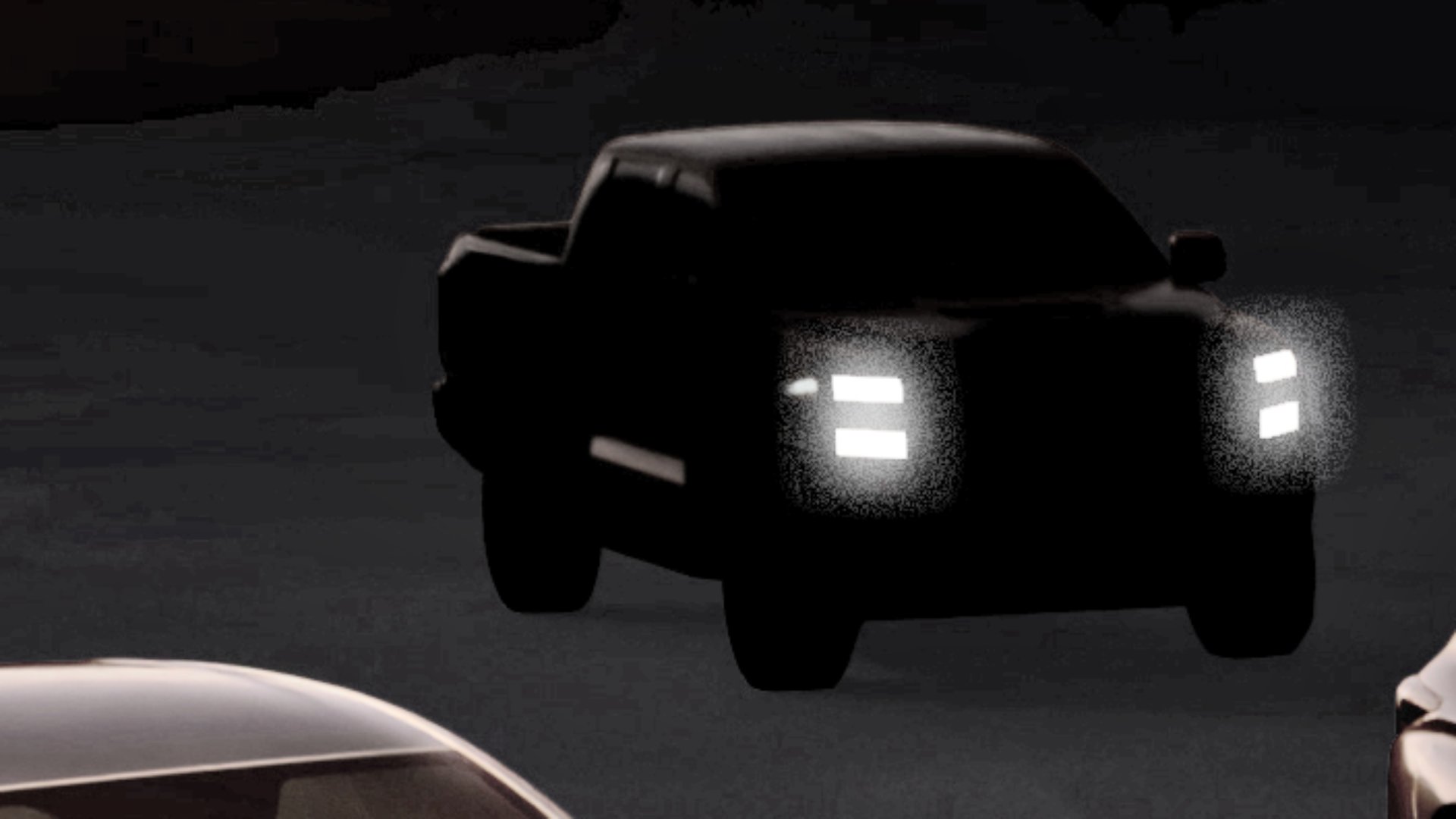
The official announcement from the company noted that the pickup is intended to "further expand the brand’s reach and relevance," implying that the company recognizes its current limitations in attracting younger, outdoor-oriented buyers who prioritize utility.
Strategic Implications for the Market
The re-entry of Mitsubishi into the truck segment has several profound implications for the industry:
1. Competitive Pressure on Midsize Trucks
The introduction of a new competitor in the midsize space puts pressure on manufacturers to innovate. If Mitsubishi can price the truck aggressively—potentially lower than the Frontier—it could disrupt the entry-level segment, forcing other OEMs to re-evaluate their mid-tier pricing strategies.
2. The Power of Alliances
This truck is a testament to the power of global automotive alliances. In an era of record-high development costs and the rapid transition to electrification, individual brands are finding it increasingly difficult to survive in isolation. Mitsubishi’s reliance on Nissan’s engineering is a blueprint for how legacy manufacturers can remain competitive without hemorrhaging capital.
3. Strengthening the Dealer Network
One of the most critical aspects of the "Momentum 2030" plan is the support of dealer partners. Dealers have long asked for a more diverse product portfolio. A truck provides a significant revenue stream for dealers through both vehicle sales and the lucrative aftermarket customization market—lift kits, bed covers, and off-road lighting.
4. The "Montero" Factor
While the pickup is the headline, the simultaneous development of the Montero (Pajero) indicates that Mitsubishi is looking to reclaim its reputation as a manufacturer of "go-anywhere" vehicles. Should the U.S. eventually receive a version of the Montero, it would complete a rugged lineup that could serve as a powerful alternative to the current glut of soft-roaders and pavement-only SUVs.
Looking Ahead: The Road to 2030
As we look toward the remainder of the decade, the automotive landscape will be defined by how well brands balance their heritage with the demands of the future. Mitsubishi is walking a tightrope: it must lean into its rugged, rally-bred past to excite enthusiasts, while simultaneously embracing the efficiency of modern platform-sharing to satisfy shareholders.
The inclusion of a Leaf-based Eclipse EV alongside a traditional internal combustion pickup illustrates this duality. The company is not betting on a single technology but rather on a balanced portfolio that caters to different segments of the American consumer base.
For the enthusiast community, the question remains: will this truck have the "soul" of a Mitsubishi, or will it be a rebadged Nissan with different sheet metal? If the company can tune the suspension, steering, and interior design to reflect the unique, adventurous spirit of the Mitsubishi brand, they may just find themselves with a hit on their hands.
The coming months will undoubtedly bring more teasers, spy shots, and technical leaks. As the September 2nd reveal of the Montero approaches, the industry will be watching closely to see if Mitsubishi can recapture the magic of its glory days. One thing is certain: the American pickup truck market is about to get a lot more interesting.
Stay tuned to our coverage as we continue to track the development of the "Momentum 2030" lineup. Have a lead or a perspective on the new Mitsubishi truck? Reach out to our editorial desk.
