





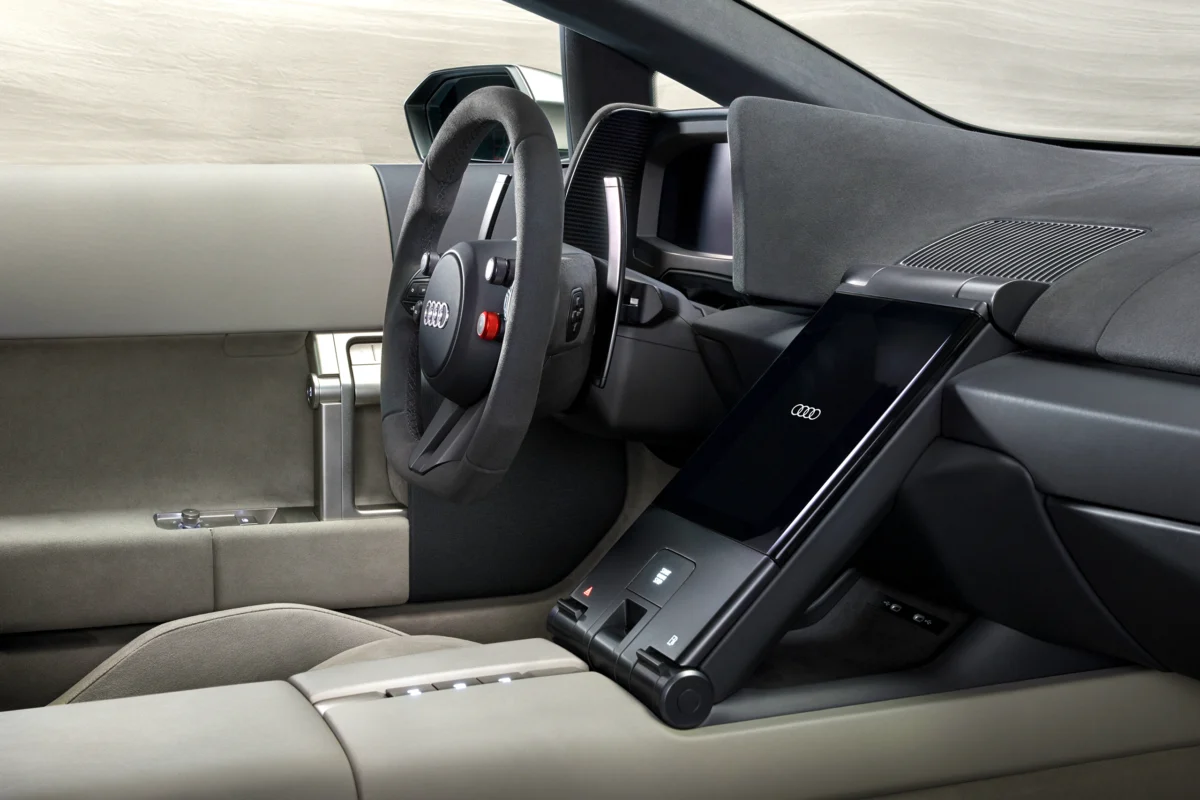
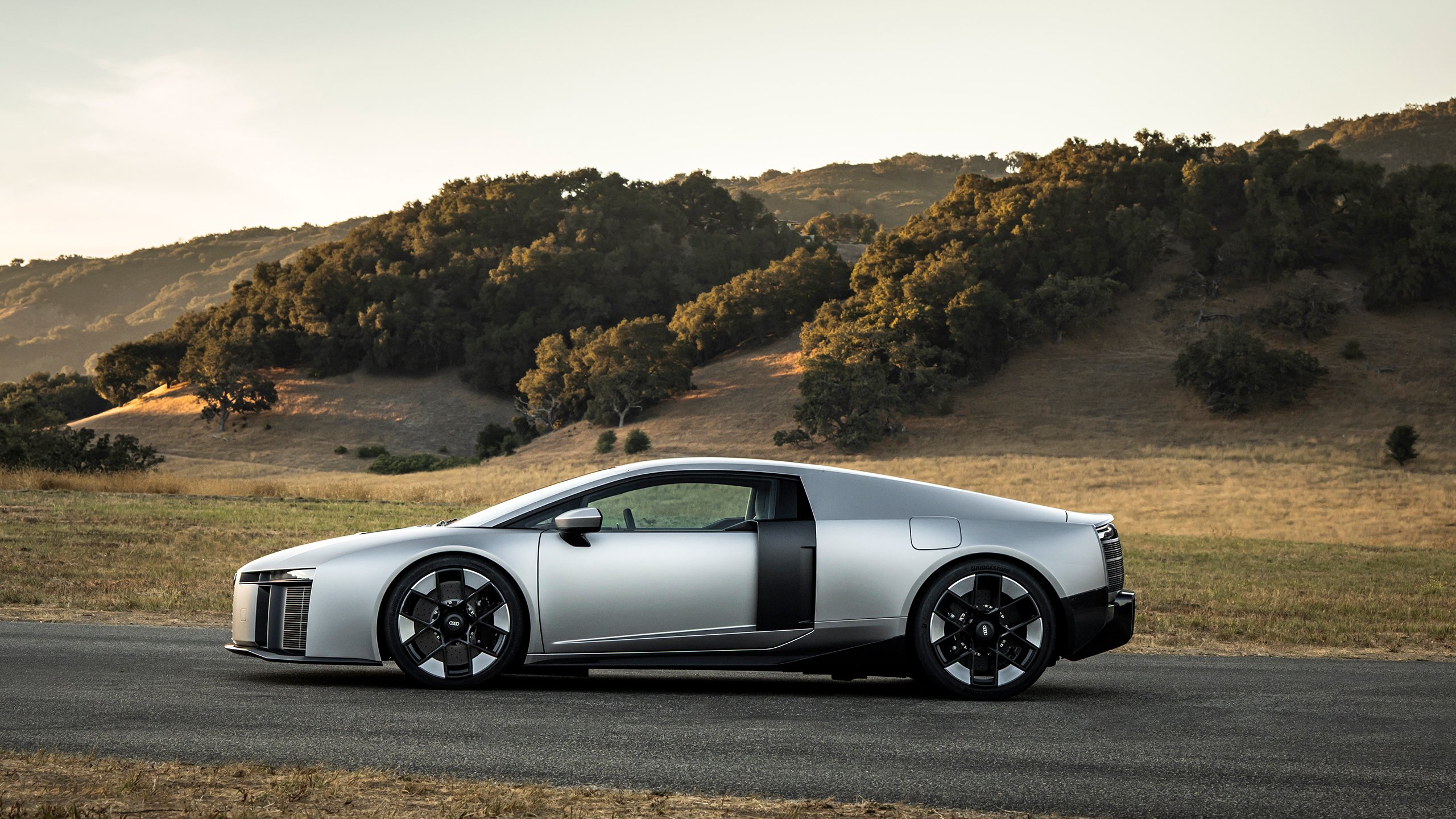
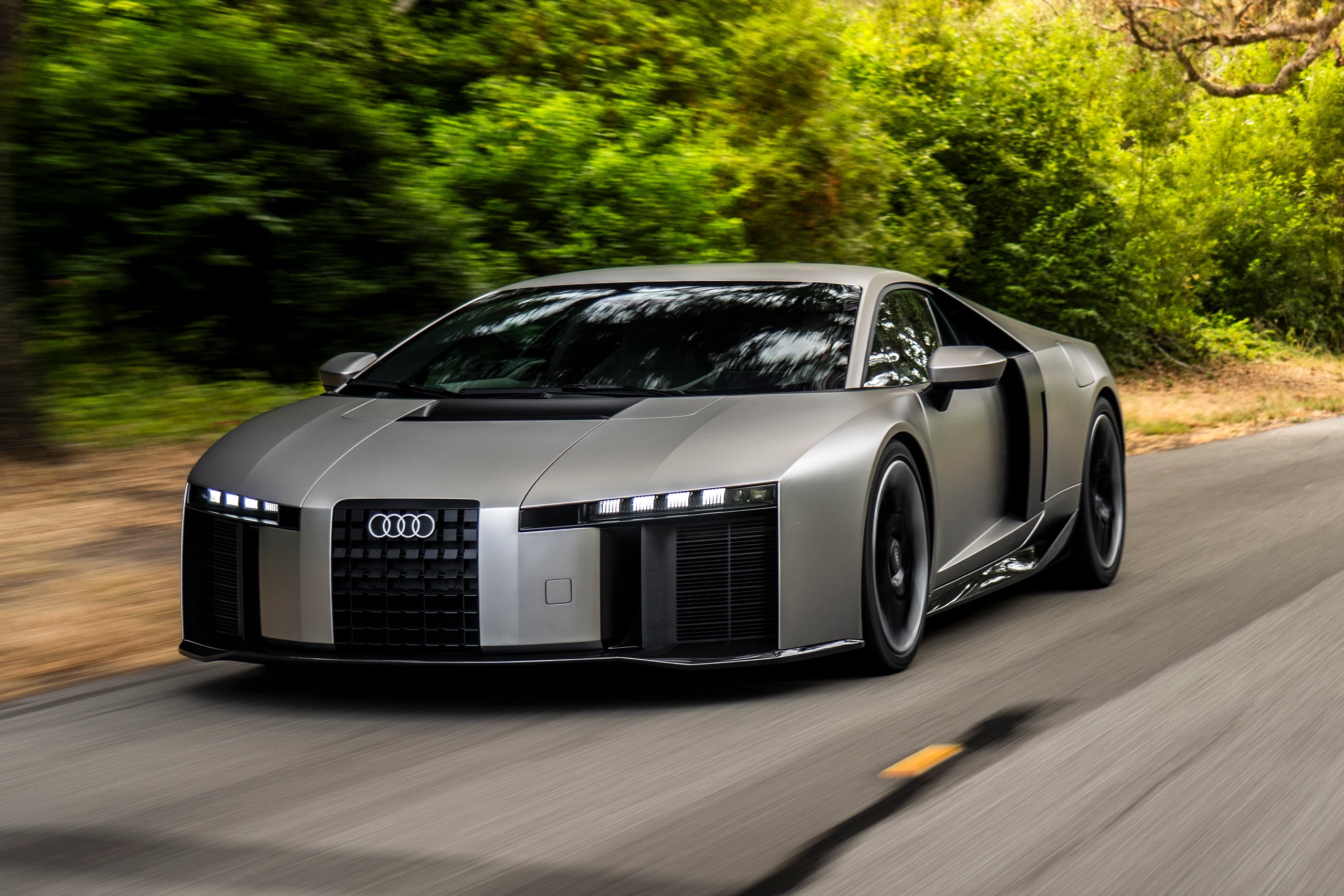
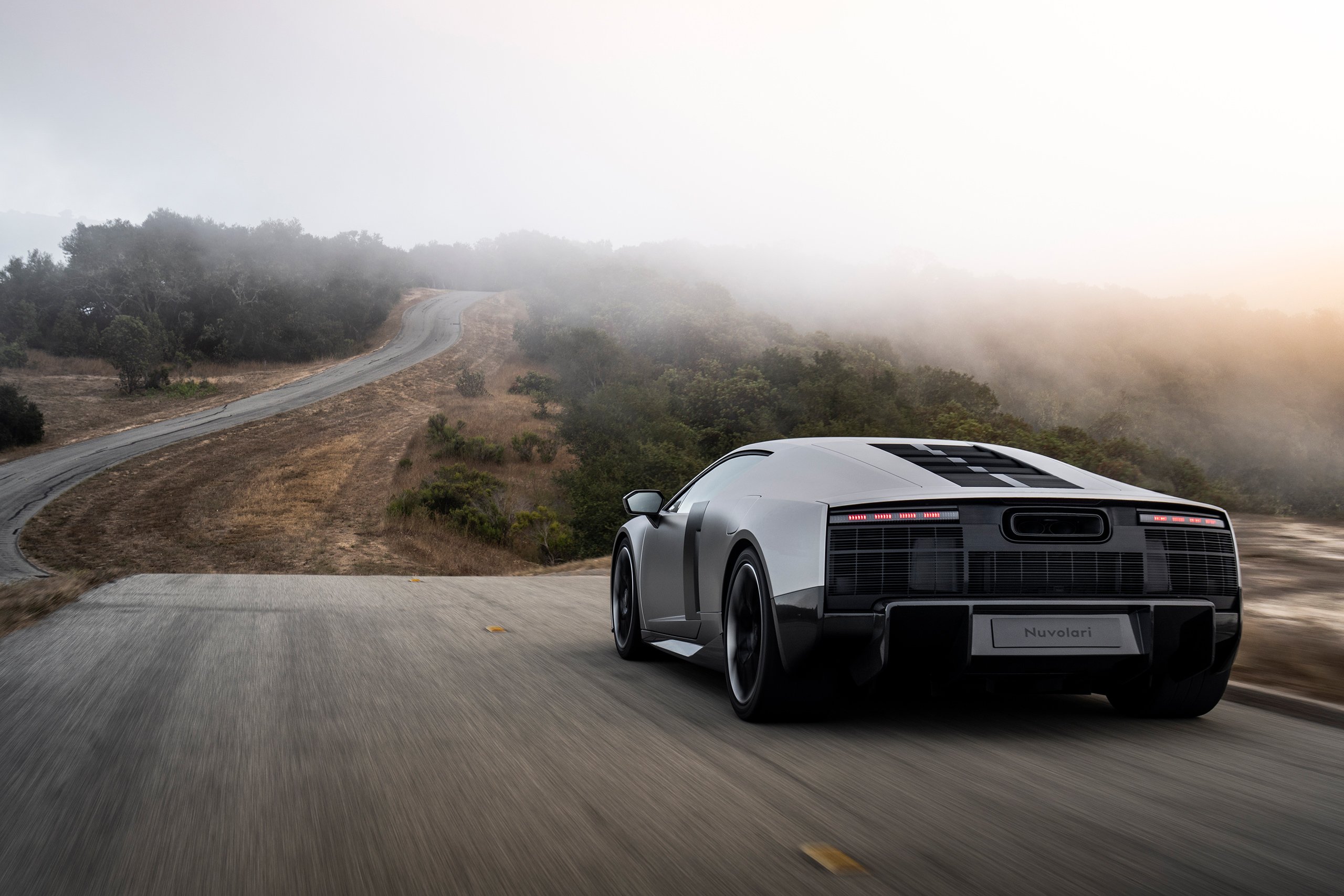
The arrival of the Audi Nuvolari has sent shockwaves through the automotive industry, not just for its earth-shattering 1,000-horsepower V8 hybrid powertrain, but for its uncompromising, almost brutalist approach to interior design. While the exterior screams future-classic, the cabin is a study in minimalism. Yet, in a space where every square millimeter feels intentionally curated under the guidance of Audi’s Chief Creative Officer, Massimo Frascella, there exists a design choice that defies conventional logic: the oversized, conspicuously placed fuel-filler cap and hazard light switches.
For the keen-eyed enthusiast, these controls are more than mere utility; they are a mystery of placement that challenges the established norms of supercar ergonomics. As we peel back the layers of the Nuvolari’s development, we find a story of shared corporate DNA, rapid-fire engineering, and the subtle, often unspoken tensions between form and function.
The Bauhaus Ethos vs. The Anomalous Switchgear
The Nuvolari is a departure from the "tech-heavy" aesthetic that dominated Audi’s last decade. It embraces a Bauhaus-inspired philosophy where form follows function, creating a spartan, driver-focused environment that makes the outgoing R8 feel almost cluttered by comparison. However, in this sparse landscape, the center console features two chunky, prominent knobs dedicated to the hazard lights and the fuel-filler release.
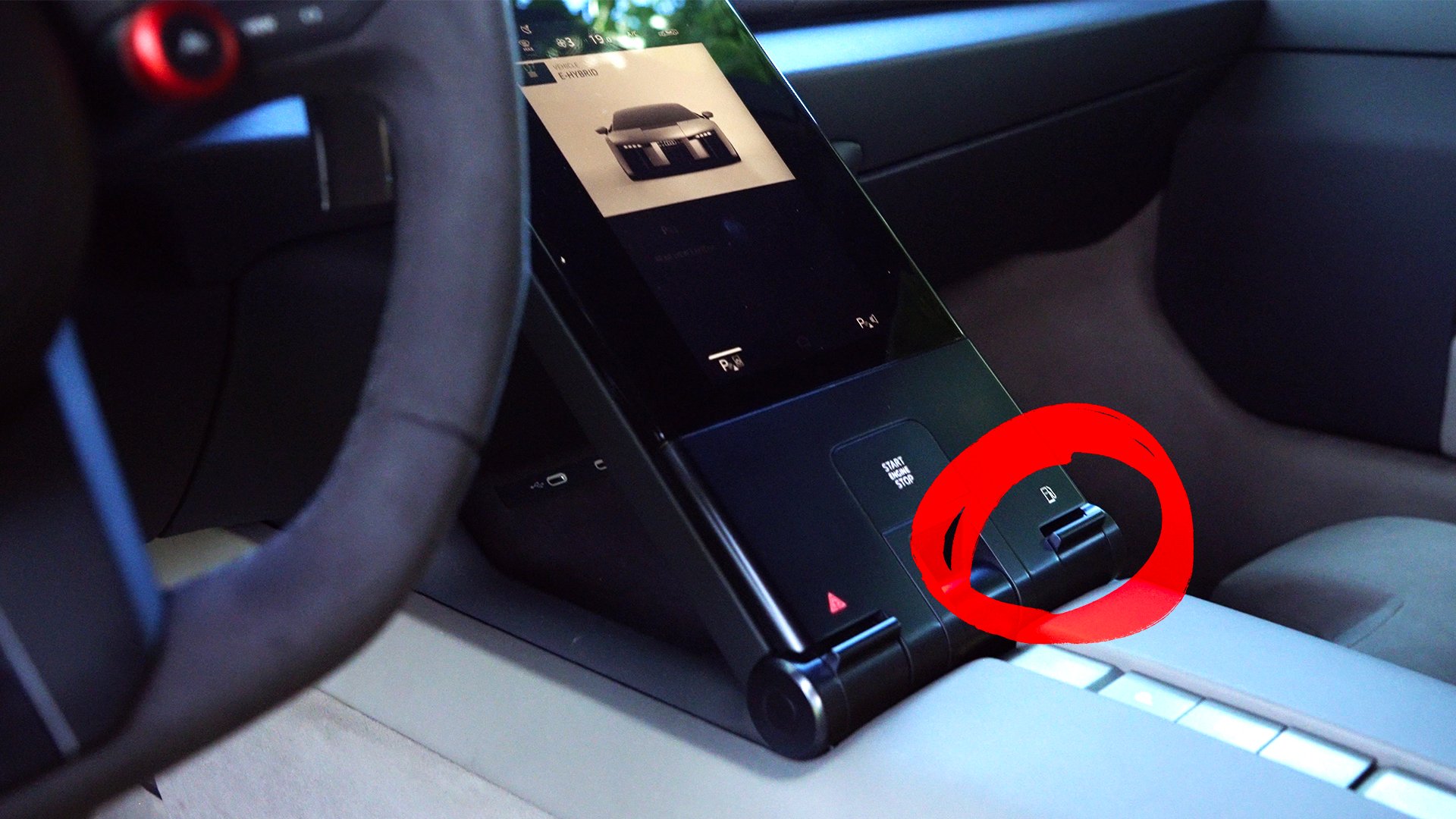
In most high-end sports cars, these functions are either buried in a sub-menu of the infotainment system or tucked discreetly into the lower reaches of the dashboard to keep the cabin visual "noise" to a minimum. Placing them front and center—with a tactile, physical presence—is a deliberate choice. It forces the driver and passenger to acknowledge these switches every time they glance at the center stack.
A Chronology of the "Button Mystery"
The discovery of this design quirk occurred during the frantic, high-energy environment of Monterey Car Week. The Drive Editor-in-Chief Kyle Cheromcha, granted an intimate look at the vehicle, quickly identified that the placement of these controls was not merely accidental, but potentially indicative of a deeper engineering constraint.
The chronology of this realization is simple:
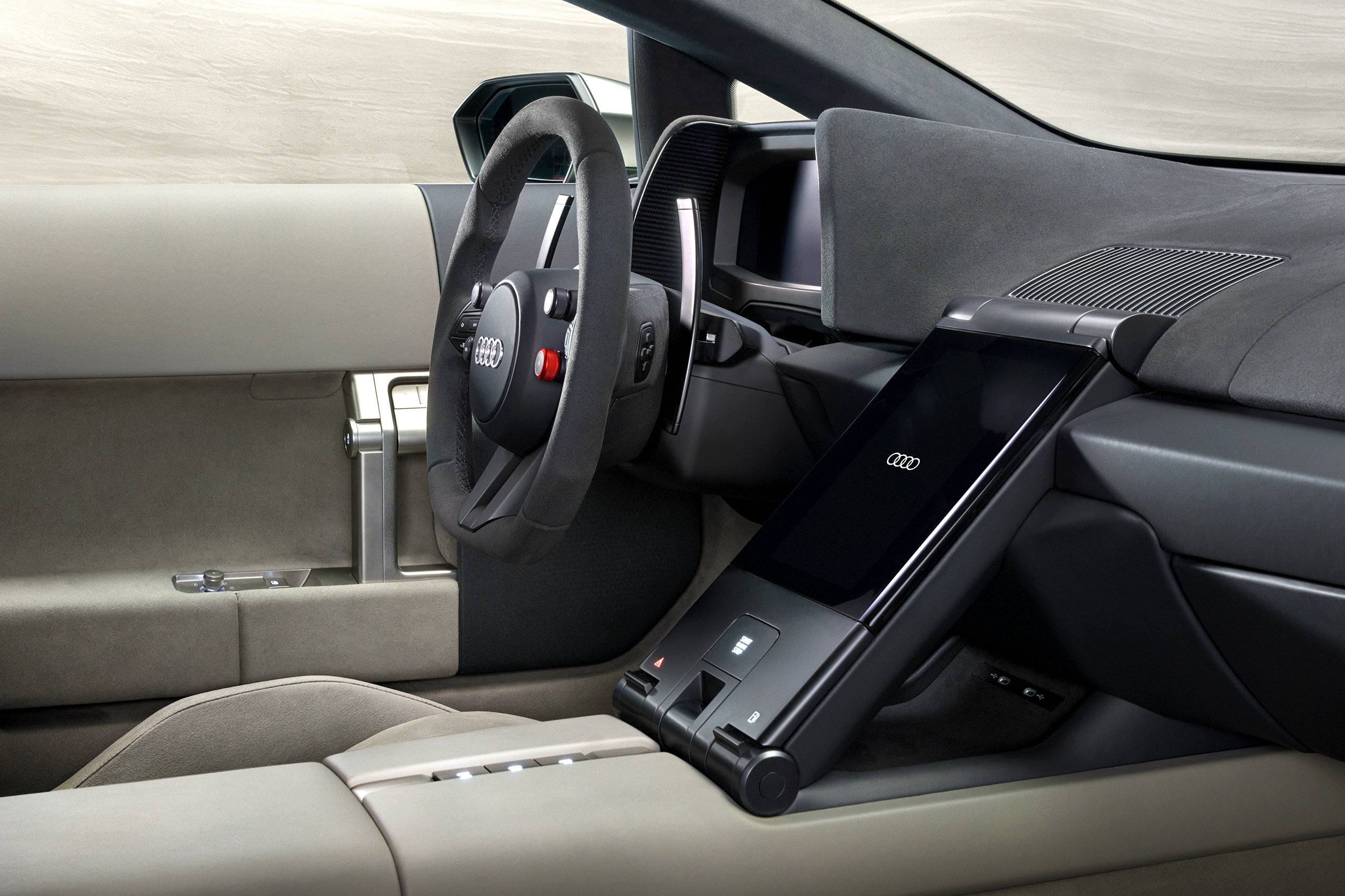
- Initial Observation: The sheer size and prominence of the knobs compared to the rest of the clean, digital-forward console.
- Comparative Analysis: Noticing that these controls occupy the most "valuable" real estate in the cabin, rivaling the start/stop button in terms of physical reach.
- The Inquiry: Questioning the design team on the "why" behind the placement.
- The Reveal: The realization that the Nuvolari shares a structural and electrical foundation with the Lamborghini Temerario, creating a shared hardware architecture that likely dictated the placement of these specific, hard-wired components.
Decoding the Shared DNA: The Audi-Lamborghini Connection
The most compelling theory regarding these switches involves the Nuvolari’s underlying architecture. Much like the historic relationship between the Audi R8 and the Lamborghini Gallardo (and later, the Huracán), the Nuvolari shares significant internal hardware with the new Lamborghini Temerario.
When engineers design a vehicle platform, the location of "hard points"—the physical connection points for wiring harnesses and mechanical release cables—is finalized long before the cabin’s aesthetic styling is fully realized. If the internal electronics architecture (the "brain" of the chassis) was developed in tandem with the Temerario, it is highly probable that the location for the fuel-filler release and hazard toggles was dictated by the central electrical distribution unit’s location.
By comparing the cabin of the Nuvolari to the Temerario, we see a striking similarity in the logic of the layout. While Lamborghini opted for smaller, more discreet switches, the physical location remains nearly identical relative to the transmission tunnel. Audi’s designers, operating under a condensed development timeline, appear to have been forced to work around these fixed internal connection points, resulting in the prominent placement of the controls.
Official Responses and the "Design Boss" Perspective
When confronted with the question, Massimo Frascella offered an answer that was as diplomatic as it was revealing. After a telling pause and a knowing glance toward the Audi public relations team, Frascella admitted that the placement was "logical and timed in the development of the interior."
This phrasing is key. "Timed in the development" suggests that at a specific point in the project’s lifecycle, the decision was locked in, and shifting it would have required a significant—and perhaps prohibitively expensive—re-engineering of the internal wiring harness. When pressed further, Frascella noted that there was "no particular reason" for the specific location beyond that logistical necessity, adding with a chuckle, "It’s not something that I particularly go to and it’s interesting that you actually pointed it out."
His response confirms that the placement is an artifact of the design process rather than a philosophical statement on ergonomics. It is a rare glimpse into the "sausage-making" of high-end automotive manufacturing, where even the most prestigious brands are subject to the constraints of platform sharing.
Implications for Future Product Design
The case of the Nuvolari’s buttons serves as a case study in the modern automotive reality: modularity. As manufacturers move toward shared architectures to offset the massive costs of R&D for high-performance hybrid powertrains, interior design flexibility often becomes the first casualty of efficiency.
For the consumer, this has several implications:
- Brand Identity vs. Platform Sharing: Audi is currently working to redefine its design language under Frascella’s leadership. The Nuvolari is intended to be the flagship of this new identity. However, when that identity is forced to "clash" with pre-existing electrical architectures, the resulting anomalies can confuse the brand message.
- The Death of the "Custom" Cabin: As we move toward more unified vehicle platforms, we should expect to see more of these "shared quirks." While it makes for a more efficient production cycle, it necessitates creative workarounds from design teams to hide or justify these inherited features.
- The Value of Physical Inputs: Despite the strange placement, the fact that Audi kept these as physical knobs rather than burying them in a screen is, in itself, a win for ergonomics. In an era of "all-touch" interfaces, having a dedicated physical switch—even if it is in an odd spot—is a feature many enthusiasts will actually appreciate.
Conclusion: A Quirky Masterpiece
The Audi Nuvolari remains an engineering marvel. It is a bold, aggressive, and visually stunning machine that successfully pushes the brand into a new, more confident era. If the worst thing we can say about a 1,000-hp, V8-powered supercar is that its fuel-door button is in a weird spot, then Audi has clearly succeeded in creating something truly special.
The "button mystery" provides us with a fascinating look behind the curtain. It reminds us that cars are not just sculpted from clay and code; they are built from thousands of compromises, legacy components, and the sheer logistical pressure of bringing a world-class vehicle to market. While Frascella and his team may have preferred a different location, the current setup stands as a testament to the realities of modern engineering.
Next time you find yourself in the cockpit of a Nuvolari—should you be so lucky—don’t just look at the performance specs or the sweeping lines of the exterior. Take a moment to look at those two chunky knobs on the center console. They aren’t just switches; they are a piece of the story, a small, tangible reminder of the complex, collaborative, and occasionally chaotic process of building the future of the automobile.
Do you have a theory on why certain controls end up where they do, or have you spotted a design quirk in a high-performance vehicle that defies explanation? Send your thoughts and observations to [email protected].
