


Introduction: The Gateway to a New Era
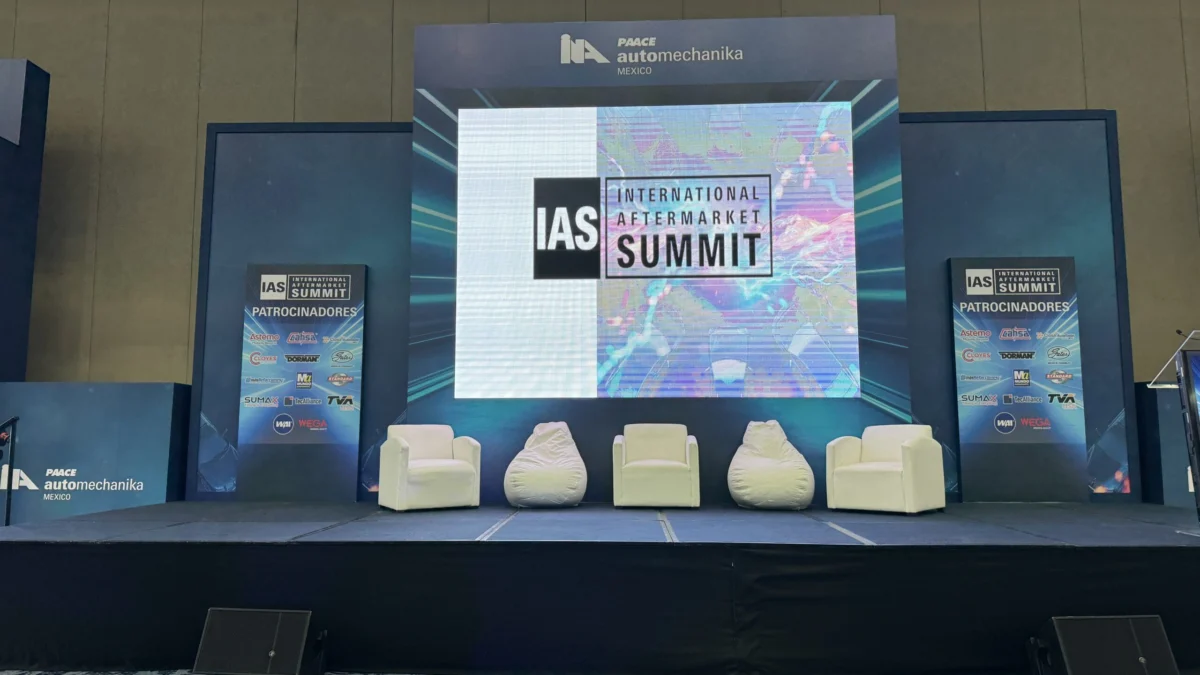
From July 7–8, Mexico City transformed into the epicenter of the global automotive sector as it hosted the International Aftermarket Summit (IAS). Held in the lead-up to the prestigious INA PAACE Automechanika Mexico, the summit served as a high-level convergence of executives, industry associations, and supply chain leaders from across the Americas. The central thesis of the event was clear: Mexico is no longer merely a manufacturing hub; it has solidified its position as the critical gateway to the Latin American automotive aftermarket. As global trade dynamics shift and technology disrupts traditional service models, Mexico stands at the crossroads of North American integration, Chinese market penetration, and a burgeoning digital economy.
The Core Narrative: Why Mexico Matters Now
The International Aftermarket Summit provided a platform to dissect the tectonic shifts currently reshaping the automotive industry. With the North American automotive sector undergoing a period of intense re-evaluation, Mexico’s role has expanded from a low-cost production center to a sophisticated, strategic bridge between the industrialized North and the high-growth markets of the South.
Key themes identified at the summit included the strategic importance of regional supply chain resilience, the integration of vehicle data into service ecosystems, and the urgent necessity of adapting to the rapid influx of Chinese automotive brands. For stakeholders, the message was uniform: those who fail to align their logistics and product coverage with the specific realities of the Mexican market risk losing their foothold in the broader Latin American landscape.
Chronology of the Summit: A Two-Day Deep Dive
The summit was structured to provide both strategic overviews and granular market intelligence.
Day 1: The Macroeconomic Landscape and Trade Policy
The opening day focused heavily on the geopolitical environment. A significant portion of the discourse centered on the Canada-United States-Mexico Agreement (USMCA). With a critical review of the trade pact looming, speakers examined how nearshoring initiatives—the practice of moving production closer to end-consumer markets—are fundamentally altering long-term capital expenditure plans. Industry leaders debated the risks and rewards of trade policy volatility, emphasizing that the "Mexico-plus-one" strategy is becoming a standard operating procedure for major suppliers looking to hedge against global supply chain disruptions.
Day 2: Market Intelligence and Operational Realities
The second day shifted focus toward the "boots on the ground" reality of the aftermarket. Sessions were dedicated to data-driven decision-making, with experts illustrating how the significant overlap between North American and Mexican vehicle applications allows for a unique competitive advantage. By leveraging existing product coverage from U.S. and Canadian catalogs, suppliers can enter the Mexican market with significantly reduced lead times and lower development costs. The day concluded with a transition toward the INA PAACE Automechanika exhibition, where theory met practice on the show floor.
Supporting Data: The Metrics of an Aging and Evolving Fleet
To understand the aftermarket opportunity, one must look at the data—and the data in Latin America presents a compelling narrative for growth.
The Aging Vehicle Parc
While the United States and Canada boast vehicle fleets with average ages of approximately 12 and 10 years respectively, the Latin American reality is starkly different. The average vehicle age in the region hovers around 17 years. This disparity is a primary driver for the aftermarket sector; older vehicles require more frequent maintenance, consistent part replacements, and more specialized diagnostic labor. This "long-tail" demand for legacy parts provides a stable revenue stream for manufacturers that are agile enough to support older vehicle platforms.
The Motorcycle Surge
One of the most notable findings at the IAS was the rapid maturation of the motorcycle segment. Historically viewed as a niche market, motorcycles are now a critical component of the regional economy, fueled largely by the explosion of last-mile delivery services and the digital gig economy. Speakers at the summit pointed out that the motorcycle aftermarket remains significantly underserved. Compared to the mature automotive aftermarket, the lack of standardized, high-quality replacement parts for two-wheeled vehicles presents a "blue ocean" opportunity for early entrants.
Official Responses and Strategic Implications
The "Chinese Brand" Challenge
Perhaps the most discussed phenomenon at the summit was the meteoric rise of Chinese automotive brands within Mexico. As these manufacturers capture a growing share of the new vehicle market, the aftermarket industry faces an immediate challenge: "The coverage gap."
Industry leaders expressed an urgent need for aftermarket players to adapt their inventory and service capabilities to these new platforms. "We are seeing a paradigm shift," noted one panelist. "If we cannot provide the parts and the technical data for these new Chinese vehicles at the same speed as we do for traditional legacy brands, we are effectively ceding that market share to whoever fills the void first."
The Digital Transformation
Digitalization was the thread that wove through every session of the summit. The industry is moving away from physical catalogs toward dynamic, data-rich ecosystems.
- Vehicle Data: The ability to pull and analyze data from connected vehicles is no longer a luxury; it is a necessity for predictive maintenance.
- E-commerce: The digital storefront is now the primary point of entry for the modern consumer, and aftermarket suppliers are being forced to integrate their inventory systems with robust e-commerce platforms.
- Artificial Intelligence: AI-driven supply chain management was highlighted as a tool for improving "fill rates" and identifying emerging product trends before they become mainstream.
Implications: A Future-Proofing Strategy
The conclusions drawn at the International Aftermarket Summit suggest that the aftermarket industry is at an inflection point. The implications for suppliers, distributors, and service providers are profound:
- Investment in Localization: The "one-size-fits-all" approach to the Americas is dead. Companies must localize their offerings to reflect the unique mix of older vehicles and new, Chinese-sourced models in the Mexican fleet.
- Data as Currency: The future of the aftermarket lies in the hands of those who control the data. Whether it is through digital cataloging or real-time telematics, the ability to provide accurate information to the technician or the consumer is the ultimate differentiator.
- Diversification of Portfolios: With the rise of last-mile delivery, the motorcycle segment is too large to ignore. Firms that successfully diversify their portfolio to include two-wheeled vehicle components will likely see higher growth margins than those that remain anchored in traditional passenger vehicle segments.
- Regulatory Preparedness: As the USMCA review approaches, firms must remain agile. Those that have built flexible, resilient, and near-shored supply chains will be better positioned to weather potential trade shocks.
Conclusion: The Road Ahead
As the curtain closed on the International Aftermarket Summit and the halls of INA PAACE Automechanika Mexico opened, the takeaway for the industry was clear: Mexico is not just a participant in the automotive aftermarket—it is a trendsetter.
The convergence of an aging vehicle fleet, the rapid adoption of digital tools, and the shifting dynamics of global trade has created a unique environment. Success in this market will not be defined by past performance, but by the ability to pivot. As the industry looks toward the next decade, the players who will thrive are those who embrace the complexity of the Mexican market, leverage the power of data, and remain responsive to the needs of a rapidly changing consumer base. The summit has effectively laid the groundwork for a new, more integrated, and technologically advanced era for the Latin American aftermarket. The message to the global automotive community is unmistakable: The gateway is open, and the opportunity is waiting for those ready to innovate.
