





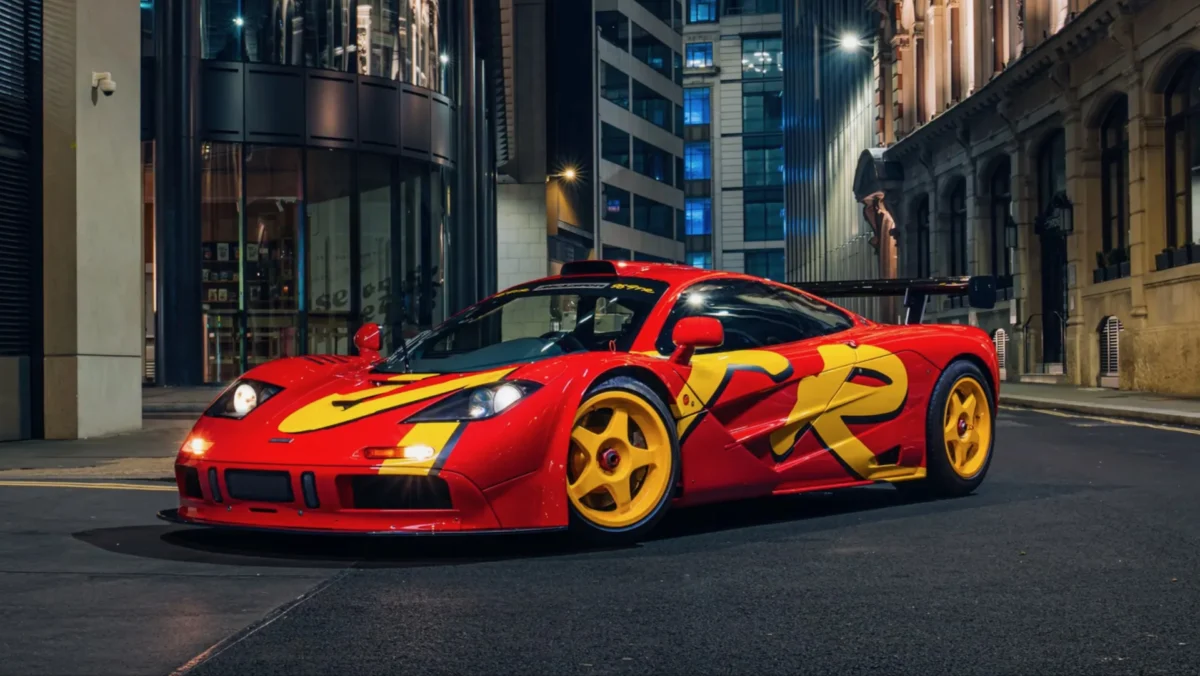
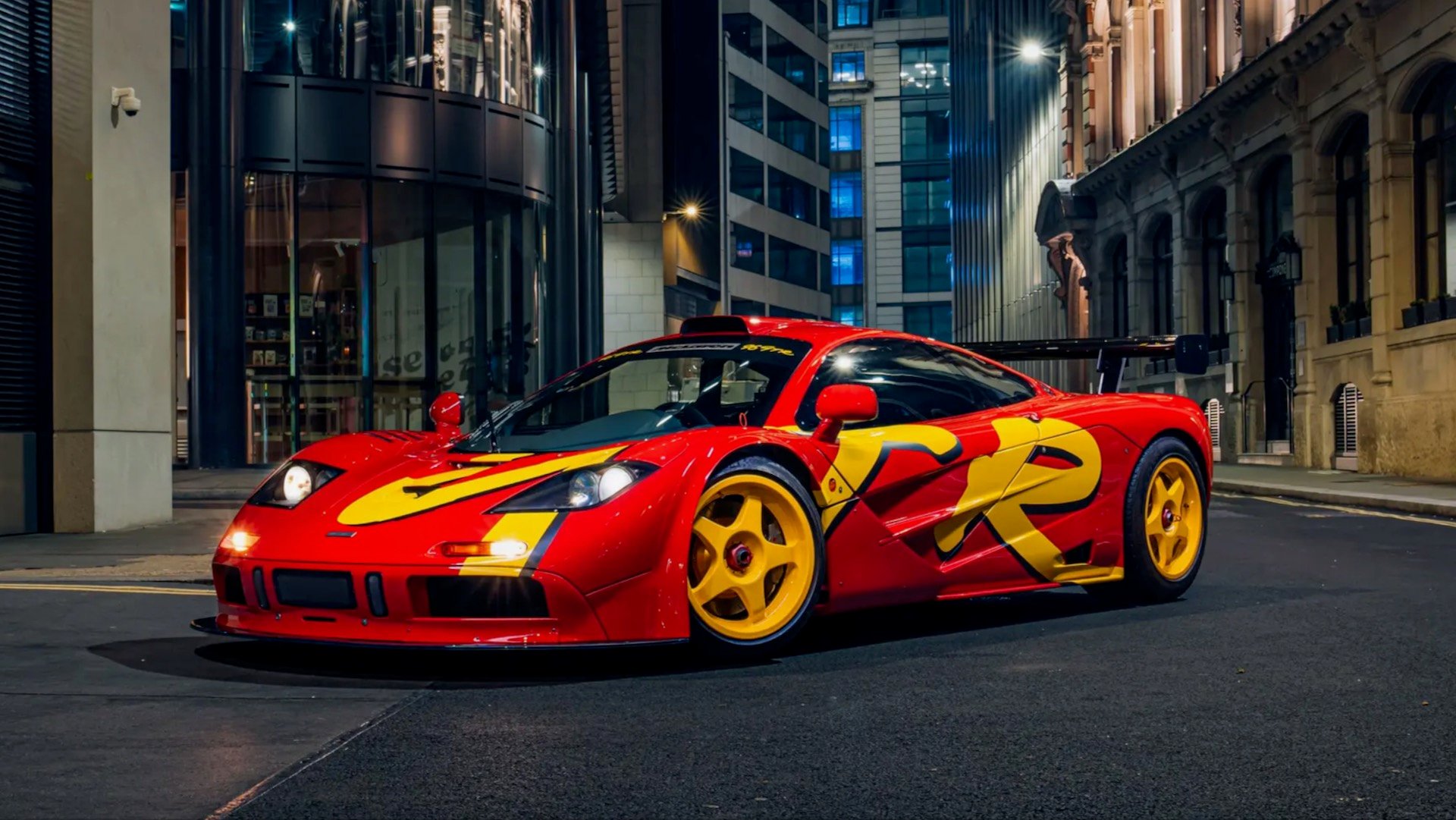
In the rarefied atmosphere of the automotive collector market, few names carry the gravitational pull of the McLaren F1. Conceived by technical visionary Gordon Murray and born from the uncompromising pursuit of road-going perfection, the F1 remains the definitive supercar of the 20th century. However, among the small fraternity of F1 chassis, some hold a higher status than others. This August, during the 2026 Monterey Car Week, RM Sotheby’s will present a vehicle that transcends even the most ambitious benchmarks of the F1 lineage: the 1996 McLaren F1 GTR, famously known as the “Pop Art” car.
With a projected valuation exceeding $35 million, this machine is not merely a car; it is a cultural artifact of the 1990s, a testament to the brief but glorious era when road-derived supercars dominated the world’s most grueling endurance circuits.
The Genesis of a Legend: From Road to Track
To understand the significance of chassis 10R, one must understand the philosophical friction that birthed the GTR. Gordon Murray, the brilliant mind behind the Brabham F1 cars, originally envisioned the McLaren F1 as the ultimate "Grand Touring" machine—a light, driver-focused road car that sacrificed nothing in terms of engineering purity. He famously despised the idea of turning the F1 into a race car, fearing it would compromise the delicacy of his masterpiece.
The market, however, had other ideas. Following a groundswell of demand from privateer racers, McLaren relented. The GTR was born, stripping away the creature comforts of the road car—the air conditioning, the soundproofing, and the luxurious leather—and replacing them with the raw, mechanical intensity required to survive the 24 Hours of Le Mans.
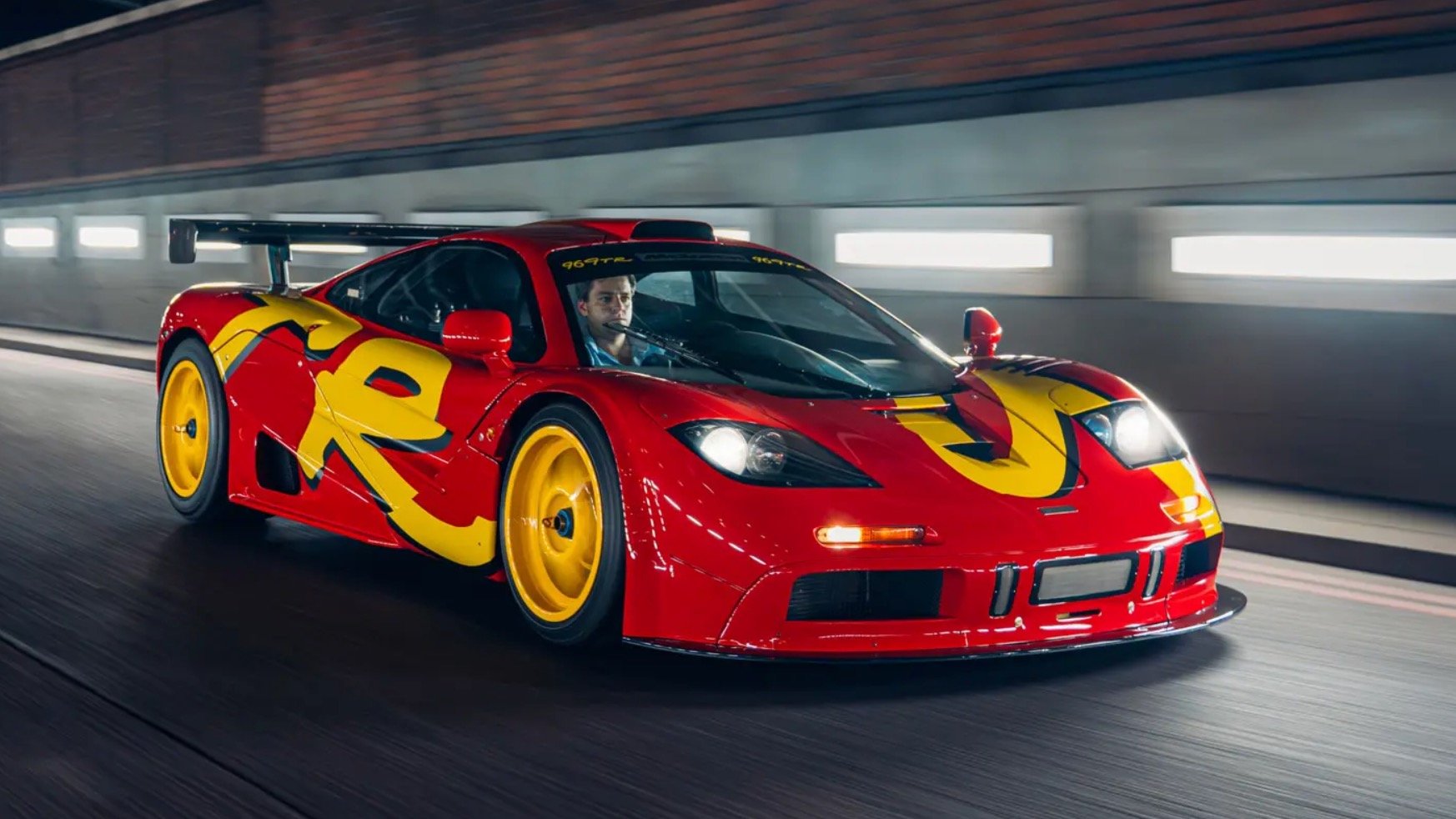
Remarkably, the GTR was so fundamentally superior to its rivals that it secured a stunning victory at Le Mans in 1995, its debut year. This achievement remains one of the most improbable underdog stories in motorsport history, as the car was never designed to endure the rigors of professional endurance racing.
The 1996 Evolution: Refining the Predator
By 1996, the competitive landscape had shifted. With rivals like Mercedes-Benz and Porsche beginning to develop purpose-built GT1 machinery that prioritized downforce and aerodynamic efficiency over traditional GT car architecture, McLaren had to respond.
The 1996-spec GTR, of which only nine were ever constructed, featured significant mechanical revisions. The most notable changes included:
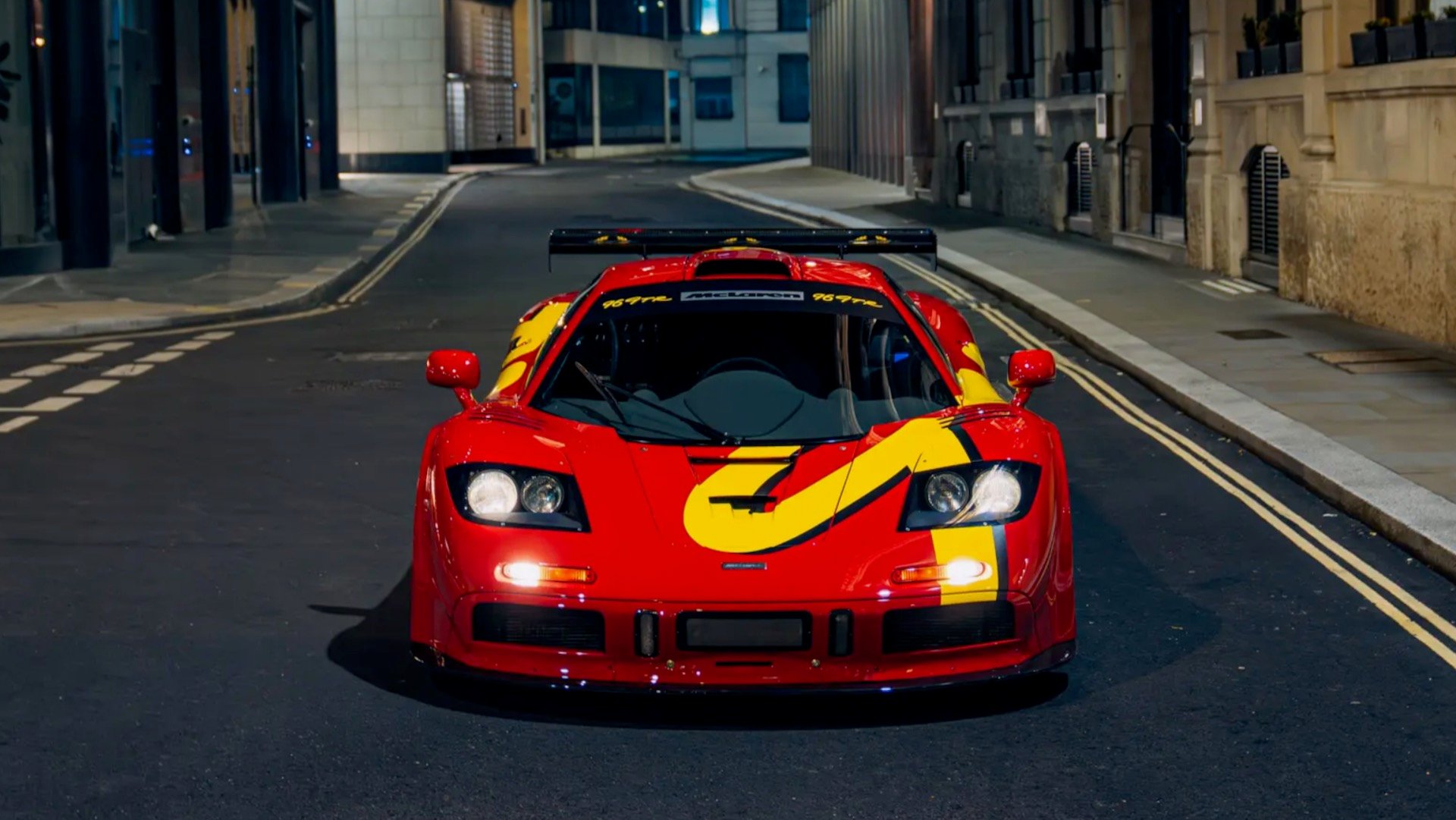
- Aerodynamic Overhaul: A more aggressive front splitter and revised bodywork to enhance high-speed stability.
- Weight Reduction: Continued efforts to strip unnecessary mass, further sharpening the F1’s already surgical handling.
- Transmission Durability: A reinforced gearbox designed to address the reliability concerns that plagued the 1995 season.
These modifications represented the pinnacle of the F1 GTR before the advent of the radical "Longtail" variants in 1997. Within this exclusive cohort, chassis 10R stands as the vanguard.
Chronology of a Thoroughbred: The Story of Chassis 10R
The history of 10R is as colorful as its iconic exterior. As the very first of the 1996-specification GTRs, it occupied a unique role within the factory.
1996: The Factory Testbed
Initially, 10R was retained by McLaren for testing and promotional purposes. It famously traveled to the Circuit de la Sarthe for the 1996 24 Hours of Le Mans, though it served as a test and development vehicle rather than a race entrant. During this period, it wore a "Blood Red" paint scheme with graphite wheels—a look that exuded industrial menace.
The Rise of the “Pop Art” Livery
It was after its factory tenure that 10R received the distinctive, vibrant livery that defines its current legacy. This graphical treatment, a collage of bold, high-contrast shapes and colors, captures the exuberant energy of 1990s design. It transformed a brutal, high-strung race car into a rolling piece of contemporary art, ensuring that even among a sea of high-performance machinery, 10R was the center of attention.
Ownership by Nick Mason
The car’s provenance was further cemented when it was acquired by Pink Floyd drummer and legendary car collector Nick Mason. A true petrolhead, Mason did not treat the GTR as a museum piece. He campaigned it, drove it, and ensured it remained a living, breathing mechanical entity.
Maintenance and Stewardship: The Lanzante Connection
For a car of this complexity and value, stewardship is everything. Throughout its life, chassis 10R has been under the meticulous care of Lanzante, the firm synonymous with the maintenance and preservation of McLaren F1s.
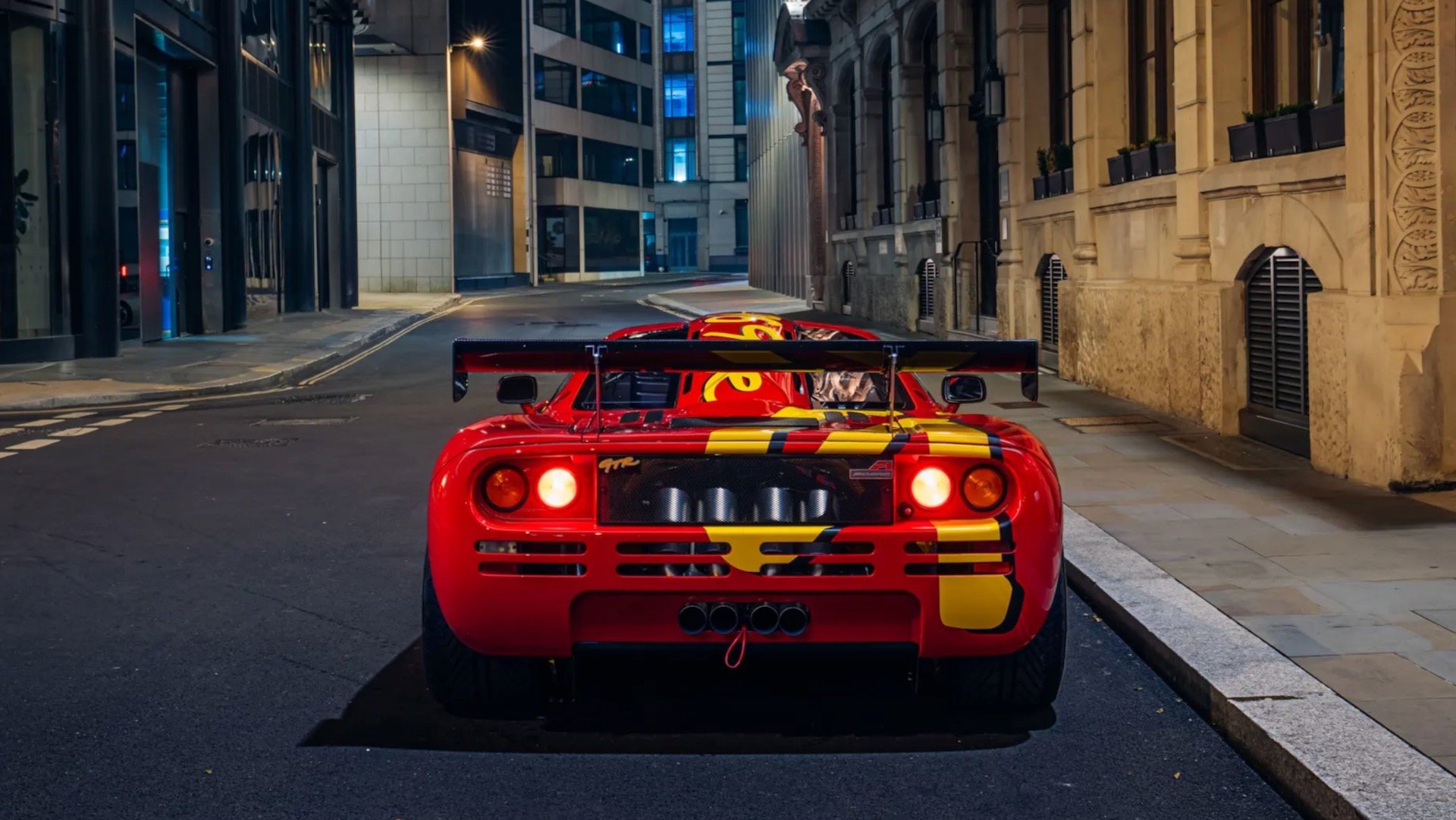
The relationship between 10R and Lanzante has been essential to its survival. The car has faced the perils of the track, including a significant incident involving a journalist in 2009 and a later "off" by Mason himself in 2017. In both instances, the car was returned to factory-perfect condition by the experts at Lanzante. Their deep knowledge of the F1’s unique carbon-fiber chassis and BMW-sourced V12 engine ensures that 10R remains in better-than-factory condition today.
Supporting Data: Why $35 Million?
The auction estimate of $35 million is not arbitrary; it is rooted in a trifecta of collector criteria:
- Extreme Rarity: Only nine 1996-spec GTRs were ever built. The rarity of the chassis itself guarantees a massive floor price for any public sale.
- Historical Significance: As the first of the 1996 specification and a factory development car, 10R occupies a singular position in the McLaren archives.
- Celebrity Provenance: The association with Nick Mason adds a layer of cultural cachet that appeals to collectors who prioritize stories over mere statistics.
When comparing this to recent sales of F1 road cars, which have consistently cleared the $20 million mark, the premium for the GTR race heritage—combined with this specific, one-of-one livery—makes the $35 million valuation both defensible and, to many experts, perhaps even conservative.
Implications for the Collector Market
The impending sale of the "Pop Art" GTR signals a shift in the collector car market. We are entering an era where late-20th-century supercars are replacing classic Ferraris and pre-war grand prix cars as the "blue-chip" assets of the elite.
Furthermore, the willingness of owners to drive these cars—as evidenced by Mason’s history with 10R—highlights a changing philosophy. Collectors are no longer just seeking stagnant investments; they are seeking vehicles that represent the absolute pinnacle of engineering from an era when electronics had yet to fully sanitize the driving experience.
The F1 GTR is a visceral, mechanical, and analog beast. It requires a skilled hand and immense courage to pilot. The buyer of this car will not just be purchasing a winning bid at an auction; they will be acquiring the responsibility of maintaining a piece of history that, if handled correctly, can still outrun almost anything on the road today.
Final Thoughts
As Monterey Car Week approaches, the eyes of the automotive world will turn to the RM Sotheby’s stage. Whether the hammer falls at $35 million or significantly higher, the 1996 McLaren F1 GTR "Pop Art" has already secured its place in the pantheon of the greatest machines ever conceived.
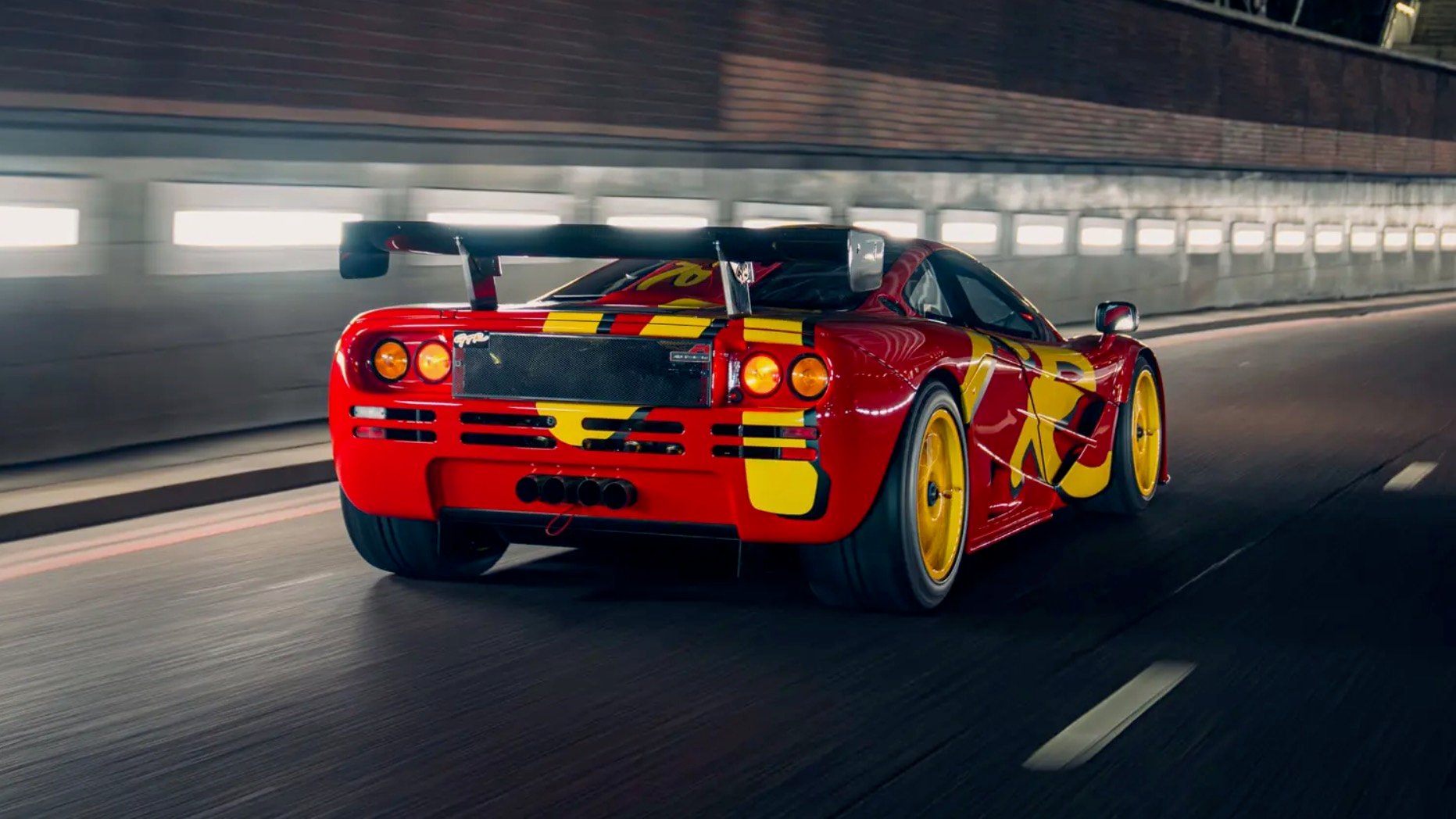
It is a reminder of a time when engineers, not marketing departments, defined the character of a car. It is a reminder that beauty can be found in the most functional of places. And, perhaps most importantly, it is a reminder that some legends are meant to be seen, heard, and—above all—driven.
As we look toward the future of the automotive world, defined by electrification and autonomous technology, cars like the F1 GTR serve as a vital anchor to the mechanical soul of the past. Whoever secures the keys to chassis 10R will not just be a collector; they will be the latest guardian of a legend.
