




Can a utilitarian implement—a machine designed for the grueling, mud-caked reality of modern agriculture—be elevated to the status of high art? While traditionalists might argue that a tractor’s soul resides solely in its torque, its fuel efficiency, and its ability to pull a plow through heavy clay, there is a counter-argument that industrial design is, in itself, a form of sculpture.
Few people understand the intersection of form and function better than Chip Foose, the legendary hot rod designer and custom fabricator who rose to international fame through his visionary work on the television series Overhaulin’. Around 2010, at a time when he was transitioning from the height of his television stardom, Foose took on a project that would test the patience of the agricultural world: the complete restyling of a 1970 John Deere 4020.
Fifteen years later, this machine remains one of the most polarizing objects in the world of heavy machinery. Now safely tucked away in the John Deere Archives in East Moline, Illinois, the "Foose 4020" serves as a permanent, silent reminder of what happens when the sensibilities of Southern California car culture collide with the pragmatism of the American heartland.
The Genesis of the "Big Buck" Build
To understand the magnitude of this project, one must understand the significance of the subject matter. The John Deere 4020, produced between 1964 and 1972, is widely considered one of the greatest tractors ever built. It was a technological leap forward for the company, featuring a Power Shift transmission and the reliability that helped cement the brand’s dominance in the post-war era. For many, it is a sacred relic of agricultural heritage.
The project was birthed during the "Big Buck Sales Event," a promotional tour orchestrated by John Deere to drive excitement and dealership traffic. Partnering with Foose was a masterstroke in marketing, intended to bridge the gap between automotive enthusiasts and the farming community.
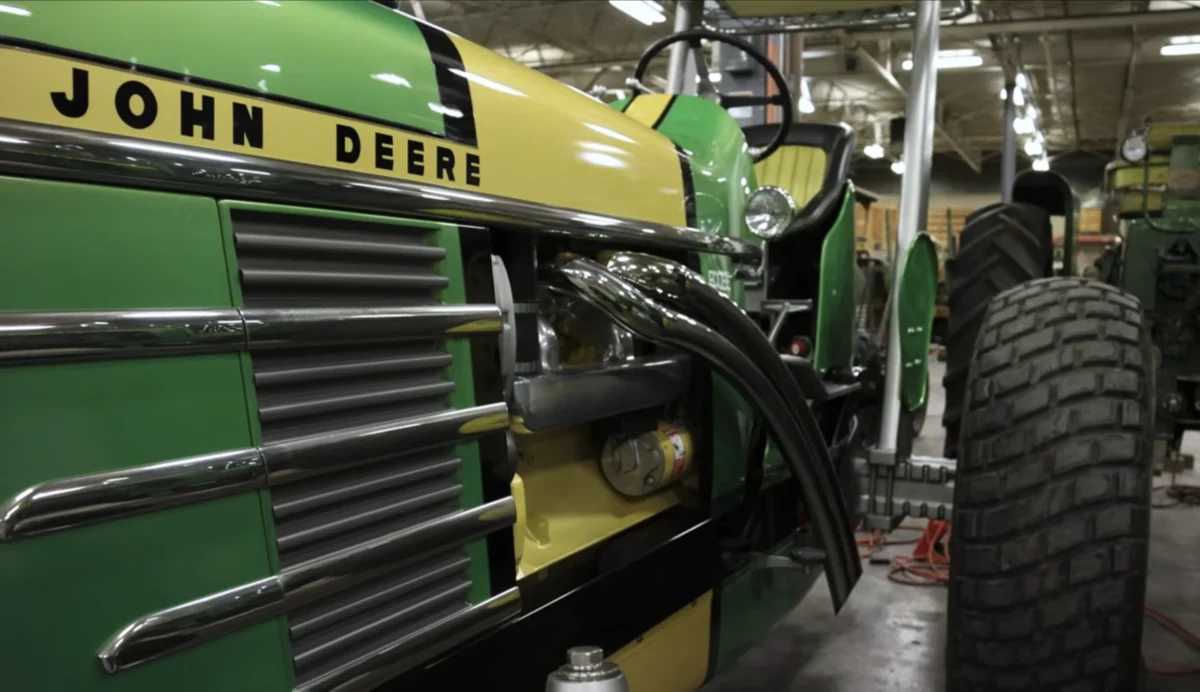
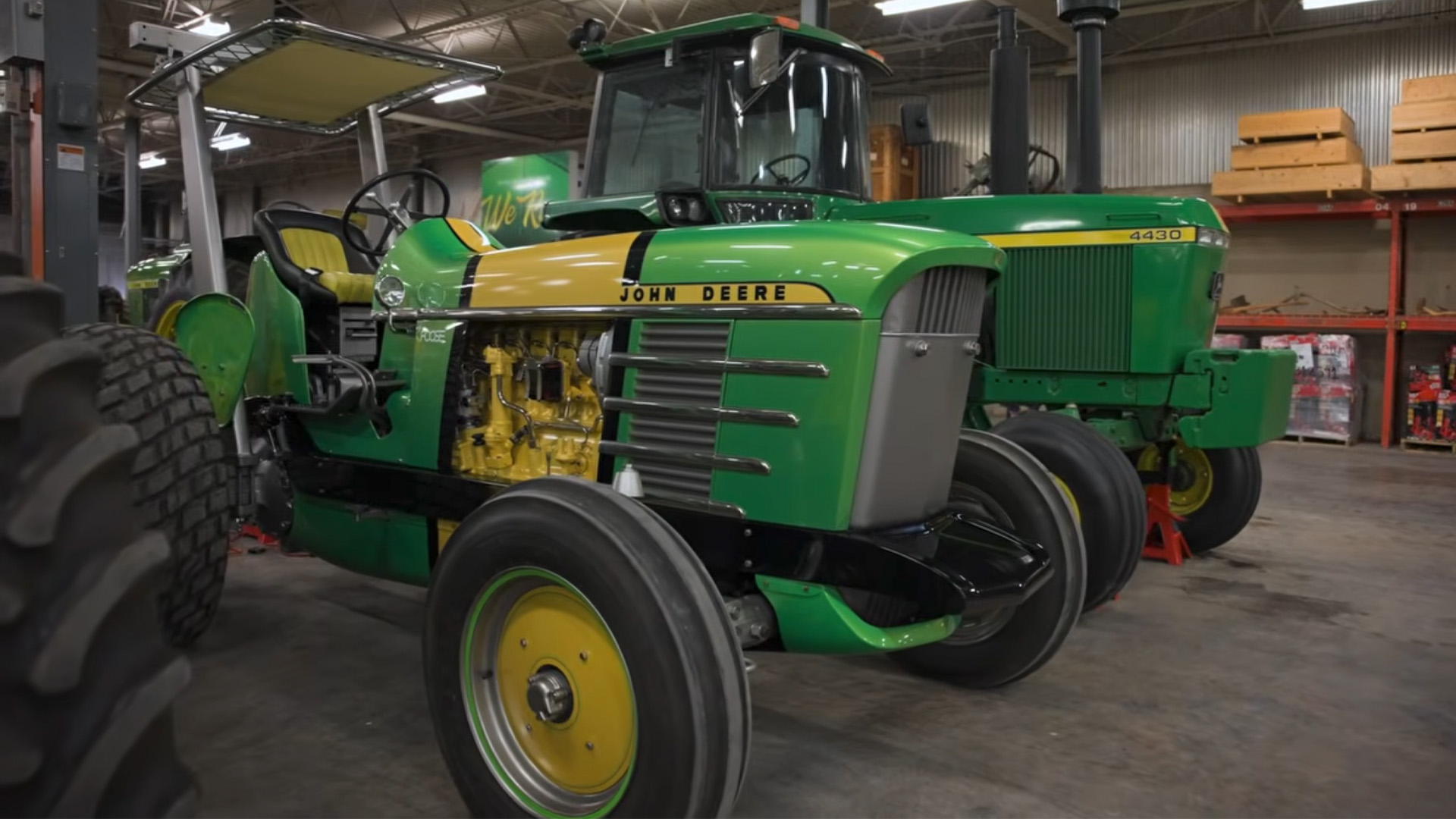
"The idea was to take something iconic and reimagine it through the lens of a classic sprint car," Foose noted during the project’s inception. He sought to emphasize the tractor’s long, sweeping hood and its powerful, upright stance. By stripping away the utilitarian facade and applying the aesthetic principles of a custom hot rod—lowered lines, a dramatic silhouette, and polished metallic accents—Foose transformed a soil-tiller into a piece of rolling sculpture.
A Chronology of Controversy
The transformation of the 4020 was a meticulous, months-long process that went far beyond a simple paint job. Foose’s team deconstructed the tractor, re-envisioning the body panels to mimic the fluid, aerodynamic lines of 1960s circle-track racers.
- 2010 (The Conception): John Deere approaches Chip Foose to create a flagship promotional vehicle for the "Big Buck" campaign.
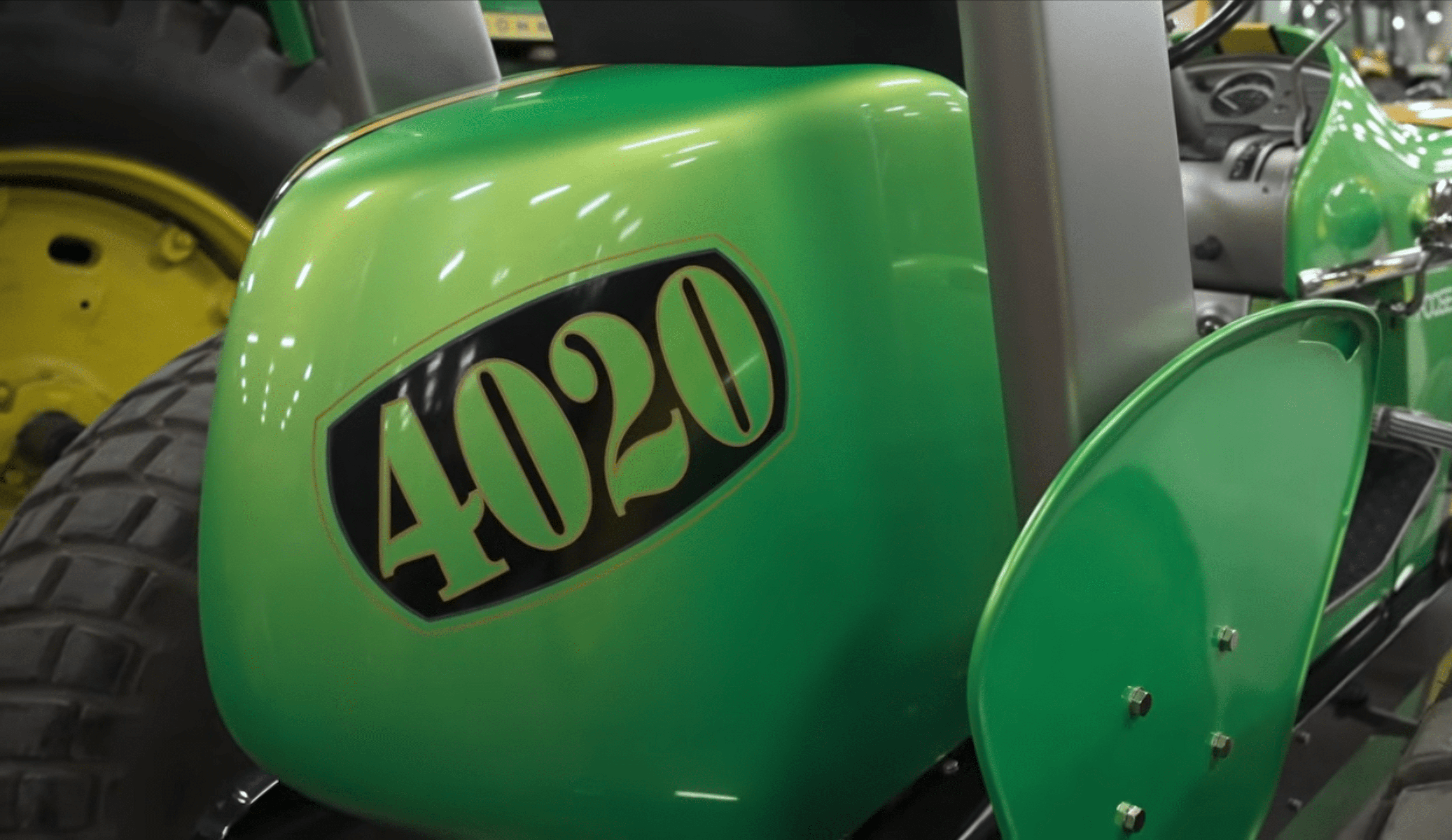
- 2010 (The Build): The 4020 is stripped down. The hood is extended and reshaped to slope aggressively toward the front, and the cockpit is redesigned to feature custom seating and controls. The rear of the tractor is modified with a "boat tail" design, a nod to vintage sprint cars, with the "4020" logo hand-lettered in a style reminiscent of classic drag-racing typography.
- 2010–2011 (The Tour): The completed tractor embarks on a nationwide tour, appearing at various dealerships. It is treated as a showpiece, not a worker.
- 2011 (The Giveaway): The promotional tour concludes, and the tractor is awarded to a winner.
- The Post-Tour Era: After the excitement of the campaign fades, the tractor eventually finds its way into the permanent collection of the John Deere Archives, where it remains to this day.
The Backlash: Why the Farming Community Cringed
If the goal of the project was to create buzz, it succeeded beyond expectations. However, the reception within the farming community was, to put it mildly, hostile.
The John Deere 4020 is not just a machine; it is a member of the family for thousands of farmers. When Foose "pimped out" the tractor, adding chrome side pipes and aesthetic bodywork, the reaction on enthusiast forums was swift and unforgiving. Critics viewed the modifications as an affront to the dignity of a machine built for hard labor.
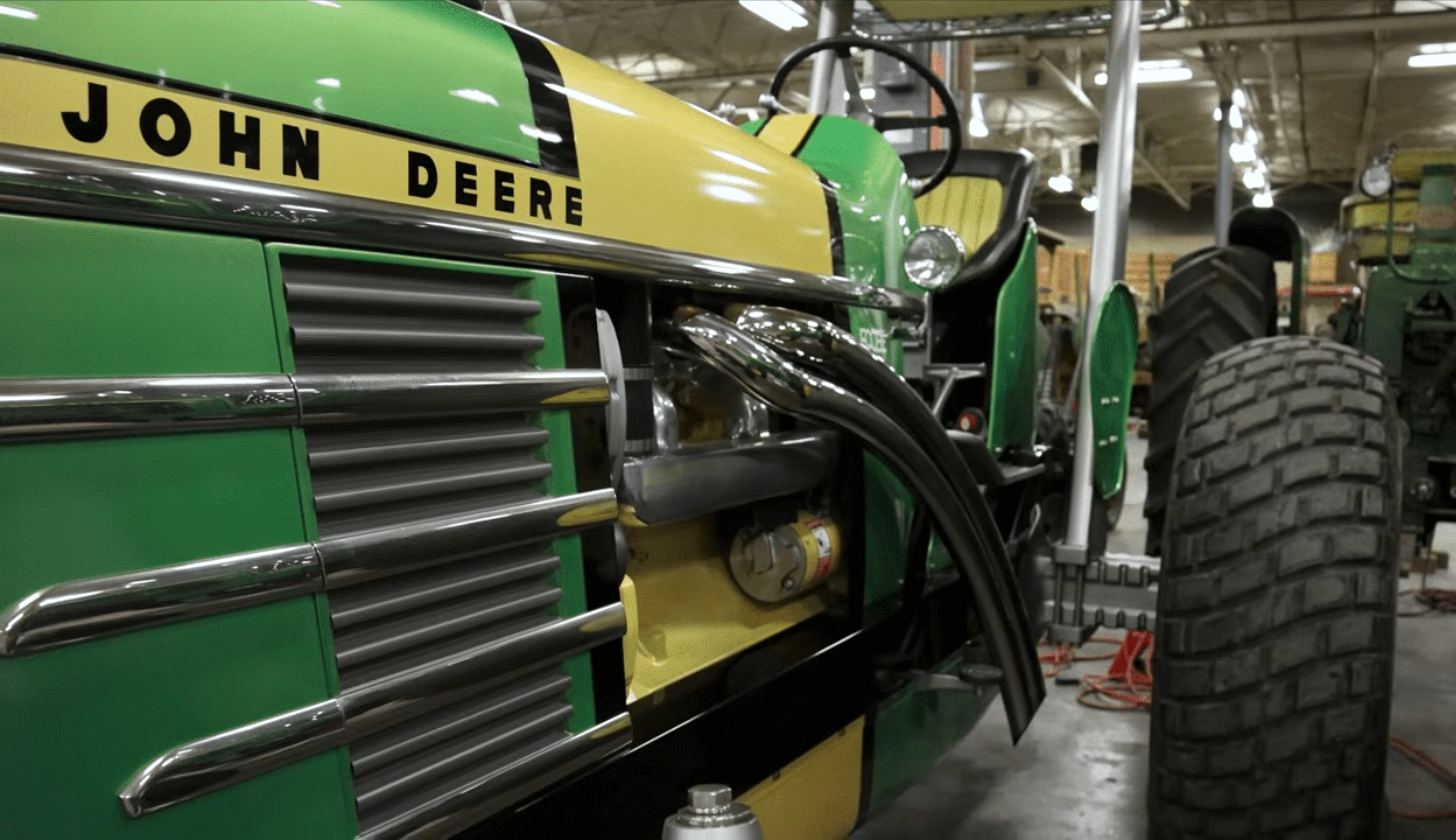
"It looks like a toy," one archived forum thread from 2011 reads. "They took a legend and turned it into a circus prop."
This friction highlights a fundamental divide in how we perceive tools. To the automotive designer, a tractor is a canvas with mechanical constraints. To the farmer, a tractor is a symbiotic partner—a machine that must survive harsh elements, neglect, and heavy loads. Seeing a 4020 with "decorative" modifications felt, to many, like painting a mustache on the Mona Lisa.
Expert Perspective: The Case for Preservation
Despite the vitriol, there are those who defend the project as a necessary exploration of design. Chris Boyens, the Heritage PR Manager for John Deere, has provided context that often gets lost in the noise of online arguments.

In recent discussions on the Tractor Zoom YouTube channel, Boyens emphasizes that the modifications are entirely reversible. The core mechanical integrity of the 4020 remains intact. "It’s not as if we destroyed a one-of-a-kind prototype," Boyens explains. "We had access to plenty of 4020s. This was an artistic statement, a way to show the world that the lines of a classic tractor possess an inherent, timeless beauty."
Boyens’ point is crucial: the John Deere Archives exist to preserve the company’s history, and that history includes marketing experiments, promotional gimmicks, and even the "controversial" projects. By keeping the Foose 4020 in climate-controlled storage, John Deere is documenting the cultural zeitgeist of the early 2010s, a time when custom car culture was at its peak.
The Implications of "The Most Controversial 4020"
Why does this machine still provoke such strong emotions 15 years later? The answer likely lies in the modern state of agriculture.

The early 2010s marked the beginning of a massive shift in the industry. As new tractors became increasingly computerized and proprietary, they became significantly harder for farmers to repair themselves. This gave rise to the "Right to Repair" movement, a struggle that has defined the relationship between farmers and manufacturers for the last decade.
When farmers look at the Foose 4020, they aren’t just looking at a modified tractor. They are looking at a symbol of a time when the equipment was simple, modular, and "yours." The fact that this specific 4020 is now a museum piece—kept from the fields, never to haul a baler or pull a disk—strikes a nerve. It represents the transition of the 4020 from a workhorse to an artifact.
Conclusion: Tool or Art?
Perhaps the most compelling takeaway from the Foose 4020 is that art is rarely comfortable. If the tractor had been painted standard green and yellow and left untouched, it would be just another piece of inventory in the company’s history. By daring to reimagine it, Chip Foose forced an entire industry to consider the aesthetics of their tools.

For those who believe that a tractor should only ever be covered in dust and grease, the Foose 4020 will always be an abomination. But for those who appreciate the intersection of engineering and design, it remains a fascinating study. It is a reminder that even the most pragmatic, heavy-duty machinery can inspire, provoke, and stir the soul.
Whether we call it a "sled-pulling machine" or a "custom art piece," the Foose 4020 has earned its place in history. It remains a testament to the idea that, yes, tools can be art—even if the critics refuse to pick up the brush.
Do you have a perspective on the Foose 4020? Should it have been left in the field, or is it a rightful part of the John Deere legacy? Send your thoughts to the editor at [email protected].
