





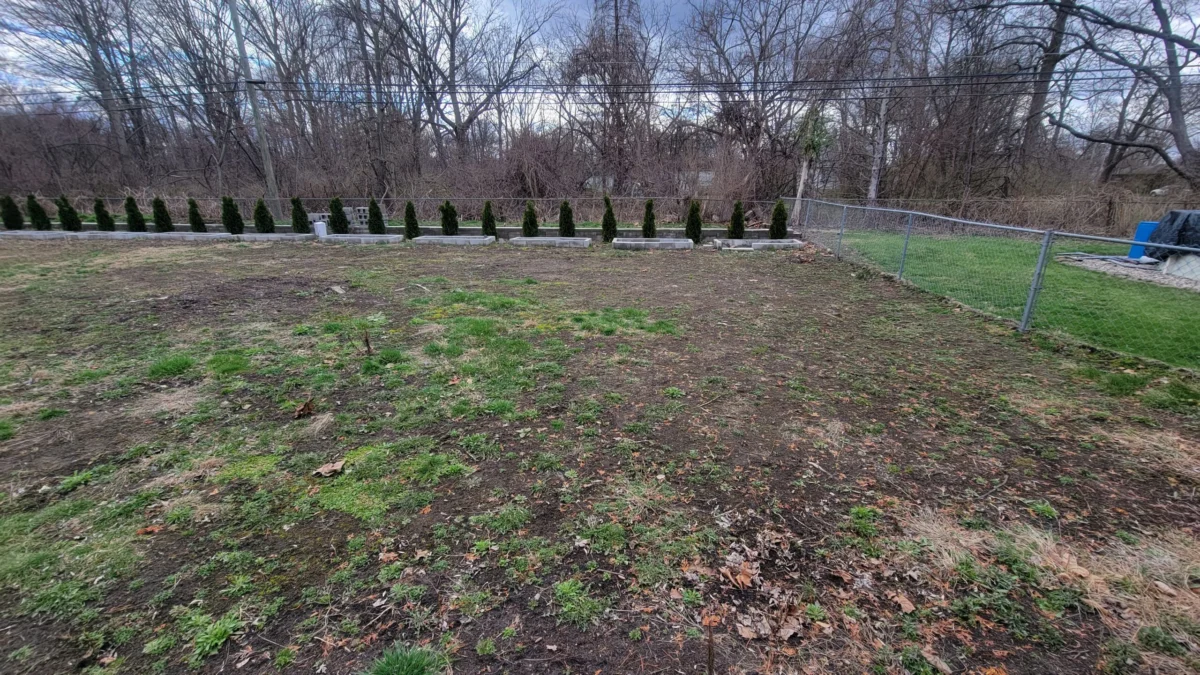
When I bought my home in the Detroit suburbs in early 2022, I inherited a classic piece of Michigan history—a 1928-built property that had been lovingly maintained for decades, only to fall into a state of "haphazard" neglect after the early 1990s. The neighborhood, once a thriving hub, had faced the same economic headwinds as many post-industrial American suburbs, where property values struggled to keep pace with inflation. For a homeowner, that meant thirty years of deferred maintenance crammed into a narrow three-and-a-half-year window.
My day job involves covering the automotive industry, an environment that—much like my century-old house—is currently undergoing a massive, sometimes painful, transformation. As I balanced the restoration of my half-acre plot with the high-octane demands of the car beat, I began to notice a curious parallel. We live in an era of instant gratification, where the automotive market is defined by scarcity, "must-have" accessories, and a relentless, manufactured sense of FOMO (Fear Of Missing Out).
But in the quiet corners of my yard, far from the engine noise and the dealer allocation wars, I found a different philosophy. It turns out that the lessons learned from cultivating a Japanese maple garden offer a refreshing, albeit unconventional, critique of how we value—and consume—the things we love.
The Mud Pit and the Modern Marketplace
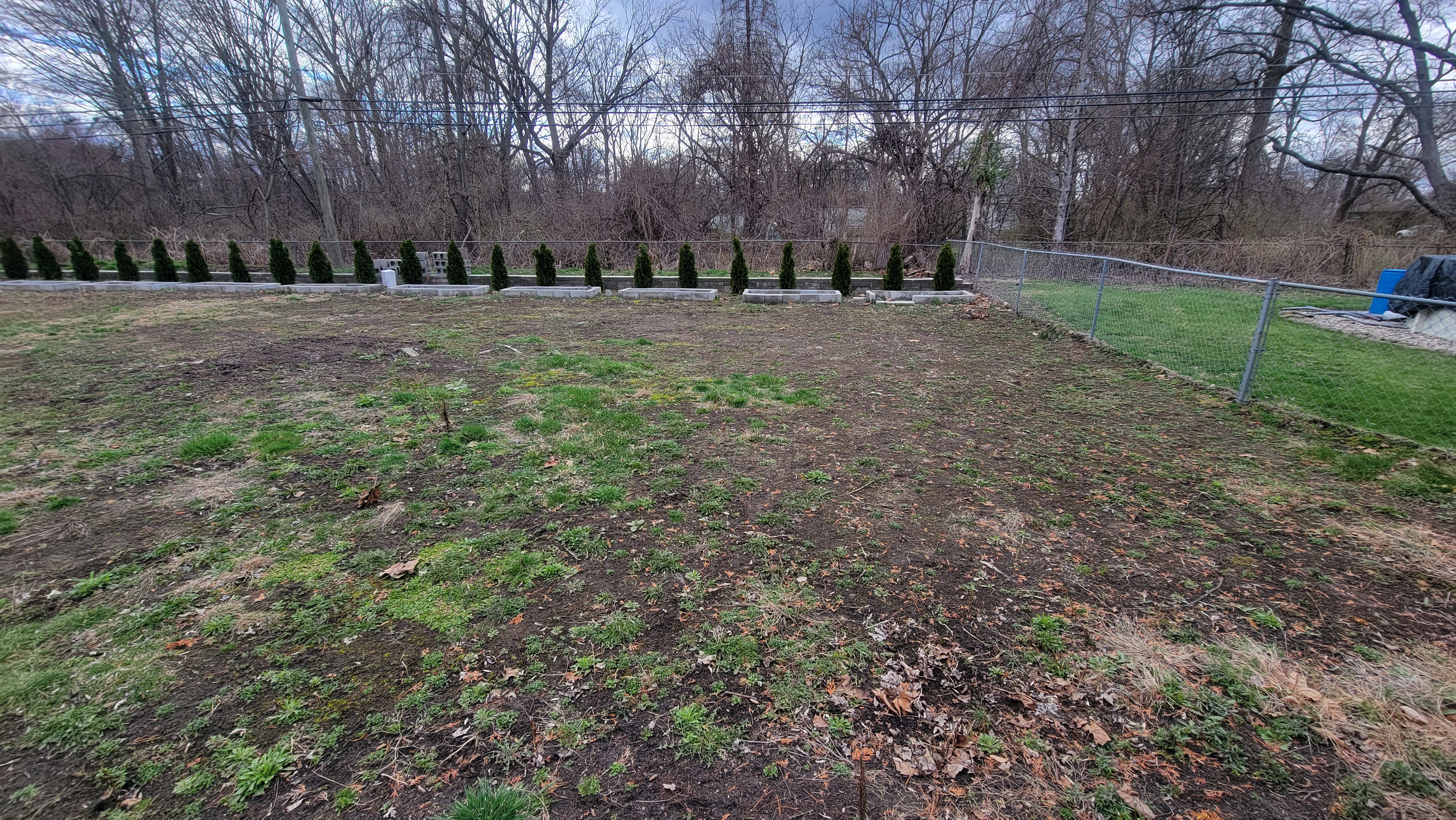
The property’s previous owner was a young GM employee who, in 2020, had ambitious plans. He had begun a massive landscaping project, stripping away eighty years of history to replace it with a sea of pavers. He hired a contractor to scrape the backyard into a literal mountain of dirt against the fence, a sterile, apocalyptic landscape of bare earth. But before the final brick could be laid, life intervened. A growing family necessitated a move, and the property hit the market.
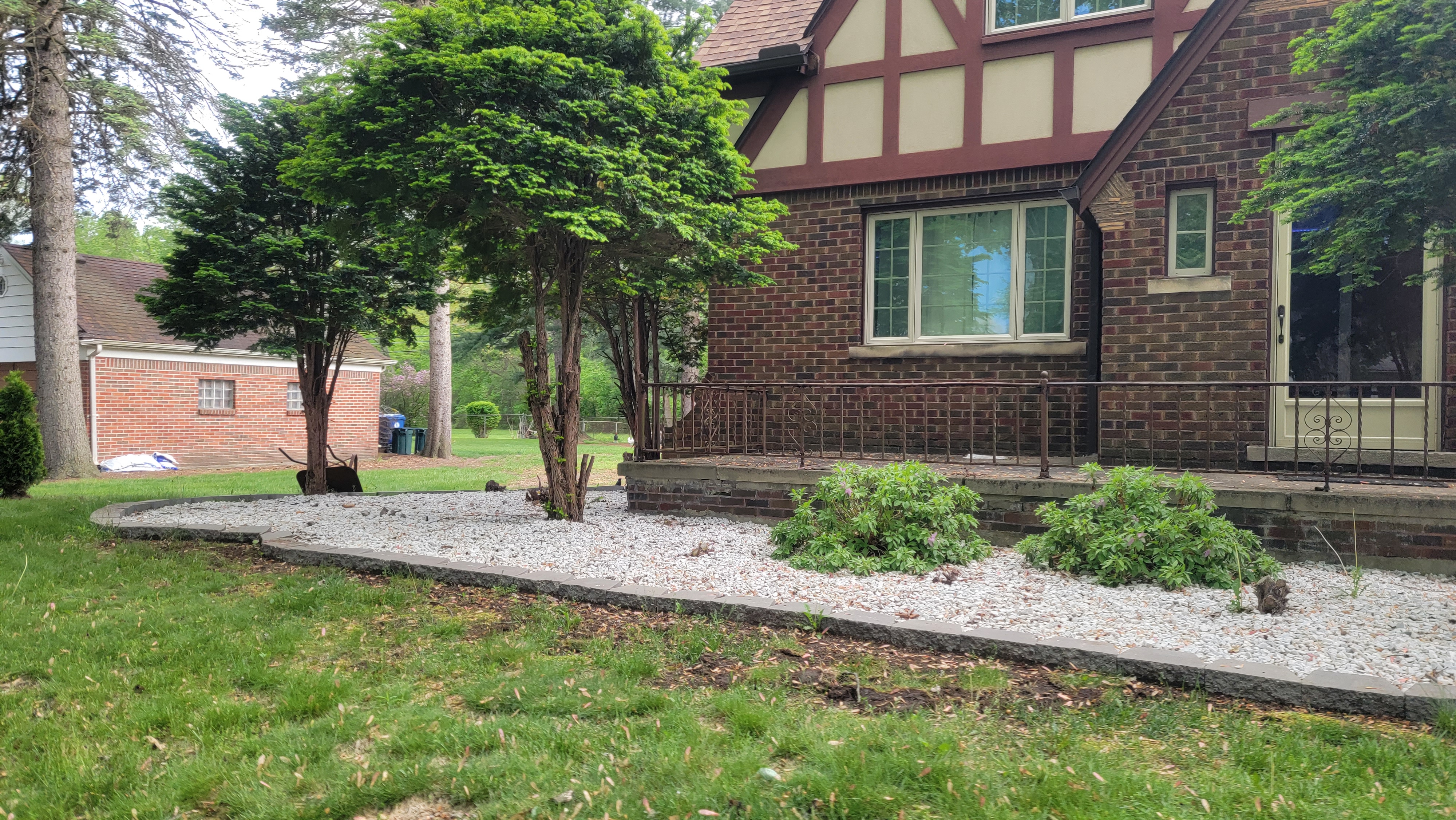
I stepped in, offering $20,000 over asking just to secure the house. What I got was a structurally sound home attached to a literal mud pit. The front yard was a graveyard of gravel, stumps, and overgrown Japanese Yews that had long since lost their shape.
My initial efforts were crude. I threw mulch over the gravel, planted a few junipers, and tried to manage the aggressive thistle infestation that threatened to swallow the back lot. By the spring of 2024, after two years of back-breaking work turning brown dirt into a functional green space, I was ready to do something more meaningful. I didn’t want the standard, soul-crushing evergreen hedge that defines so many Tudor-style homes. I wanted something that would defy the monotony.
A Gateway Drug: The Bloodgood Maple
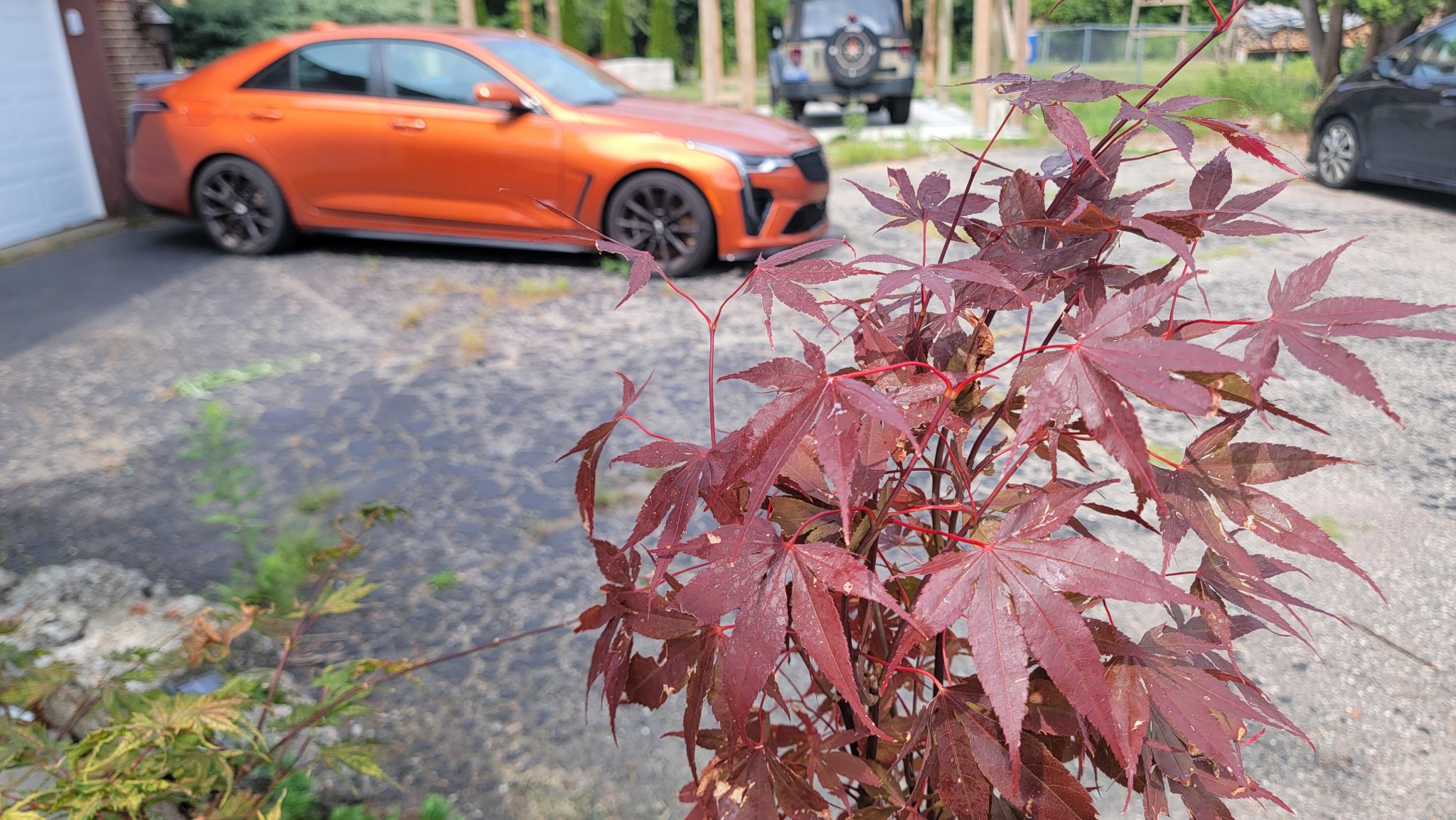
My search started with a simple, desperate query: "Trees that have fall color in summer." This led me to the "Bloodgood" Japanese maple. I bought one from a generic, big-box online nursery. When it arrived, it was thin and suspiciously green. The internet promised it would turn crimson the following year, and to my delight, it did. That singular success was my gateway.
In the world of car journalism, you are constantly pitched "game-changing" products—vaporware supercars, "legendary" detailing kits, and "epic" road trip gadgets. My skepticism is high. When I stumbled upon MrMaple, a North Carolina-based nursery offering nearly 1,500 varieties of Japanese maples, I expected to be disappointed. Instead, I found a masterclass in business accessibility.
Most local nurseries sell Japanese maples as "premium" items. They stock large, three-to-five-gallon containers with a price tag that reflects years of greenhouse labor. It’s the automotive equivalent of a luxury dealer forcing a buyer to purchase a base-model SUV just to secure an allocation for a high-performance sports car. You’re paying for the maturity, but you’re also paying for the scarcity.
MrMaple flipped the script. They offered rare, exotic cultivars in small, affordable containers. A $45 investment bought me something that most local shops wouldn’t even carry, let alone sell at a price point that didn’t require a loan. It reminded me that just because you can’t afford a brand-new, top-tier supercar doesn’t mean you can’t participate in the culture of driving. A well-maintained, entry-level enthusiast car—a Miata or a used Mustang—offers the same visceral joy as a six-figure exotic, provided you know where to look.
The Architecture of Scarcity
The automotive industry has reached a point where MSRP is effectively a ghost. Look at Porsche; the 911 has shifted from a driver’s car to a speculator’s asset. We’ve all seen the reports: dealers forcing "bundle" purchases of electric crossovers just to get a spot in line for a GT3. This isn’t just a Porsche problem. It’s a systemic rot in the enthusiast market. The R35 GT-R, the Civic Type-R, and even the "affordable" performance segments are increasingly guarded by artificial barriers to entry.
The traditional pipeline of the car world—where new cars eventually become used cars, which then filter down to younger or less wealthy enthusiasts—is drying up. When manufacturers prioritize limited-run, high-margin collectors’ items over accessible, fun-to-drive machines, they starve the hobby of its future participants.
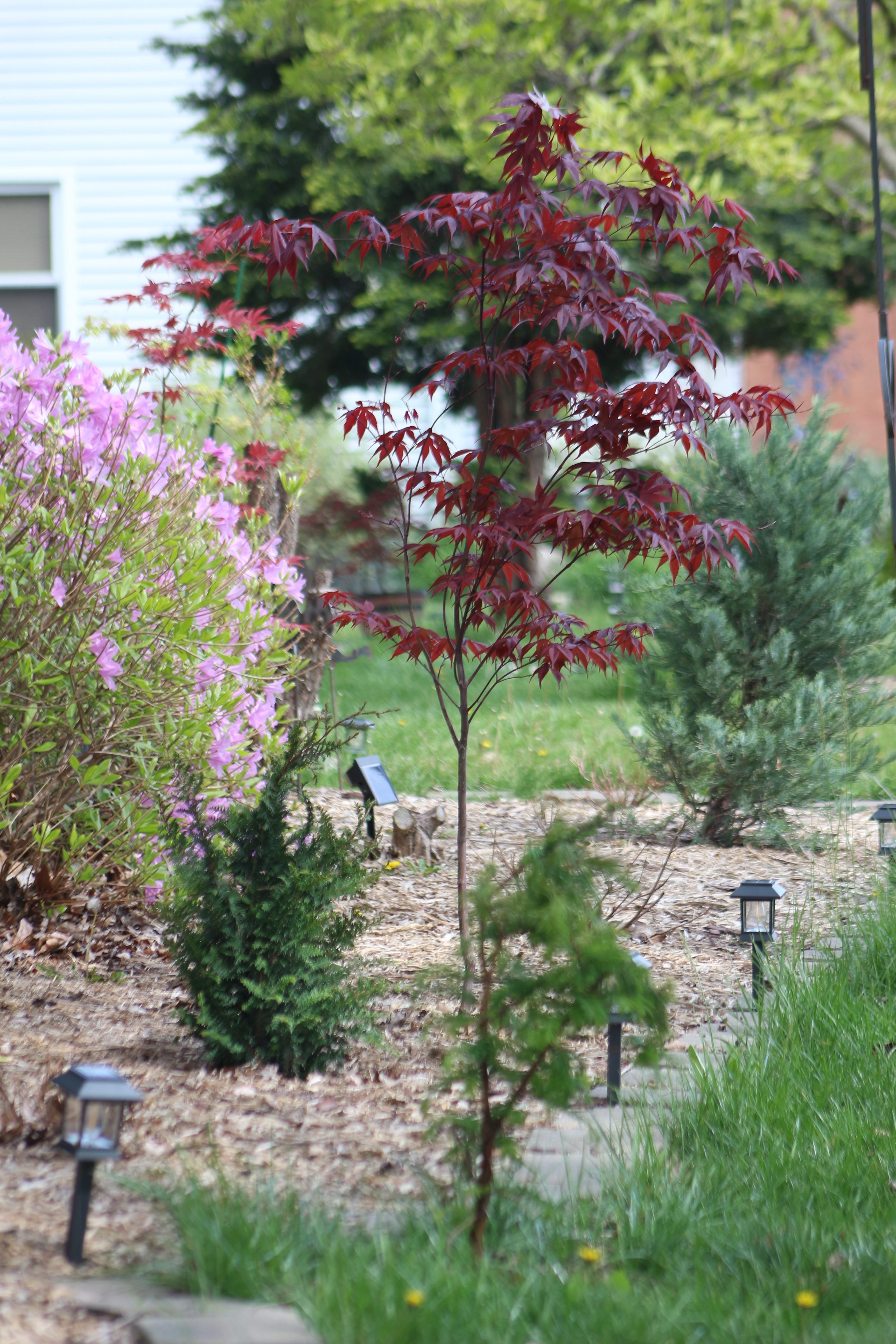
This is where the parallel to my garden becomes profound. If a business like MrMaple had followed the "Porsche Model," they would have focused only on large, mature trees with massive price tags, catering to a small elite. They would have been profitable, but they would have been irrelevant to the hobbyist who wants to watch a tree grow from a sapling. By choosing to "go wide"—by selling affordable, smaller specimens—they created a customer base that will grow with their collection.
Implications: Building the Future, One Leaf at a Time
My journey from a single, sad "Bloodgood" maple to a curated collection of 27 unique varieties on my half-acre lot mirrors my history with manual-transmission cars. My first car, a 1995 Volkswagen Passat, was a gateway. I’ve owned 12 manual-transmission vehicles since, and while I only own three today (an NA Miata, a Jeep JK, and a CT4-V Blackwing), the joy of ownership wasn’t about the status of the car—it was about the process of learning, maintaining, and enjoying the machine.
There is a lesson here for the industry: Accessibility is a feature, not a bug. When you make a hobby inclusive, you don’t cheapen the experience; you cultivate a community.
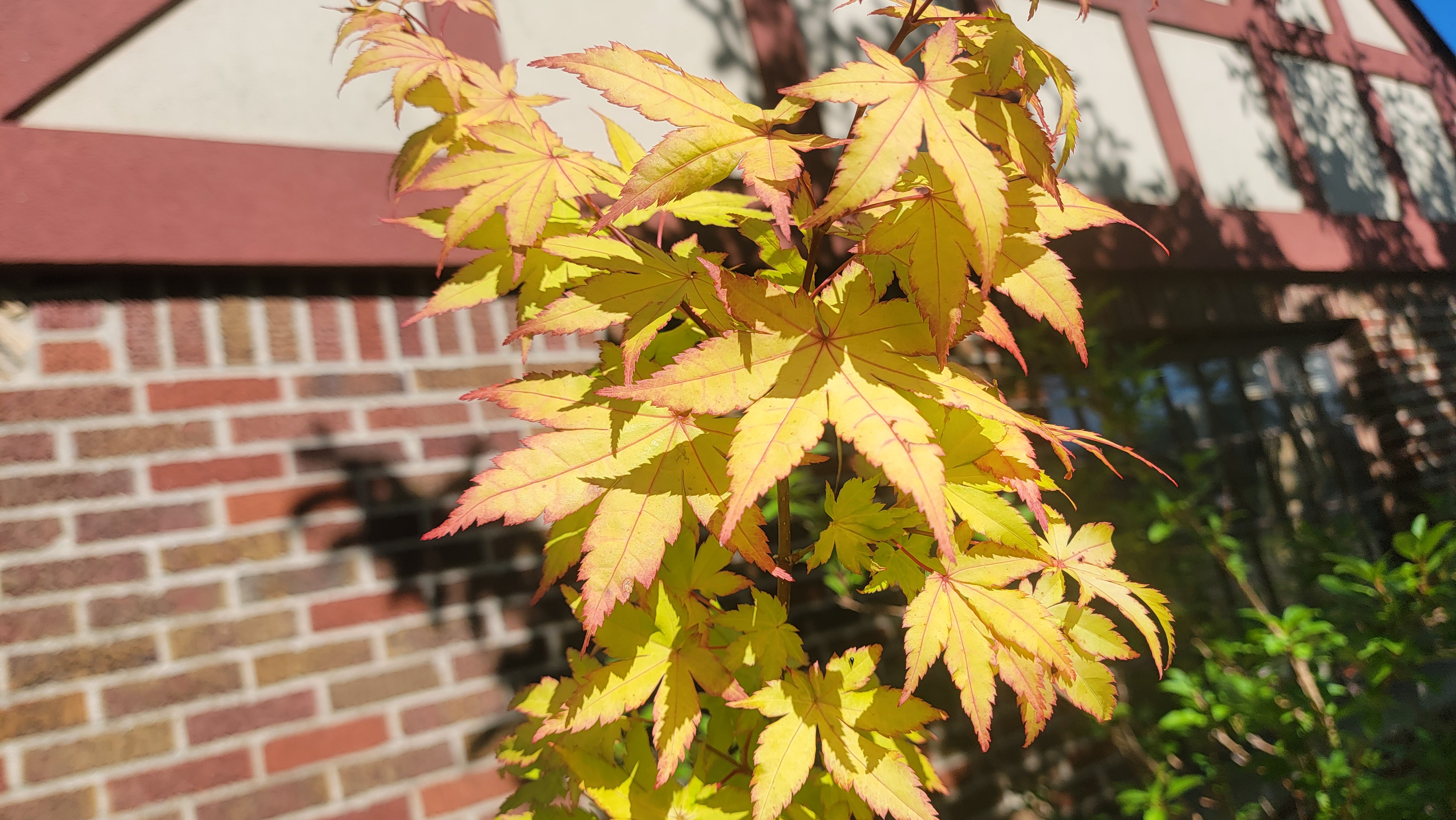
When I look at my yard today—the "Summer Gold," the "Tsukushigata," the "Autumn Moon," and the "Ryusen"—I see more than just plants. I see a long-term investment that doesn’t rely on market hype or dealer allocations. I see the result of patience.
The automotive world could learn a lot from the gardener. Instead of chasing the next "legendary" allocation or participating in the toxic cycle of markups and exclusivity, we should be looking for the "gateway" opportunities. Whether it’s a $45 sapling that will become a centerpiece in a decade, or a $15,000 used car that offers the perfect entry into track days, the most rewarding experiences are the ones you grow yourself.
In a market that is increasingly trying to tell us that we aren’t "enough" unless we have the newest, fastest, or most expensive thing, there is immense power in choosing to slow down. The trees will keep growing, regardless of what the market does. Maybe it’s time we started looking for the same kind of longevity in the things we drive.
