


As a writer, I am acutely aware that language has its limitations. I can manipulate cadence, deploy poetic imagery, or utilize the colloquial warmth of a "gotta" or "oughta" to draw you into my world. I can steer your emotions with a well-placed adjective or lull you into a false sense of security with a measured, rhythmic sentence. But at the end of the day, words are merely symbols on a screen. They cannot replicate the visceral, bone-rattling sensation of a flat-four engine firing to life, nor can they perfectly capture the fleeting joy of a perfectly executed drift on a gravel backroad.
Fortunately, art exists in many forms to bridge that sensory gap. If I were to write a ten-page essay on the experience of driving a Safari-modded Porsche 944, you would only ever know what I chose to tell you. But to watch Jaunt—a short film produced by the creative minds at Blk Elk Co.—is to feel the exhilaration of the machine for yourself.
Main Facts: The Essence of "Jaunt"
Jaunt is a four-minute cinematic exploration of escapism. Filmed in the scenic, winding hills of Northwest Arkansas, it centers on the transformation of a mundane, office-bound existence into an off-road adventure. The star of the show is a bespoke Porsche 944, heavily modified for rally and “Safari” use.
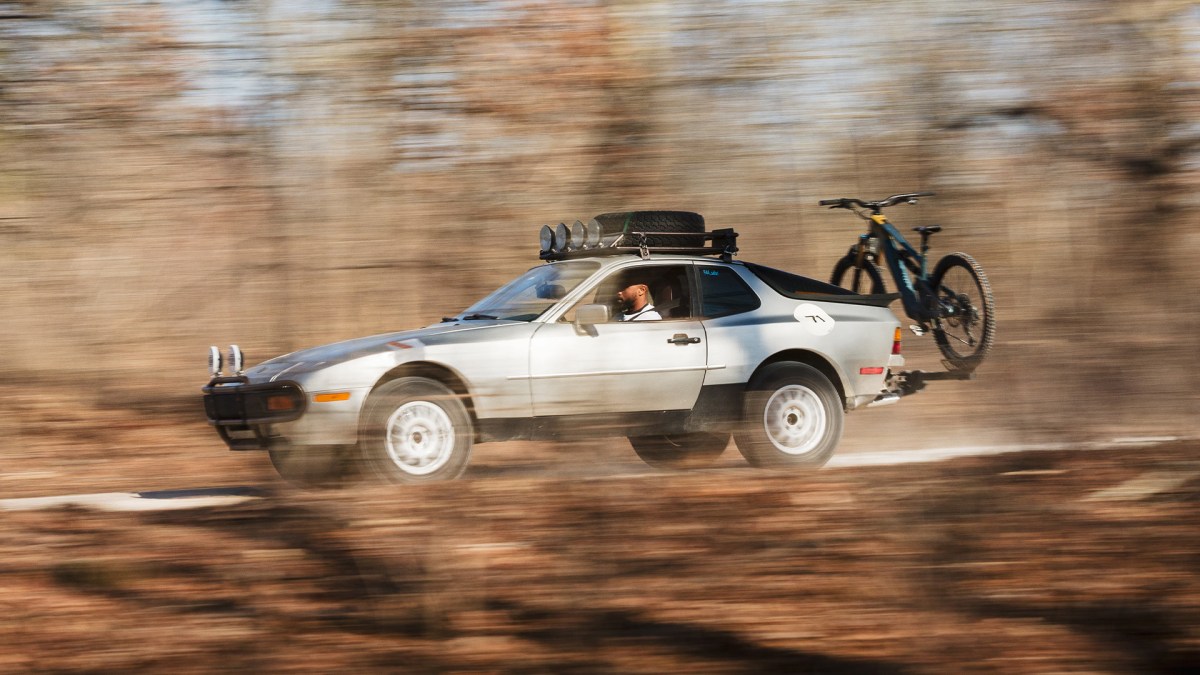
The film has garnered international attention, earning a spot on the prestigious Banff Centre Mountain Film World Tour. It is a masterclass in independent filmmaking, proving that you don’t need a Hollywood budget to evoke a profound emotional response—you only need a compelling narrative, a unique subject, and an obsessive attention to technical detail.
Chronology: From Cubicle to Canyon
The film’s narrative is deceptively simple: a worker, stifled by the crushing monotony of a desk job, decides to reclaim his lunch break.

The story begins in a drab, suffocating office environment. The cinematography here is intentional, utilizing flat lighting and a monochromatic palette to convey the soul-crushing nature of "the grind." The protagonist, played by the multi-talented Justice Jax Berry, is surrounded by generic props: a CRT monitor with no logo, a stack of endless paperwork, and a motivational book titled Real World, Here I Come.
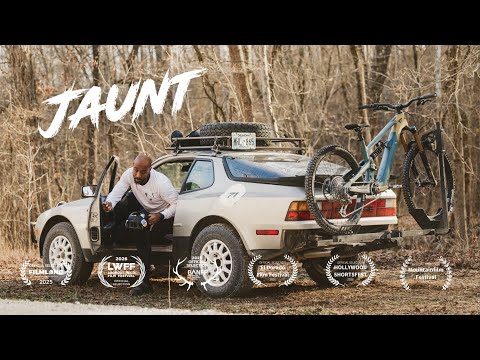
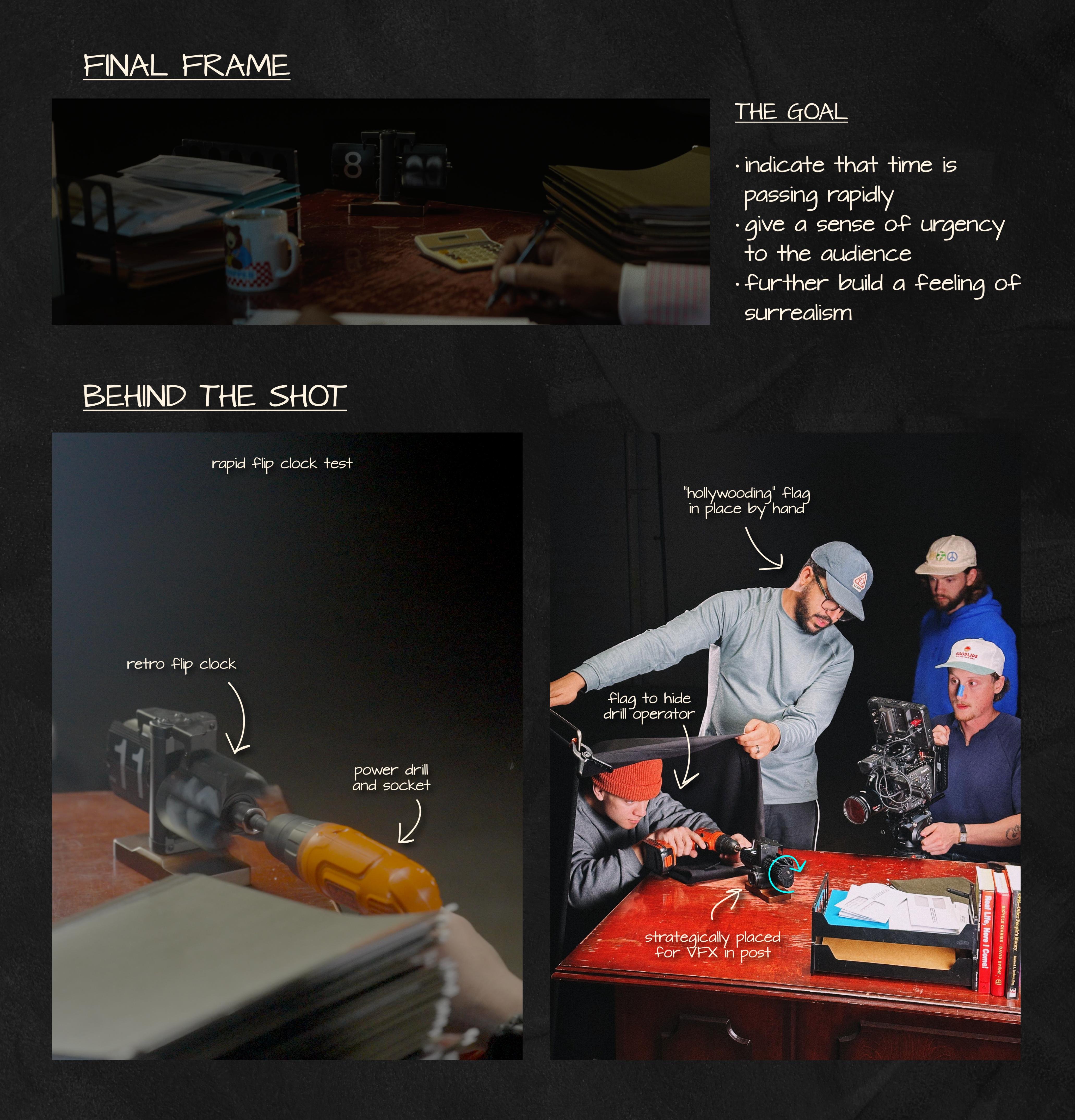
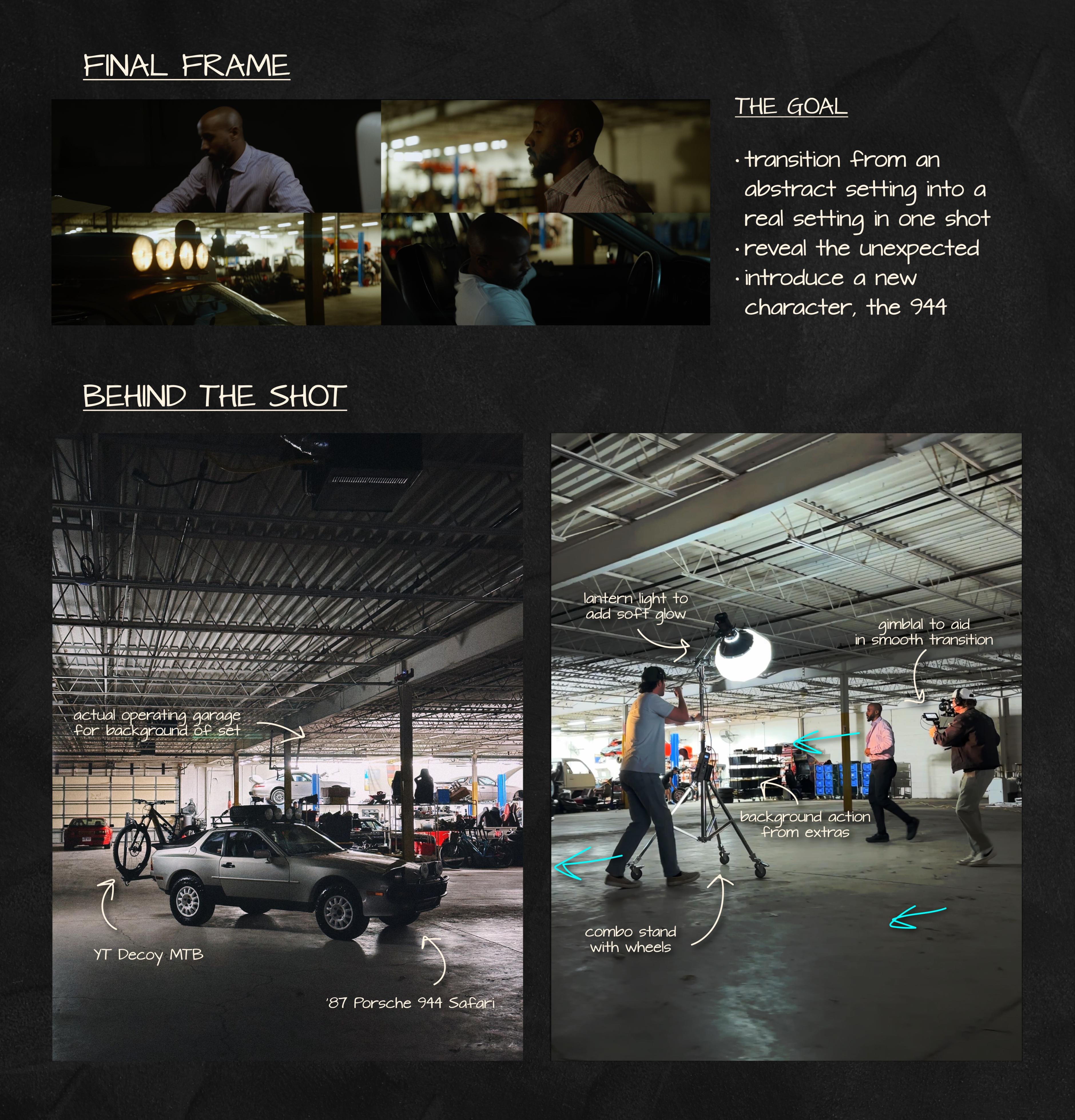
The transition is the film’s heartbeat. In a single, fluid shot, the viewer is pulled from the sterile office and plunged into the raw, mechanical reality of the 944 Safari shop. The silence of the office is replaced by the aggressive, industrial symphony of pneumatic impacts, grinding metal, and the roar of a naturally aspirated engine.
Once behind the wheel, the character sheds the constraints of his professional attire. The film then moves into the "journey" phase—a high-speed sequence featuring gravel-slinging drifts and technical mountain-biking trails. The film concludes as it began, returning to the warehouse. The protagonist, now covered in the glorious, tell-tale grime of a true adventure, returns to his desk, signaling that this entire odyssey was merely a lunch-break departure from reality.
Technical Execution: Behind the Lens
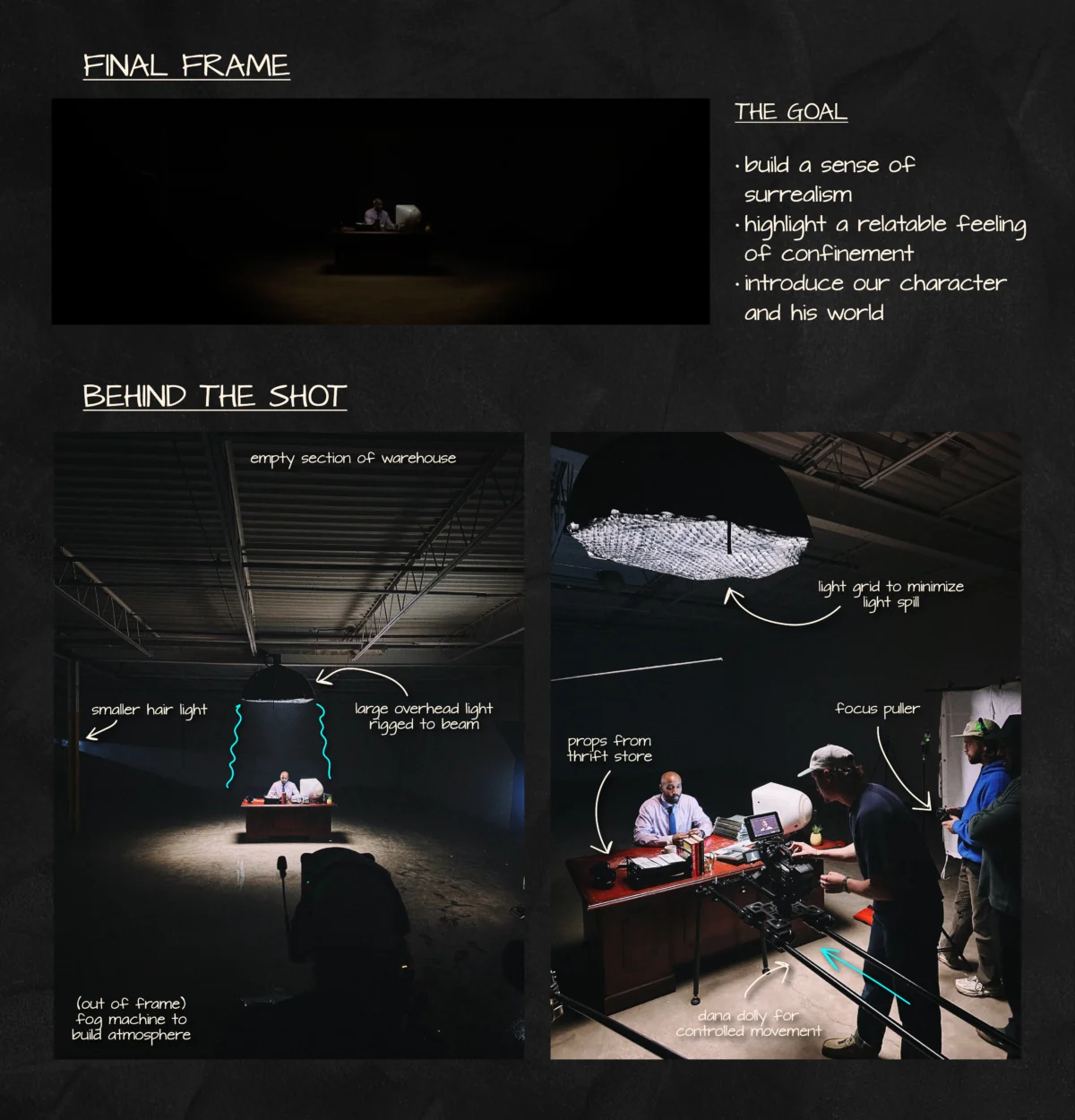
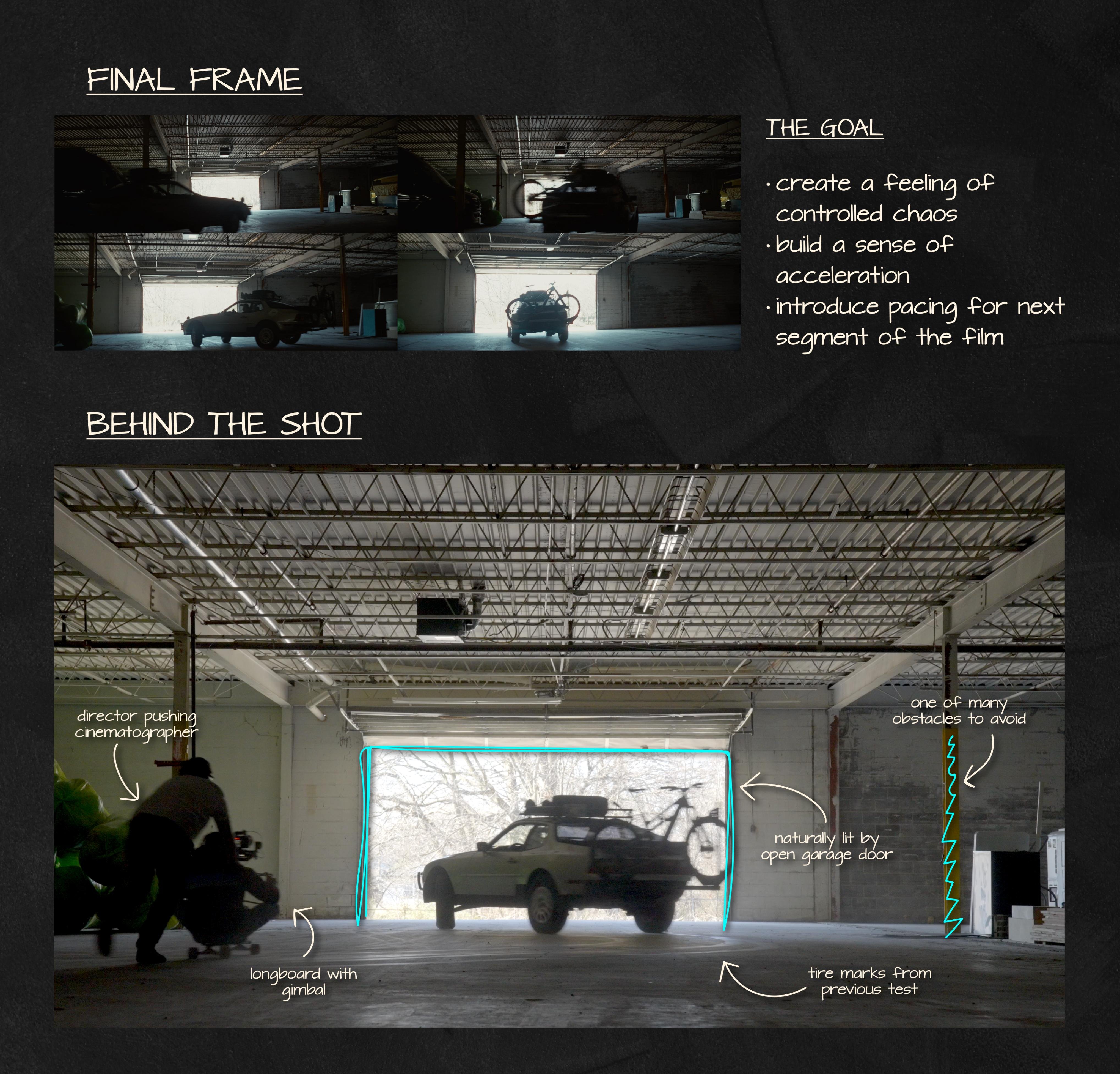
To understand how Jaunt creates its potent atmosphere, I consulted with the film’s director, Daniel Mitchell of Blk Elk Co. Rather than relying on technical jargon, Mitchell provided annotated diagrams of his setups, revealing the immense amount of "practical magic" required to achieve the film’s aesthetic.
The Gear of the Trade
- Camera Work: The crew utilized a Sony FX6 paired with Sirui anamorphic lenses. This combination provides a cinematic, widescreen "look" that feels expansive, even in tight warehouse quarters.
- Stabilization: Movement is key to the film’s energy. The crew employed a Dana dolly for smooth, controlled indoor shots and a DJI RS4 Pro gimbal for the exterior action sequences.
- The Cable Cam: Perhaps the most impressive technical feat was the use of a Noxon cable cam system. This rig allowed the team to track the Porsche and the mountain bike at speeds up to 43 mph, creating an immersive, "in-the-thick-of-it" perspective as trees blurred past in the foreground.
- The "Support" Vehicles: Blk Elk Co. utilized a dually Ford Transit as a camera car. Its high ride height allowed the cinematography team to capture dynamic, low-angle shots of the Porsche as it navigated rugged dirt roads.
Lighting and Soundscapes
Mitchell noted that the "drab" office lighting was achieved through careful Aputure light placement, designed to minimize warmth and maximize the sense of confinement. Conversely, the exterior shots rely on natural light, emphasizing the freedom of the open road.
The soundtrack—a blend of frenetic jazz and original compositions like "How Sad" by The Dark Skinned Ghost—serves as the film’s metronome. The horns and percussion mirror the frantic energy of the driving, while the ambient audio—the crunch of tires on gravel and the mechanical whine of the 944—ground the viewer in the physical reality of the car.
The Porsche 944 Safari: A Modern Classic
The car itself, provided by Daniel Davis of 944 Safari, is the anchor of the film. The 944 is often overlooked in the Porsche pantheon in favor of the 911, but its unique front-engine, rear-transmission (transaxle) layout makes it inherently balanced and "flickable."
Davis’s modification recipe is specifically engineered for the terrain of Northwest Arkansas:
- Suspension: A lift kit provides the clearance necessary for trail work.
- Tires: Aggressive, off-road-oriented rubber ensures traction on loose gravel.
- Lighting: Hella lamps provide both functional visibility for late-day adventures and a rugged, rally-inspired aesthetic.
- Utility: Custom roof racks allow for the mounting of a mountain bike, bridging the gap between the car-enthusiast world and the outdoor sports community.
Implications: The Future of Branded Content
The success of Jaunt on the international film circuit signals a shift in how we consume automotive content. In an era of high-octane, CGI-heavy action films, there is a growing hunger for the "authentic"—for stories that celebrate the human connection to machines and the environments we traverse.
By focusing on the "lunch break escape," the filmmakers have tapped into a universal desire. The film implies that you don’t need a multi-million-dollar supercar to find adventure; you need a machine that you can trust, a landscape that challenges you, and the willingness to break the routine.
The project also highlights the burgeoning creative scene in Northwest Arkansas. With heavy investment in outdoor infrastructure—partially driven by the presence of major corporate entities like Walmart and the subsequent growth of local trail networks—the region has become a hotbed for filmmakers who understand the intersection of extreme sports and automotive culture.
Conclusion: A Momentary Departure
As I watch the final frame of the film—a tired but satisfied man returning to his keyboard, mud still drying on his shirt—I am reminded of why we write, why we film, and why we drive.
Jaunt is not just a film about a modified Porsche. It is a reminder that the "real world" is often just a state of mind. Whether you are driving a vintage 944 on a dusty backroad or simply taking a moment to breathe away from the hum of the office, the ability to "jaunt"—to move, to explore, and to feel—is what makes the monotony of modern life endurable.
If you haven’t yet seen the film, do yourself a favor: step away from the screen for four minutes, watch it, and then go find your own version of a lunch-break escape. The world, as it turns out, is much larger than your office cubicle.
