




Since the first sketches of the Volkswagen ID. Buzz were unveiled, enthusiasts and nostalgia-seekers have collectively clamored for one thing: a modern, electric spiritual successor to the iconic Westfalia camper vans of the 1960s and 70s. For years, Volkswagen kept the dream at arm’s length, focusing on the core passenger and cargo variants of its modular electric drive matrix (MEB) platform. However, after navigating significant internal corporate restructuring and shifting global market demands, the wait is finally over.
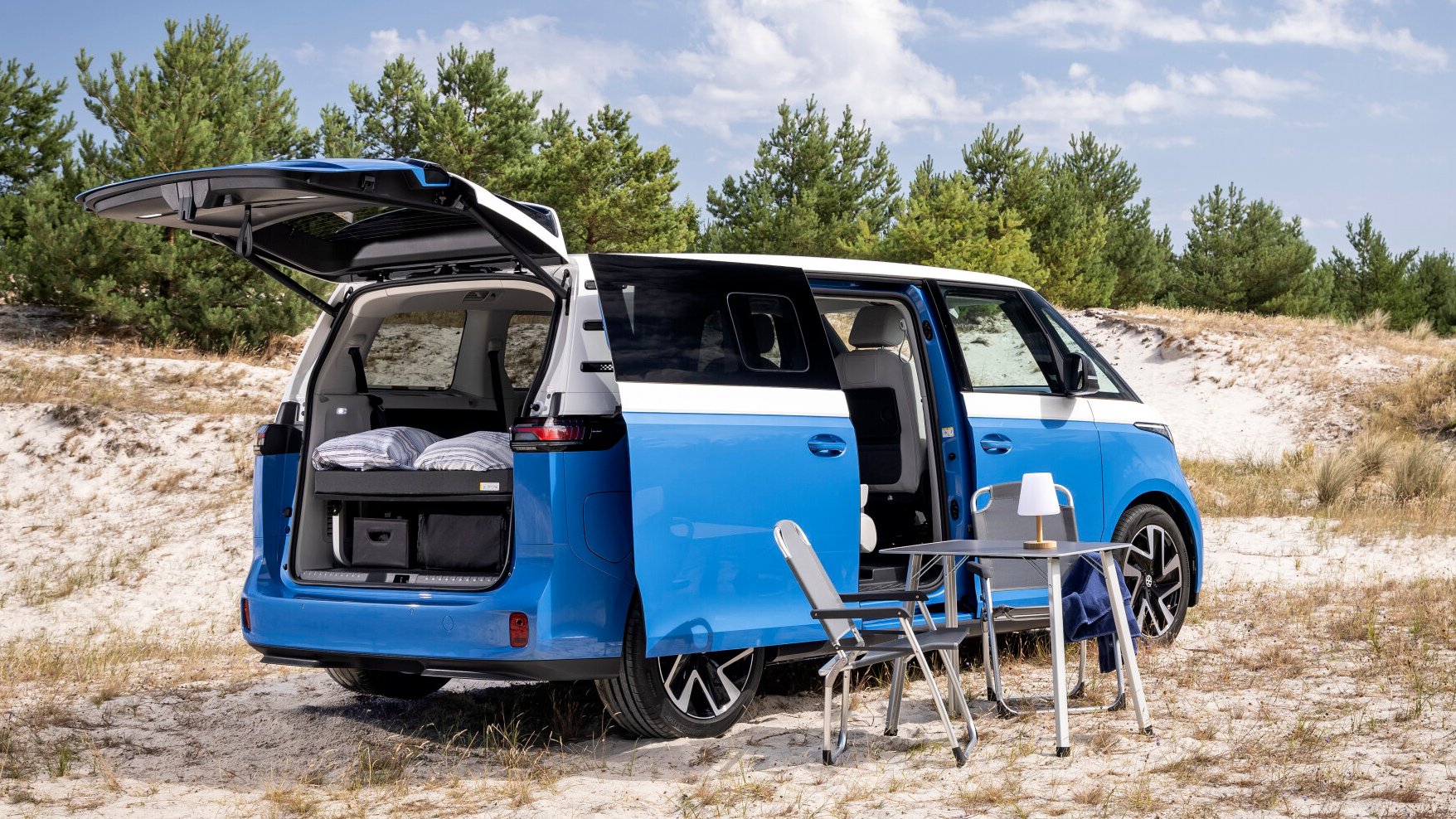
Volkswagen has officially pulled the covers off the ID. California Cruise, a purpose-built, electrified camper that blends the heritage of the "Type 2" lifestyle with the cutting-edge technology of the 21st century. While the name might seem a bit modest compared to the legendary moniker of its internal-combustion predecessors, the vehicle itself represents a pivotal moment in the evolution of the electric van segment.
The Genesis of the ID. California Cruise: A Long Road to Production
The journey to the ID. California Cruise has been anything but linear. Volkswagen’s transition into a fully electric brand has been characterized by intense scrutiny, ranging from production bottlenecks at its Hanover plant to fluctuating demand for its initial ID. series vehicles.
A Timeline of the Buzz Camper Evolution
- 2017: The original ID. Buzz Concept is revealed at the North American International Auto Show, sparking immediate speculation about a camping variant.
- 2022: The production ID. Buzz launches in Europe, winning critical acclaim for its design, though fans continue to petition for a factory-fitted camper interior.
- 2025: Volkswagen acknowledges the high attachment rate of aftermarket camping kits and begins serious development of an integrated, factory-supported "Tourer" package.
- 2026 (August): Volkswagen officially debuts the "California Cruise," a refined, ready-to-camp iteration of the ID. Buzz Pro.
The path was hampered by the company’s need to stabilize its core passenger EV business. As Volkswagen dealt with board-level opposition regarding its overarching electrification strategy, the specialized "California" line—historically the jewel of VW’s leisure vehicle portfolio—was prioritized behind high-volume sellers. Now, with the ID. Buzz firmly established in the market, the company is finally leaning into the "whimsy and legacy" that originally made the brand a cultural phenomenon.
Engineering for the Great Outdoors: Technical Specifications
The ID. California Cruise is not merely an ID. Buzz with a mattress thrown in the back. It is a re-engineered space designed to maximize utility while minimizing the "range anxiety" that often plagues electric adventurers.
The Power of "California Mode"
The most significant technological advancement in this model is the introduction of "California Mode." This software-defined feature allows the vehicle to act as a massive power station for the user. When the van is parked at a campsite, users can activate this mode to shunt power directly from the 79-kWh battery to the onboard living systems.
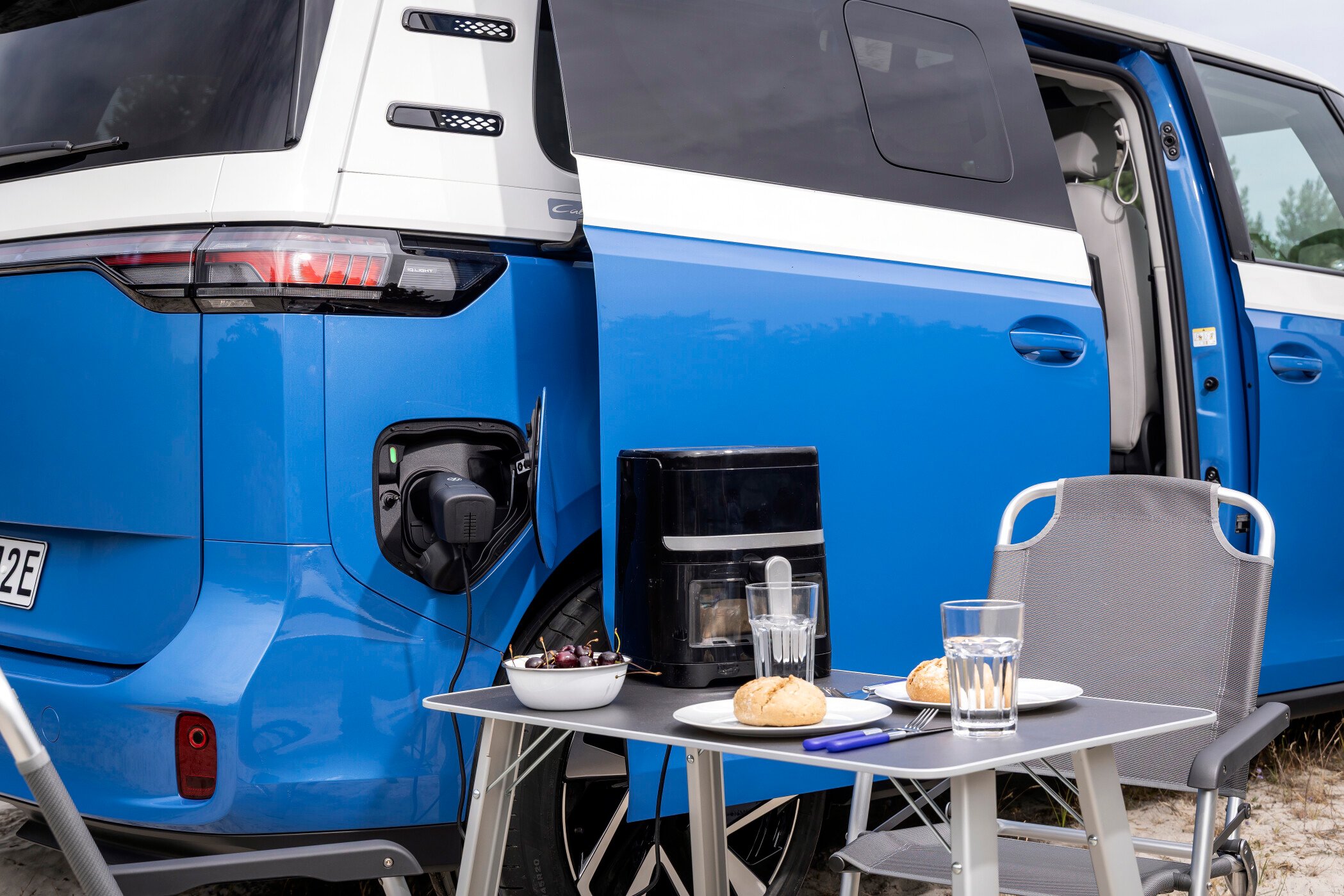
Volkswagen has optimized the HVAC system for stationary use, claiming that the van can maintain a comfortable cabin temperature for up to 48 continuous hours on a single full charge. This is a game-changer for boondockers, as it eliminates the need for propane heaters or noisy gasoline generators, allowing for a near-silent camping experience that respects the quiet of the wilderness.
Living Quarters and Interior Features
The interior layout has been meticulously curated to balance passenger comfort with utility:
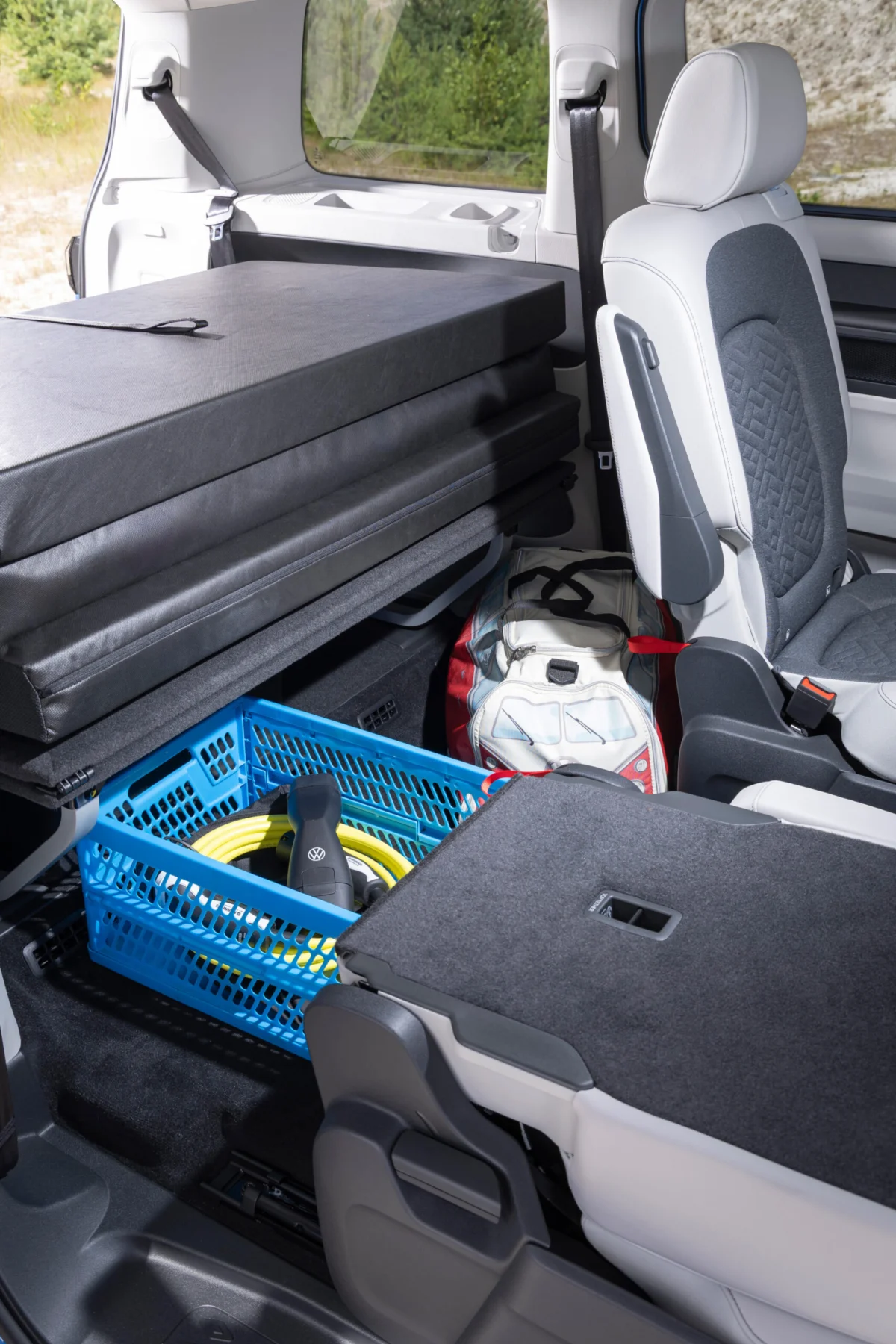
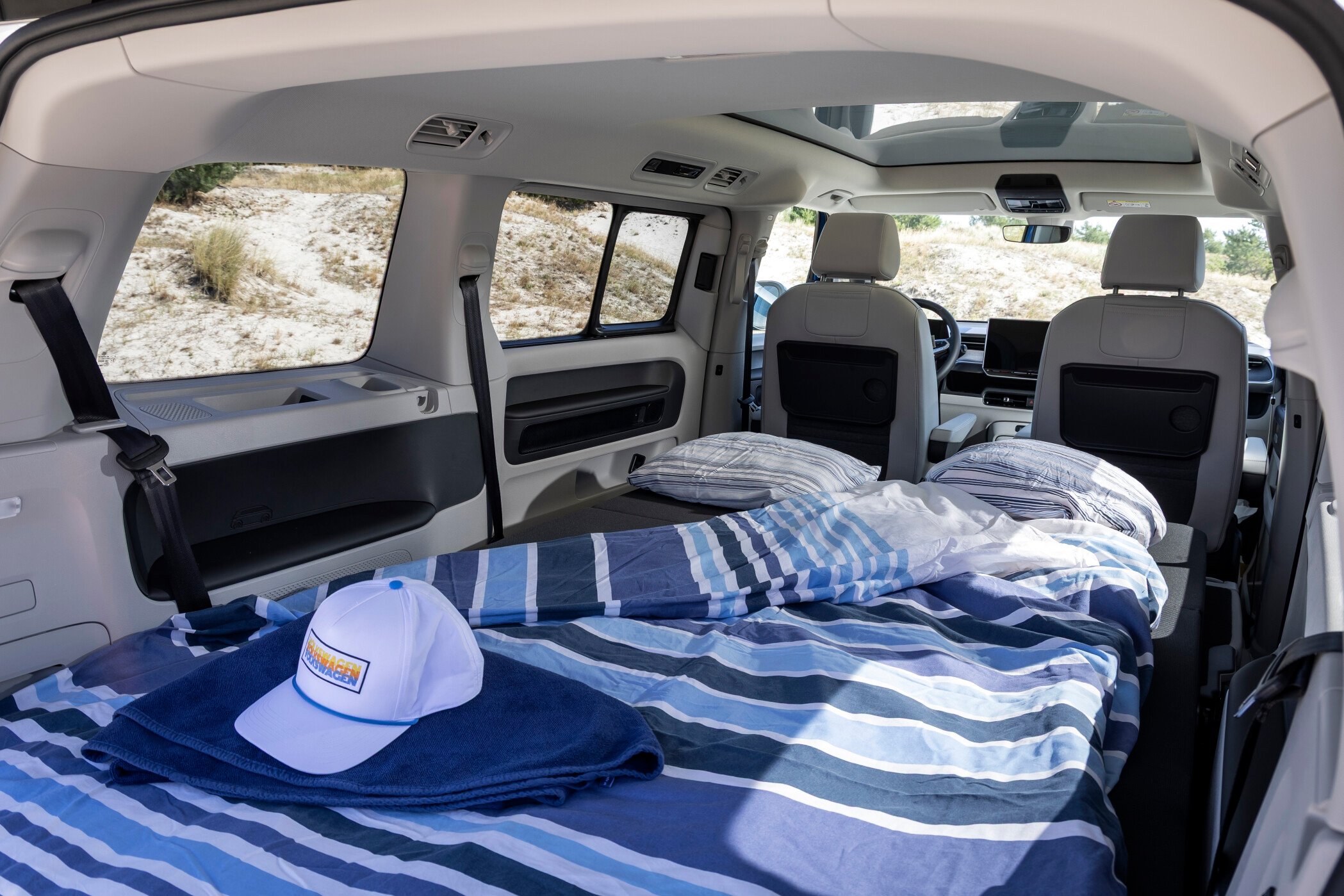
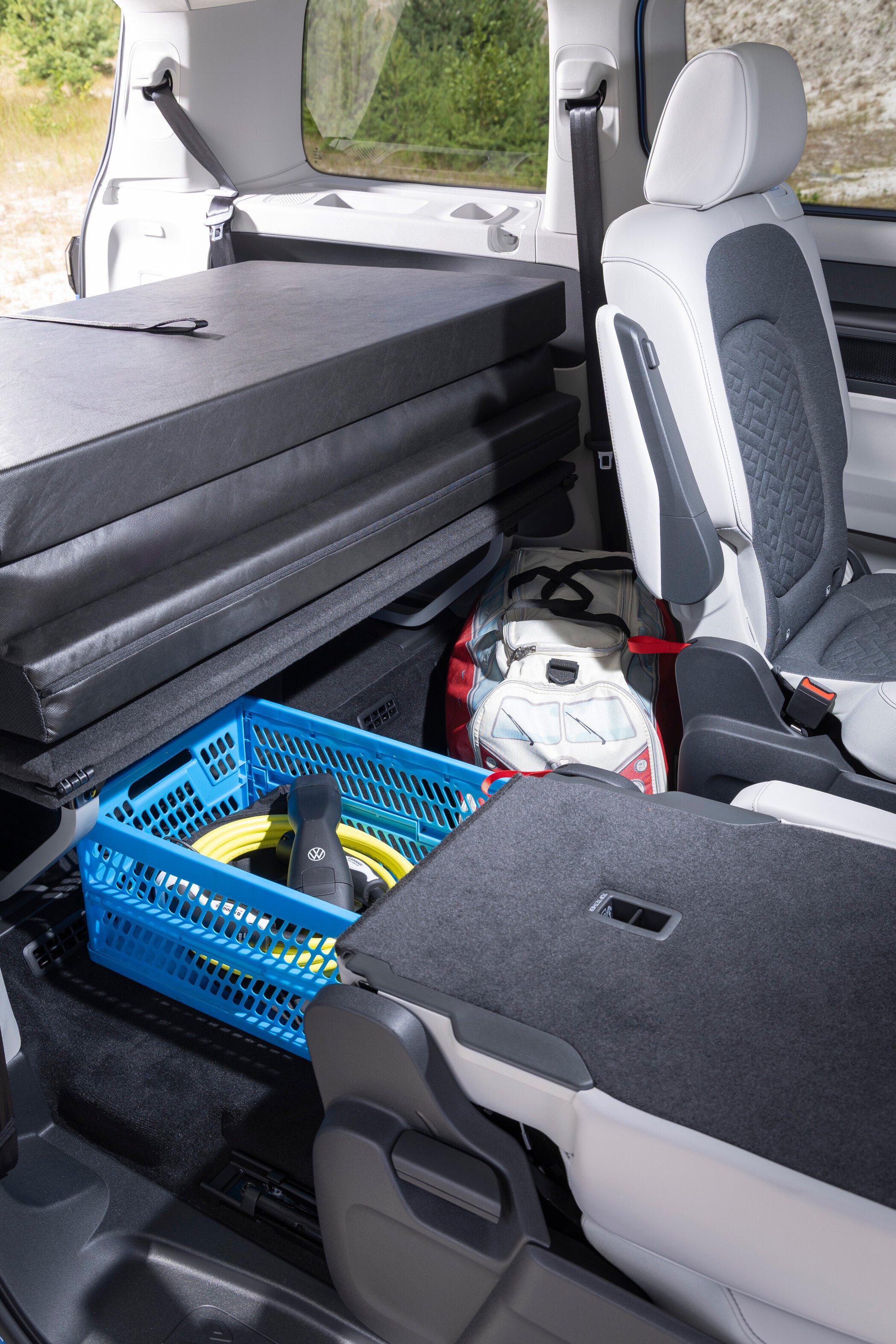
- The Sleeping Quarters: A custom-fit, high-density foam mattress system that integrates seamlessly into the folded rear bench.
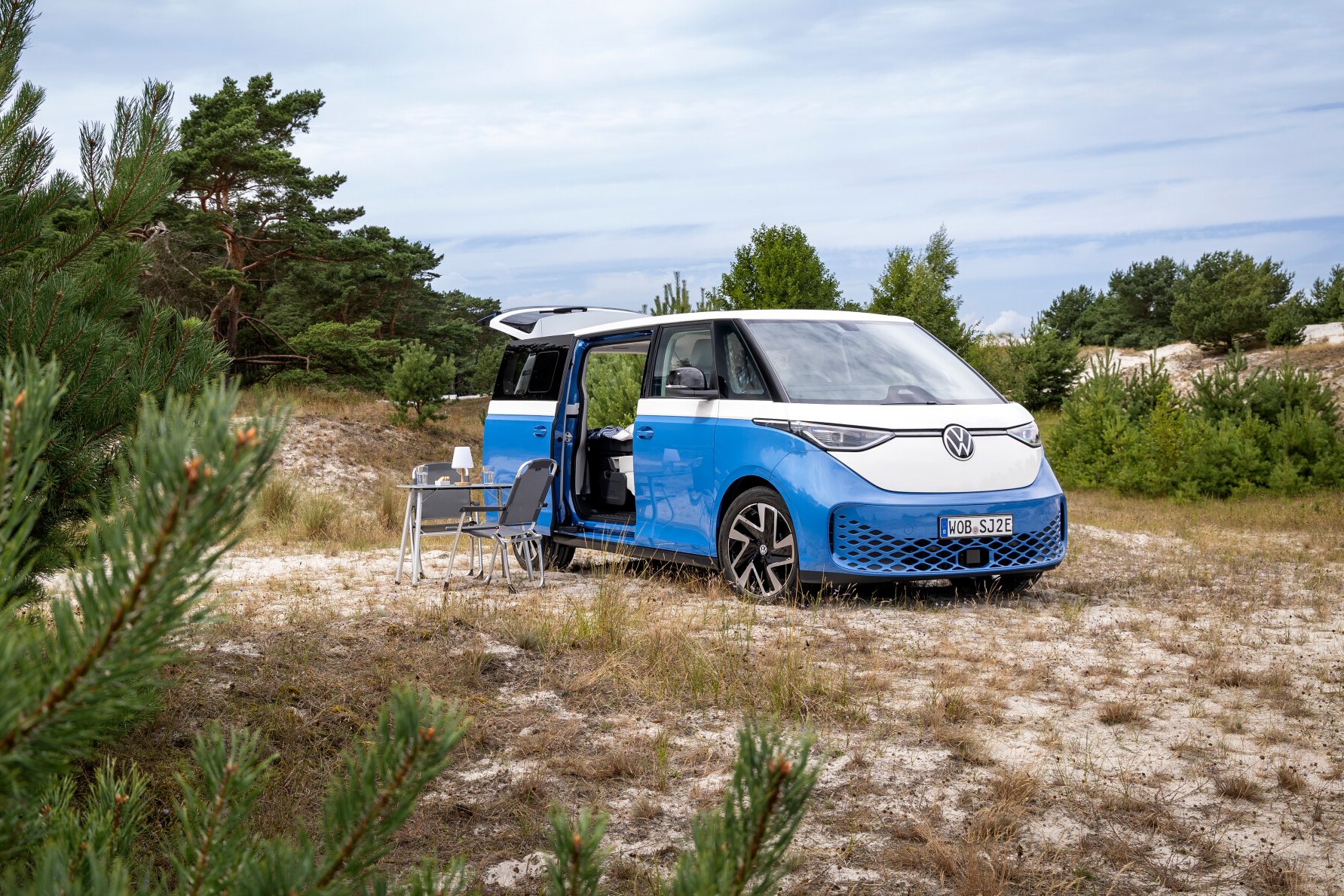
- Outdoor Integration: A modular fold-out table and two weather-resistant chairs, stored in custom compartments within the tailgate, ensuring that the living space extends beyond the metal of the van.
- Privacy Control: Full-cabin blackout curtains provide total privacy, a necessary feature for stealth camping.
- Electrochromic Glass Roof: Perhaps the most luxurious touch, the roof can toggle between transparent and opaque at the touch of a button, allowing campers to stargaze without sacrificing privacy or heat regulation.
Market Positioning and Strategic Implications
The ID. California Cruise is currently launching with a retail price of approximately 60,000 euros (roughly $70,000 USD). This places it firmly in the premium segment of the van-life market.
The "Short Wheelbase" Constraint
Currently, the California Cruise is based on the short-wheelbase ID. Buzz Pro, which is standard in the European market. This is a critical distinction, as the United States market, which is set to receive a "Tourer" version of the Buzz for the 2027 model year, typically favors the long-wheelbase variant. The compact footprint of the European model makes it incredibly nimble for navigating narrow European village roads, but it remains to be seen if the interior dimensions will satisfy American buyers who often expect a more expansive living area.
Global Strategy
Volkswagen’s decision to launch the California Cruise in Germany first is a calculated move to capture the mature European camper market, where the "California" nameplate carries significant brand equity. By testing the waters in Germany, VW can gather real-world data on how the battery-management system performs under various climates and usage patterns before finalizing the specifications for the U.S. version.
Official Responses and Industry Outlook
Volkswagen executives have remained tight-lipped regarding the exact production volume for the California line, but the mood within the company is one of cautious optimism.
"The ID. California Cruise is the answer to the community," a Volkswagen representative noted during the reveal. "We have seen the aftermarket, we have seen the passion, and we have realized that for the ID. Buzz to truly be the successor to the T1 and T2, it must be a home on wheels."
Market analysts suggest that the success of this vehicle will hinge on the development of charging infrastructure in remote areas. If VW can bundle the purchase of a California Cruise with access to a robust network of chargers at popular national parks or camping sites, it could effectively neutralize the current weaknesses of electric-vehicle-based travel.
The Road Ahead: Why This Matters
The release of the ID. California Cruise is more than just a product launch; it is a signal of the maturation of the electric vehicle industry. For the past decade, EVs have been marketed primarily as commuters or high-performance status symbols. By introducing a factory-built camper, Volkswagen is validating the "van life" movement as a sustainable lifestyle choice.
Environmental Stewardship
The shift from internal combustion engines to electric powertrains for camping is a significant environmental win. Traditional camper vans are often high-emission vehicles due to their weight and the necessity of running engines or generators for climate control. By moving to a 79-kWh electric platform, the ID. California Cruise allows users to traverse protected landscapes with a significantly reduced carbon footprint.
Challenges to Overcome
However, the road is not without its obstacles. The price point is steep, and the reliance on a 79-kWh battery—while impressive—will still require careful route planning in regions where charging stations are sparse. Furthermore, the longevity of the battery when subjected to the deep discharge cycles of constant camping usage remains an open question for long-term owners.
Conclusion
As the 2027 model year approaches, all eyes will be on how Volkswagen adapts the California Cruise for the North American market. If the company can maintain the current level of build quality, integrate the "Tourer" features into the longer-wheelbase platform, and keep the price competitive, they will have successfully bridged the gap between the counter-culture icons of the past and the sustainable mobility of the future.
The ID. California Cruise proves that going electric doesn’t mean giving up the freedom of the open road—it just means finding a new, quieter, and more thoughtful way to enjoy it.
