





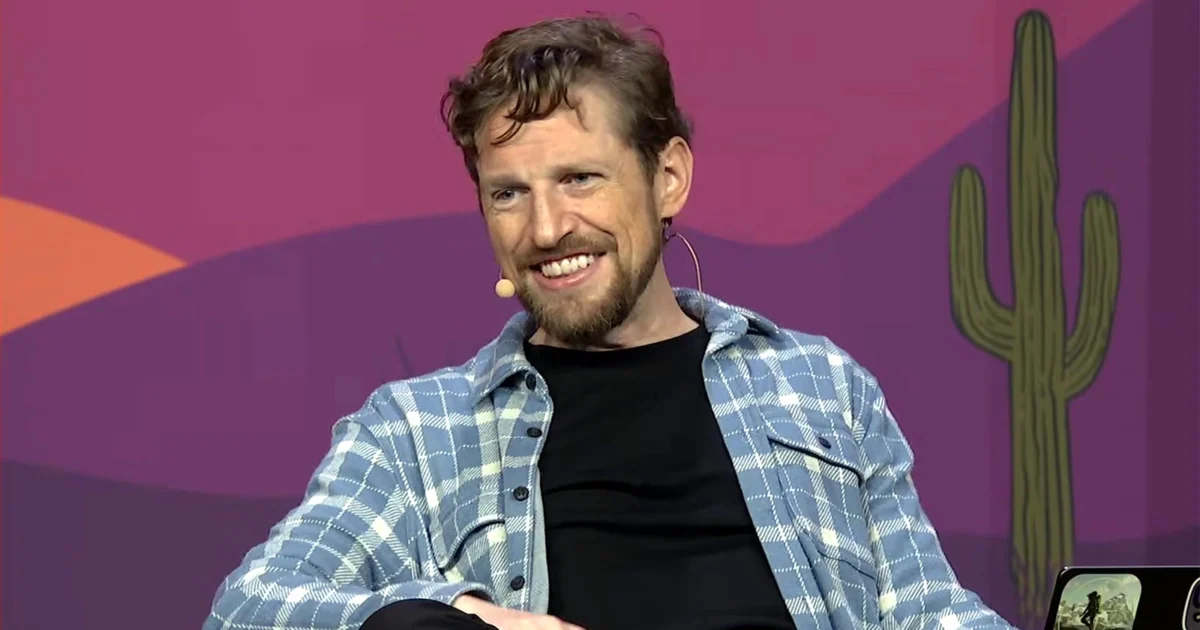
The technology sector is reeling following a chaotic week at Automattic, the parent company behind WordPress.com and a primary contributor to the open-source WordPress project. In a sequence of events that has blurred the lines between corporate governance and digital activism, WordPress co-founder Matt Mullenweg has successfully navigated a high-stakes internal revolt, returning to the helm of the company just days after being placed on indefinite leave by the Board of Directors.
The situation, which unfolded with the speed and unpredictability of a social media firestorm, has raised significant questions about corporate control, the influence of founder-led organizations, and the transparency of executive transitions. While the company has officially confirmed Mullenweg’s reinstatement, the unorthodox nature of the communication—and the apparent hand of Mullenweg in drafting the company’s own "official" narrative—has left industry analysts and the WordPress community searching for answers.
A Chronology of the Crisis
The turbulence began on Wednesday, September 9, when the Automattic Board of Directors took the extraordinary step of placing Matt Mullenweg on paid leave. The move, which effectively removed the founder from daily operations, was abrupt. According to reports, Mullenweg was given only 50 minutes of notice prior to the board meeting, and his requests for legal counsel to review the transition were summarily denied.
In his place, the Board appointed Mark Davies, the company’s Chief Financial Officer, as interim CEO. Automattic released a concise, formal statement following the decision:
"Matt Mullenweg is currently on leave from Automattic. Mark Davies, Automattic’s CFO, will lead the company as interim CEO. The Board has full confidence in Mark’s leadership and in the team’s ability to execute against the company’s priorities."
The statement adhered to standard corporate protocol: it was detached, formal, and presented as a finalized board-level decision. However, the Board had failed to account for a critical vulnerability: Mullenweg’s continued access to the company’s Slack workspace.
On Friday, September 11, the narrative shifted dramatically. Mullenweg leveraged his access to the internal messaging platform to seize control of the conversation. He reportedly removed administrative access from other users and began posting to employees, declaring that he was back in control of the company.
The industry was left in a state of confusion. Was this a legitimate reinstatement, a technical hijack, or an act of digital brinksmanship? TechCrunch reported on the ambiguity, noting that it was unclear if Mullenweg was genuinely back in power or simply "trolling" the organization from the inside.
The Social Media Campaign and Internal Pressure
As the Slack standoff intensified, the battlefield moved to the public square. A wave of support for Mullenweg began to crest on X (formerly Twitter). Employees—often referred to as "Automatticians"—began posting messages of solidarity, praising Mullenweg’s leadership and the future of the WordPress ecosystem.
The most notable endorsement came from Mary Hubbard, the Executive Director of WordPress, who tweeted: "I’m relieved and pleased to see Matt Mullenweg return as CEO of Automattic, the largest financial contributor to the WordPress project. Having WordPress’s Co-founder and Project Lead at the helm gives me confidence that their support will remain strong. Matt has my support."
Mullenweg actively curated these expressions of loyalty, reposting them to his own feed. This strategy effectively drowned out any dissenting voices, creating a powerful perception of a unified company culture backing the founder against the Board’s earlier decision.
The Second Official Statement: A Stylistic Shift
By the evening of Saturday, September 12, the dust appeared to have settled. Automattic released a second official statement, which served as the formal confirmation of Mullenweg’s return. However, the tone of this release stood in stark contrast to the initial announcement that had ousted him.
The new statement read:

"Matt Mullenweg is the chairman and CEO of Automattic, with full support of the board and if you search online you can see many top executives and Automatticians supporting him as well."
The stylistic departure is profound. Where the first statement was written in the cold, third-person syntax of a legal or PR firm, the second reads as a conversational, almost defensive, personal assertion. It contains a run-on structure and includes a direct instruction to the reader to "search online" to verify the claims.
The presence of this statement has led to widespread speculation that the text was either dictated by or authored by Mullenweg himself. It lacks the professional polish typical of a corporate board announcement, suggesting that the power dynamic within Automattic has shifted away from the Board and back toward the singular influence of its founder.
Analyzing the Corporate Governance Implications
The events at Automattic provide a compelling case study in the risks of founder-led companies. In many tech giants, the founder holds a significant percentage of voting power, which creates a "founder’s trap"—a situation where the Board may desire to remove a leader, but the leader retains enough influence over the culture, the staff, or the equity structure to render such an removal unenforceable.
The Power of Culture
The rapid mobilization of Automattic employees highlights the strength of the "Automattician" culture. When the Board attempted to replace the CEO, they were met not just with legal challenges, but with a cultural revolt. The employees viewed the ouster as an attack on their shared values and their founder, which allowed Mullenweg to weaponize internal morale to force his reinstatement.
The Role of Transparency
The inconsistency in the official communications has damaged the perceived transparency of the organization. A company’s communication strategy is its primary tool for maintaining stakeholder trust. When a company issues two wildly different statements—one suggesting a transition of power and another, written in an informal, argumentative style, confirming a return—it signals internal chaos. Investors and the broader WordPress community are now left wondering who actually governs the company: the Board of Directors or the founder.
The Future of WordPress and Automattic
As the company attempts to return to "business as usual," the long-term implications of this week remain to be seen.
For the WordPress project, which powers nearly half of the web, the stability of its primary benefactor is paramount. Any internal strife at Automattic ripples through the open-source community, affecting plugin developers, theme creators, and the millions of small businesses that rely on the platform. The public support from figures like Mary Hubbard suggests that the leadership of the WordPress project remains aligned with Mullenweg, but the instability of the past few days has undeniably introduced a new layer of risk for those who depend on the ecosystem.
For Automattic as a private entity, the challenge will be reconciling the Board’s authority with the founder’s influence. If the Board is indeed "fully supportive" as the second statement claims, it suggests either a total capitulation to Mullenweg’s demands or a genuine resolution of the underlying grievances that led to his initial leave.
Key Questions for Stakeholders:
- What were the "unspecified reasons" for the initial leave? The abruptness of the initial decision implies a serious disagreement or discovery, yet the rapid reversal suggests the Board was unable to sustain the move.
- Who authorized the second statement? The departure from professional corporate communication standards is a red flag for institutional investors. Clarifying the origin of this statement is necessary to restore corporate credibility.
- What is the state of the Board-CEO relationship? Moving forward, how will the Board exercise oversight in an environment where the CEO has demonstrated the ability to circumvent them via the company’s internal communication tools?
Conclusion
The drama at Automattic is a reminder that even the most established technology companies are susceptible to human volatility. While Matt Mullenweg has successfully secured his position, the process by which he did so has altered the public perception of the company.
Automattic now faces the difficult task of rebuilding its reputation for corporate governance. Whether the company can move past this "Slack-driven" coup remains to be seen, but one thing is clear: the relationship between the Board of Directors and the founder has been permanently changed. As the industry watches, the focus will now shift to whether the company can maintain its growth and its commitment to the WordPress project under the shadow of this extraordinary week.
For now, the status quo has been restored, but the foundation upon which that status quo rests feels significantly less certain than it did just a week ago.
