



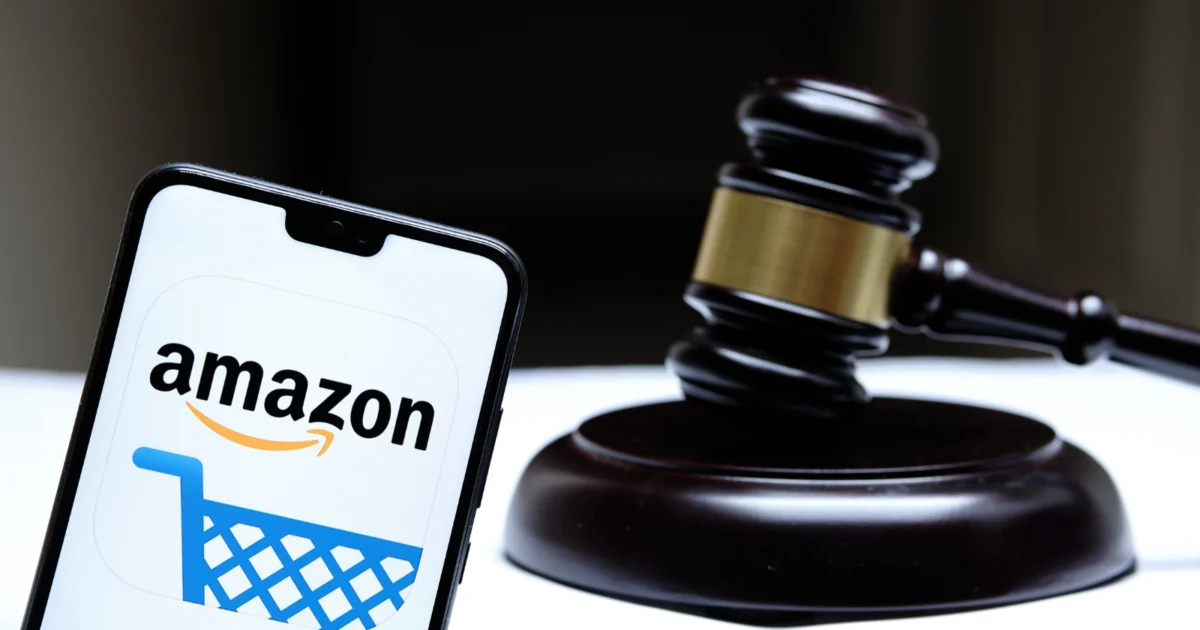
In a development that has sent shockwaves through the digital marketing landscape, the Federal Trade Commission (FTC), joined by a coalition of 22 state attorneys general, has filed a sweeping lawsuit against Amazon. The core of the complaint is as explosive as it is technical: regulators allege that the e-commerce giant secretly manipulated its advertising auctions to overcharge thousands of businesses, generating an estimated $20 billion in additional costs that were never clearly disclosed to the advertisers themselves.
At the heart of the legal battle is a fundamental shift in how Amazon’s advertising engine—a crucial component of the modern retail ecosystem—functions. While Amazon maintains that its modifications were designed to improve efficiency and value, the FTC paints a picture of a "black box" system that allegedly deceived participants by masking the true mechanics of how they were being billed.
The Anatomy of the Allegation: The "Soft Reserve Price"
For years, Amazon’s advertising model was understood by the industry to be a "second-price auction." In this common digital advertising structure, an advertiser sets a maximum bid for a keyword or placement, but they rarely pay that full amount. Instead, they typically pay only one cent more than the next-highest competitor’s bid. This system is designed to encourage aggressive bidding without the fear of paying more than necessary.
However, the FTC alleges that beginning in 2019, Amazon began to fundamentally alter this dynamic by introducing what it terms a "soft reserve price." According to the complaint, this mechanism effectively established an undisclosed minimum floor for ad placements. The FTC contends that this reserve price allowed Amazon to extract higher fees from winning advertisers, even in instances where competitive bidding would have otherwise resulted in a lower price.
The agency’s complaint is particularly pointed regarding Amazon’s internal culture. Regulators claim that Amazon internally referred to this mechanism as an "invented auction participant" and utilized a "proxy 2nd price" to manipulate the final cost paid by the advertiser. By maintaining the facade of a traditional second-price auction while secretly inflating costs through these internal levers, the FTC argues that Amazon misled advertisers about how their budgets were being utilized.
A Chronology of the Discrepancy
The friction between Amazon and its advertisers did not emerge overnight. The evolution of the dispute can be traced through several key phases:
- Pre-2019 (The Traditional Model): Advertisers operated under the standard understanding that their maximum bids were ceilings, and the final Cost-Per-Click (CPC) was determined by the competitive landscape.
- 2019 (The Pivot): Amazon introduced the "soft reserve price." The FTC alleges that this was the point at which the company began to deviate from the established industry norms of auction transparency.
- 2021–2022 (The Escalation): According to data cited in the complaint, the impact of these changes became increasingly visible. While in 2021, Sponsored Products advertisers paid their full bid 30% to 40% of the time, that figure surged to 70% in 2022.
- 2024–2025 (The Regulatory Crosshairs): By 2024, nearly 80% of winning bids were being charged at the maximum bid amount. This shift triggered intense regulatory scrutiny, culminating in the 2025 investigations into both Amazon and Google by the FTC regarding search advertising transparency.
- August 2026 (The Lawsuit): The FTC and the 22-state coalition formally filed their suit, asserting that the cumulative impact of these changes resulted in over $20 billion in hidden costs to advertisers over the preceding years.
The Defense: Amazon’s Argument for "Market Value"
Amazon has mounted a robust defense, characterizing the FTC’s lawsuit as a fundamental misunderstanding of the complexities of modern digital advertising. In an official response, the company argued that the "soft reserve price" is not a tool for overcharging, but rather a mechanism to ensure the market value of ad inventory is accurately reflected.
Amazon contends that its auction model is far more sophisticated than a simple second-price structure. By factoring in "predicted relevance" alongside the bid price, Amazon claims its system protects both the user experience and the advertiser. According to the company, if a winning bid clears the "hard reserve" but falls below the "soft reserve," the advertiser simply pays their bid. They emphasize that in no scenario does an advertiser pay more than the maximum bid they voluntarily submitted.
Furthermore, Amazon has pointed to performance data to counter claims of harm. The company asserts that average winning bids for Sponsored Products actually declined by 50% between 2019 and 2025. By their calculations, after adjusting for inflation, the average Cost-Per-Click remained flat during the period in question, while conversion rates—the ultimate measure of ad success—increased by 24%. Amazon estimates that its relevance-based auction model, including the reserve pricing, actually saved advertisers more than $8 billion between 2021 and 2025.
Broader Context: A Turning Tide for Ad Platforms
The Amazon case does not exist in a vacuum. It represents a significant chapter in the ongoing saga of "ad tech" transparency. For years, major digital platforms have operated with little oversight regarding their internal algorithms, often shielding the mechanics of their auctions as proprietary trade secrets.
This lawsuit follows a pattern of heightened scrutiny across the industry. In 2025, the Department of Justice secured a major victory against Google, with a federal judge ruling that the company had illegally monopolized segments of the ad tech market. While that case focused on publisher ad servers and exchanges, it set a legal precedent that the "black box" nature of advertising auctions is no longer immune to government intervention.
Similarly, the ongoing litigation involving Meta—specifically regarding the "Potential Reach" metric—highlights the growing tension between platforms and the advertisers who fund them. In that case, advertisers argued that Meta provided misleading estimates of audience size, leading to inflated ad spending. The fact that the Supreme Court declined to intervene in that case suggests that the judiciary is increasingly willing to allow advertisers to hold massive tech platforms accountable for their disclosures.
Implications for the Advertising Ecosystem
For the thousands of businesses that rely on Amazon to reach customers, the lawsuit creates a period of profound uncertainty. The immediate recommendation for advertisers is to remain focused on campaign management while preserving all historical data. In litigation of this magnitude, detailed logs of spend, bids, and conversion performance are the primary evidence that will eventually determine if specific advertisers are entitled to damages.
However, the case also highlights a deeper, more structural issue: the dependency of the advertiser on the platform. Advertisers today are often forced to trust the platform’s own reporting tools. As this case progresses, it will likely force a broader industry conversation about the necessity of independent auditing and greater transparency in how auction prices are calculated.
The FTC’s success or failure will hinge on one central question: Did Amazon have an affirmative duty to disclose the technical nuances of its "soft reserve price," and did the failure to do so fundamentally alter the competitive bidding behavior of advertisers?
Looking Ahead: The Long Road to Resolution
The road ahead is expected to be long and contentious. Given the sheer scale of the financial allegations—$20 billion—both sides have immense incentives to fight vigorously. The litigation will likely span years, involving complex expert testimony on economics, auction theory, and data science.
For now, the marketplace remains in a state of watchful waiting. While the courts deliberate, the case serves as a stark reminder to digital advertisers: the systems through which they purchase their presence online are increasingly being treated as public utilities subject to the rule of law. Whether this lawsuit results in a massive settlement, structural changes to Amazon’s advertising business, or a resounding win for the tech giant, the landscape of digital advertising is destined to change. The era of the "opaque auction" is being challenged, and the outcome will define the relationship between the world’s largest retailers and the businesses that rely on them for survival.
