


As the e-commerce sector continues to solidify its role as the backbone of modern retail, the criteria by which consumers judge their online shopping experiences are undergoing a significant transformation. A new industry report from logistics leader Ryder, surveying 1,160 consumers between March 2025 and 2026, reveals that the "race to the bottom" on price—while still a factor—is no longer the sole determinant of brand loyalty. Instead, modern shoppers are increasingly pivoting toward premium unboxing experiences and, more significantly, a demand for demonstrable corporate sustainability.
The Shifting Consumer Mindset: Beyond the Bottom Line
For years, the e-commerce narrative has been dominated by the pursuit of discounts, coupons, and expedited shipping. However, the data from the 2026 Ryder E-commerce Consumer Study suggests a shift in the psychological profile of the average shopper. While economic uncertainty remains a backdrop to retail consumption, consumers are now layering their purchasing decisions with personal values, particularly regarding environmental impact and material integrity.
"Price continues to shape consumer behavior, but it is not acting alone," the report notes. "Consumers increasingly weigh additional factors such as ingredients and materials used in products and packaging."
This shift presents a challenge and an opportunity for retailers. In an increasingly crowded digital marketplace, the ability to differentiate is no longer just about the product itself, but the entire lifecycle of that product—from the moment a customer clicks "buy" to the moment they recycle the cardboard box on their doorstep.
Chronology of Change: Tracking the 2025-2026 Shift
The last 12 months have served as a tipping point for packaging preferences. By comparing 2025 sentiment with the most recent 2026 data, analysts have identified clear trends in how shoppers perceive the physical delivery of their goods.
The Preference for Boxes
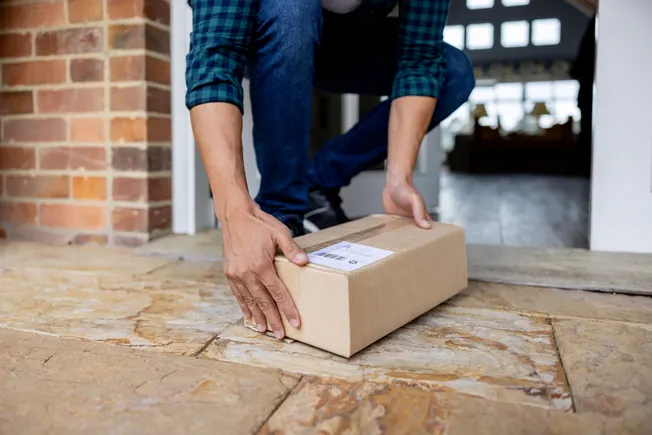
The preference for corrugated boxes over mailer bags remains the dominant trend in logistics. However, the motivation behind this preference has evolved.
- 2025: Protection was the primary driver for box selection. Consumers were largely motivated by the fear of damaged goods during the "last mile" of delivery.
- 2026: While protection remains vital, the "eco-friendly" narrative has surged. The percentage of consumers selecting boxes specifically because they are perceived as more environmentally friendly jumped by six percentage points. Conversely, the focus on transit protection dropped by four points.
The Loyalty Drivers
The "unboxing experience" has shifted from a novelty to a critical retention tool. In 2025, coupons and discounts were the undisputed king of brand loyalty, cited by 47% of consumers as the primary reason for returning to a brand. While discounts still hold the top spot in 2026, their dominance has waned, while sustainability-linked loyalty drivers have seen a marked increase.
Supporting Data: The Packaging Tug-of-War
The Ryder survey highlights a distinct divide in consumer reasoning, which logistics managers must navigate carefully to maintain efficiency and brand sentiment.
Why Shoppers Choose Boxes (2026)
- 32%: Perception of superior transit protection.
- 29%: Convenience for reuse.
- 20%: Belief that cardboard is more "eco-friendly" and easily recyclable.
Why Shoppers Choose Mailer Bags (2026)
- 10%: Ease of disposal.
- 6%: Space-saving efficiency.
- 5%: Reuse potential.
The data suggests a clear trend: consumers are becoming more "eco-conscious" in their reasoning. Even when choosing mailer bags, the emphasis on ease of disposal versus the potential for environmental impact is being scrutinized. As Jeff Wolpov, Ryder’s senior vice president of e-commerce and last mile, notes, the perception of recyclability is a massive psychological advantage for corrugated materials. "Even though bags are fairly durable, they do not provide the same amount of protection in transit," Wolpov observes, reinforcing that the "box" remains the gold standard for both safety and brand perception.
Official Perspectives: The Strategic Vision of Ryder
Jeff Wolpov emphasizes that the modern retail landscape is unforgiving. "Being able to meet the consumer where they are, and understand what’s important to that consumer, and reward good behavior, it goes a long way today—especially in a very competitive landscape," he says.
For Wolpov and his team, the takeaway is clear: the unboxing experience is a brand’s physical touchpoint with the customer. A flimsy mailer bag is often discarded without a second thought, whereas a well-designed box creates a tangible moment of engagement. By aligning that moment with sustainable practices, brands are effectively "buying" loyalty that transcends the temporary allure of a discount code.
Implications for the Future of Retail
The findings of the 2026 study carry significant weight for brands looking to future-proof their supply chains. The implications can be categorized into three distinct strategic pillars:
1. The Sustainability Mandate
Sustainability is no longer a "nice-to-have" marketing buzzword; it is a driver of repeat business. The study explicitly notes that consumers are increasingly willing to pay a premium for brands that demonstrate a genuine commitment to environmentally friendly packaging. This suggests that the cost of transitioning to more sustainable materials—such as biodegradable fillers or recycled corrugated cardboard—can be offset by increased customer lifetime value.
2. The Rise of "Returnless Refunds"
Perhaps the most intriguing finding in the report is the overwhelming support for "returnless refunds." Approximately 67% of respondents indicated they are more likely to shop with a brand again if they are granted a refund without the hassle of a return.
This policy serves a dual purpose. From a customer service perspective, it removes friction. From a sustainability perspective, it eliminates the carbon footprint associated with reverse logistics—the process of shipping a product back to a warehouse, inspecting it, and restocking it. As Wolpov explains, "They feel as if it’s environmentally friendly; you care more about the environment than shipping again and utilizing the carbon footprint to get goods back in a new box."
3. Redefining the Unboxing Experience
The unboxing experience is evolving into a holistic brand statement. Brands that prioritize the "unboxing" as a tactile, premium event are finding higher success rates in customer retention. This does not necessarily mean expensive packaging, but rather packaging that reflects the values of the consumer. If a customer values sustainability, a box that is easy to collapse, recycle, or reuse is inherently more "premium" than a non-recyclable plastic poly-mailer.
Conclusion: Adapting to a Value-Driven Market
The 2026 Ryder report serves as a wake-up call for e-commerce retailers who have relied solely on price-cutting strategies to capture market share. While the economic realities of the modern shopper cannot be ignored, the data confirms that consumers are becoming more sophisticated and value-aligned in their choices.
Retailers who successfully bridge the gap between efficiency and environmental stewardship are the ones most likely to thrive. By embracing sustainable packaging, optimizing for the "unboxing" moment, and simplifying the returns process through innovative policies like returnless refunds, brands can build a level of loyalty that is far more resilient than one built on discounts alone.
As we move deeper into the next half of the decade, the winners of the e-commerce war will not necessarily be those with the fastest shipping or the lowest prices, but those who best understand the evolving personal values of the people on the other side of the screen. In this new era, the box is not just a container; it is a conversation.
