





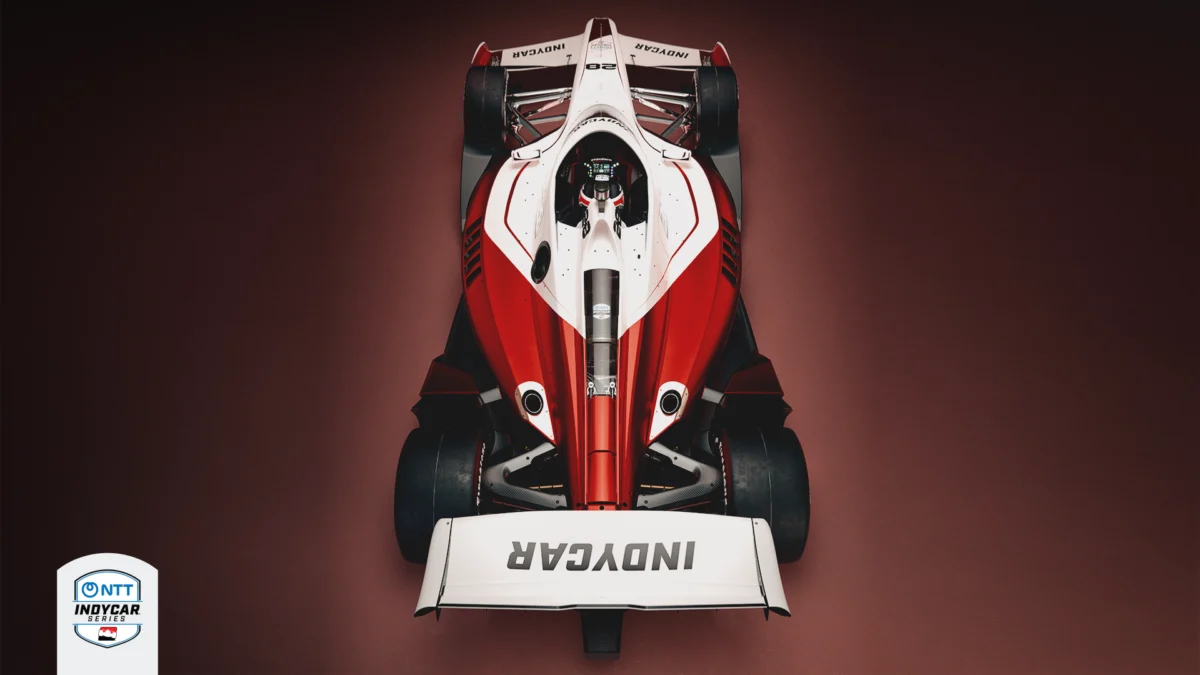
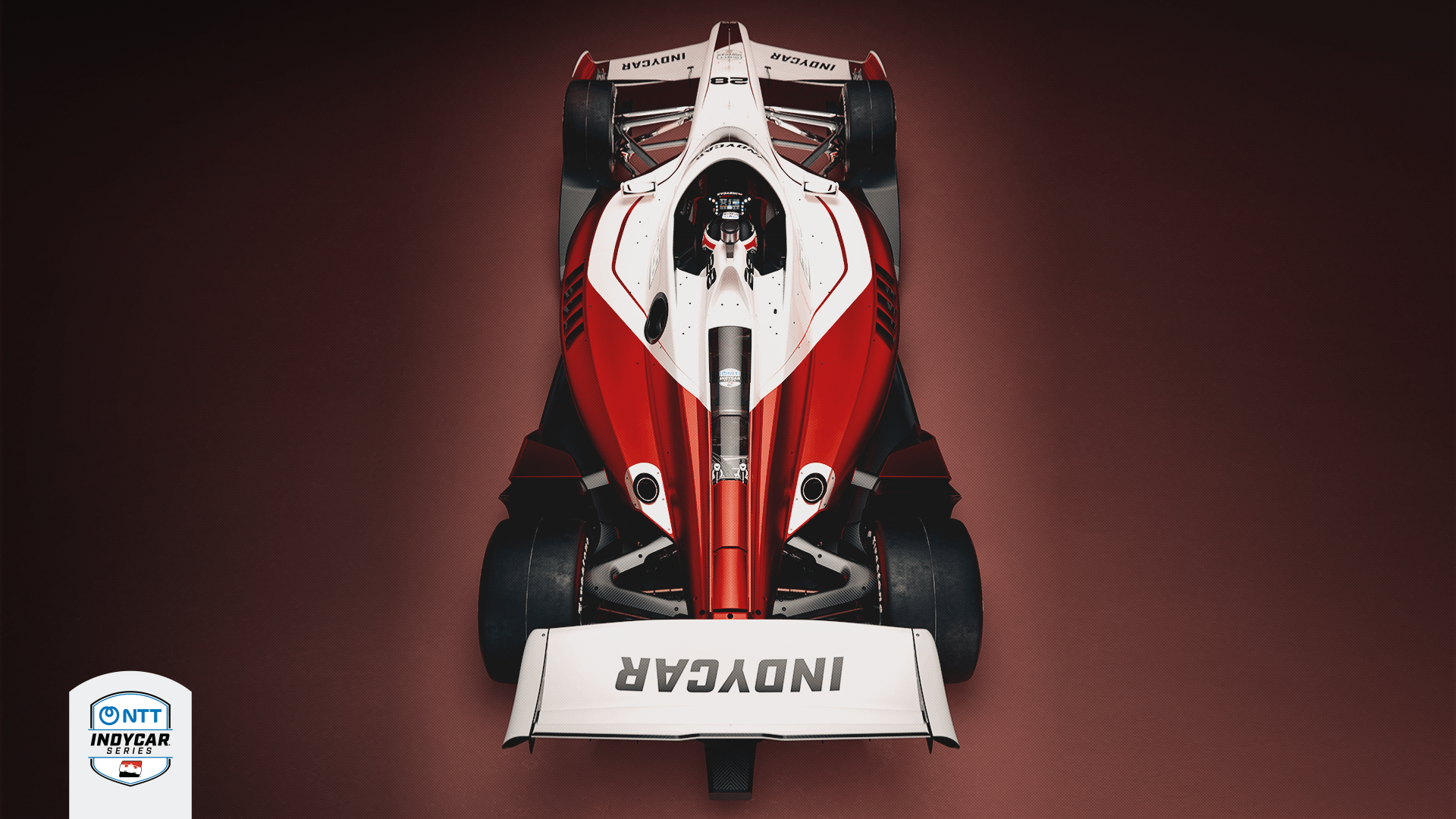
The landscape of American open-wheel racing is poised for its most significant transformation in over a decade and a half. This week, IndyCar officially unveiled the digital renderings of the IR28, the successor to the venerable DW12 platform that has defined the series since 2012. While the current car—known as the IR18—has served as a rugged and reliable workhorse, the introduction of the IR28 represents a clean-sheet approach to engineering, safety, and racing dynamics. Designed by the Italian firm Dallara, the IR28 is intended to debut at the opening round of the 2028 season, marking a new era of technical sophistication for the NTT IndyCar Series.
The Evolution of the Platform: From DW12 to IR28
To understand the magnitude of the IR28, one must appreciate the legacy of the chassis it replaces. The DW12, named in honor of the late, beloved driver Dan Wheldon, became the bedrock of the series. Throughout its lifecycle, the platform underwent various aerodynamic evolutions, most notably the transition to the universal aero kit and the eventual integration of the Aeroscreen. However, the IR28 is not merely an iteration; it is a ground-up redesign.
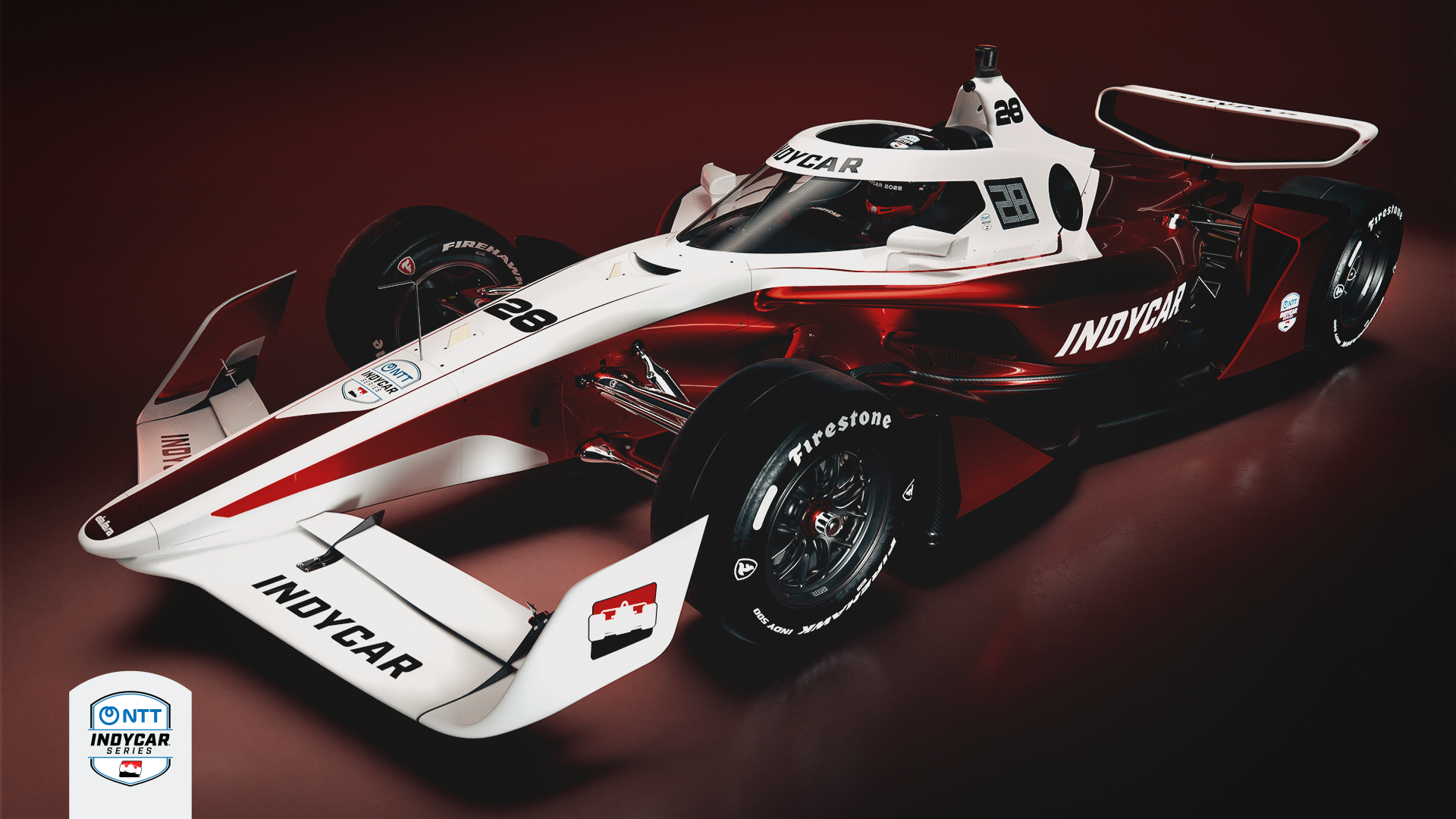
Dallara, which maintains a massive research and development footprint in Speedway, Indiana, in addition to its headquarters in Italy, has spent years conceptualizing a chassis that accounts for the modern realities of hybrid powertrains and enhanced driver safety requirements from the very first line of CAD code. By designing the chassis with the Aeroscreen as a core, integrated element rather than an aftermarket addition, engineers have achieved a level of visual and structural cohesion that was impossible with the previous generation.
Chronology: A Roadmap to 2028
The journey to the IR28 has been a deliberate, multi-year process involving constant dialogue between the league, engine manufacturers, and Dallara.
- Mid-2024: Initial conceptual frameworks for the next-generation chassis are established, with a focus on weight reduction and hybridization.
- May 2026: Formal collaboration intensifies. Engine suppliers Honda and Chevrolet are given a seat at the table, ensuring that the new chassis architecture supports the next generation of 2.4-liter hybrid V6 powerplants.
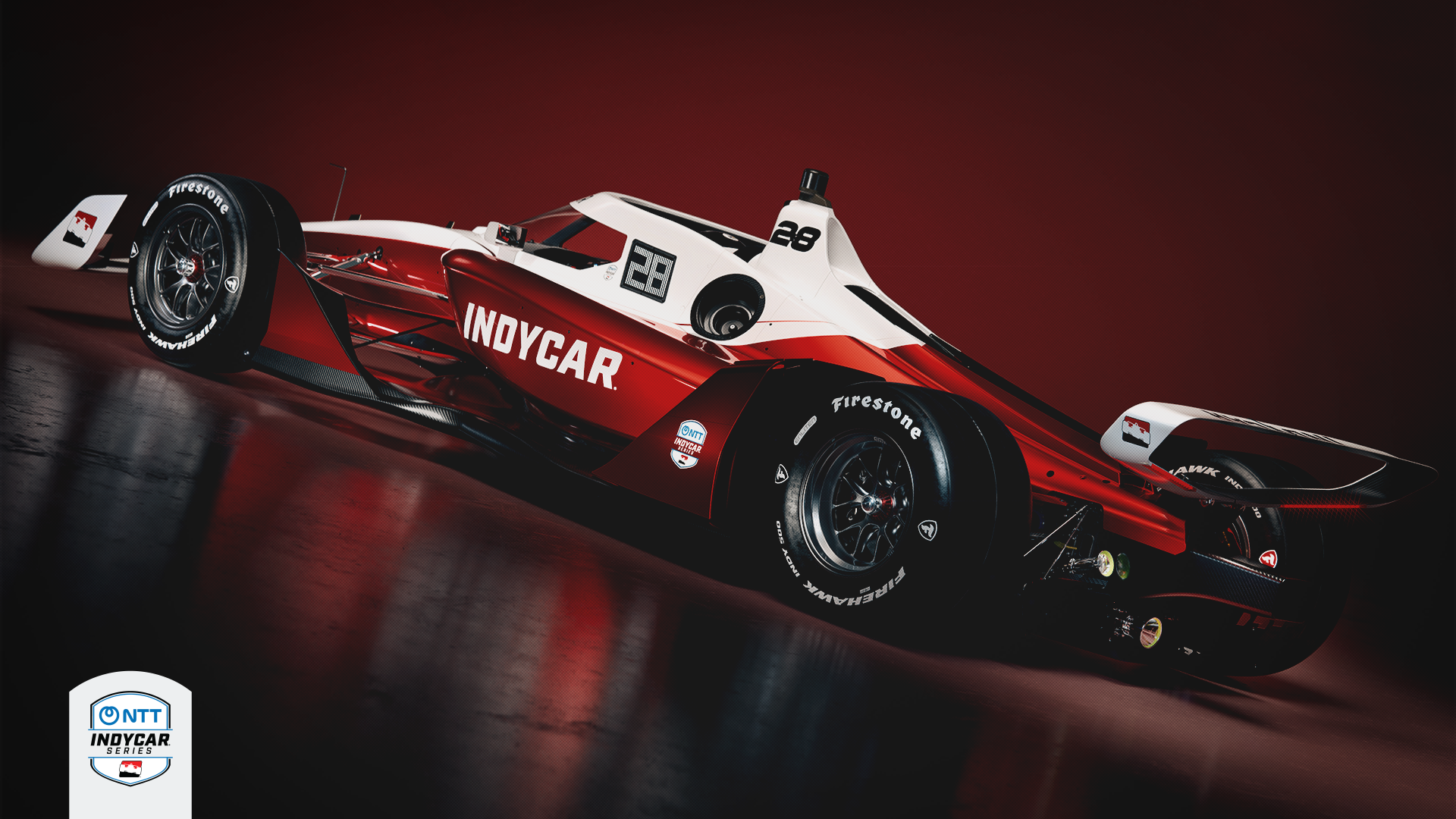
- July 2026: IndyCar releases the first official studio renderings of the IR28, showcasing both superspeedway and road course configurations.
- Late July 2026: On-track prototype testing commences. This marks the transition from digital simulation to physical validation, where data on tire degradation, downforce, and hybrid deployment will be gathered.
- 2027: A year of rigorous testing and refinement, where teams will receive development mules to begin understanding the new suspension and chassis dynamics.
- Early 2028: Competitive debut at the season opener.
Supporting Data: Engineering a Lighter, Faster Future
One of the primary mandates for the IR28 project was to reverse the "weight creep" that has affected nearly every major racing series over the last decade. IndyCar has reported that the car is roughly 100 pounds lighter than the outgoing package, a massive achievement in the world of high-performance racing.
This weight savings is achieved through a combination of lightweight materials and a completely redesigned drivetrain. The new hybrid system shifts from the previous supercapacitor-based design to a traditional battery-hybrid setup. This new unit provides approximately 14 times the battery capacity of the current system, offering teams more strategic options for energy deployment. Crucially, the hybrid unit itself is 20 pounds lighter than the previous iteration.
Furthermore, the integration of a new Xtrac transmission has shed an additional 25 pounds from the rear of the car. When paired with the structural efficiencies of a chassis designed for the Aeroscreen from day one, the IR28 promises to be more nimble and responsive.
Suspension and Technology
The IR28 introduces the "Custom AXIS Inertance Control Suspension System." This sophisticated setup is designed to give engineers unprecedented freedom in tuning, allowing for more granular adjustments to accommodate the wide variety of circuits IndyCar visits—from the high-speed banks of Indianapolis to the tight, bumpy streets of Long Beach. Additionally, the car will feature a side-mounted display next to the Aeroscreen, providing live position data to fans and teams, a direct integration of technology that mirrors the visibility improvements seen in the IMSA SportsCar Championship.
Official Responses and Manufacturer Synergy
The development of the IR28 is a collaborative triumph. As noted in recent briefings, IndyCar has been in constant communication with its engine partners. For Honda and Chevrolet, the chassis isn’t just a shell; it is the environment in which their proprietary technology must perform. By involving the manufacturers early, IndyCar has ensured that the IR28 isn’t just "a car," but a vehicle optimized for the specific torque curves and thermal requirements of their hybrid V6 engines.
"The goal," says an internal project lead, "was to ensure that the car’s architecture didn’t stifle innovation." The involvement of these manufacturers is also a strategic move to potentially court a third OEM, as the open-architecture nature of the chassis provides a flexible canvas for future power unit integration.
Implications for the Sport: The Quest for "Clean Air"
Perhaps the most exciting aspect of the IR28 for the casual fan is the promise of better racing. The design team has placed a heavy emphasis on aerodynamic efficiency and the mitigation of "dirty air." By refining the wake structure behind the car, IndyCar aims to allow drivers to follow each other more closely through high-speed corners.
The renderings clearly show a focus on low-drag, high-downforce versatility. While no specific drag-coefficient or downforce-to-drag ratios have been released, the silhouette of the car suggests a significant reduction in the turbulence-inducing elements that plagued the previous generation of aero kits.
The Human Element
Beyond the mechanical, the IR28 is a statement about the series’ commitment to the driver. The transition to a car built around the Aeroscreen means better visibility, better cockpit cooling, and a more robust safety cell. It signals that while IndyCar is embracing the future of electrification and data-driven racing, the priority remains the safety of the pilot.
Conclusion: The Long Road Ahead
As the first prototype hits the track this week, the industry will be watching closely. The transition to the IR28 is not merely a change of parts; it is an evolution of philosophy. By shedding weight, integrating the hybrid system into the very heart of the design, and focusing on aerodynamic parity, IndyCar is setting the stage for a highly competitive, technologically advanced future.
The renderings are merely the start of a long journey. Over the next 18 months, the data gathered from the track will inform the final specifications of the car that will grace the grid at the 2028 season opener. For fans, it is a tantalizing glimpse at a future where speed, strategy, and engineering prowess converge to keep IndyCar at the pinnacle of global motorsport.
What the IR28 signifies, above all else, is that IndyCar is not content to rest on its laurels. It is a series looking forward, daring to innovate, and preparing to turn the page on one of the most successful chapters in its history to write something even faster.
