





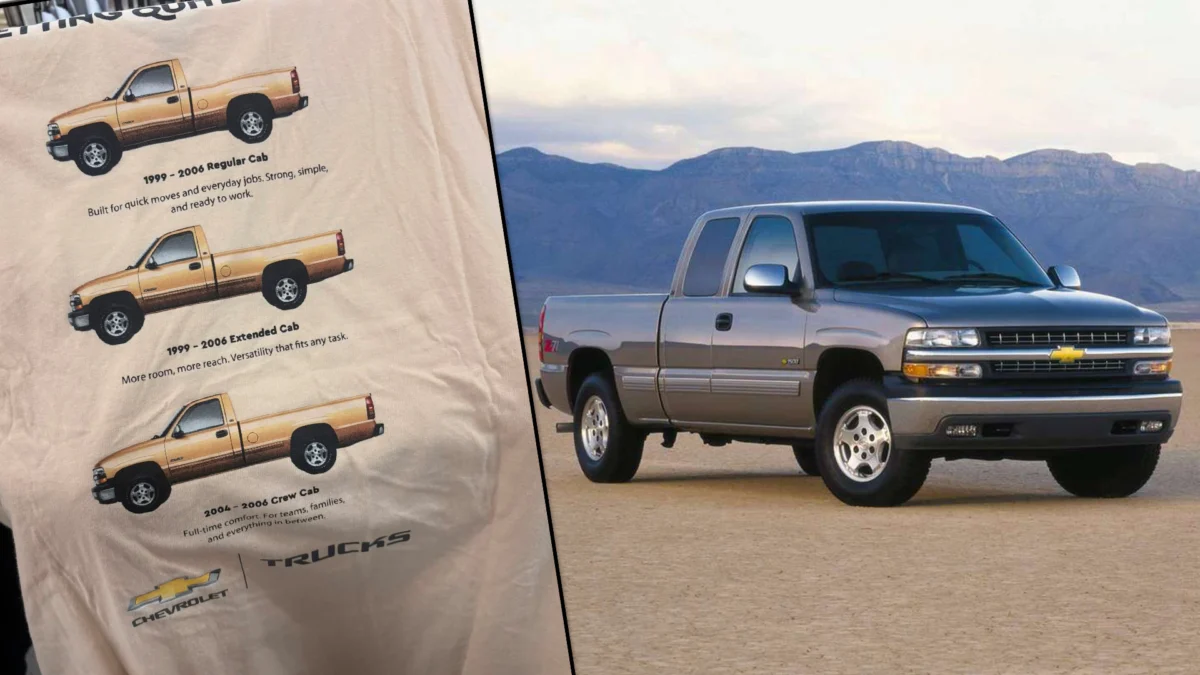
In the modern retail landscape, the intersection of rapid-fire manufacturing and generative artificial intelligence has birthed a peculiar, often hilarious, and occasionally frustrating phenomenon: the "AI slop" apparel trend. Nowhere is this more apparent—or more jarring to automotive enthusiasts—than in the recent influx of low-quality, AI-generated t-shirts featuring classic Chevrolet trucks appearing on the racks of major discount retailers like TJ Maxx and Marshalls.
For the legions of fans dedicated to the GMT800-platform Silverado, these shirts represent more than just a bad fashion choice; they are a symptom of a larger, systemic issue within the garment industry, where algorithmic efficiency is prioritized over mechanical accuracy, cultural reverence, and basic common sense.
The Anatomy of an AI Blunder
The controversy began when sharp-eyed enthusiasts within online communities, such as the "GMT800s With Threatening Auras V2" Facebook group, began spotting shirts that were allegedly "officially licensed" by Chevrolet. At a glance, they feature familiar silhouettes of iconic Chevy trucks. Upon closer inspection, however, the images fall apart under the weight of AI’s inability to grasp fundamental automotive engineering.
One particularly egregious design, brought to light by enthusiast Cameron E. Schmidt, attempts to showcase the evolution of the Silverado cab configuration. The graphic features three trucks labeled "regular cab," "extended cab," and "crew cab." The glaring error? Every single truck depicted possesses only two doors. The AI generator, clearly struggling to differentiate between cab styles, merely adjusted the bed length to distinguish the three models.
For a community that prides itself on knowing the difference between a GMT800’s torsion-bar suspension and a later model’s coil-over setup, this is the equivalent of a slap in the face. It reveals a profound lack of human oversight in the design process—a "print-it-and-ship-it" mentality that treats automotive heritage as nothing more than pixelated content to be fed into a fast-fashion machine.
Chronology of the "Slop" Surge
The emergence of these shirts is not a localized incident but part of a broader, months-long proliferation of low-quality merchandise.
- June 22, 2026: The earliest identified sighting of the problematic merchandise was posted to the "GMT800s With Threatening Auras" community. Users immediately began mocking the anatomical impossibilities of the vehicles depicted.
- Early July 2026: Reports of the shirts began surfacing in physical retail locations, specifically TJ Maxx and Marshalls. These stores, known for their "treasure hunt" inventory model, appear to be primary distribution points for these mass-produced, AI-generated items.
- Mid-July 2026: Public discourse reached a fever pitch as more enthusiasts shared photos of shirts featuring nonsensical typography, morphed body lines, and, in some cases, historically inaccurate configurations that were never manufactured by General Motors.
- Present: The community remains in a state of bemused outrage, with many members treating the shirts as a form of "so-bad-it’s-good" irony, while others lament the degradation of the Chevrolet brand’s image on apparel.
The Decline of Authenticity in Automotive Apparel
The apparel industry is currently drowning in a sea of overproduction. The environmental and economic impact of fast fashion has been well-documented, but the addition of AI-generated content has introduced a new layer of "junk."
Historically, automotive shirts were designed by artists who understood the machines. They captured the nuance of a fender flare, the exact spacing of a grille, or the specific angle of a windshield. These designers were often gearheads themselves. In contrast, the current crop of AI-generated designs lacks this human connection.
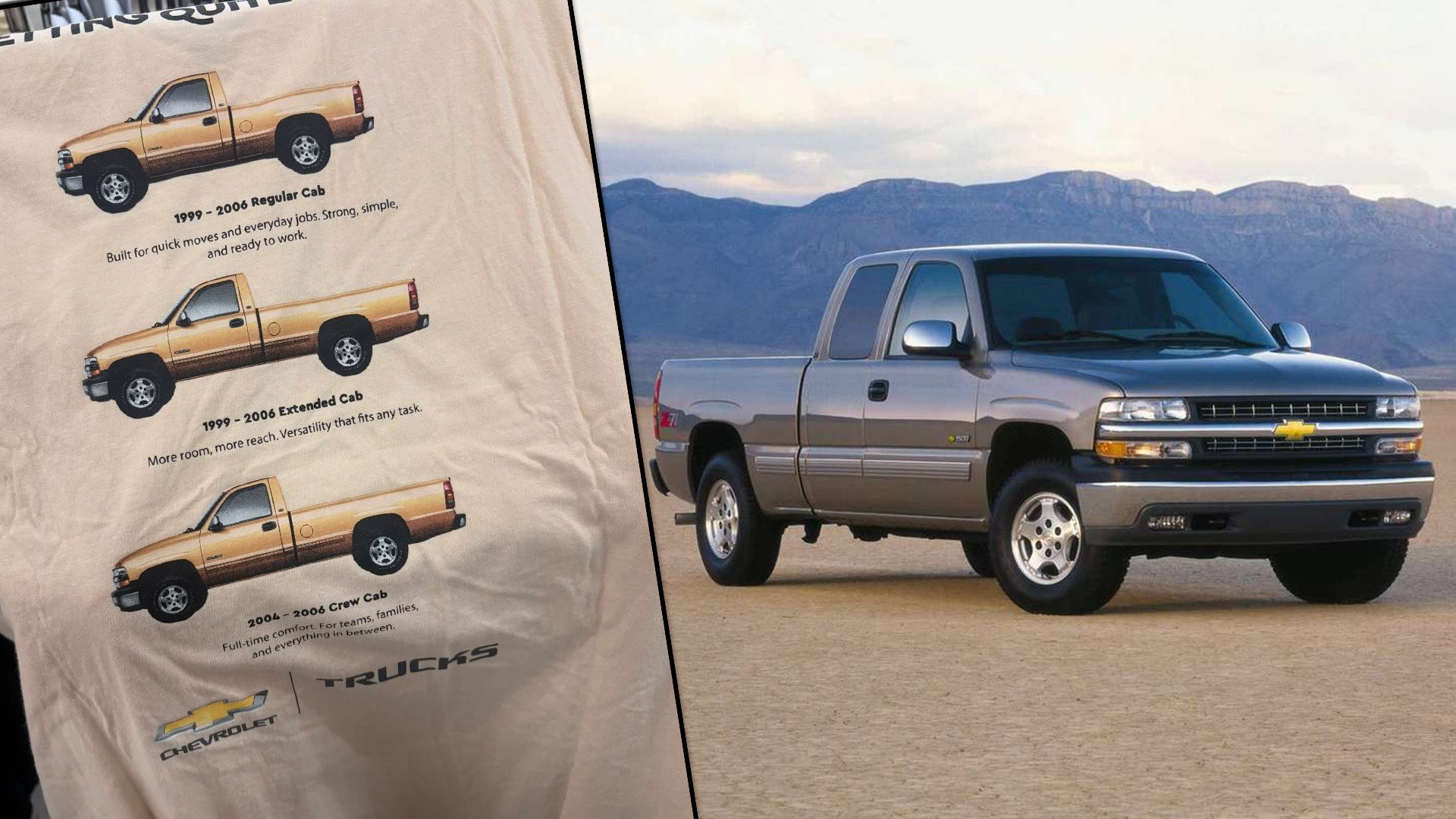
When a design is generated by an AI, it is essentially a statistical average of millions of images it has been trained on. It lacks the ability to distinguish between a functional design element and a visual artifact. This is why we see "crew cabs" with two doors; the AI understands that a "truck" has a bed and a cab, but it does not understand the mechanical relationship between door count and cabin capacity.
Official Responses and Corporate Accountability
The question of "official licensing" remains the most contentious aspect of this saga. Many of these garments feature logos that imply an authorized partnership with General Motors. However, the quality control—or lack thereof—suggests that the vetting process for these designs may be virtually non-existent.
As of this writing, Chevrolet PR has been contacted regarding the licensing of these specific designs and the potential for a recall or a cessation of production for these specific garments. While major corporations are often insulated by layers of third-party licensing agreements, the appearance of these shirts at national retailers suggests a failure in the brand protection pipeline.
When a legacy brand like Chevrolet—a company that has spent decades building its reputation on the "Like a Rock" image of reliability and American grit—is reduced to a distorted, AI-generated caricature on a ten-dollar clearance rack, it risks cheapening the actual vehicles that enthusiasts have spent years maintaining and restoring.
Implications for the Future
The "AI Slop" shirt phenomenon serves as a warning for the future of brand identity. If corporations continue to outsource creative output to algorithms without human review, they risk losing the very "soul" that their customers identify with.
For the GMT800 community, these shirts have become a litmus test. There is a divide between those who are legitimately offended by the disrespect shown to the platform and those who view the shirts as a hilarious, ironic souvenir of the "AI Era."
However, the long-term implications are more serious. If retailers continue to flood the market with cheap, inaccurate, and soulless merchandise, it will inevitably lead to a devaluation of the "officially licensed" label. Consumers, already fatigued by the ubiquity of AI content, may begin to steer clear of official apparel altogether, opting instead for community-created, high-quality gear that reflects a genuine understanding of the vehicles they love.
Conclusion: A Call for Human Craft
The era of the AI-generated graphic tee is, for now, a comical footnote in the history of automotive culture. It highlights the absurdity of our current technological moment—a time where we have the tools to create anything, yet we seem to have lost the desire to create anything well.
The GMT800 Silverado is a workhorse, a legend of the road that has earned its place in history through millions of miles of actual, real-world service. It deserves better than to be rendered by a machine that doesn’t know the difference between a door and a window. As the automotive world moves forward, one can only hope that retailers and manufacturers recognize that, in the world of car culture, there is no substitute for the human touch. Until then, the "AI slop" will continue to populate the racks—and the gearheads will continue to laugh, point, and keep their wallets closed.
Got a tip or question for the author? Contact them directly: [email protected]
