


For decades, the American automotive enthusiast community existed in a state of perpetual anticipation. The prospect of a mid-engine Chevrolet Corvette—a long-rumored departure from the traditional front-engine, rear-wheel-drive architecture—was the "holy grail" of domestic performance. When the C8 Stingray finally debuted in 2020, it didn’t just meet expectations; it shattered them, offering supercar-level performance for a fraction of the cost.
However, the rapid rise of the C8 was punctuated by a tragedy that few enthusiasts were aware of at the time. In the shadow of the Bowling Green Assembly Plant, a quiet, methodical process of destruction was underway. More than 100 factory-fresh Corvettes, each a testament to years of engineering labor, were systematically dismantled and turned into scrap. This is the untold story of the C8 Corvette salvage operation.
A Catastrophe in Bowling Green
The saga began on December 10, 2021, when a massive, violent tornado system tore through Kentucky. The storm, which caused widespread devastation, did not spare the General Motors Bowling Green Assembly Plant. The facility, which serves as the exclusive birthplace of every Corvette, sustained significant structural damage.
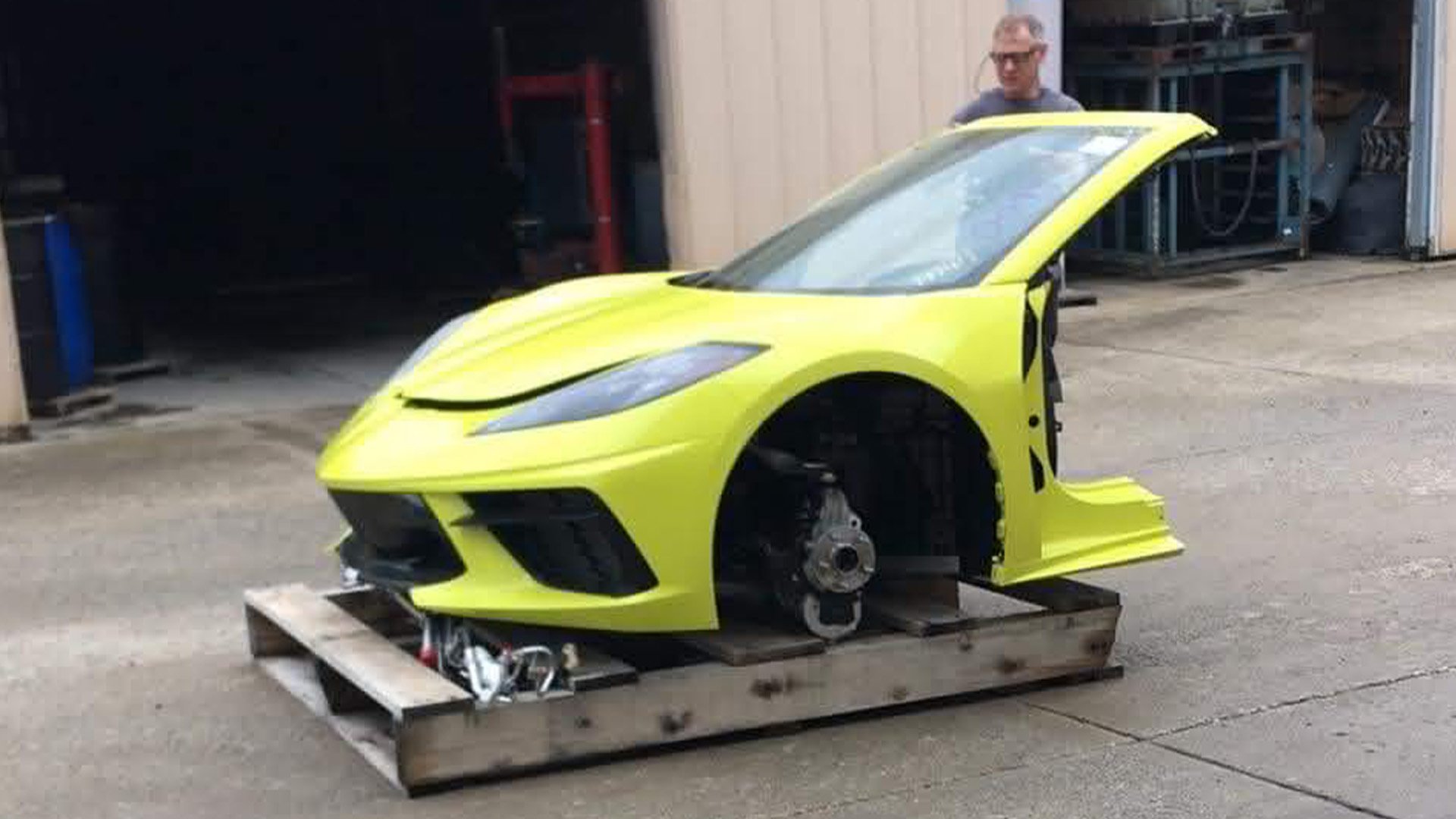
While the plant’s resilience—resuming production just 11 days later—became a story of corporate triumph, the aftermath within the facility was grim. The tornado caused a fire inside the plant, and while the building was saved, the inventory within its walls was not. Dozens of vehicles in various stages of completion were exposed to fire, debris, and structural collapse. For GM, there was no alternative: the safety and quality standards required to badge a car as a "Corvette" were compromised. These vehicles could not be repaired, and they certainly could not be sold.
The Journey to the Scrapyard
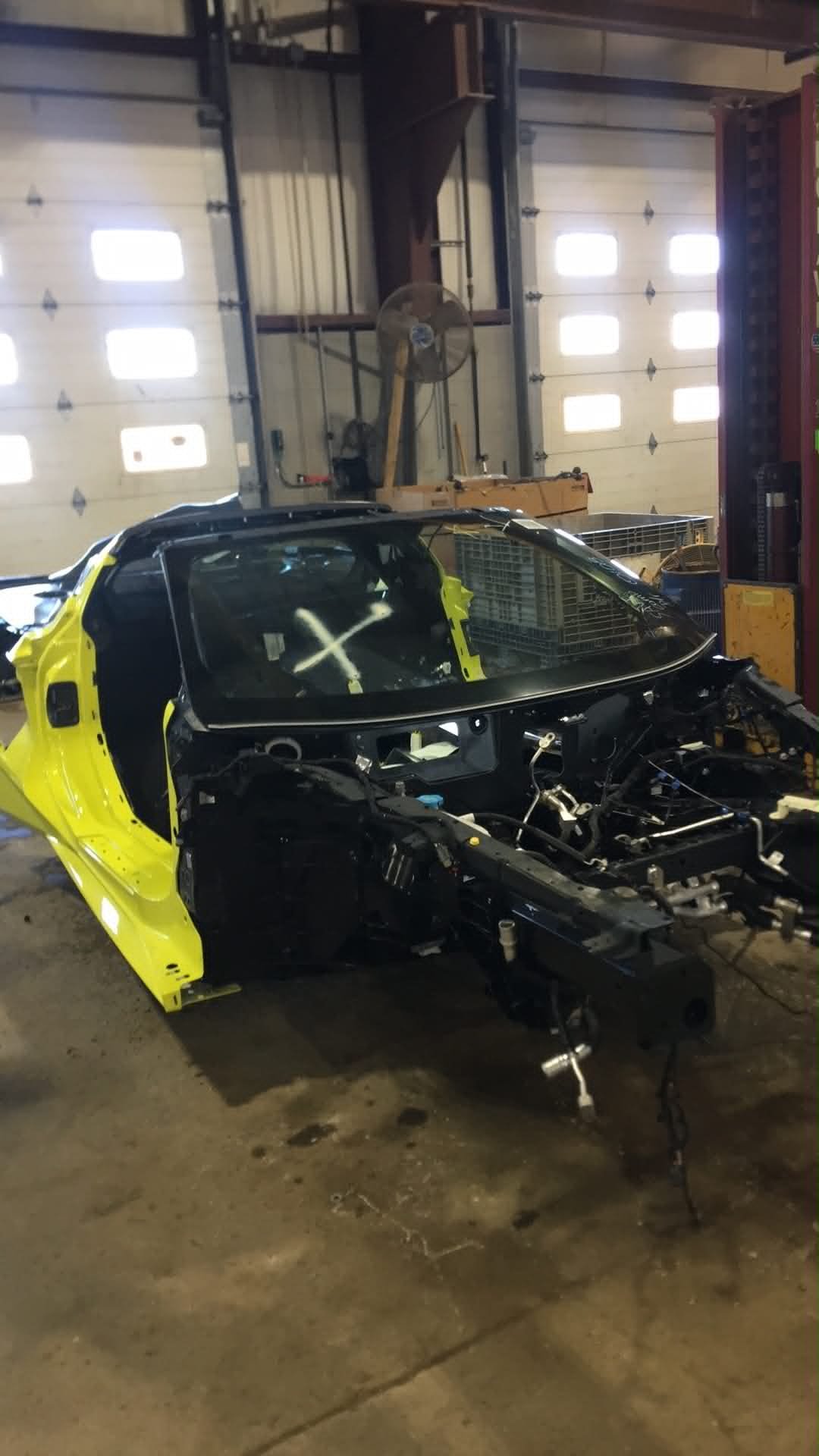
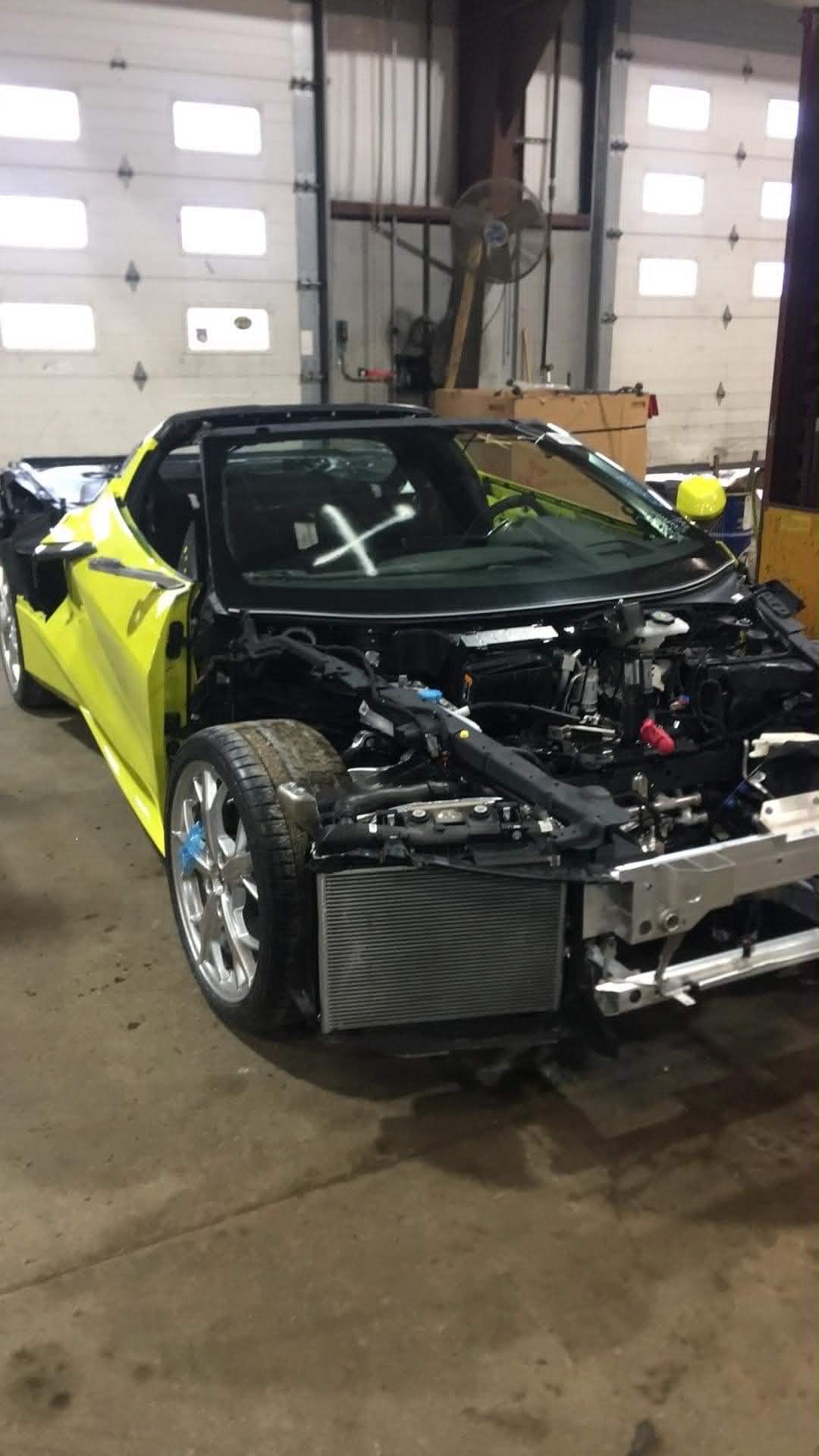
The vehicles were not quietly crushed in the dark of night; they were transported to Stricker Auto Parts in Batavia, Ohio, a facility tasked with the grim reality of decommissioning the fleet.
Brandon Woodley, who worked as a dismantler at the facility at the time, recalls the surreal nature of the arrival. "I had seen them in pictures, but I had never even seen one in person," Woodley shared in an interview. "And then they come in and say, ‘All right, get to cutting.’"
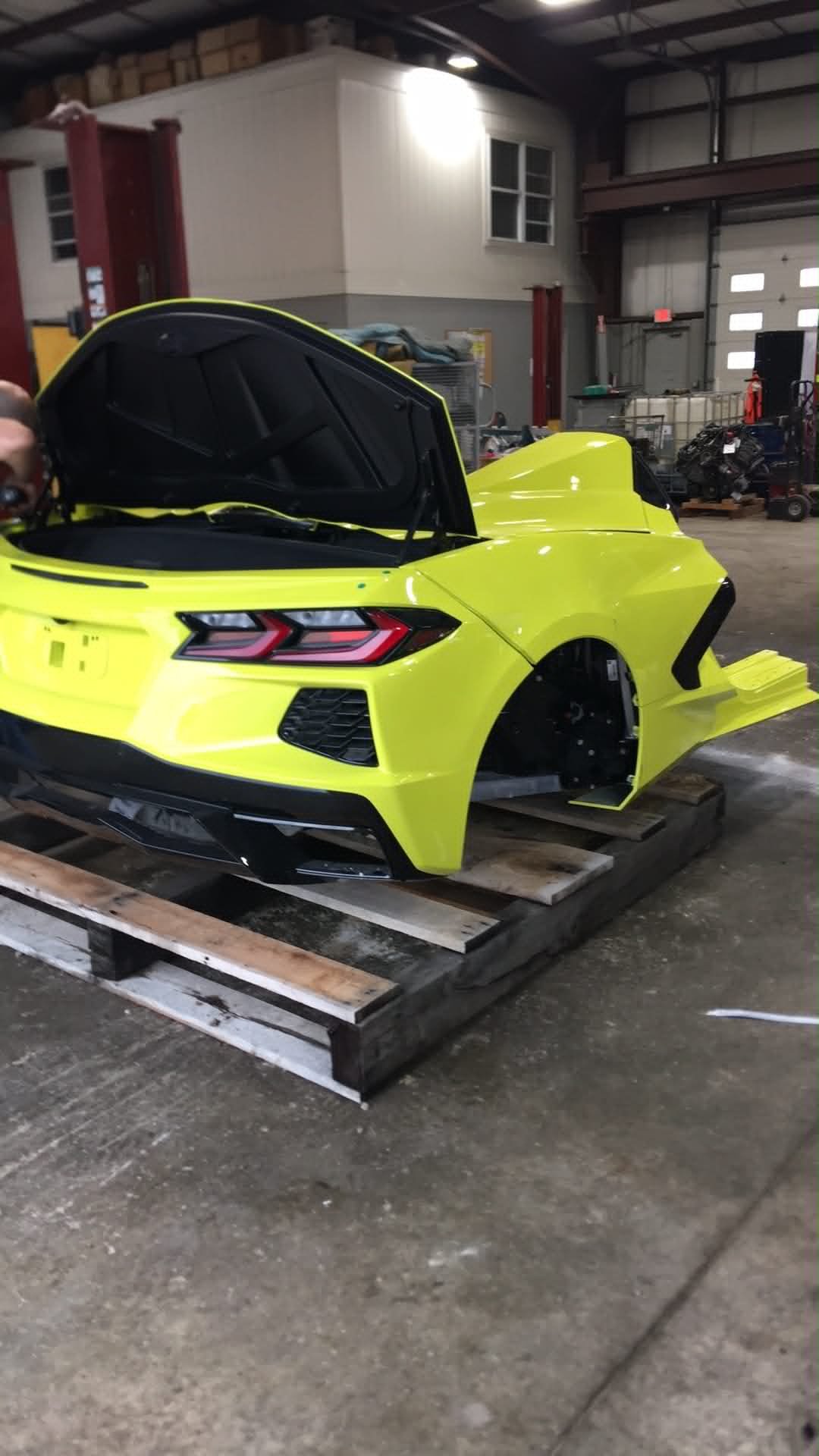
For a car enthusiast, the experience was visceral. The vehicles arrived on professional car haulers, looking for all the world like they were bound for a dealership showroom. To the casual observer, many of these Stingrays appeared to be in near-perfect condition. Woodley noted that, from his perspective on the shop floor, the damage to many of the units was remarkably minimal. Yet, the mandate from the manufacturer was absolute.
The Mechanics of Decommissioning
The destruction of a modern vehicle is a highly regulated and systematic affair, especially when that vehicle is a high-performance machine like the C8. The goal was twofold: ensure that no compromised structural components could ever find their way back into the retail market, and protect General Motors from the liability of a "rebuilt" vehicle failing on the road.
The Protocol of Destruction
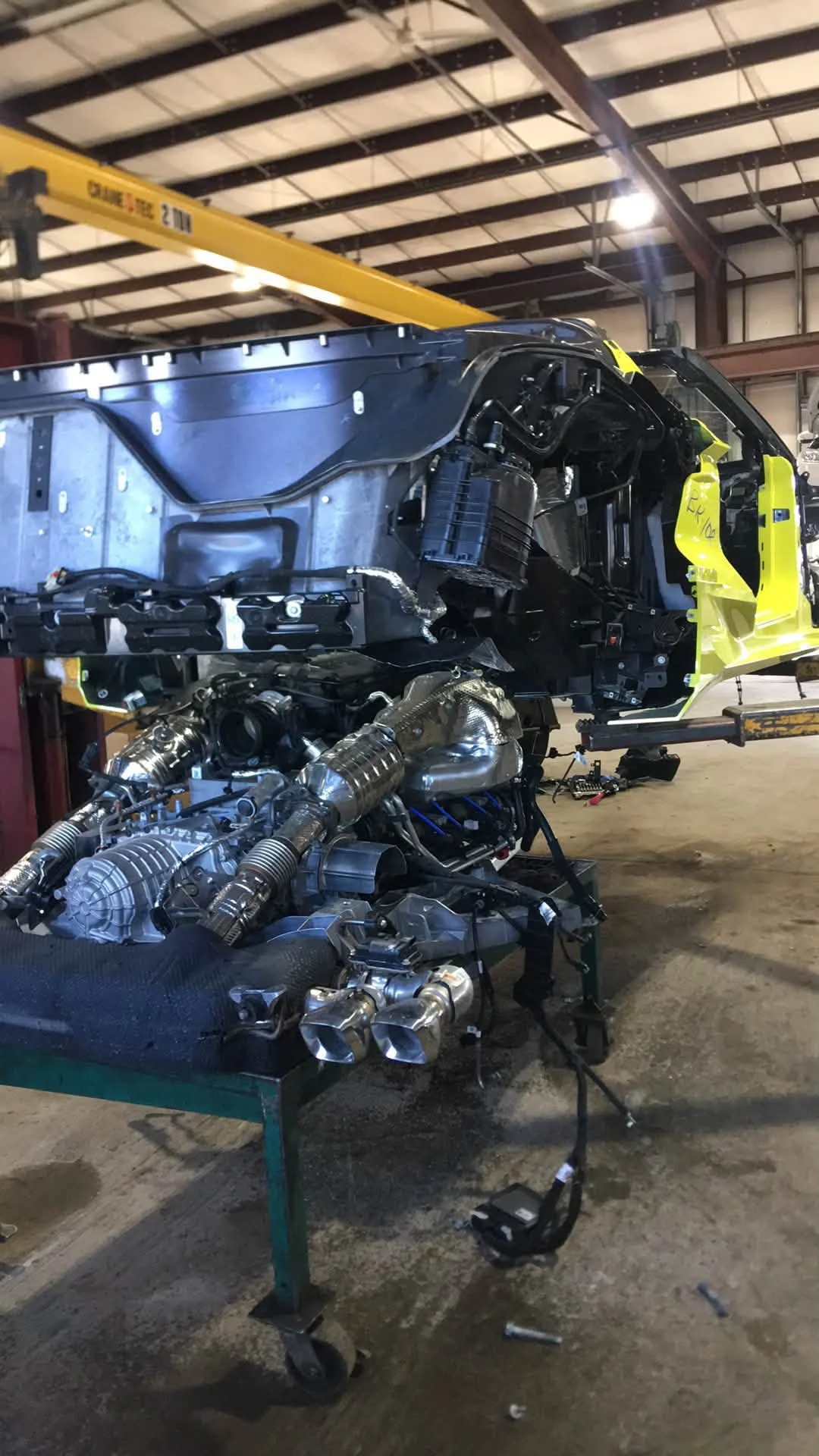
The process at Stricker Auto Parts was precise. Employees were instructed to:
- Remove all identification: Every VIN (Vehicle Identification Number) was physically removed and destroyed to ensure the vehicle’s identity was permanently purged from the system.
- Structural compromise: To prevent the temptation of a "rebuild," the body shells were cut in half. This effectively rendered the monocoque structure useless for any future automotive application.
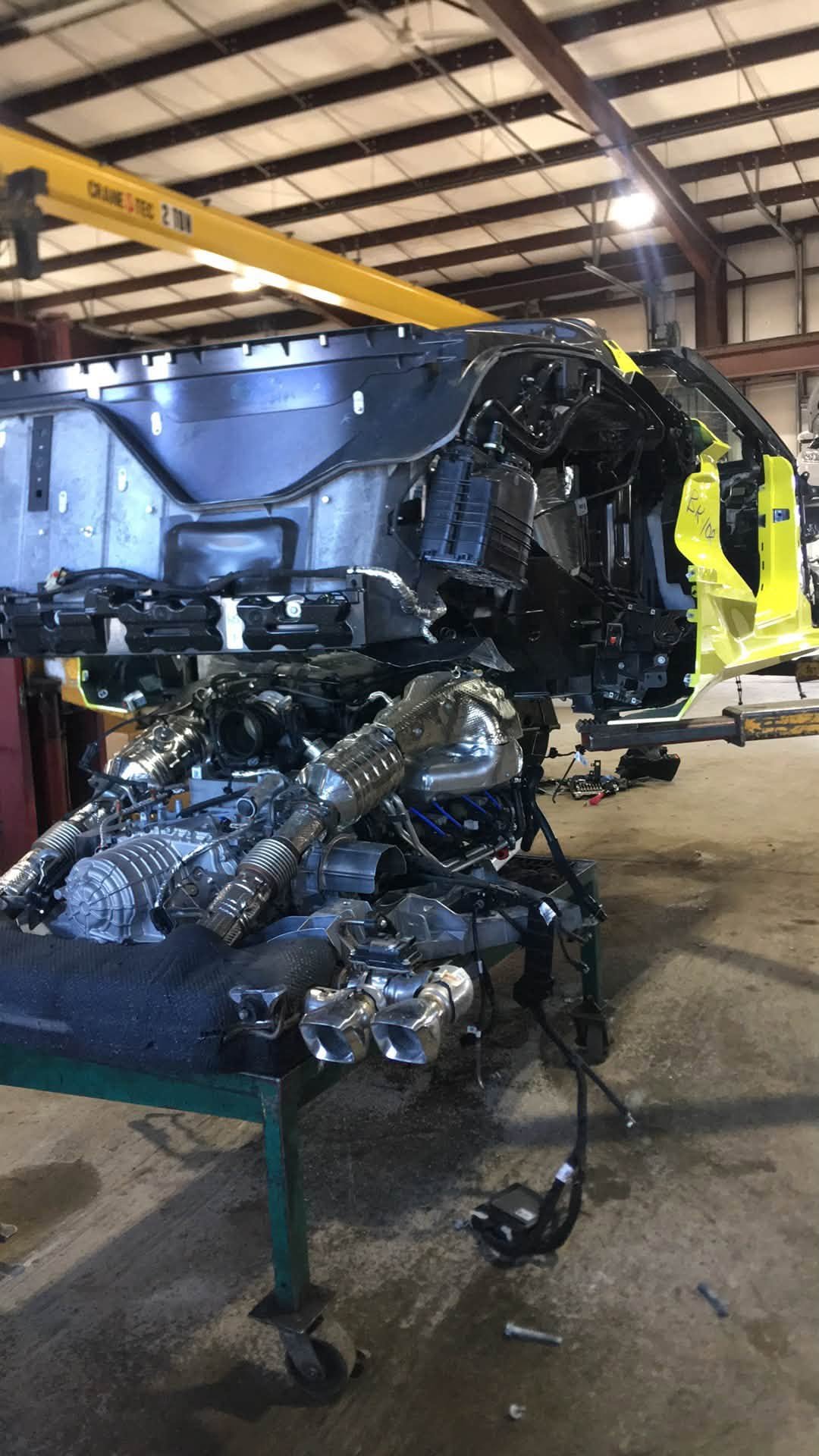
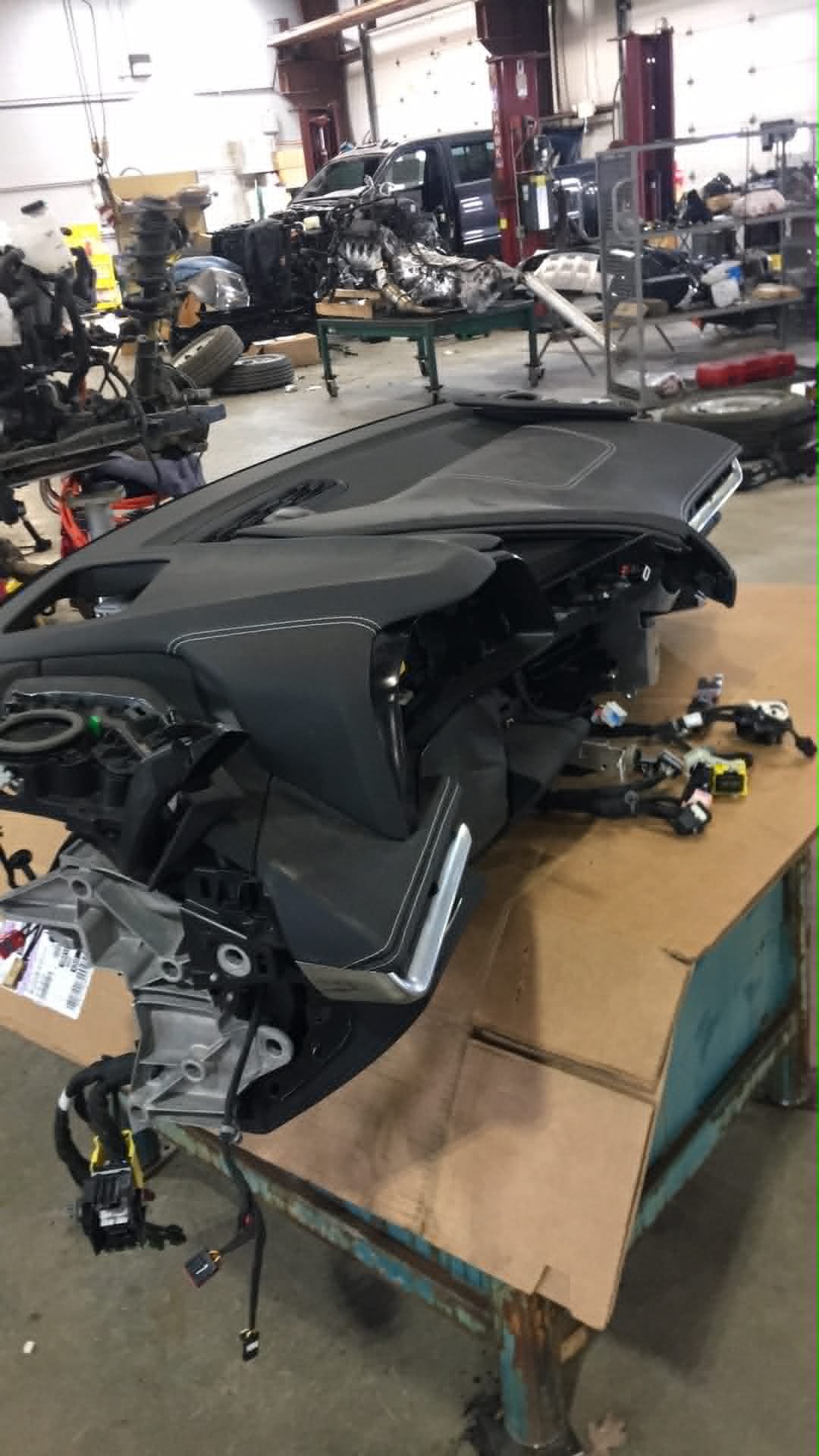
- Component recovery: Not everything was destined for the crusher. Certain mechanical components, specifically the drivetrains and various sub-assemblies, were meticulously tagged, bagged, and sent back to GM for analysis and internal use.
"They would drain all the fluids out, and then they’d come to me," Woodley explained. "They’d hand me a stack of tags of what they wanted off, and I would pull every single thing off and put all the bolts for it in little baggies and tag it up and send it out."
Official Stance and Corporate Accountability
The decision to scrap these vehicles was a significant financial hit for General Motors, but it was a necessary one. In an era of increasing vehicle complexity, the integrity of the chassis and the safety of the electronics are paramount.
When contacted for comment regarding the fate of these parts, a General Motors spokesperson was categorical: "Vehicles damaged by the December 2021 storm were scrapped. No parts from these vehicles were used in new builds. Despite significant damage to the plant in the storm, the Bowling Green Assembly team rallied to resume normal production 11 days later with the full standard of quality owners expect."
This confirmation highlights a critical aspect of automotive manufacturing: the "DNA" of a car is tied to its production environment. By refusing to reintegrate parts from the fire-damaged cars into new production, GM maintained the integrity of the Corvette brand.
The "What If" Factor: Implications for the Market
Looking back, the destruction of these 122 Corvettes carries a heavy weight in the enthusiast community. At the time of the 2021 tornado, the C8 was arguably the most "hyped" car in the world. Dealership markups were skyrocketing, waitlists were months long, and the secondary market was a feeding frenzy.
Had these vehicles been auctioned off as "salvage" or "repairable," they would have been the centerpiece of some of the most popular automotive YouTube channels in history. Influencers would have scrambled to purchase them, document the repair process, and turn them into viral content. The fact that these machines were instead cut into pieces is a reminder of the strict, sometimes brutal, standards of the automotive industry.
Historical Perspective: Why We Still Talk About It
Nearly five years later, why does this story still resonate? It is because the C8 Corvette represents a watershed moment in American engineering. The transition from the front-engine C7 to the mid-engine C8 was a monumental shift that defined a generation of gearheads. To see that generation’s early output destroyed by a force of nature feels, to many, like a loss of history.
Woodley’s account, shared only now that the "unofficial statute of limitations" has passed, provides a rare glimpse behind the curtain of corporate crisis management. He recalls the silence of the yard, the sight of brand-new, mid-engine masterpieces being reduced to piles of aluminum and steel, and the strange juxtaposition of working on the cutting edge of technology while surrounded by the end of the line.
Conclusion: A Lesson in Resilience
The story of the 122 scrapped C8 Corvettes is ultimately a story of recovery. While the loss of these vehicles was a tragedy for the specific units involved, the recovery of the Bowling Green plant itself remains the more important chapter. By choosing to destroy the compromised inventory rather than risk the safety or reputation of the Corvette brand, General Motors proved that its commitment to the vehicle extended beyond the assembly line.
Today, as C8s fill the streets and the Z06 and ZR1 variants continue to push the boundaries of performance, these 122 cars serve as a footnote in the history of the eighth generation. They were the casualties of a storm, the subjects of a massive, quiet disposal operation, and, ultimately, the silent martyrs of a production run that would go on to become one of the most successful in Chevrolet’s history.
