





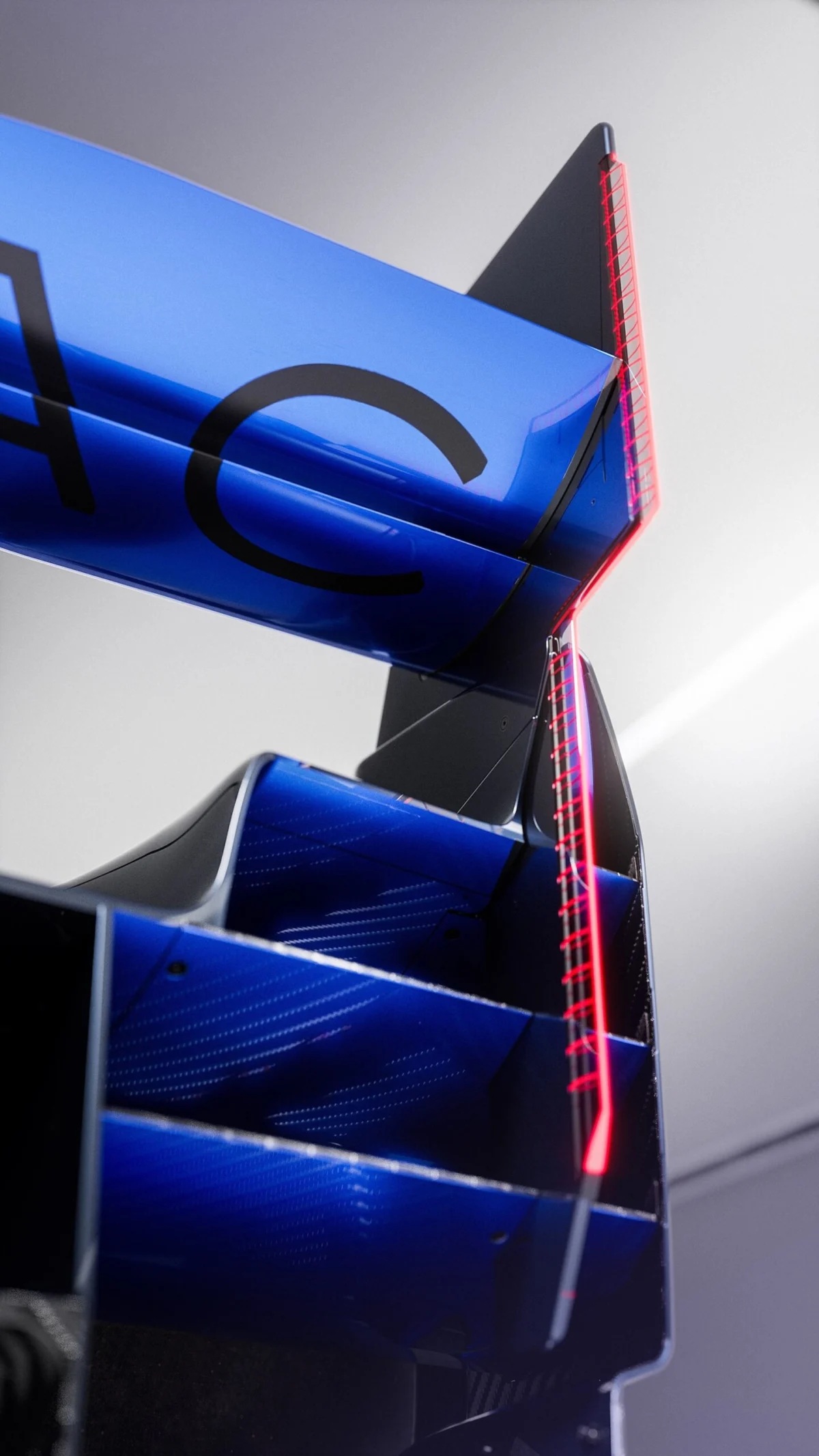
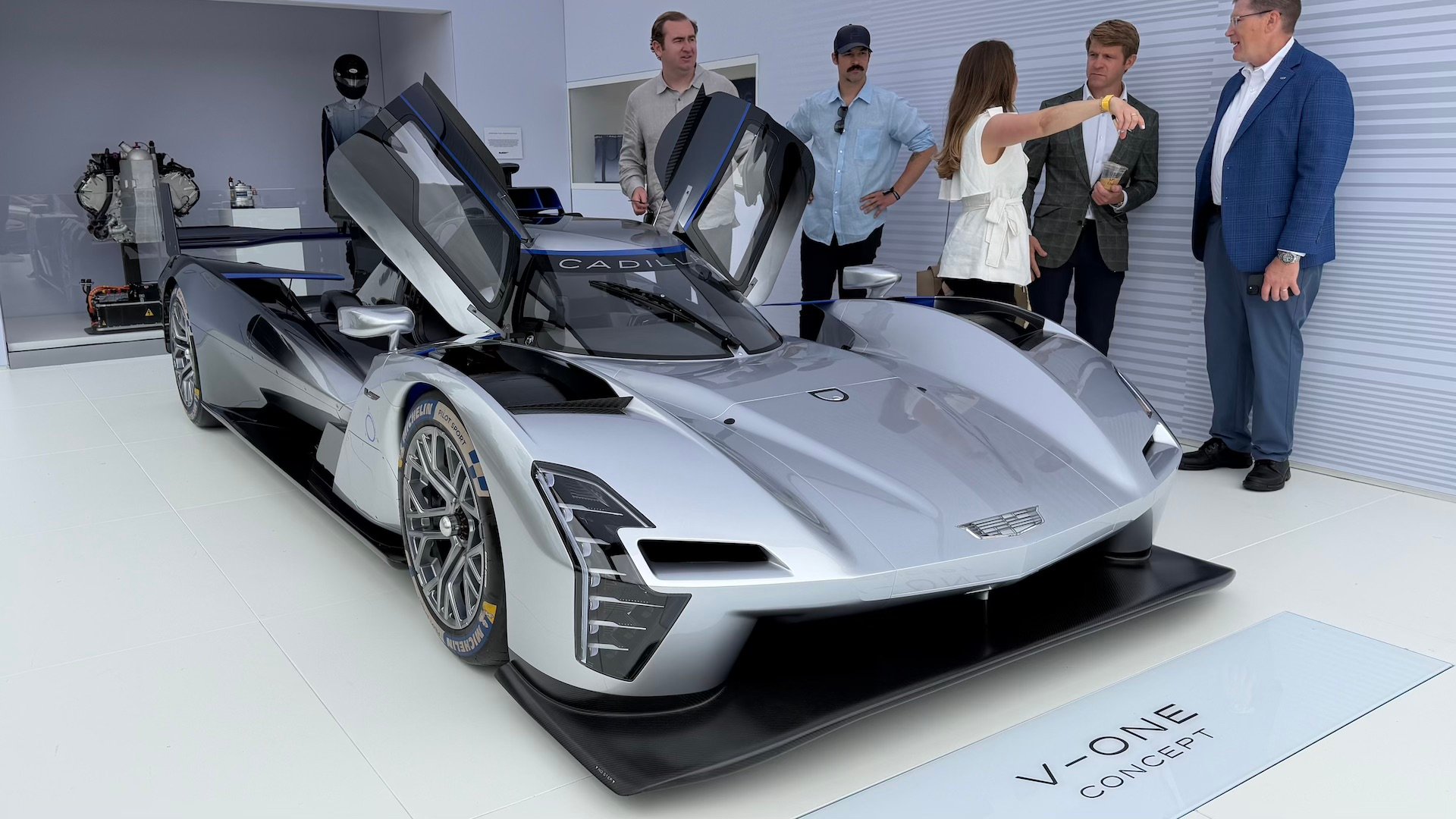
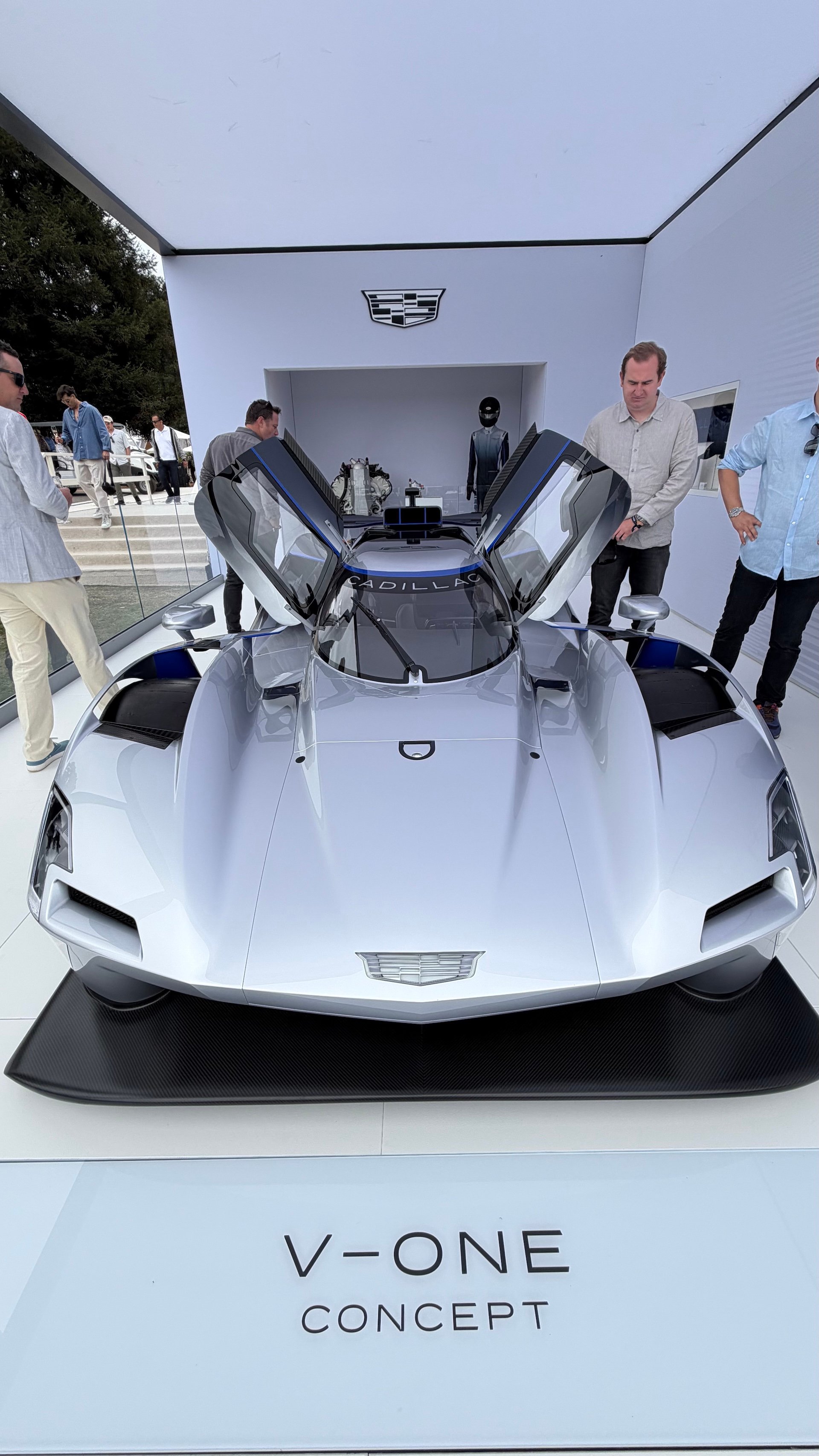
At the prestigious "The Quail, A Motorsports Gathering" during Monterey Car Week, Cadillac unveiled what it officially termed a "design study." Yet, beneath the corporate veil of non-committal terminology lies the Cadillac V-One, a machine that industry insiders suggest is the final piece of a puzzle aiming to bring the visceral, bone-shaking intensity of the FIA World Endurance Championship (WEC) and IMSA GTP class directly to the hands of private collectors.
While Cadillac representatives maintain that the V-One is a conceptual "race car project," the level of engineering detail—and the candid commentary from those behind the program—suggests that the V-One is not merely a static sculpture. It is an 830-horsepower, simplified Le Mans Hypercar designed to resolve the greatest paradox in modern motorsport: how to provide an elite, track-only experience without requiring a full pit crew, a team of software engineers, and a small fortune in maintenance for every hour of track time.
The Genesis of the V-One: Complexity vs. Accessibility
To understand the ambition of the V-One, one must first appreciate the staggering complexity of a modern LMDh (Le Mans Daytona h) machine. These are not cars in the traditional sense; they are rolling laboratories. Drivers like Jenson Button have noted that managing the cockpit of a modern GTP car—balancing energy recovery, intricate differential settings, and hybrid deployment—is often more taxing than the F1 cars of yesteryear.
"We had Jenson drive the WEC car," says Sean O’Shea, lead propulsion engineer for Cadillac Racing and GM Motorsport’s hybrid powertrains. "The race car project is so complicated. Between energy recovery and energy per lap, it’s a lot. I asked our pro drivers: what would you like to simplify if you wanted to have fun? They gave me a lot of ideas."
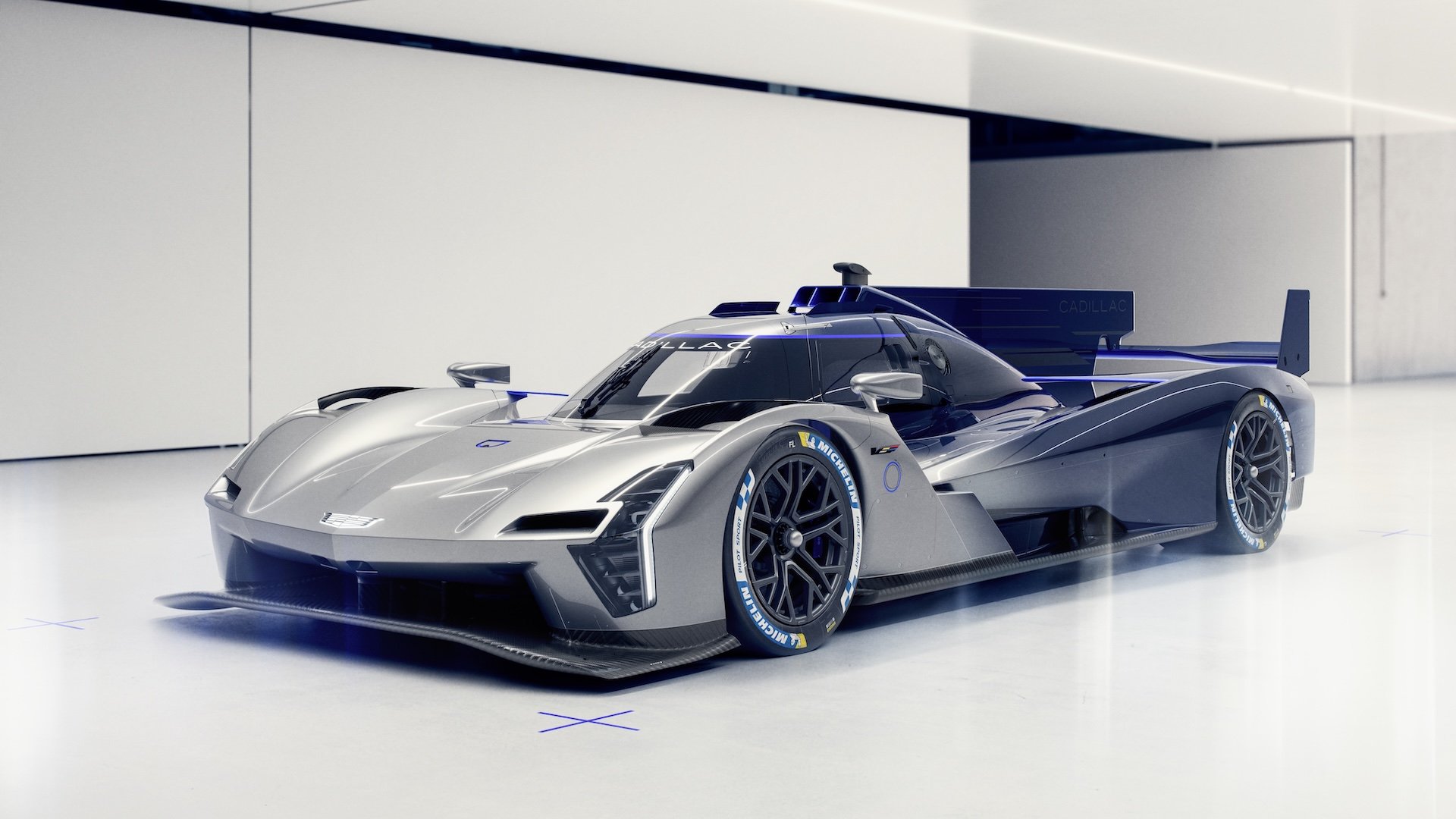
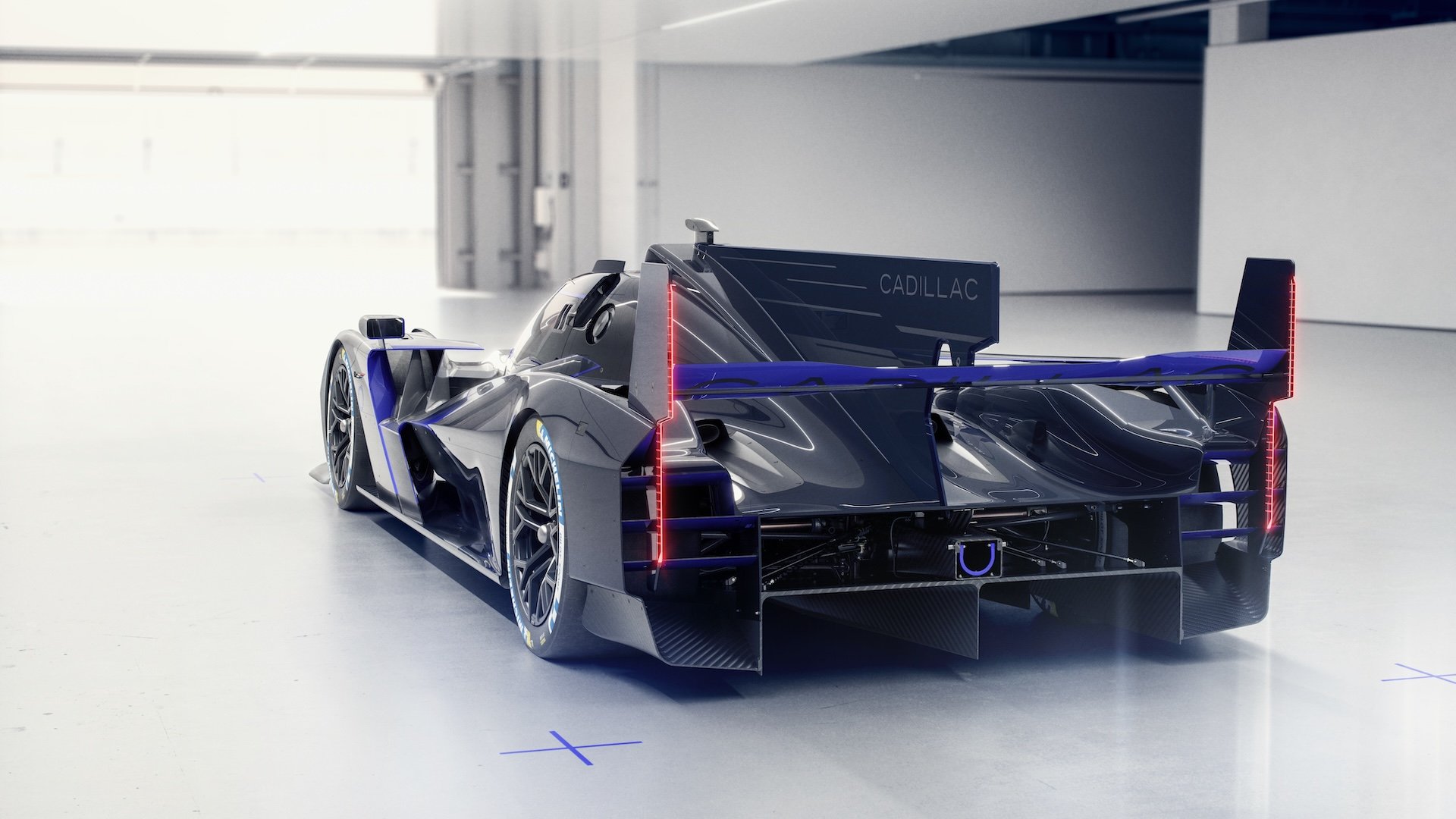
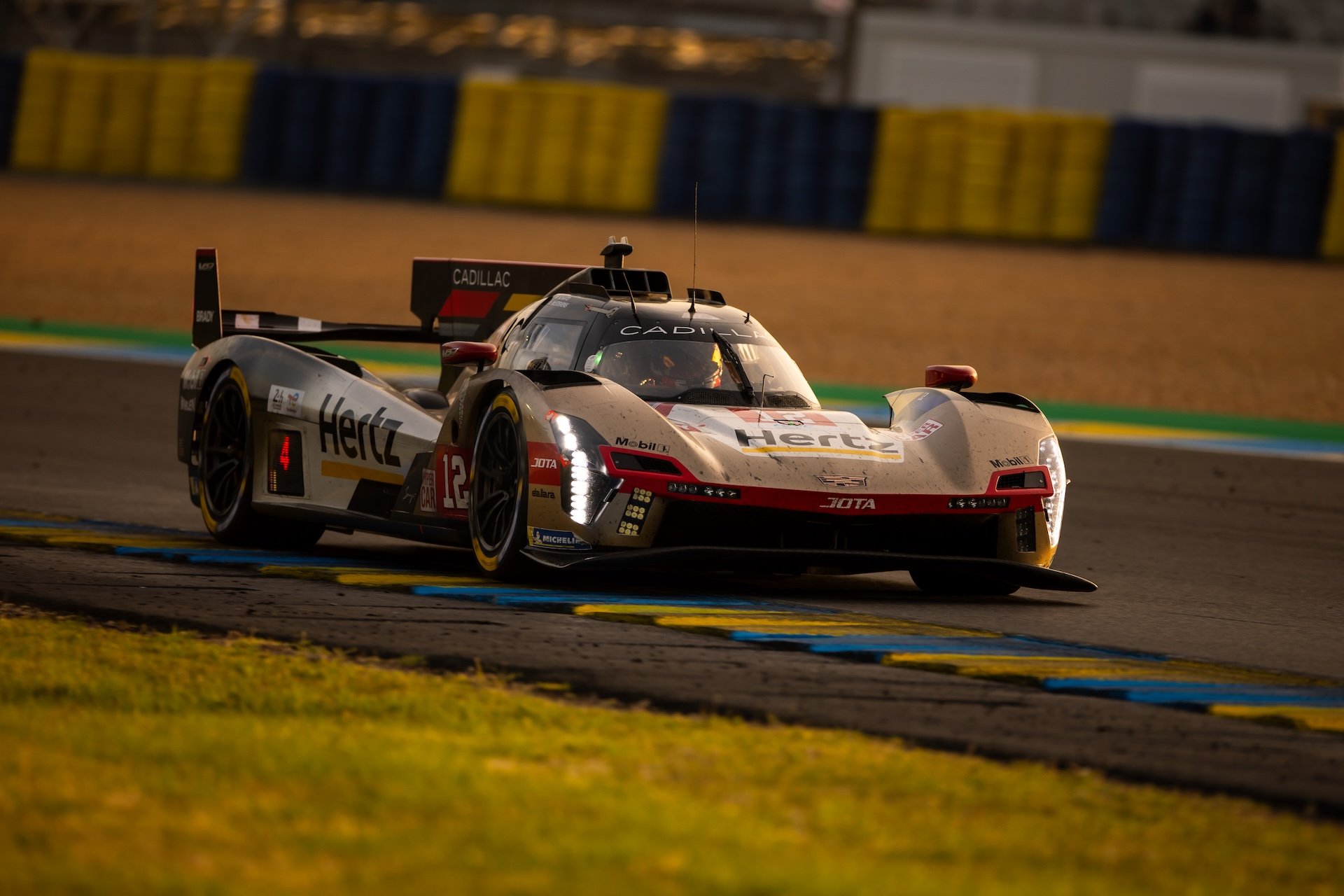
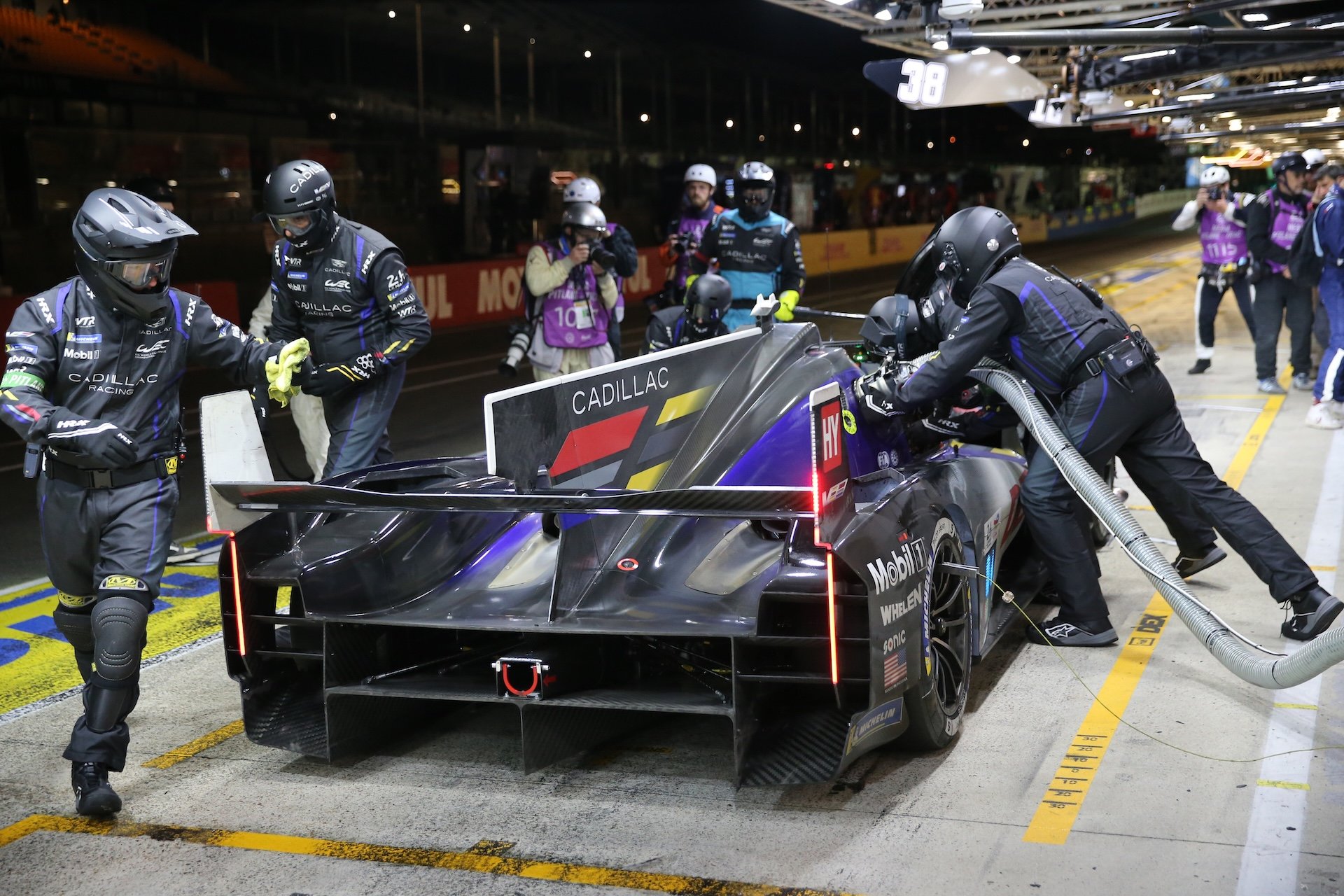
The V-One is the result of those conversations. It is a distilled version of the V-Series.R, the Cadillac prototype that has been fighting for podiums at the 24 Hours of Le Mans. The goal is to provide the same downforce, the same engine note, and the same structural rigidity, but with an interface that a "mortal" driver can actually master.
Chronology: From the Circuit de la Sarthe to the Private Garage
The journey of the V-One began on the grueling tracks of the endurance racing world.
- 2023–2025: Cadillac’s V-Series.R program achieves global success, testing the limits of hybrid-electric endurance racing. During this period, the engineering team, led by figures like O’Shea, begins to identify the "pain points" that make these cars nearly impossible for anyone but a factory-backed professional to operate.
- Late 2025: The initial design concepts for a "customer" variant are sketched. The challenge is to maintain the core chassis tub of the race car to avoid the astronomical costs of re-homologation while modifying the cockpit for human ergonomics.
- September 2026: The V-One debuts at The Quail. It is presented as a "design study," but it is fully functional as a track-day machine, signaling that the program is in the final stages of refinement.
Technical Specifications and Engineering Philosophy
The V-One is an engineering marvel that balances race-bred aggression with user-friendly accessibility. O’Shea emphasizes that the project was never about "dumbing down" the experience, but rather "de-risking" the ownership experience.
The "Ambient Start" Revolution
Unlike an F1 car, which requires external heating blankets and auxiliary equipment to bring the engine and fluids to operating temperature, the V-One is designed as an "ambient start" vehicle. An owner can walk into a 70-degree garage, start the car, and let it warm itself up. This is a massive departure from the standard race-car protocol, which essentially treats the engine as a living, fragile entity that dies if it isn’t treated like a premature infant.
Hybrid Integration and Traction Control
The car retains a hybrid powertrain, but the management is simplified. The V-One utilizes an electric-only mode for slow-speed maneuvering in the paddock, allowing the driver to exit a garage silently before engaging the internal combustion engine (ICE) via a simple steering wheel paddle.
To assist drivers who may lack the years of endurance training required to handle 830 horsepower, the V-One incorporates:
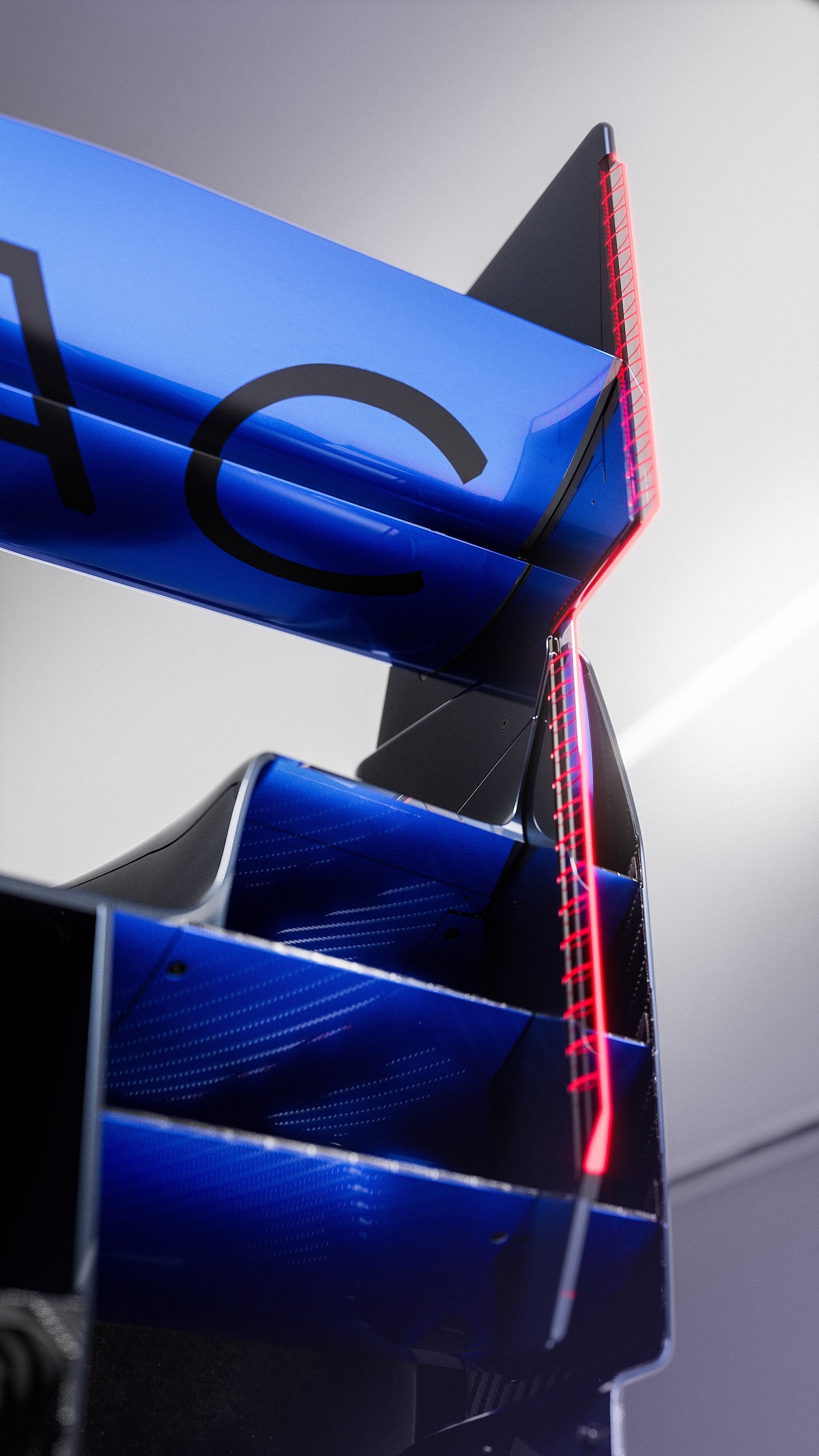
- Simplified Traction Control: A two-setting system (X and Y) that manages lateral and longitudinal grip.
- ABS Inclusion: Standard race cars in this category often omit ABS. Cadillac chose to include it here to eliminate the stress of tire warm-up procedures and brake-in temperature management, allowing the driver to focus on the racing line rather than the health of the rubber.
Official Responses and Strategic Vision
When asked about the future of the program—specifically whether customers would store these cars at home or if Cadillac would operate a "Ferrari FXX-style" arrive-and-drive program—O’Shea remains coy, though his personal enthusiasm is clear.
"We have ideas and a kind of plan, but it’s nothing we’re ready to divulge yet," O’Shea notes. "But for me, being just an enthusiast, if I bought this, I would want to keep it at home and impress my neighbors."
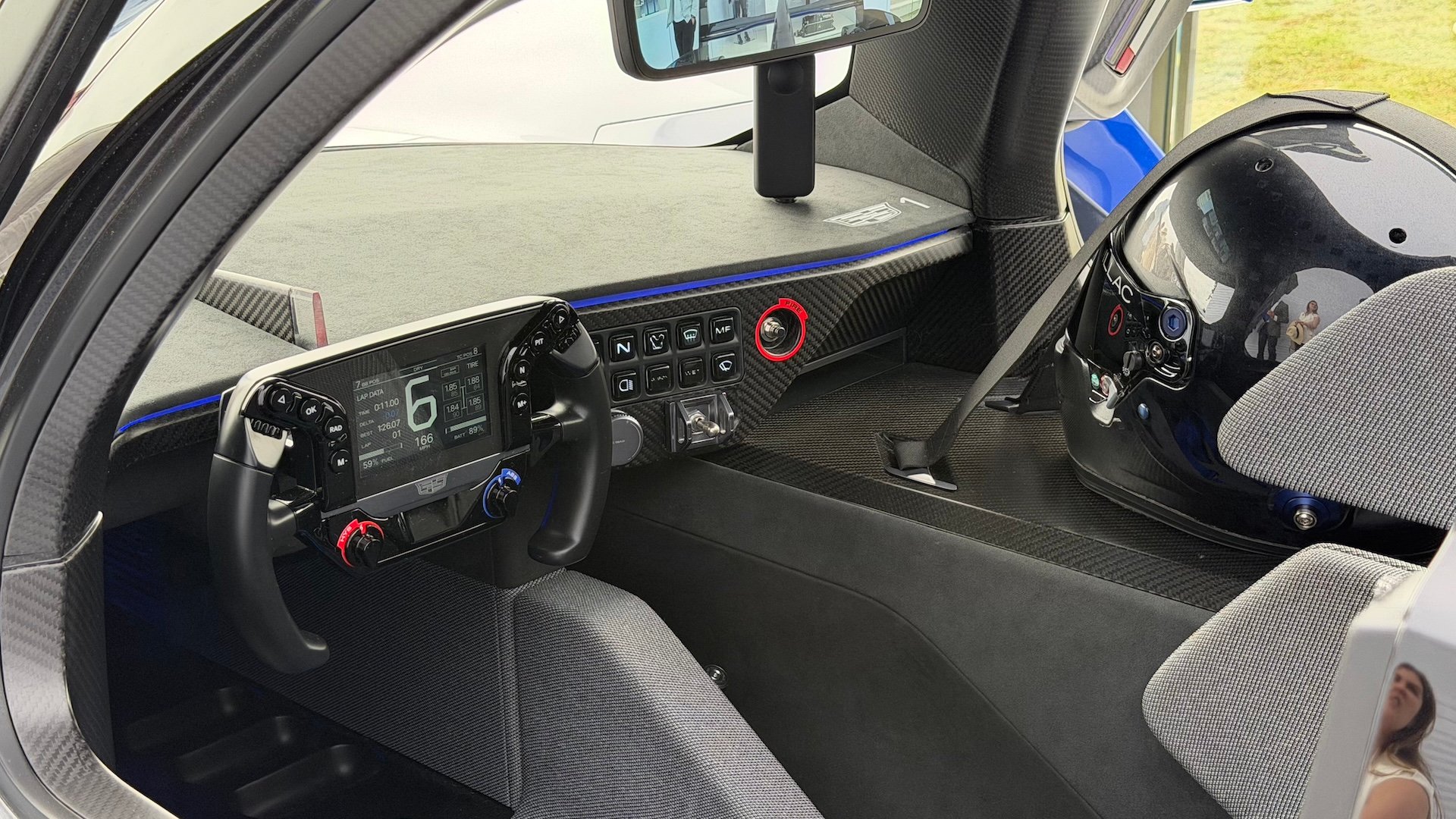
The focus remains on the "gentleman driver" demographic. The interior has been slightly expanded to accommodate a "normal-sized human," and visibility, which is notoriously claustrophobic in the race-spec car, has been optimized without compromising the structural integrity of the carbon-fiber tub.
Implications: The Rise of the "Accessible Prototype"
The V-One represents a seismic shift in how automakers view their racing heritage. Historically, once a race car was retired, it became a museum piece. By creating a platform that is maintenance-friendly enough to run for 24 hours with only tire and fuel changes, Cadillac is effectively democratizing the highest tier of automotive performance.
Maintenance and Longevity
The most impressive claim regarding the V-One is its maintenance interval. O’Shea states the car is designed to run for 24 hours of track time with nothing more than basic consumables. This durability is the result of aggressive "vehicle technical specifications" set by the engineering team. By targeting a performance envelope slightly lower than the WEC race car, they have unlocked a level of reliability that could bankrupt a lesser project.
The Human Element
The ultimate test for the V-One will be the customer. Can a wealthy amateur truly handle a car with this level of downforce? O’Shea believes so, provided the machine doesn’t fight back with unnecessary complexity. "The whole point is to give the owner the experience of driving the car, not to mess with gizmos, gadgets, and screens," he explains.
Conclusion: A New Era for Cadillac
The Cadillac V-One is more than a concept; it is an audacious statement of intent. In a world where high-end track cars have become "reliability nightmares" filled with sensors and specialized technicians, Cadillac is betting on the idea that the true luxury of a hypercar is its ease of use.
Whether it becomes a limited-production run or a bespoke program for a handful of elite collectors, the V-One has already succeeded in one major area: it has demystified the Le Mans prototype. It proves that you don’t need an army of engineers to feel the G-forces of a world-class race car—you just need a key, a track, and a healthy dose of courage. As the industry looks toward an electrified future, Cadillac is proving that the soul of racing—the sound, the power, and the raw physical sensation—is something that can be shared, rather than hidden behind a wall of technical complexity.
