





In the vast, rugged expanses of the American West, the issue of abandoned vehicles has long been a flashpoint for environmentalists, off-road enthusiasts, and local authorities. Across Colorado’s high-altitude trails, where the thin air and unforgiving terrain can turn a simple recovery mission into a life-threatening ordeal, "ditching" unwanted or incapacitated vehicles has become an unfortunate, recurring phenomenon. However, when a professional tow truck itself becomes the victim of the terrain, the optics shift—and when it is left to rot on a mountainside for months, the internet is quick to pass judgment.
This is the story of Milo’s Towing and Recovery, a squarebody Chevrolet wrecker that spent a grueling winter abandoned on a Colorado mountainside, and the high-stakes digital conflict that followed. What began as a routine service call spiraled into a public relations crisis, a viral social media investigation, and a long-overdue recovery operation that sparked a broader conversation about accountability in the backcountry.
The Incident: When the Rescuer Becomes the Rescued
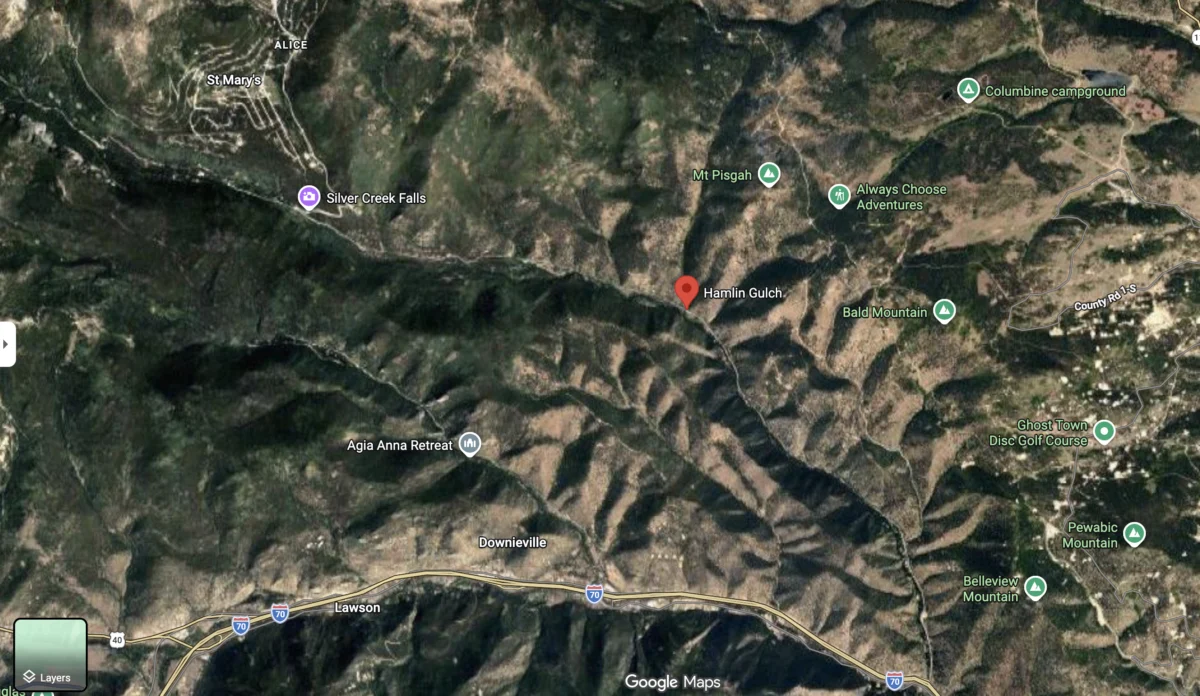
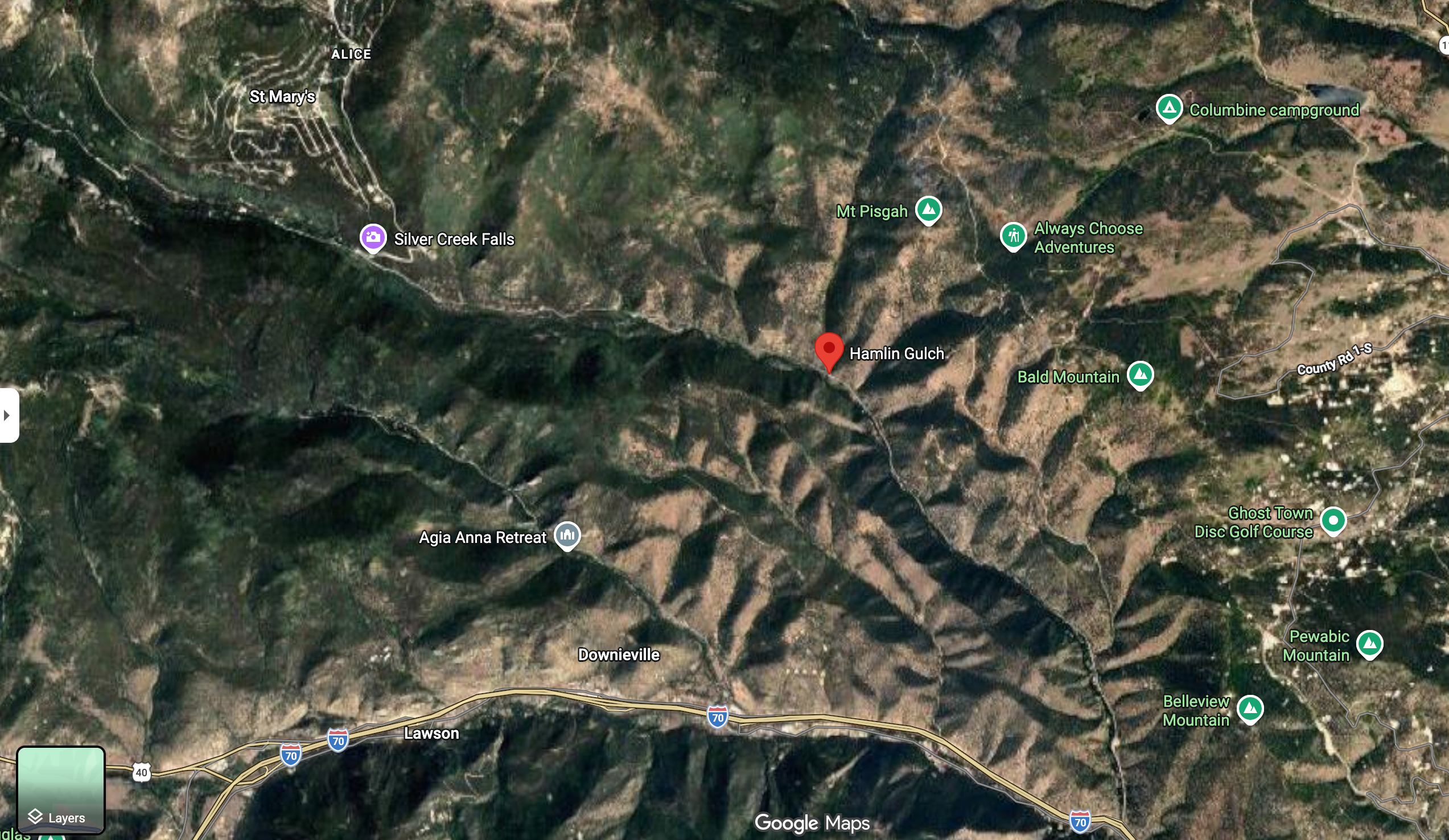
The saga began on September 29, 2025. Chris Frey, the owner of Milo’s Towing and Recovery, was operating in what he described as a treacherous environment. Dispatched to Hamlin Gulch Road—a trail notoriously unforgiving even in ideal conditions—the crew faced an immediate challenge: the early arrival of heavy snow.
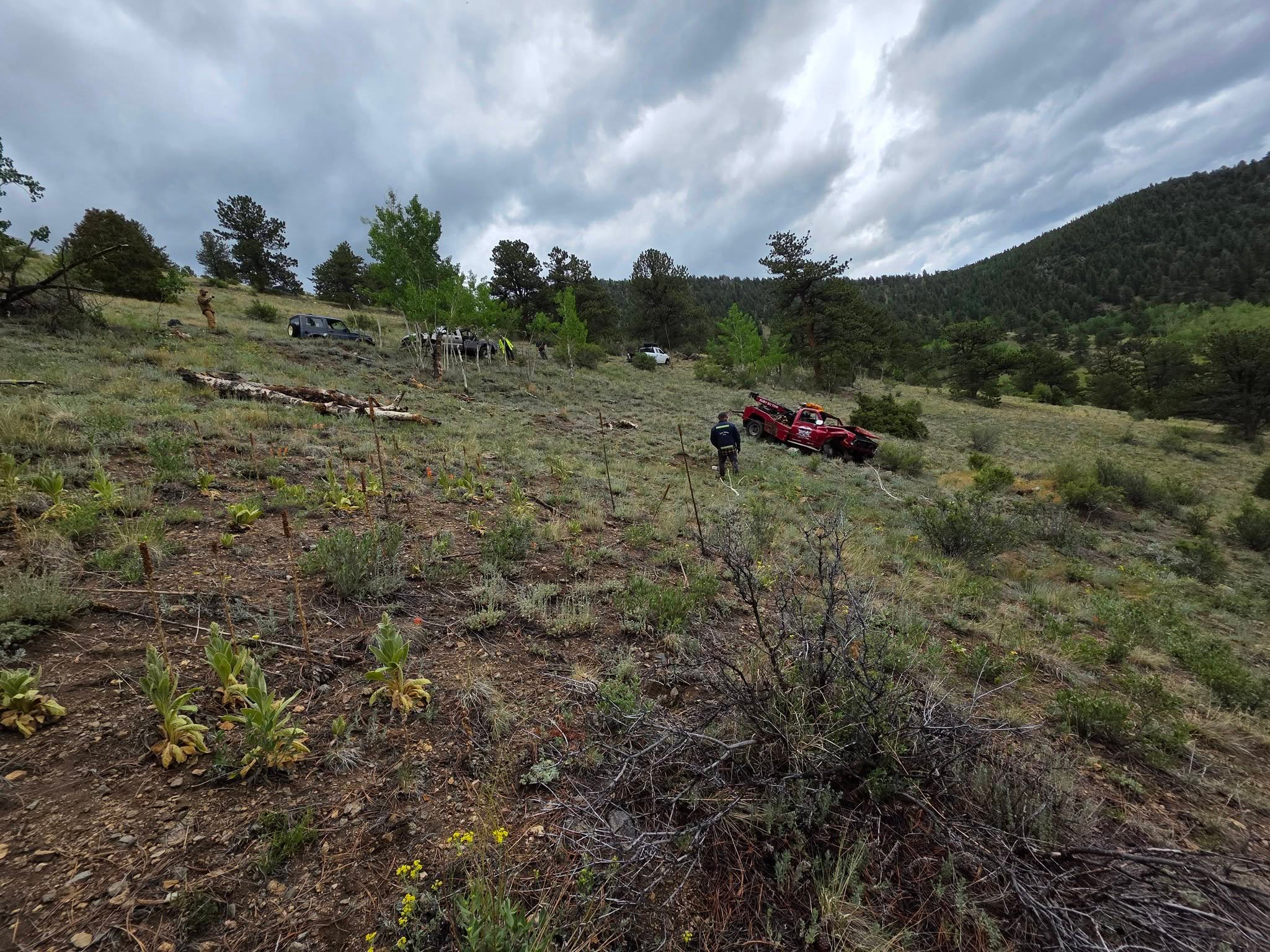
According to Frey, the mission was intended to be a standard extraction. However, as the squarebody Chevy wrecker navigated the snowy, unstable path, it lost traction and slid off a rock ledge. The situation escalated rapidly. In a desperate attempt to stabilize the vehicle and pull it back onto the trail, the driver attempted to secure a winch cable to a nearby tree. The ground, already saturated and weakened by the snowy conditions, gave way beneath the weight of the heavy truck.
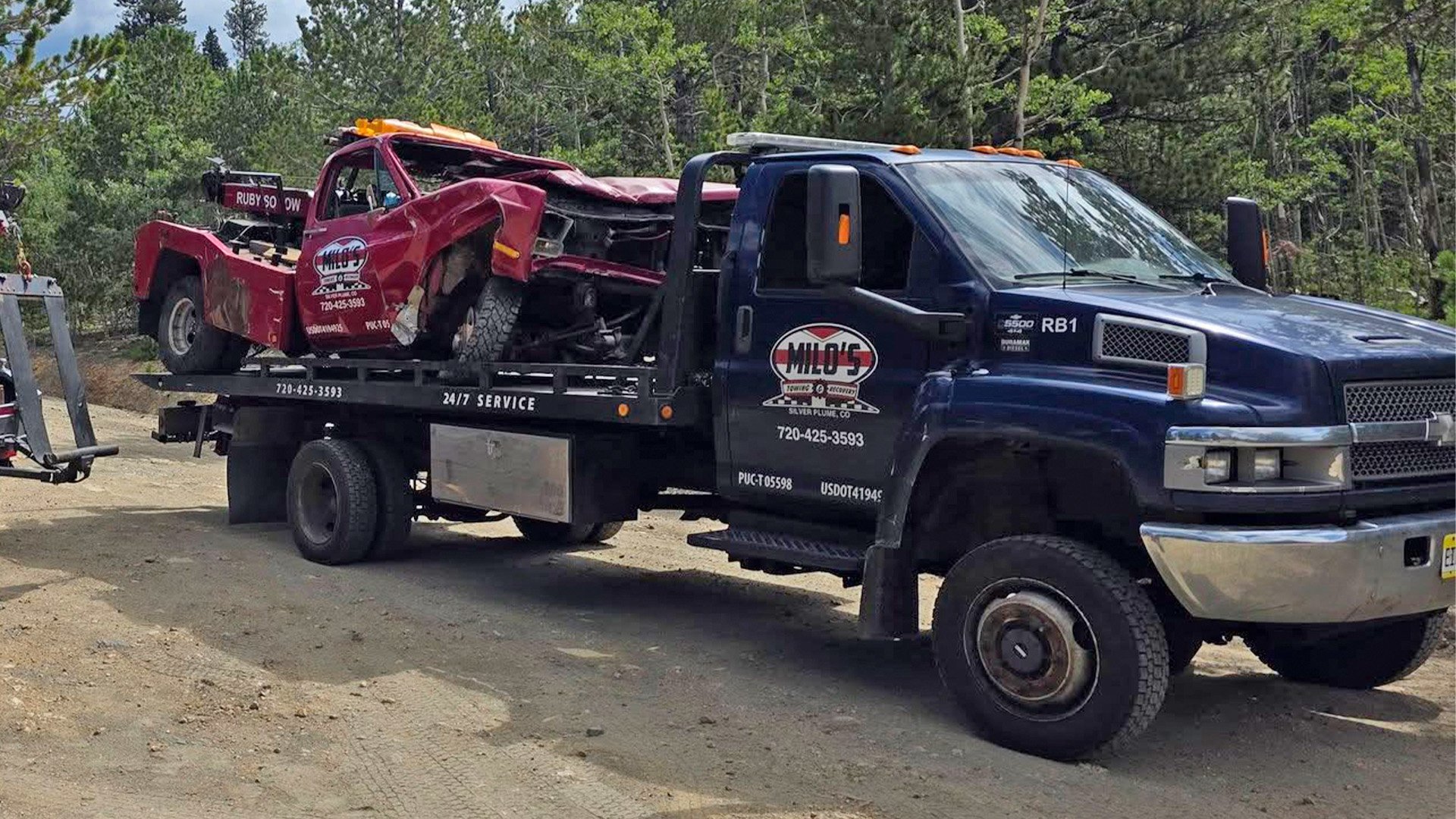
The Chevy was left in a precarious, near-vertical position. Fortunately, no personnel were injured during the incident, but the vehicle was effectively totaled by the terrain. It sat perched on the mountainside, a stark, metallic reminder of the dangers inherent in mountain recovery.
A Chronology of the Abandonment and Exposure
The timeline of the Milo’s truck is one of delay, miscommunication, and mounting public pressure.
- September 29, 2025: The initial accident occurs on Hamlin Gulch Road. Due to the rapid onset of winter and the extreme difficulty of the recovery, the decision is made to leave the vehicle in situ.
- October 2025 – May 2026: The truck remains on the mountainside. During these months, it becomes a local landmark of sorts, albeit a controversial one. Frey maintains that he was in contact with the Forest Service, suggesting that an agreement was reached to postpone the recovery until the spring thaw to prevent further environmental damage.
- May 31, 2026: Zac Beaman, a professional recovery specialist known online as "Zacstrax," discovers the truck. Beaman, who has built a brand around cleaning up abandoned wrecks in the Rockies, views the site as a significant environmental hazard and a blight on public land.
- June 2026: Beaman publicly criticizes Milo’s Towing for what he terms the "abandonment" of their equipment. The post goes viral, drawing intense criticism toward Frey.
- August 25, 2026: After months of public pressure and administrative hurdles, Milo’s Towing finally successfully recovers the vehicle, despite the rear axle snapping during the extraction process.
The Digital Firestorm: Beaman vs. Frey
The conflict between Zac Beaman and Chris Frey encapsulates the modern friction between professional recovery services and the "vigilante" clean-up crews that have gained traction on platforms like YouTube and Facebook.
When Beaman stumbled upon the wreck, he approached the situation with the intent of facilitating a recovery. However, the communication between the two parties quickly broke down. Beaman reportedly offered his services to assist in the extraction, but the two men could not agree on a price. Beaman’s subsequent public post, which questioned the ethics of leaving the truck in the wild, ignited a firestorm.
"I said I would leave it there before I paid that kind of money to have someone else remove it," Frey later wrote in a defensive Facebook post. "My meaning behind that was not to abandon it up there at all. That was never, ever my intention."
Frey insisted that the presence of the company’s branding, phone number, and VIN on the truck was proof that he never intended to desert the property. To him, the vehicle was not "abandoned"—it was "staged" for a recovery that was logistically impossible during the winter months.
Supporting Data and the Logistics of High-Altitude Recovery
The logistics of recovering a heavy-duty wrecker from a mountainside are not to be underestimated. As the images of the recovery operation suggest, the process required a coordinated effort involving multiple 4×4 recovery vehicles and specialized rigging.
When a vehicle of that size slides off a trail, it creates a massive "dead weight" issue. The ground pressure required to pull a wrecker back up an incline often risks dragging the recovery vehicle down with it. Furthermore, environmental regulations in Colorado’s National Forests require permits and strict adherence to land-use policies to ensure that the recovery process does not cause more erosion or habitat destruction than the wreck itself.
Experts in mountain recovery note that the "spring thaw" is the most dangerous time to perform such an operation. As the snow melts, the soil becomes a slurry of mud, significantly reducing the anchor strength of the ground. That Frey managed to pull the truck out—even with the resulting structural failure of the rear axle—is a testament to the sheer force required to move such a mass on an incline.
Official Responses and Regulatory Implications
While the Forest Service was reportedly in contact with Frey, the broader implications of the event have drawn attention to the ambiguity of "abandonment" laws. In many jurisdictions, a vehicle left on public land is subject to fines if it is not removed within a specific timeframe. However, when a vehicle is incapacitated during a legitimate recovery attempt, authorities often grant leeway, provided the owner can prove a plan for extraction.
The incident highlights a growing need for clear, state-mandated guidelines for the recovery of heavy machinery in protected wilderness areas. As more off-roaders and professionals venture into remote areas, the frequency of these "staged" recoveries is likely to increase, necessitating better coordination between local towing companies and the Forest Service.
The Legacy: A Net Positive for the Mountains?
Ultimately, the story concludes with the vehicle’s removal in late August 2026. While the relationship between Beaman and Frey remains strained, both parties acknowledge that the environment is better off for the truck’s removal.

"I’m glad he got it out. That’s all that matters," Beaman told CBS Colorado in a follow-up. "That’s more satisfying than anything. It was in a tough spot, too. He did a good job of getting it out."
The "Milo’s Towing" incident serves as a cautionary tale for the industry. It underscores the reality that in the world of high-altitude recovery, the court of public opinion moves much faster than the logistics of heavy-duty towing. While the controversy may have been fueled by viral outrage, it also acted as a catalyst for action.
Beaman claims that since his initial post, he has noticed an uptick in the recovery of other abandoned vehicles across the region. If the "mountain wrecker" saga does anything, it serves as a reminder that in the wild, transparency and communication are just as vital as a high-tensile winch cable. The mountains are a public trust, and for the towing industry, the responsibility to "leave no trace" applies as much to the tools of the trade as it does to the hikers and off-roaders who traverse them.
