



In the high-stakes theater of modern e-commerce, the "Amazon effect" has irrevocably altered the consumer psyche. What was once considered a luxury—two-day shipping, real-time tracking, and seamless returns—is now the baseline expectation. As giants like Amazon and Walmart continue to tighten their grip on the pillars of price and convenience, the remaining players in the retail landscape are finding themselves at a strategic crossroads.
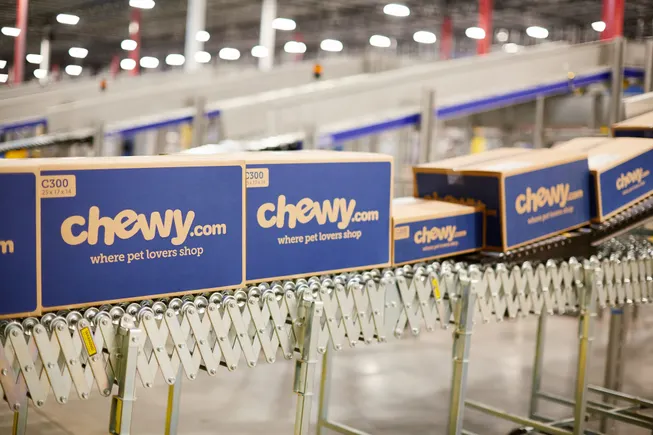
According to Scott Anderson, Chief Operating Officer at Chewy and a veteran of Amazon’s massive logistics machine, the path forward for brands isn’t to out-spend or out-scale the behemoths. Instead, it is to master the "Experience Pillar." In a wide-ranging interview with Supply Chain Dive, Anderson outlined a new roadmap for retailers aiming to survive and thrive in an environment where customer patience is thin and the margin for error is non-existent.
The Evolution of the Delivery Mandate: A Chronological Context
To understand the current obsession with delivery precision, one must look at the rapid evolution of consumer expectations over the last two decades.
- 2005–2010 (The Discovery Phase): Amazon Prime launches, introducing the concept of free, expedited shipping. The focus was primarily on price and inventory depth.
- 2011–2018 (The Speed Phase): Logistics becomes a competitive weapon. Retailers race to reduce transit times from five days to two, then to next-day. Supply chain infrastructure becomes the primary investment priority for major retailers.
- 2019–2023 (The Frictionless Phase): The pandemic accelerates e-commerce adoption, making delivery a household utility. Consumers begin demanding more control—adjustable windows, "green" packaging, and contactless delivery.
- 2024–Present (The Personalization Phase): As Anderson notes, the market has moved beyond speed. Consumers now demand transparency, proactive communication, and a brand-aligned unboxing experience.
Anderson’s own career trajectory mirrors this shift. Having spent nearly a decade at Amazon, where he rose to the rank of Vice President of North American Transportation and Customer Fulfillment, he witnessed firsthand the transition from basic fulfillment to the complex, hyper-personalized logistics model that defines the industry today. His move to Chewy, a company renowned for its hyper-focused customer service, combined with his recent appointment to the board of Veho—a tech-enabled carrier focused on the "last mile"—positions him as a key architect in the next wave of shipping innovation.
The Three Pillars of Modern Retail Survival
Anderson posits that for an e-commerce brand to succeed today, it must excel in at least one of four core pillars: Price, Convenience, Selection, or Experience. However, the market saturation of retail titans has made three of these increasingly difficult to dominate.
The Myth of Competing on Price and Convenience
"It’s very hard to compete against Amazon because they have selection and convenience nailed," Anderson observes. Similarly, he notes that Walmart has effectively captured the "Price" crown through its massive physical footprint and aggressive procurement strategies. For mid-tier and specialty retailers, attempting to match these companies head-on is a recipe for financial exhaustion.
Instead, Anderson identifies the Experience Pillar as the only viable battleground for differentiation. "Where you can win in this space is experience, because you can engage your customer better on personalization," he explains.
Elevating the "Unboxing" and Delivery Interface
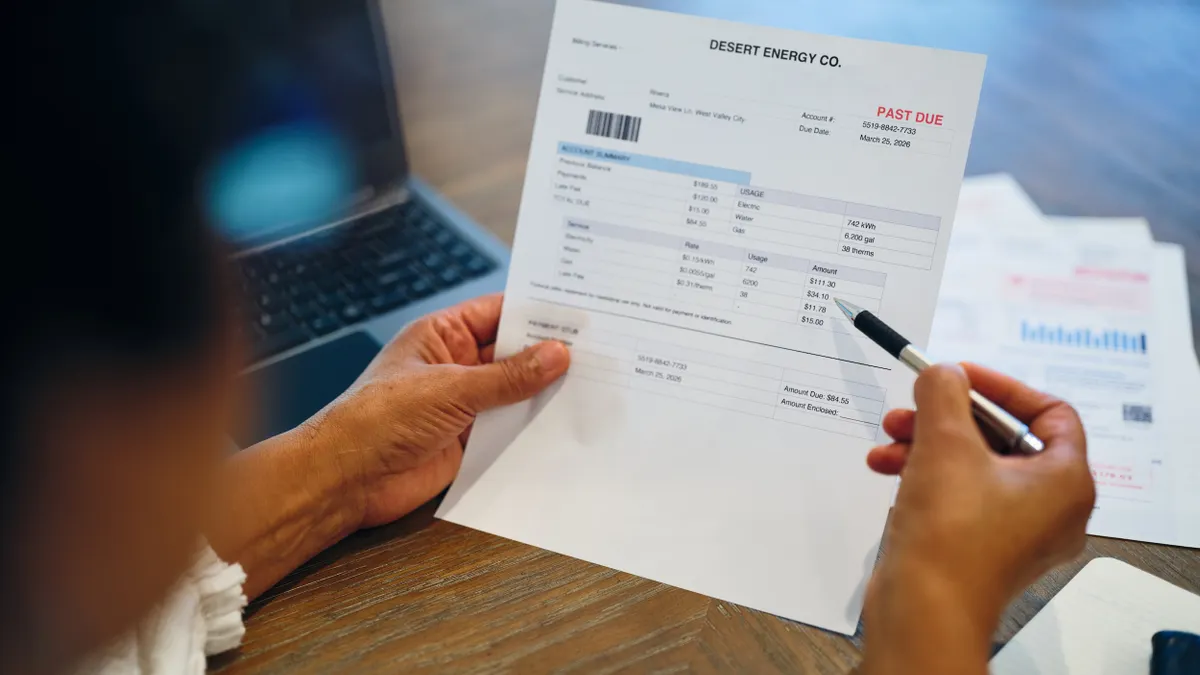
Delivery is no longer a back-end logistics concern; it is the final touchpoint of a brand’s promise. Anderson highlights that features such as picture proof of delivery, the ability to adjust timeframes mid-transit, and direct lines of communication with drivers are no longer "value-adds"—they are essential services.
Furthermore, the physical delivery experience—the packaging materials, the aesthetics of the box, and the sustainability of the shipment—serves as a tangible extension of a brand’s identity. By curating this final mile, specialty retailers can foster a sense of loyalty that a utilitarian, generic Amazon delivery simply cannot replicate.
Data-Driven Empathy: Balancing Metrics and Anecdotes
A significant portion of Anderson’s philosophy is rooted in the "Amazon method" of balancing cold, hard data with the human element of customer feedback. During his tenure at Amazon, the company famously treated customer anecdotes as a "smoke detector" for systemic issues.
"Anytime you had an anecdote that told you something materially different from the aggregate, you knew that there was smoke there," Anderson recalls.
Why Anecdotes Matter
In the world of logistics, it is easy to become blinded by aggregate metrics like "On-Time Delivery Rate" (OTDR) or "Average Cost Per Package." However, these high-level statistics often mask localized failures. If a specific region is suffering from driver turnover, or a specific packaging material is consistently arriving damaged, the aggregate numbers may still look healthy while individual customers are becoming disenfranchised.
Anderson warns that ignoring these individual pain points is dangerous. "Customers are not satisfied with you continuing to miss on what they’ve told you already," he says. The modern consumer is remarkably unforgiving; if a brand fails to address a feedback-driven concern, they rarely offer a second chance.
The Strategic Partnership Model: Beyond Cost-Cutting
One of the most common pitfalls for logistics managers is the obsession with the "lowest possible cost" per shipment. Anderson argues that this race to the bottom is counter-productive for both the shipper and the carrier.
Collaborative Logistics
Instead of viewing carriers as vendors to be squeezed, Anderson advocates for deep, operational-level collaboration. Shippers should be vocal about their specific challenges—such as inventory surges, unique product dimensions, or regional carrier bottlenecks—to allow their partners to build custom, resilient solutions.
"What I found is everyone wants to create a solution that’s beneficial to both the customer, the shipper, and the carrier," says Anderson. "When you work together, it’s a lot better."
The Multi-Carrier Strategy
While many companies aim to consolidate their shipping into one or two massive providers for simplicity, Anderson notes the strategic advantage of a diversified carrier mix. By utilizing a blend of national giants (like FedEx or USPS) and specialized regional carriers (like OnTrac or Veho), companies can optimize for specific geographic strengths.
"That’s where regional carriers really do well, specifically in those rural and super-rural areas," he explains. By leveraging the local knowledge of regional players, brands can ensure a high-quality delivery experience even in the "last mile" environments that often cause national carriers to struggle.
Implications for the Future of Retail
The implications of Anderson’s insights are clear: the future of e-commerce is not just about moving boxes; it is about moving value. As the barrier to entry for basic online shopping continues to drop, the companies that will survive the next decade are those that treat logistics as a creative department rather than a utility bill.
- Shift in Investment: Companies must move budget away from generic marketing and toward logistics-based personalization.
- Tech Integration: Logistics software must become more transparent, allowing customers to see—and influence—the status of their orders in real-time.
- Human-Centric Feedback Loops: Companies must implement systems that flag individual customer complaints to operations managers in real-time, rather than waiting for quarterly review cycles.
- Long-Term Partnerships: The "transactional" relationship with carriers must evolve into a "collaborative" one, where both parties invest in the quality of the end-to-end delivery experience.
In conclusion, the dominance of Amazon and Walmart is not an existential threat for all retailers; it is a signal to pivot. By focusing on the unique, personalized experience that only a specialized brand can offer, retailers can turn the "delivery experience" into their greatest competitive advantage. In an era of infinite choices, the brand that delivers with the most care is often the brand that the customer chooses to trust again.
