





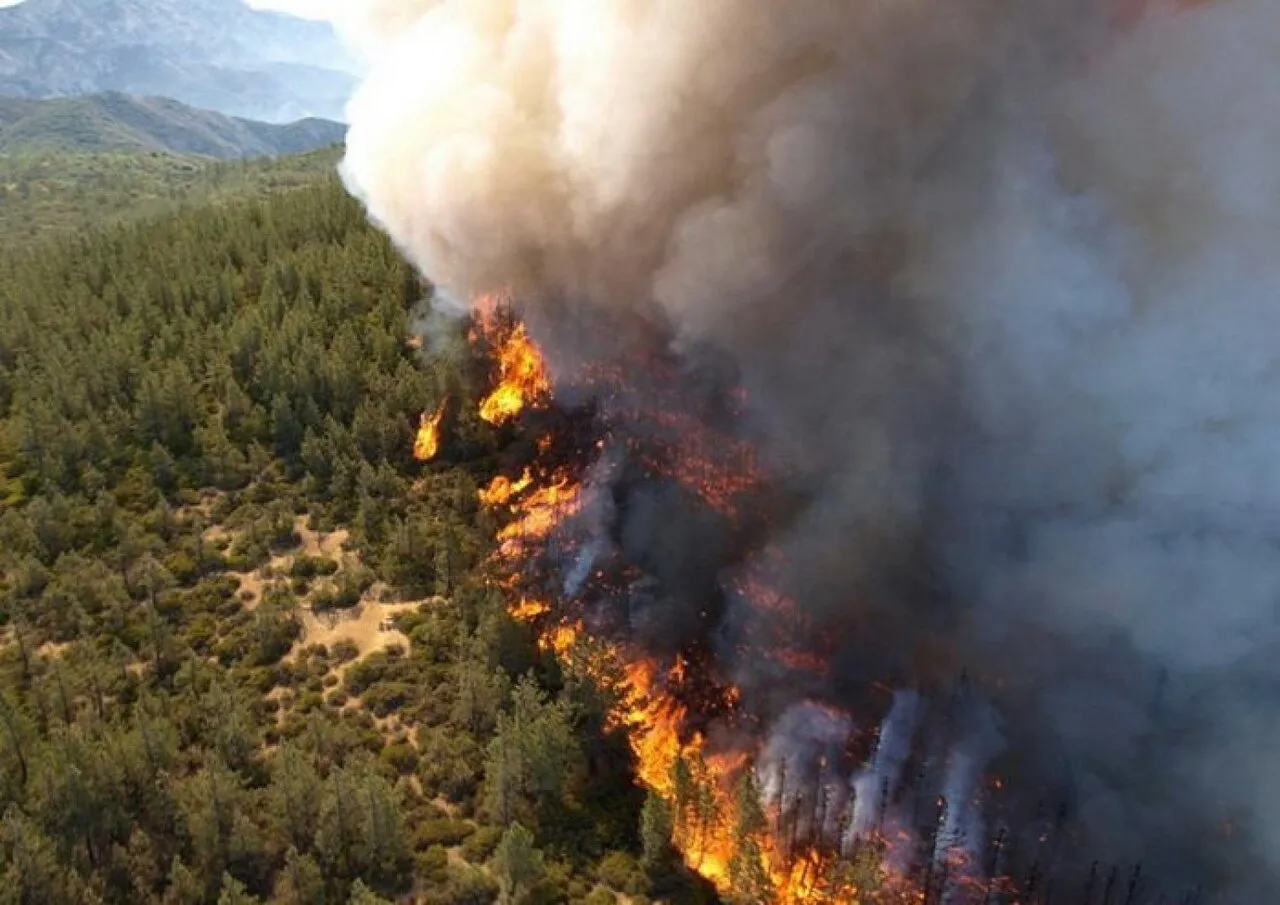
The traditional calculus of the hospitality industry—location, location, location—is undergoing a radical, and perhaps permanent, transformation. For decades, the proximity of a resort to a dense forest, a mountain vista, or a sun-drenched vineyard was the primary indicator of its value. Today, those same features have become primary indicators of catastrophic risk. As wildfires grow in frequency, intensity, and geographical reach, the global insurance market is abandoning traditional risk-modeling in favor of a granular, resilience-based underwriting approach. For hotel operators, the message is clear: adapt your physical infrastructure to survive, or find yourself uninsurable.
The Paradigm Shift: From Location to Resilience
For generations, property insurance was priced based on historical data—what had happened in a specific region over the last century. Climate change has rendered that historical data largely obsolete. Insurers are now looking at forward-looking predictive models that account for "tinder-dry" conditions, shifting wind patterns, and the "ember cast" phenomenon, where burning debris is carried miles ahead of the actual fire front.
Consequently, insurance premiums for properties in high-risk zones are skyrocketing, and in some cases, coverage is being withdrawn entirely. This has forced a shift in the power dynamic between insurers and operators. Underwriters are no longer just asking "where is the hotel?" They are asking, "how is it built?" The industry is seeing a transition where insurance providers act as consultants, mandating specific fire-hardening measures—such as clearing defensible space, installing flame-resistant building materials, and implementing automated sprinkler systems—as a condition for coverage.
Chronology of a Crisis: A Rapidly Expanding Footprint
The escalation of wildfire activity is not a slow-moving trend; it is a sharp, accelerating trajectory.
- 2017–2018: The California wildfire seasons served as a wake-up call. The destruction of luxury properties and entire resort towns in the Napa Valley and Paradise, California, demonstrated that even high-end, well-managed hospitality assets were not immune.
- 2021–2022: The crisis shifted globally. Mediterranean nations, including Greece, Spain, and Turkey, faced unprecedented blazes that threatened the backbone of their tourism economies.
- 2023: The Maui wildfires proved to be a watershed moment for the industry. The devastation in Lahaina did more than destroy buildings; it crippled an entire local economy, causing tourism spending to plummet by 61% year-on-year.
- 2024–Present: Wildfire risk is now considered a "borderless" threat. Smoke plumes from Canadian forests have blanketed major American metropolitan areas, causing not only physical damage but significant operational disruptions, cancellations, and health-related evacuations far from the actual flames.
Supporting Data: The Economic Toll
The economic impact of wildfires on the hospitality sector is multifaceted, moving well beyond the immediate costs of property destruction.
Revenue Volatility
Data suggests that properties in high-risk zones face "hidden" revenue losses. Beyond the days a hotel is actually closed due to fire, "smoke-day" cancellations have become a major factor. Travelers now check air quality indices (AQI) with the same frequency they check weather forecasts. A week of heavy haze can lead to a 30% to 50% drop in occupancy, even if the property remains physically untouched.
The Insurance Gap
Recent industry reports indicate that commercial property insurance premiums in wildfire-prone areas have risen by an average of 25% to 40% over the last three years. In regions like the Western United States, some boutique operators have seen their premiums triple, pushing them to the brink of insolvency.
Operational Disruption
The ripple effects of a nearby fire include labor shortages, as staff are often displaced or evacuated, and supply chain bottlenecks. When a fire hits a destination, the local infrastructure—power, water, and waste management—is often prioritized for emergency services, leaving resorts to navigate weeks of diminished capacity.
Official Responses: Strategies for Survival
Governments, trade associations, and private equity firms are beginning to respond to the crisis with varying degrees of urgency.
Government and Regulatory Action
In the European Union, new directives are being drafted to require climate-risk disclosures for large tourism enterprises. In the United States, states like California are experimenting with "Wildfire Insurance Risk Pools" to ensure that businesses that cannot find private coverage do not go bankrupt, though these are viewed as stop-gap measures rather than permanent solutions.
The Industry’s Pivot
Leading global hotel brands are now incorporating "climate-resilience audits" into their due diligence process for acquisitions. If a property cannot demonstrate that it can withstand a "defensible space" standard—typically a 100-foot buffer zone free of flammable vegetation—it is often disqualified from investment.
Architectural firms are also seeing a surge in demand for fire-resistant design. This includes the use of fiber-cement siding, tempered glass windows that can withstand intense heat, and non-combustible roofing materials. These upgrades are expensive, but they are increasingly viewed as the "cost of entry" for remaining in business in the new climate era.
Implications: The Future of Destination Tourism
The long-term implications for the hospitality industry are profound and potentially reshape the map of global tourism.
The Retreat from Nature
For decades, the "remote, untouched wilderness" aesthetic was the holy grail of hospitality. We may be entering an era where this becomes a liability. Future developments may shift toward "hardened" landscapes—resorts built in areas with more robust infrastructure and better emergency access, rather than deep-forest retreats.
The Rise of Climate-Adaptive Tourism
Tourism marketing is already beginning to pivot. Resorts that can prove their safety and sustainability will likely command a "resilience premium." We may soon see "Fire-Safe" certifications for hotels, similar to LEED or Green Key certifications, which travelers use to vet their bookings.
The Insurance-Tourism Nexus
Ultimately, the insurance industry is becoming the silent regulator of the travel sector. By pricing risk, they are effectively determining which destinations are viable and which are not. For a hotel operator, the ability to secure affordable insurance is now the most important metric for operational longevity.
Conclusion
The wildfire crisis is no longer a localized environmental issue; it is a systemic threat to the global tourism economy. As the lines between "safe" and "at-risk" zones blur, the hospitality industry must undergo a fundamental transition. Resilience is no longer a luxury feature or a marketing talking point—it is a core business requirement.
Operators who invest in fire-hardening, adapt their business models to handle smoke-related volatility, and work proactively with insurers will be the ones to survive the coming decade. Those who continue to rely on the climate models of the past are likely to find themselves on the wrong side of a rapidly changing landscape. The industry is being forced to learn a hard lesson: in the age of climate instability, the most beautiful view in the world is only valuable if the building standing in front of it is designed to endure the fire.
