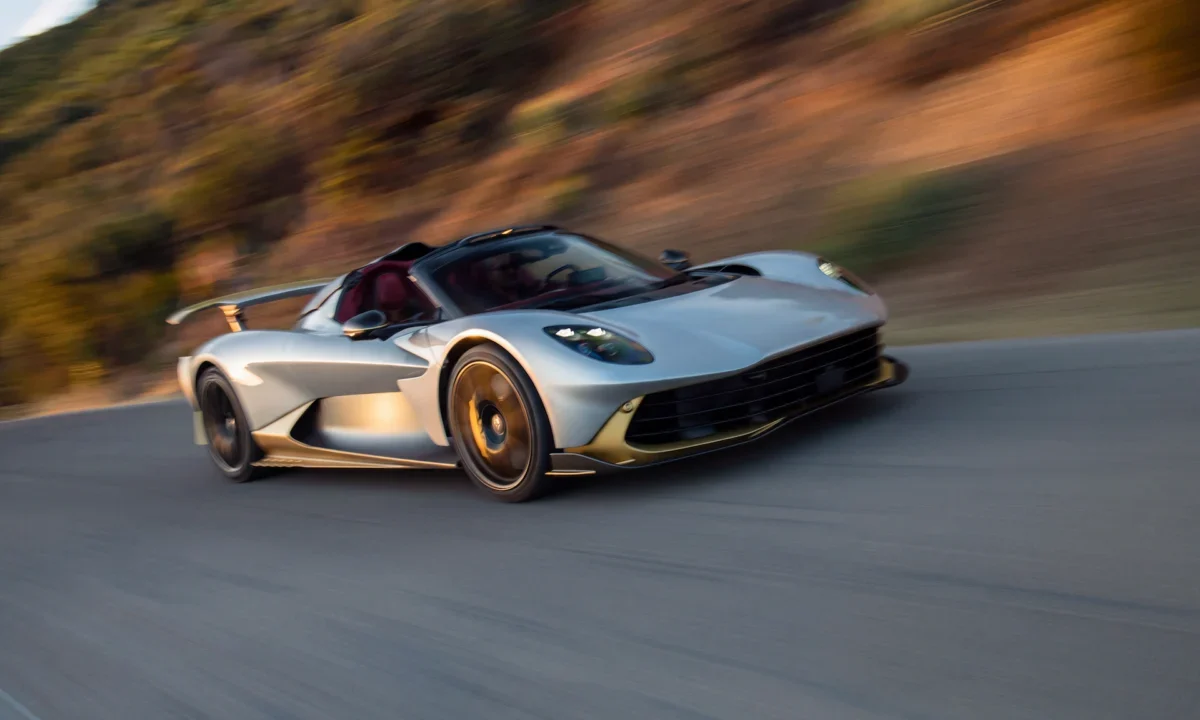




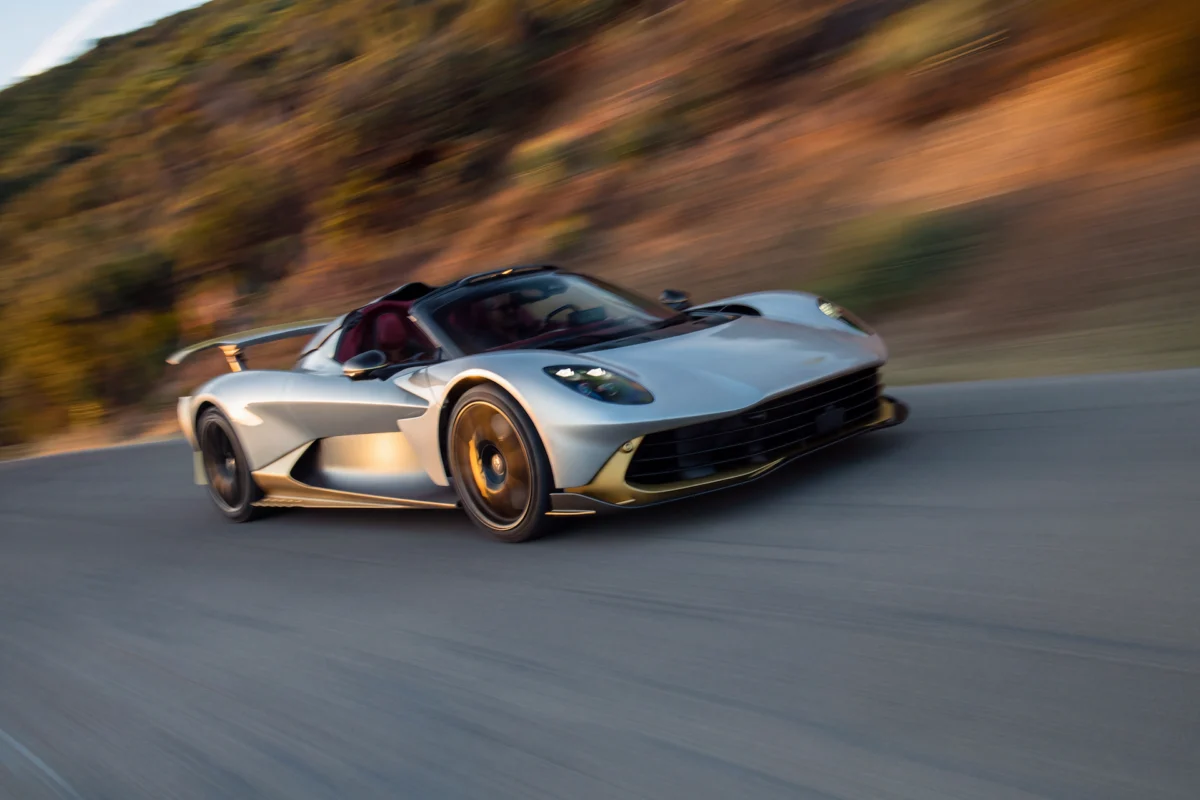
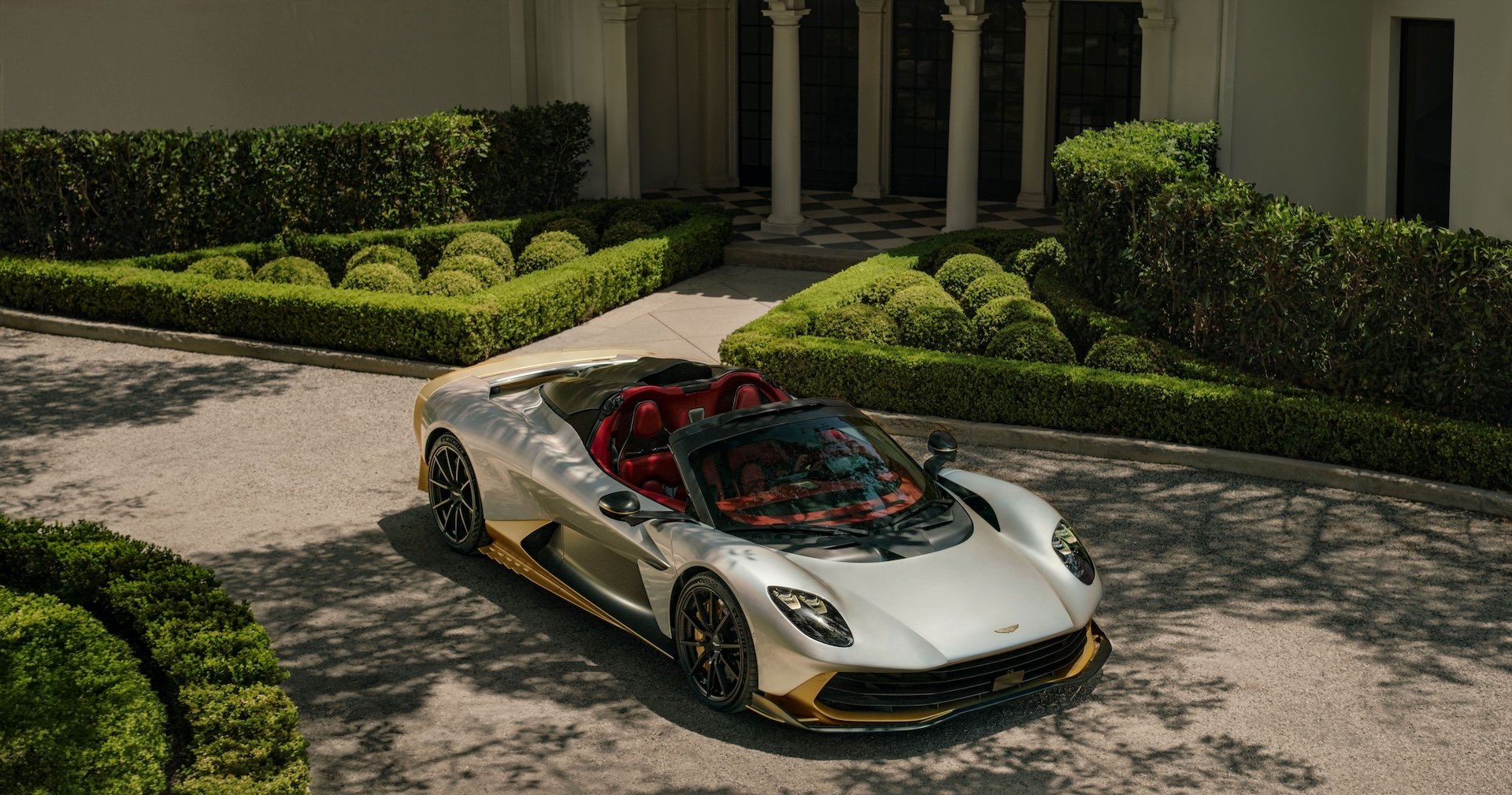
The automotive world is rarely surprised by the introduction of a new supercar variant, but every so often, a manufacturer introduces a vehicle that challenges the very physics of its own engineering constraints. Enter the Aston Martin Valhalla Spider. Building upon the aggressive, aerodynamic foundation of its fixed-roof predecessor, the Valhalla Spider emerges as a masterclass in hybrid performance, offering an intoxicating blend of 1,064-horsepower engineering and the sensory visceral experience of open-top motoring.
With a top speed that paradoxically increases when the roof is removed, the Valhalla Spider is not just a cosmetic refresh; it is a calculated engineering statement. As it prepares for its grand debut at the 2026 Concours at Wynn Las Vegas, the industry is turning its eyes toward Gaydon to see if this hybrid titan can redefine the "Grand Touring" category for the electrification era.
Main Facts: The Hybrid Behemoth Unveiled
At its core, the Valhalla Spider remains faithful to the revolutionary powertrain architecture that established the coupe’s reputation. At the heart of this beast sits a mid-mounted, flat-plane crank 4.0-liter twin-turbocharged V8 engine. This internal combustion powerhouse is paired with a sophisticated tri-motor electric system, drawing energy from a 6.1-kWh battery pack.
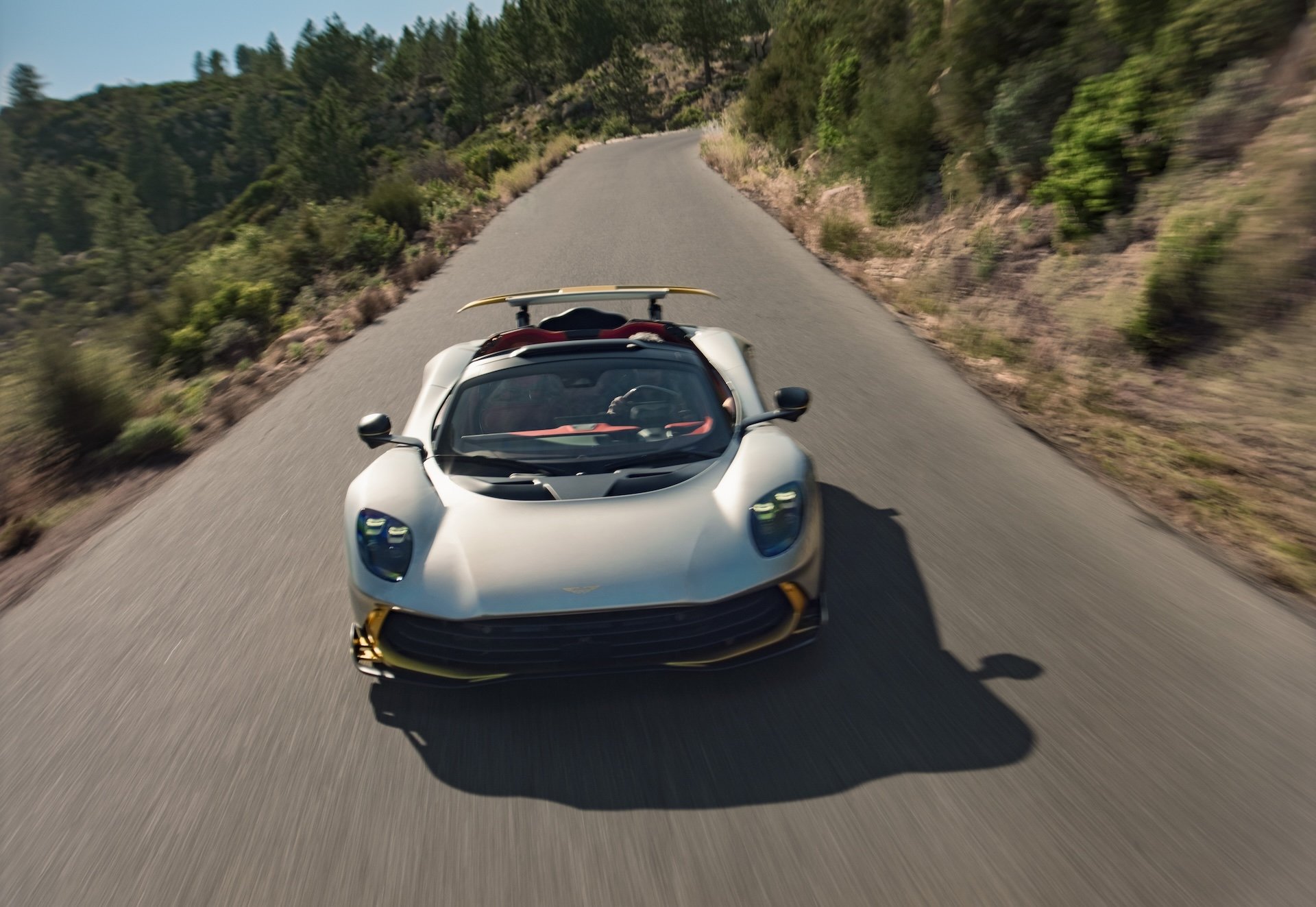
The combined output is a staggering 1,064 horsepower and 811 lb-ft of torque. This mechanical symphony allows the Spider to sprint from 0 to 60 mph in a blistering 2.5 seconds. However, the most curious headline—and the one that has engineers and enthusiasts buzzing—is the vehicle’s dual-personality top speed. When the soft top is removed, the Valhalla Spider is capable of reaching a top speed of 217 mph. Conversely, with the roof in place, the speed is electronically limited to 124 mph. This is not merely a design choice, but a safety and aerodynamic necessity integrated into the car’s sensor suite, which detects the roof’s configuration in real-time to adjust performance parameters accordingly.
Chronology: From Concept to Open-Air Reality
The journey to the Valhalla Spider is a narrative of rapid evolution within the Aston Martin brand.
- The Vision (2019-2021): Originally conceptualized as the AM-RB 003, the project was intended to serve as a bridge between the hyper-exclusive Valkyrie and the core model lineup. The design shifted from a mid-engine hypercar prototype to a more refined, production-ready hybrid supercar.
- The Coupe Debut: Upon the official unveiling of the Valhalla coupe, the industry was captivated by its active aerodynamic surfaces and the lack of a traditional reverse gear (utilizing the electric motors instead to save weight and complexity).
- Engineering the Spider: Throughout 2025, rumors of a spider variant began to circulate. Engineers faced the daunting task of maintaining the torsional rigidity of the carbon-fiber monocoque while removing the structural support of the roof.
- The 2026 Reveal: The official announcement in October 2026 confirms the vehicle’s production status, timed perfectly for a high-profile reveal at the Concours at Wynn Las Vegas, a venue synonymous with ultra-luxury automotive debuts.
Supporting Data: Engineering, Aerodynamics, and Comfort
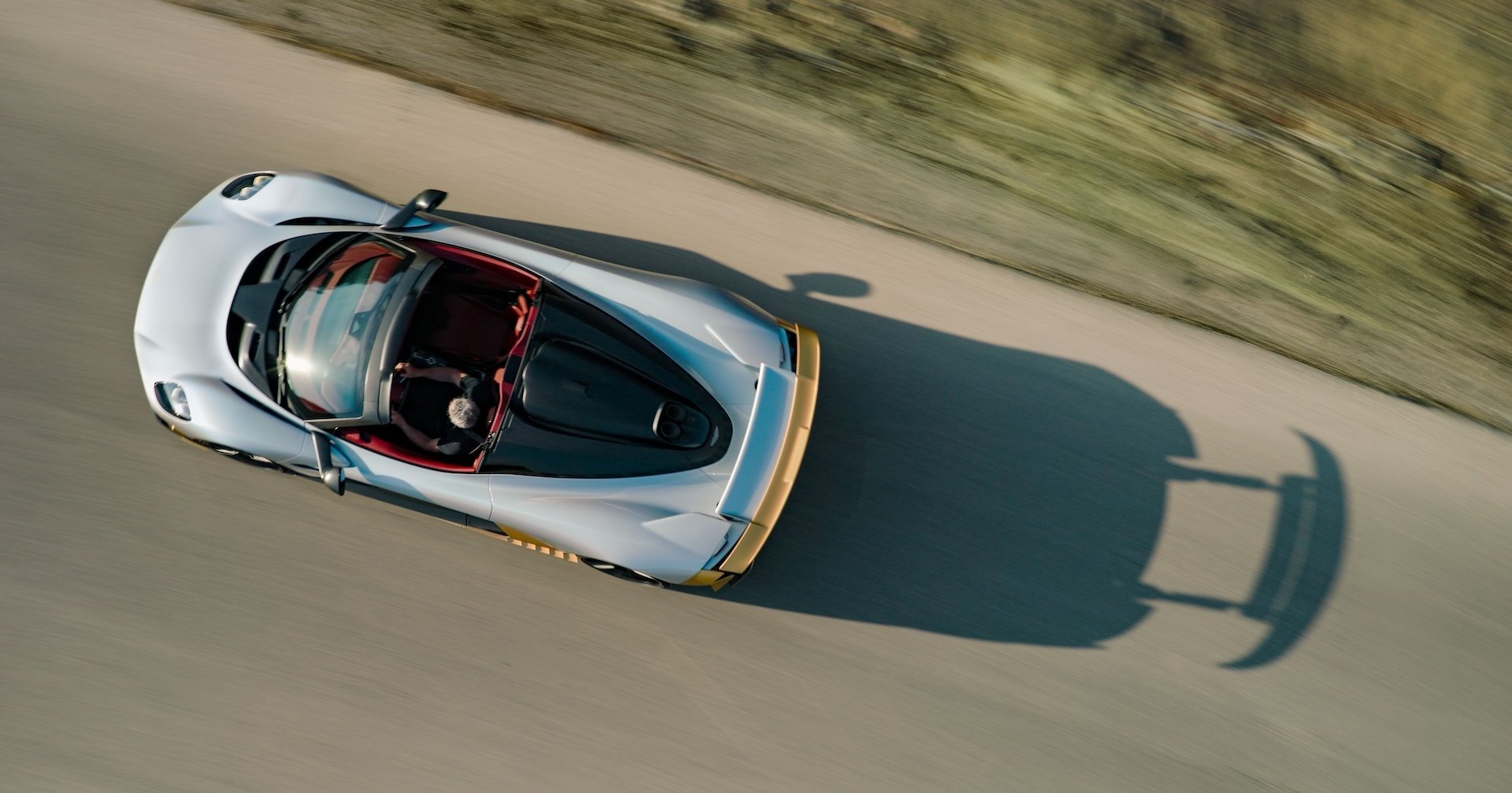
The Valhalla Spider is a marvel of material science. The chassis is constructed from a bespoke carbon-fiber tub that provides the necessary stiffness to withstand the massive output of the hybrid powertrain, even without the structural contribution of a fixed roof.
The Aerodynamic Paradox
The disparity in top speed—93 mph difference between top-up and top-down—stems from the complex interplay of air pressure and drag. The Valhalla relies on "active" aerodynamics, where wings and flaps shift to manage downforce. When the soft top is installed, the aerodynamic profile is disrupted, necessitating the 124-mph limiter to maintain vehicle stability and prevent undue stress on the soft-top mechanism. For those seeking a permanent hard-top solution, Aston Martin offers a carbon-fiber hardtop, though it is not stowable within the vehicle—a compromise for those who prioritize the car’s aesthetic silhouette over day-to-day practicality.
Cabin Innovation
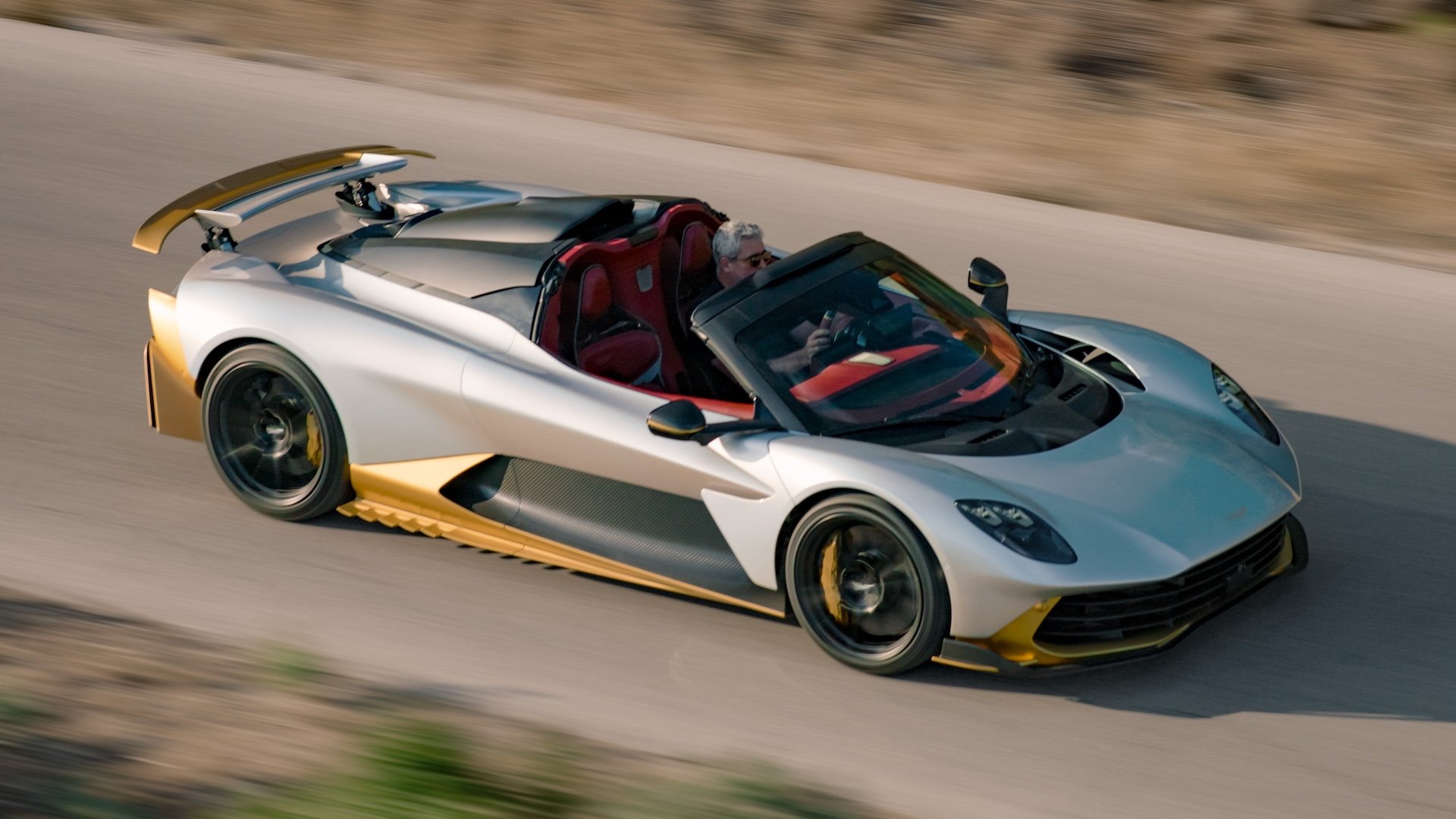
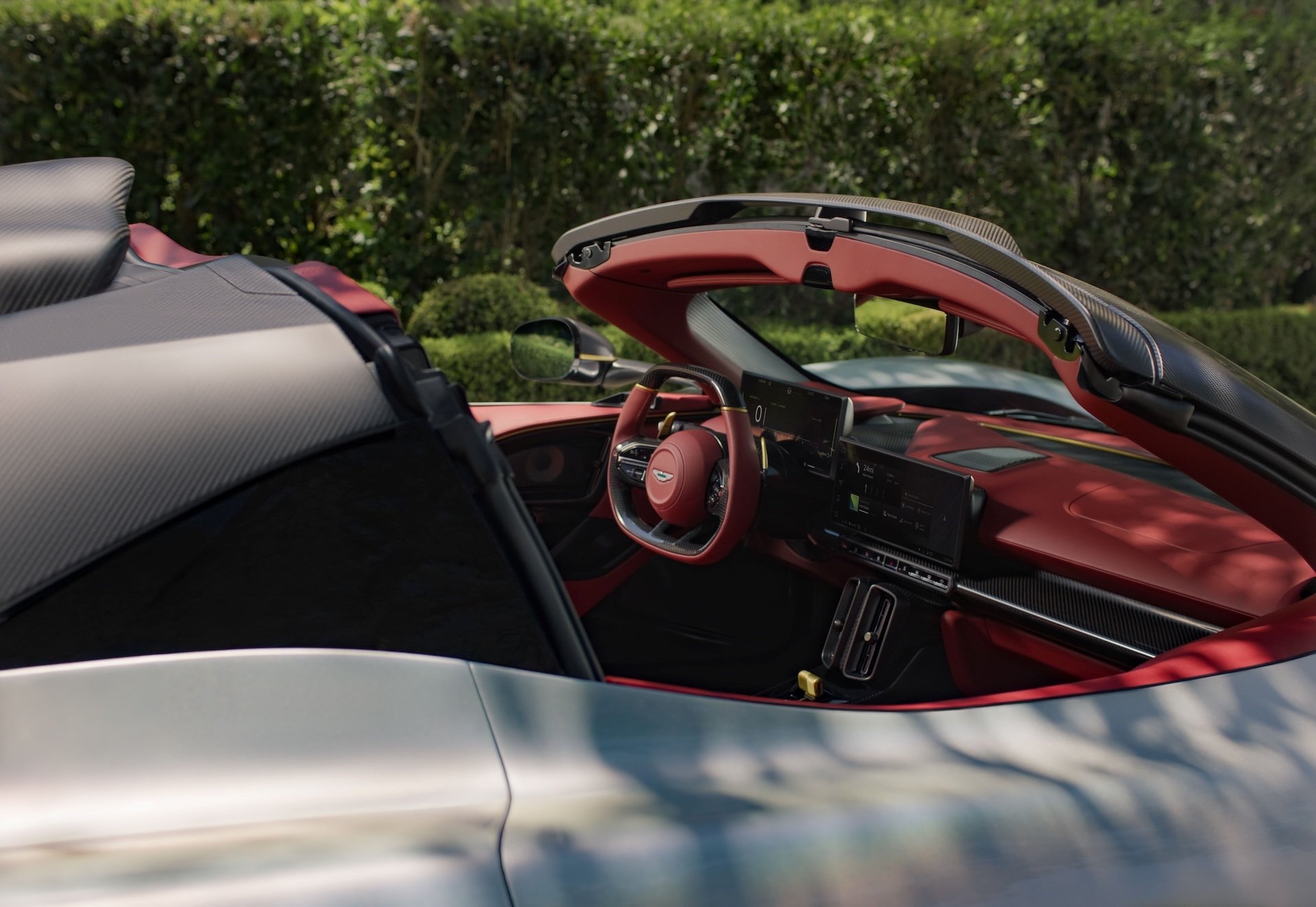
To ensure that the "Spider" experience is not marred by turbulence, Aston Martin has introduced a tripartite folding wind deflector. This unit, which stows neatly within the side sill cubbies, is designed to channel airflow away from the occupants, allowing for high-speed cruising without the chaotic buffeting typically associated with open-top mid-engine supercars.
Interior Versatility
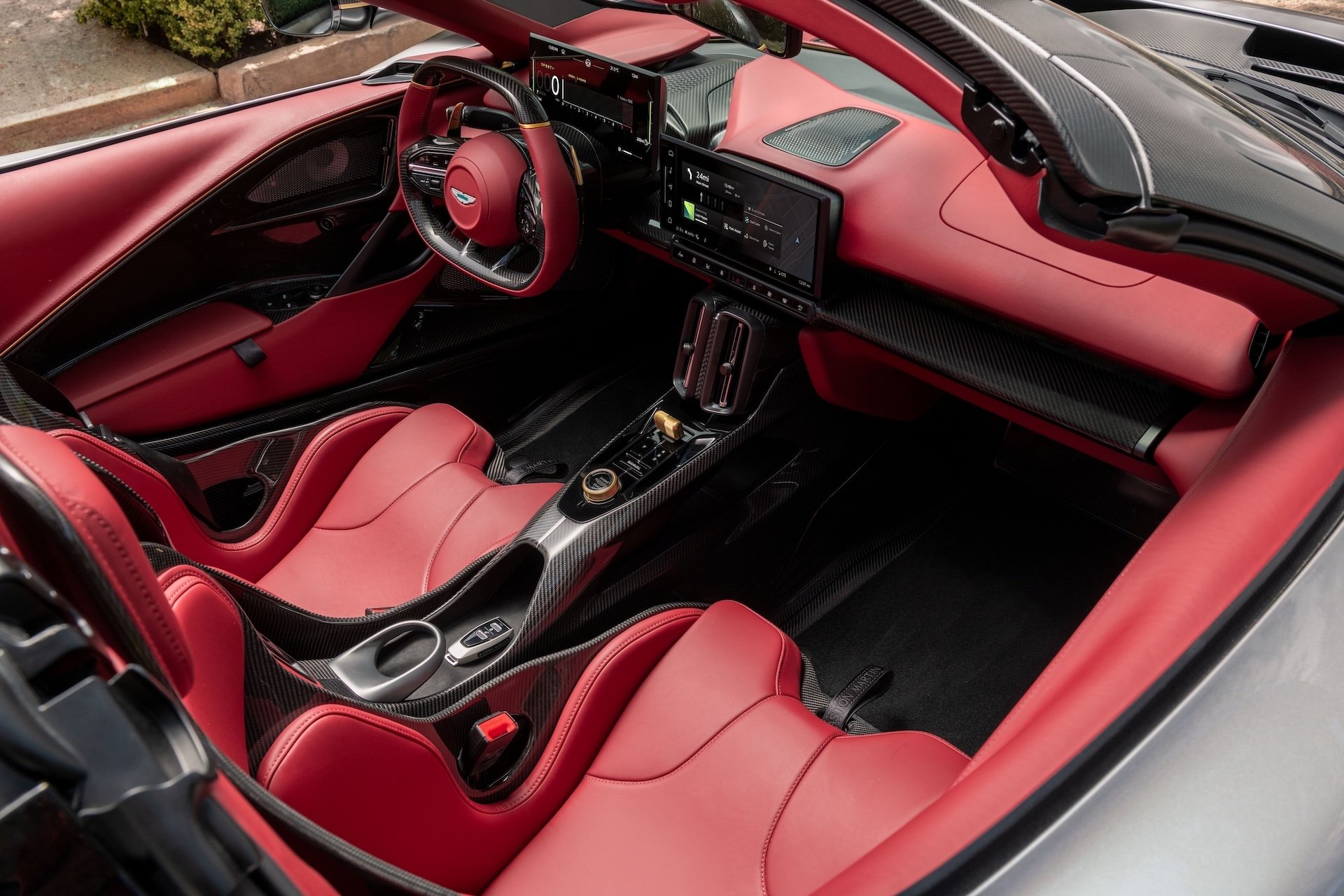
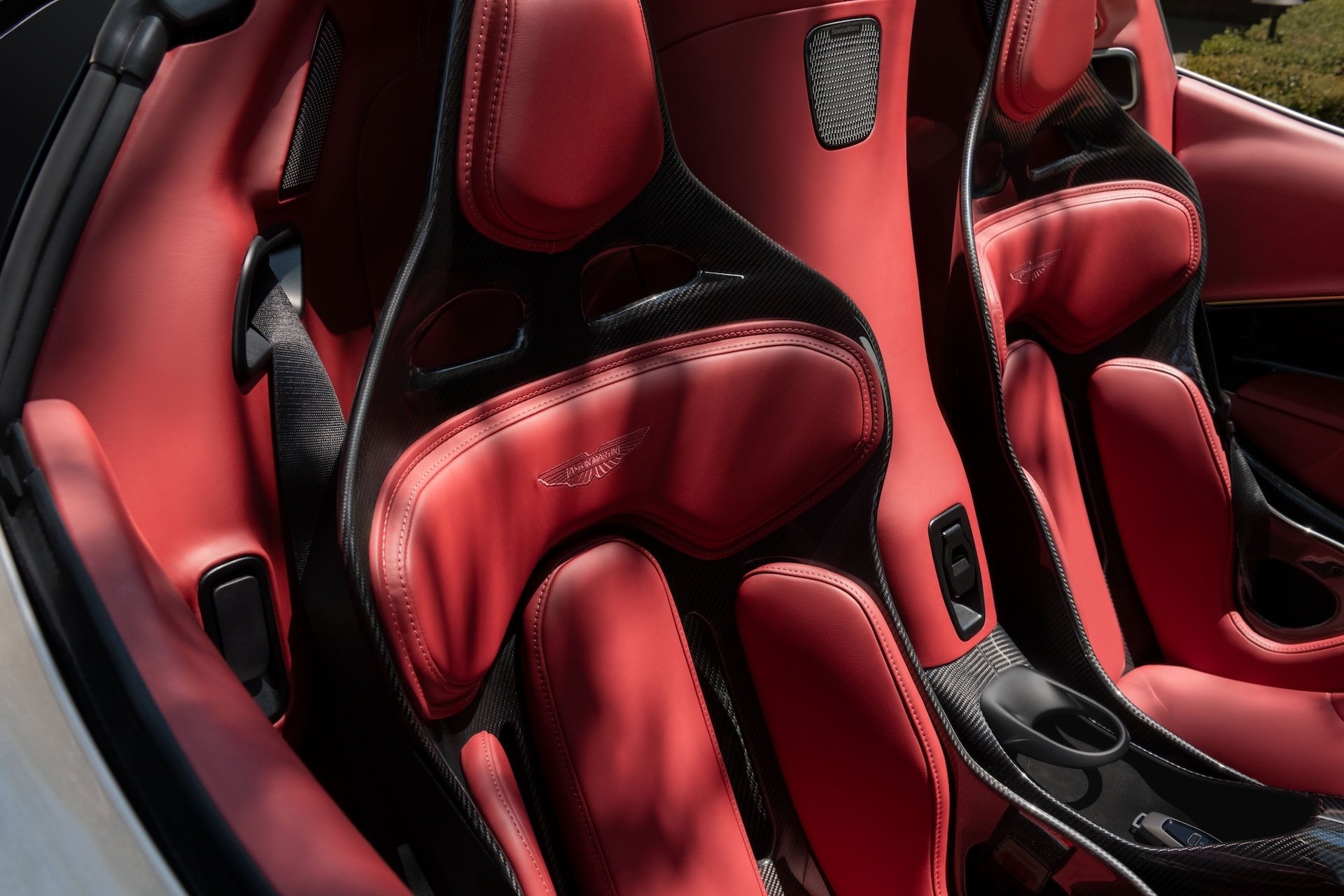
Recognizing that the owner of a million-dollar car might occasionally want to drive more than a few miles, Aston Martin has introduced new "touring seats" as standard. These provide enhanced long-distance comfort compared to the standard, highly aggressive carbon-fiber racing buckets. However, in a nod to the car’s track-focused DNA, those who prefer the original seating configuration can specify the carbon buckets at no additional cost.
Official Responses and Strategic Positioning
Aston Martin’s leadership has framed the Valhalla Spider as the "ultimate dual-purpose machine." In a press statement accompanying the reveal, the company emphasized that the hybrid powertrain is not just for power, but for precision. The inclusion of ten levels of adjustable traction control and advanced torque vectoring allows the driver to dial in the level of electronic intervention, effectively allowing the car to transform from a docile, electric-only city crawler (offering 8.7 miles of zero-emission range) into a track-devouring monster.
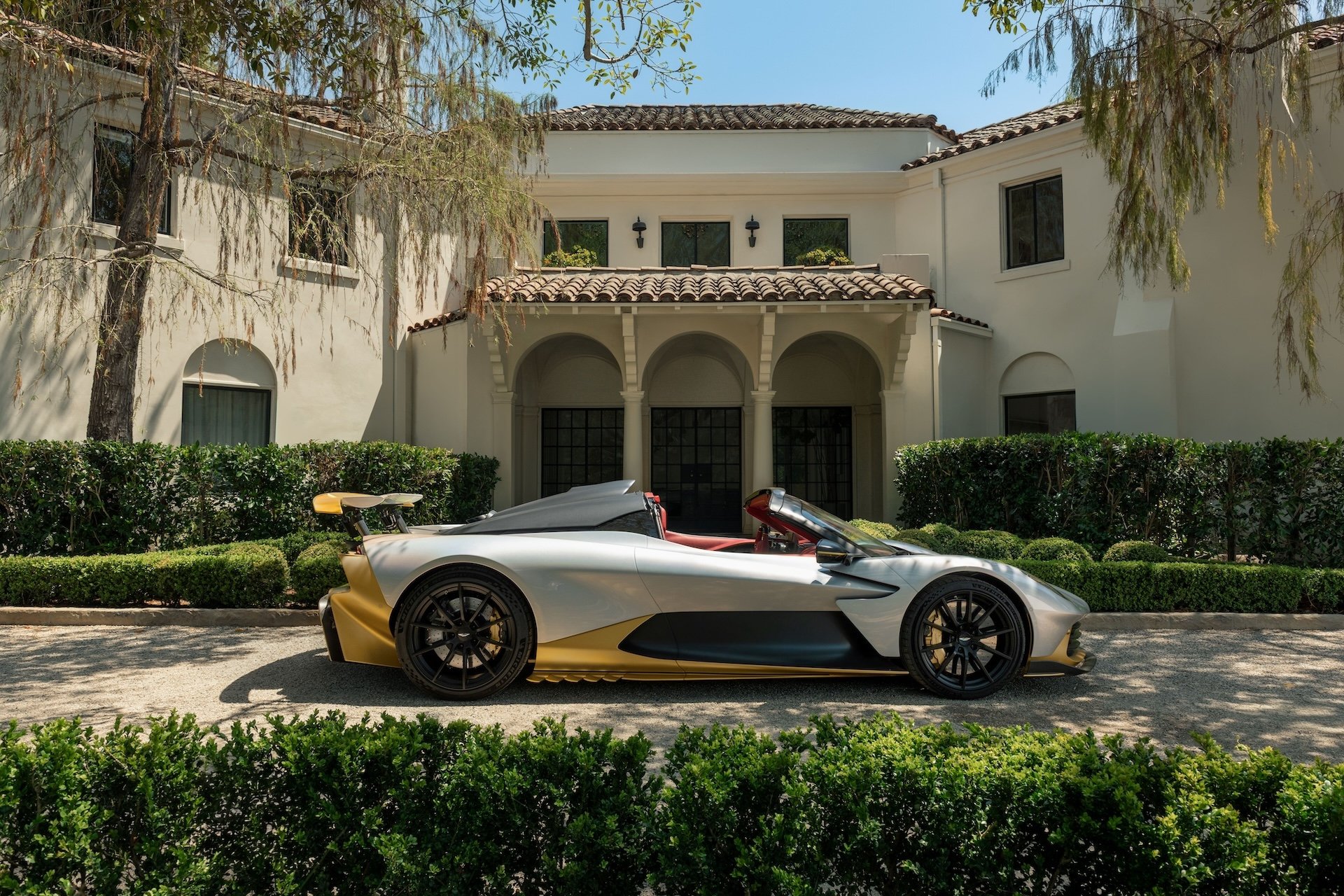
The market positioning is equally clear. With the coupe starting at approximately $1,051,700, the Spider is expected to command a significant premium. By debuting at the Concours at Wynn Las Vegas, Aston Martin is explicitly targeting the world’s most discerning collectors—individuals who demand both the exclusivity of a limited-production hybrid and the daily usability of a well-engineered GT.
Implications: What This Means for the Future of Supercars
The Valhalla Spider serves as a waypoint for the entire supercar industry. As emissions regulations tighten globally, the transition to hybrid and electric platforms has often been met with skepticism by enthusiasts who fear the loss of "soul." Aston Martin is attempting to prove that the hybrid era is not the end of the supercar, but the beginning of a more capable, more versatile chapter.
The Hybrid Compromise
The Valhalla proves that weight, once the enemy of the hybrid, can be managed through advanced carbon-fiber construction. By integrating electric motors, the car achieves performance metrics that were previously reserved for race-only prototypes, all while remaining street-legal and surprisingly drivable.
The "GT" Evolution
Perhaps the most significant implication is the shift in how we define a "Supercar." Historically, supercars were defined by their discomfort—stiff suspensions, loud, unrefined cabins, and poor visibility. The Valhalla Spider, with its focus on touring seats and wind management, suggests that the future of high-end performance is "liveable." Wealthy buyers are increasingly demanding vehicles that can do it all: take them to a gala on Friday night, a track day on Saturday, and a scenic canyon drive on Sunday morning.
The Challenge to Competitors
Ferrari and McLaren have already begun their own hybrid journeys, but the Valhalla’s specific approach—the use of a high-revving V8 combined with a tri-motor setup—sets a high bar for power delivery. The focus on "10 levels of torque vectoring" suggests that Aston Martin is leaning heavily into software-defined vehicle dynamics, an area where the next generation of performance wars will be fought.
Conclusion
The Aston Martin Valhalla Spider is more than a car; it is a declaration of intent. It acknowledges the inevitable march toward electrification while stubbornly—and successfully—clinging to the visceral, high-octane thrill of an internal combustion engine. Whether it is tearing up a mountain pass with the wind in the driver’s hair or sitting quietly in an electric-only mode through a residential street, the Valhalla Spider proves that the future of the automobile is not just sustainable—it is spectacular.
As production slots are filled and the first deliveries are finalized, the automotive world will watch closely. If the Valhalla Spider delivers on its promise of dual-mode performance and refined touring, it may well stand as the definitive supercar of the mid-2020s. For now, the focus remains on Las Vegas, where this machine will finally be unchained to show the world exactly what happens when British engineering meets the limitless possibilities of hybrid power.
